
4 வெல்டர் பிளேட் வகை வட்டத் தாங்கு உருளைகளுடன் கூடிய EP-யுனிவர்சல் ஜாயிண்ட்
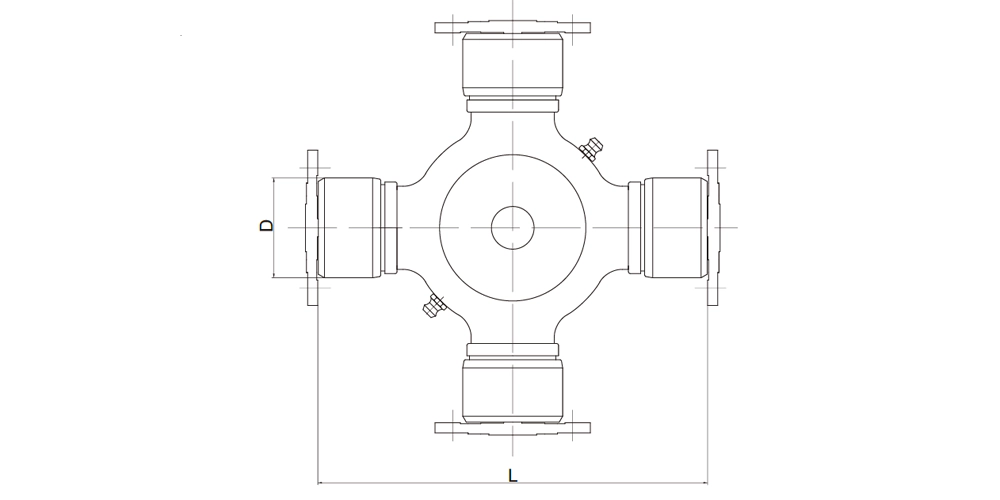
EP Universal Joints with 4 welder plate type round bearings are robust drivetrain components built for heavy-duty use. The series includes sizes with bearing diameters (D) from 39.68mm to 59mm and overall lengths (L) ranging 115.42–206mm. Precision-machined to match major OEM specs (GKN, Alloy, Rockwell), they ensure reliable torque transfer, durability, and compatibility with various industrial and agricultural driveline applications.
EP — Universal Joint With 4 Welder Plate Type Round Bearings
கனரக உலகளாவிய கூட்டு engineered for demanding driveline applications. Figure-E configuration, welder plate mounting, precision-ground round bearing cups — built to SAE and ISO standards, stocked for the Colombian and broader Latin American aftermarket.
The EP series universal joint with four welder plate type round bearings represents one of the most widely deployed drivetrain components across the automotive, commercial vehicle, and agricultural machinery sectors. Unlike conventional yoke-style assemblies, this variant uses welded flange plates that bolt directly to companion flanges on propeller shafts and differential inputs — eliminating the need for slip-yoke machining and significantly reducing installation time on the workshop floor.
Each universal joint in this EP series features four precision round bearing cups held in position by the welder plates. The cups rotate on needle rollers that are factory-packed with high-temperature, extreme-pressure grease, giving the assembly the long service intervals demanded by long-haul truck operators and fleet managers throughout Bogotá, Medellín, Cali, and the wider Colombian market
1. Technical Specifications — EP Universal Joint With 4 Welder Plate Type Round Bearings (FIG E)
All dimensions are in millimetres. D = Trunnion diameter; L = Overall length; WX = Dana/Spicer cross-reference; Precision, GKN, Alloy, and Rockwell columns show equivalent OEM part numbers for cross-referencing purposes.
| படம் | பகுதி எண் | D (மிமீ) | L (மிமீ) | WX | துல்லியம் | ஜி.கே.என். | அலாய் | ROCKWELL |
|---|---|---|---|---|---|---|---|---|
| இ | 5-115X | 39.68 | 115.42 | 4225AF | 332 | HS308 | 1757 | CP115X |
| இ | 5-279X | 47.618 | 135 | 5200AGF | 333 | HS336 | 1807 | CP16NS |
| இ | 5-279X-1 | 47.618 | 135 | 5200AGF | 333 | HS336 | 1807 | CP16NS |
| இ | 5-280X | 49.195 | 154.755 | 5278AGF | 334 | HS337 | 1802 | CP17NS |
| இ | 5-280X-1 | 49.195 | 154.755 | 5278AGF | 334 | HS337 | 1802 | CP17NS |
| இ | 5-407X | 49.195 | 177.93 | 6269AGF | 376 | HS338 | 1808 | CP176NS |
| இ | 5-407X-1 | 49.195 | 177.93 | 6269AGF | 376 | HS338 | 1808 | CP176NS |
| இ | 5-281X | 49.195 | 191.8 | 7225AGF | 381 | HS334 | 1810 | CP18NS |
| இ | 5-281X-1 | 49.195 | 191.8 | 7225AGF | 381 | HS334 | 1810 | CP18NS |
| இ | 5-124X | 59 | 167.5 | 6228AGF | 335 | HS324 | 1804 | CP124X |
| இ | 5-308X | 55.5 | 206 | — | 388 | HS348 | — | — |
Note: D = trunnion pin diameter (mm); L = overall cross length (mm); WX = Spicer/Dana cross-reference number. Cross-reference numbers are provided for identification purposes only.
2. ஐந்து முக்கிய தயாரிப்பு நன்மைகள்
① Welder-Plate Precision Fit
The four flange plates are machined to tight tolerances and welded before grinding, so the bolt-circle diameter stays true even under cyclical bending loads. This design removes wobble that would otherwise appear on conventional pressed-cap assemblies, keeping NVH levels low over the vehicle's service life. For operators running heavy payloads on Colombian mountain roads, that translates directly into longer bearing life and reduced maintenance cost per kilometre.
② Wide Cross-Reference Coverage
Every part number in this series cross-references to at least one of the four major numbering families — Precision, GKN, Alloy, and Rockwell — so distributors and workshops do not need to stock multiple brands. A single SKU satisfies demand from independent garages handling everything from light utility trucks to heavy commercial rigs, making inventory management significantly leaner for parts dealers in Latin America.
③ High-Load Needle-Roller Bearing Cups
The round bearing cups are manufactured from case-hardened alloy steel with a controlled surface finish on the cup bore. Needle rollers fill the cup to the nominal complement, maximising the dynamic load rating for a given envelope size. This matters in steering universal joint and steering column universal joint applications where operating angles can reach 35° and shock loads are transmitted directly through the cross assembly.
④ ISO 9001 Quality System Backing
Production follows a certified quality management system with in-process dimensional inspection and final hardness verification. Heat treatment records are traceable to batch level, and finished assemblies are tested for grease retention before packaging. Buyers in Colombia, Ecuador, and Peru can request inspection certificates that satisfy local customs and quality audit requirements without additional third-party testing.
⑤ Broad Dimensional Range
With trunnion diameters from 39.68 mm up to 59 mm and overall lengths from 115.42 mm to 206 mm, the EP series covers a wide spread of driveline geometries from mid-size passenger vehicles all the way up to full-frame truck platforms. One supplier, one quality system, and one point of contact for the entire range simplifies procurement for fleet purchasing departments and distributors alike.
3. உலகளாவிய கூட்டு வேலைக் கொள்கை
ஒரு உலகளாவிய கூட்டு transmits rotational torque between two shafts that are not perfectly aligned — either because they meet at an angle or because their relative angle changes dynamically as the drivetrain flexes over bumps and corners. The mechanism at the heart of every U-joint is the cross (also called the spider or trunnion), a cruciform forging whose four arms fit into the bearing cups housed in two opposing yokes. When one shaft rotates, the cross pivots simultaneously in two planes, allowing the driven shaft to rotate even though its axis diverges from the driving shaft.
An important characteristic of this geometry is that the output shaft's velocity is not perfectly constant when the joint operates at an angle — it cycles twice per revolution, slightly faster and then slightly slower than the input. This is called the Cardan velocity variation. In practical driveline layouts, engineers cancel this variation by using two உலகளாவிய கூட்டு assemblies phased 90° apart, which is the standard arrangement for a two-joint propeller shaft. The operating angle at each end must be equal and the joint planes must be parallel for true cancellation.
In the welder plate configuration, the four bearing cups are retained not by snap rings or U-bolts but by hardened steel flange plates that are resistance-welded (or MIG-welded) to the yoke ears, then precisely ground on the seating surface. This design inherently centres the cup relative to the yoke bore to a tighter tolerance than snap-ring retention, which is why the welder plate style is preferred in applications with high operating angles or significant shock loading — including heavy-duty universal joint truck driveshafts and off-road machinery.
The round bearing cup contains a full complement of needle rollers running directly on the hardened trunnion pin surface. Grease is packed into the cup during assembly and is retained by a lip seal at the open end. In service, the seal must exclude road contamination while retaining grease under centrifugal force — which is why cup hardness, seal lip material, and grease viscosity all appear as specified parameters in the technical data sheet.
4. Material & Construction
The spider (cross) forging is produced from medium-carbon alloy steel, typically 20CrMnTi or equivalent, which delivers the right combination of core toughness and surface hardenability. After rough machining, the trunnion pins undergo carburising followed by quench hardening to achieve a case depth and surface hardness specified to resist spalling under the Hertzian contact stresses generated by the needle rollers. A light temper follows the quench to relieve residual tensile stress at the case surface.
The bearing cups are deep-drawn from cold-rolled steel strip and then through-hardened to the Rockwell C hardness range appropriate for needle-roller contact. Cup bore finish is controlled to Ra ≤ 0.4 µm to ensure uniform load distribution across the needle complement. The welder plates themselves are mild steel stampings, resistance-welded to the yoke ears under controlled current and pressure parameters, and the weld zone is subsequently ground flat to ensure the cup seating face is perpendicular to the yoke bore axis.
Seals are nitrile rubber (NBR) lip seals for standard temperature applications. Each assembly is pre-lubricated with lithium-complex NLGI #2 grease, which remains stable at temperatures from −30 °C to +130 °C — covering the full operating envelope of most passenger car and commercial truck drivelines. Some variants in this series also accept a grease nipple fitting for periodic re-lubrication in high-duty-cycle applications such as mining haulage trucks operating in the Andes.
5. பயன்பாட்டுச் சூழ்நிலைகள்
Heavy-Duty Trucks & Buses
Long-haul freight trucks and intercity buses operating routes across Colombia — including the Ruta 40 and the Troncal del Caribe — subject their driveshafts to sustained high torque and significant angular misalignment at the differential yoke. The EP welder plate உலகளாவிய கூட்டு handles the torsional demands of laden GVW configurations, while the precision-ground cups keep vibration signatures within the acceptable bands set by the OEM for passenger comfort and cargo protection.
Light Commercial Vehicles & Pickup Trucks
Mid-size pickup trucks and light vans form the backbone of last-mile delivery fleets in Colombian cities. The 5-115X and 5-279X series parts fit many of the most popular platforms in this segment, offering an affordable, OEM-equivalent உலகளாவிய மூட்டு மாற்று அறுவை சிகிச்சை that restores driveline smoothness and eliminates the vibration and clunking noise that indicate worn bearing cups. Workshops report installation times of under 30 minutes for experienced technicians.
விவசாய இயந்திரங்கள்
Tractors and harvesting equipment operating in the Llanos Orientales and in the Cauca Valley river valleys rely on PTO driveshafts that incorporate உலகளாவிய கூட்டு assemblies at every articulation point. The larger-diameter variants — 5-124X (59 mm) and 5-308X (55.5 mm) — are particularly suited to this environment, where the operating angle of a tractor power shaft can exceed 20° during headland turns and the torque reversals from engagement and disengagement cycles demand robust trunnion-to-cup interference fits.
Mining & Construction Equipment
Off-highway equipment used in Colombia's coal and nickel mining regions, as well as in road-building projects in the Cordillera, imposes shock loads on driveshaft components that would quickly fatigue a standard automotive உலகளாவிய கூட்டு. The welder plate retention system, combined with the higher dynamic load ratings of the larger-bore EP models, makes this series a dependable choice for articulated dump trucks, motor graders, and drilling rigs where unplanned downtime carries significant financial consequences.
Steering Column & Industrial Shafting
The smaller-diameter variants in this EP series can also serve ஸ்டீயரிங் யுனிவர்சல் ஜாயின்ட் மற்றும் ஸ்டீயரிங் காலம் யுனிவர்சல் ஜாயின்ட் duties in industrial vehicles where a double-Cardan configuration is not practical. Industrial conveyors, mixer drives, and pump shafting in food processing and petrochemical plants also use உலகளாவிய கூட்டு crosses from this size range when continuous-duty, moderate-angle operation at controlled torque is required.
6. Regulatory & Standards Compliance
International standards: The design and testing of this உலகளாவிய கூட்டு series aligns with ISO 8667 (Road vehicles — universal joints for propeller shafts) and SAE J901, which together govern dimensional tolerances, torque capacity declarations, and endurance test protocols for automotive driveline crosses. These standards define minimum fatigue life requirements under oscillating torque loading, and all EP series crosses are validated against those requirements before production release.
Colombia — NTC/ICONTEC: In Colombia, automotive replacement parts destined for vehicles used in public service (taxis, intercity buses, cargo trucks) must comply with applicable Normas Técnicas Colombianas (NTC) standards issued by ICONTEC, and vehicles must pass the Revisión Técnico-Mecánica y de Gases (RTMG). Driveline components that fail during inspection constitute a safety defect under the Colombian Road Traffic Act (Código Nacional de Tránsito Terrestre, Ley 769 de 2002). Supplying components that meet ISO or SAE-equivalent specifications ensures they satisfy RTMG inspectors when driveshaft condition is evaluated.
Broader Latin America: In Ecuador, INEN standards (Instituto Ecuatoriano de Normalización) apply to automotive safety components. Brazil requires ABNT NBR standards for driveline parts used in vehicles registered under DENATRAN/SENATRAN oversight. Mexico's NOM-086 covers vehicle safety components in the commercial transport sector. While each country maintains its own regulatory framework, ISO 8667 compliance is broadly accepted as evidence of technical adequacy across the region's standards bodies.
ஐரோப்பிய ஒன்றியம்: Within the EU, Regulation (EC) No 661/2009 on the general safety of motor vehicles and its delegated regulations set requirements for driveline components. Products intended for the European aftermarket additionally reference ECE-R regulations administered by UNECE, and the quality management system certification (ISO 9001) supports CE marking documentation where required.
அமெரிக்கா: FMCSA regulations (Federal Motor Carrier Safety Administration) require that commercial motor vehicle driveshafts maintain structural integrity under FMVSS-related inspection criteria. SAE J416 provides the torque capacity test methodology most commonly cited in North American procurement specifications. The EP series' compliance with SAE J901 dimensional standards ensures straightforward compatibility with North American OEM and aftermarket interchange systems.
7. எங்களைப் பற்றி
We are a specialist manufacturer and global supplier of உலகளாவிய கூட்டு assemblies, driveshaft crosses, and related drivetrain components with more than two decades of experience supplying the automotive, commercial vehicle, agricultural, and industrial sectors. Our engineering team maintains a deep catalogue of interchange data, allowing us to match customer requirements to the correct part number across the major OEM and aftermarket numbering families — including Precision, GKN, Alloy, Rockwell, Dana/Spicer, and GMB.
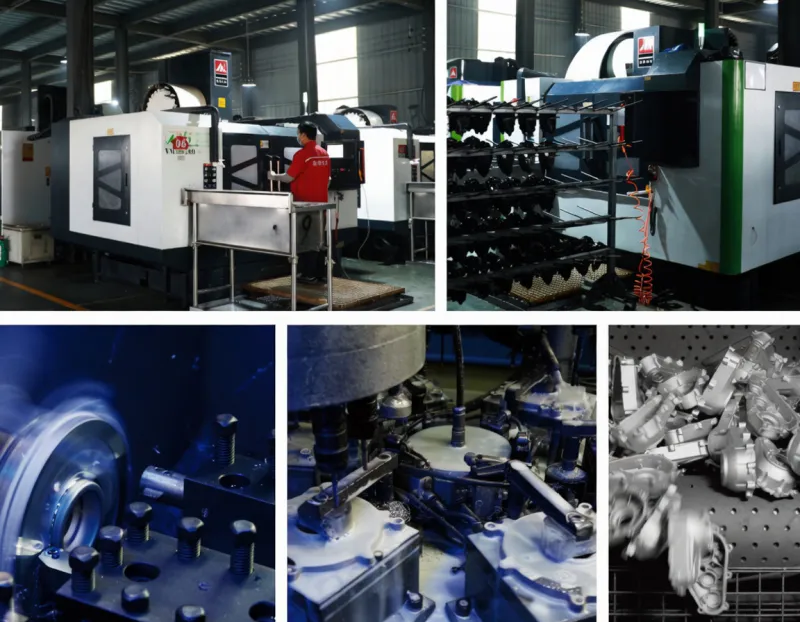
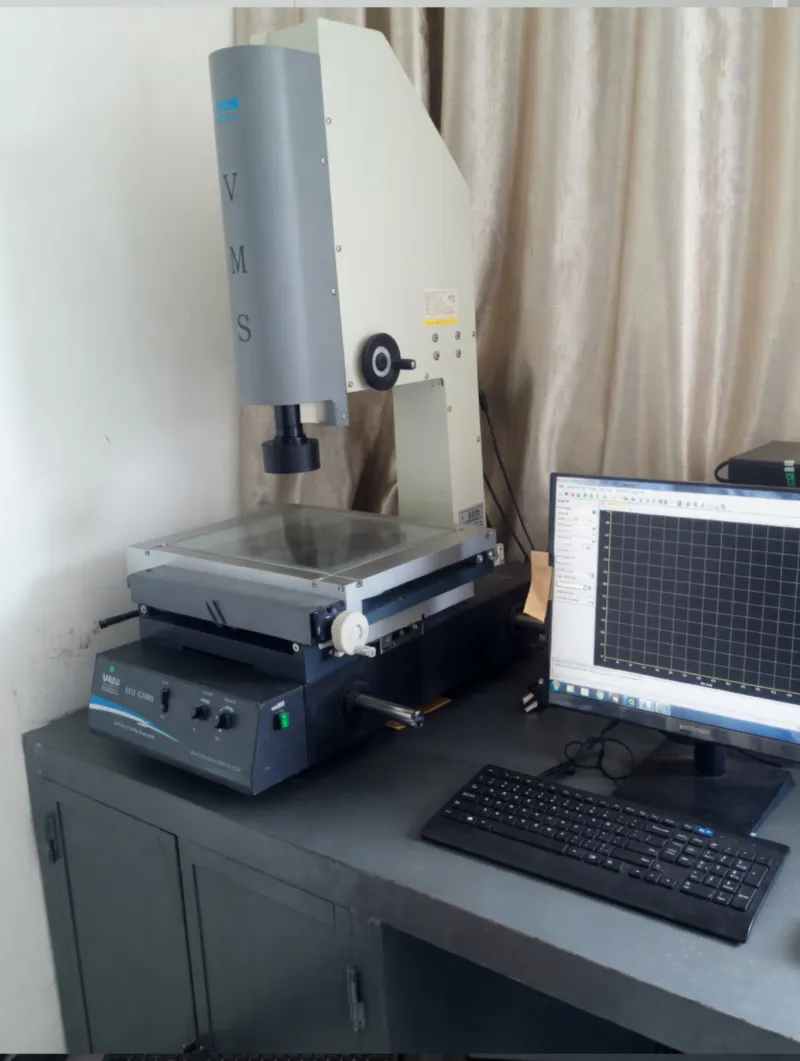
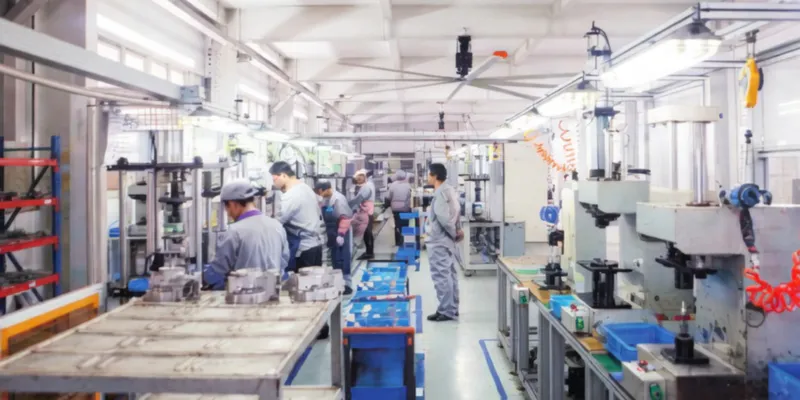
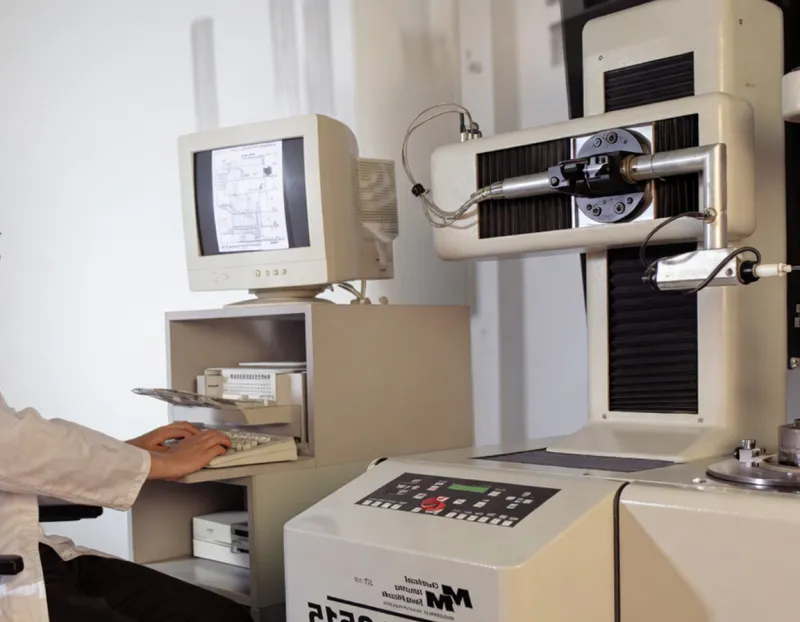
Our production facility operates under a certified ISO 9001 quality management system with complete traceability from raw material receipt through to final packaging. Dimensional inspection equipment includes coordinate measuring machines (CMM) for trunnion geometry verification, surface-finish profilometers for cup bore quality control, and Rockwell hardness testers for heat-treatment confirmation.
பட்டறை
8. தொடர்புடைய தயாரிப்புகள் — முழுமையான டிரைவ்லைன் தீர்வுகள்
ஒரு உலகளாவிய கூட்டு operates as part of a larger driveline system. Pairing it with compatible companion components from the same supply source eliminates fitment uncertainty and simplifies warranty claims. We also supply the following components that work directly alongside the EP U-joint series:
சக்கர மைய அலகுகள்
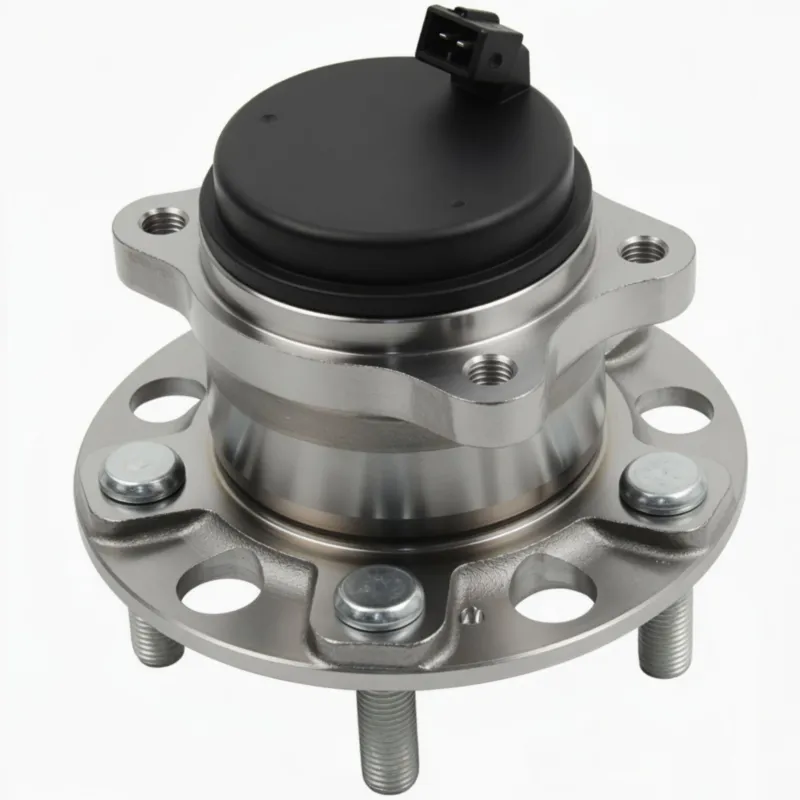
Our automotive wheel bearing and wheel hub assemblies are engineered to the same dimensional and metallurgical standards as the EP U-joint series. A matched hub and உலகளாவிய கூட்டு from a single supplier means the entire outboard driveshaft assembly — from the inboard slip yoke to the outer CV or U-joint — comes from one quality system, one source of traceability, and one point of contact for technical support. Explore our full range of Wheel Hub products for your application.
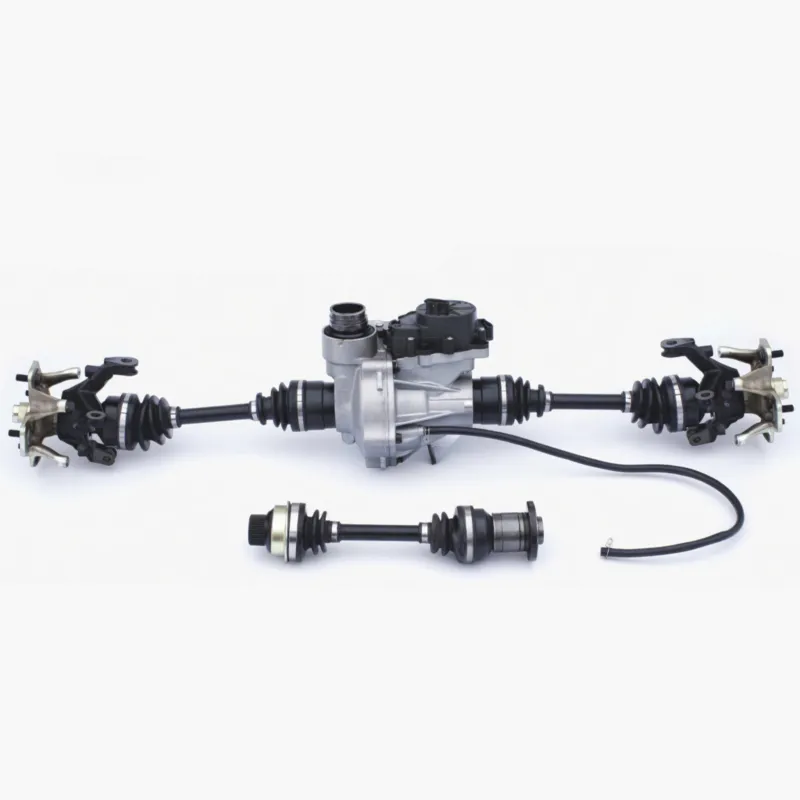
அச்சு தண்டுகள்
Our axle shaft range covers both solid rear axles and independent front axle configurations, including stub shafts and full-float half-shafts that mate directly with the EP welder plate உலகளாவிய கூட்டு yoke flanges. Sourcing the axle shaft and the உலகளாவிய மூட்டு மாற்று அறுவை சிகிச்சை cross together eliminates the risk of dimensional incompatibility at the companion flange interface — a common cause of vibration after non-OEM driveshaft repairs. See our complete selection of Axle Shaft products for vehicle-specific fitment data.
அடிக்கடி கேட்கப்படும் கேள்விகள்
Q1. What is a universal joint and what role does it play in a vehicle's drivetrain?
Q2. What is the main function of a universal joint in a heavy-duty truck operating in Colombia?
Q3. What are the different universal joint types available and which one is best for my truck application in Latin America?
Q4. How does a steering universal joint differ from a driveshaft universal joint in terms of design and operating requirements?
Q5. Which universal joint part number crosses over to GKN HS336 for a fleet procurement order in Bogotá?
Q6. What is the correct installation procedure for a universal joint with welder plate type round bearings on a commercial truck driveshaft?
Q7. How does a universal joint in a car differ from the one used in agricultural equipment on Colombian farms?
Q8. What is a universal joint impact socket and how is it used when servicing driveshafts in a Colombian workshop?
பதிப்பாசிரியர்: PXY
தொடர்புடைய தயாரிப்புகள்
-

இரண்டு வெல்டர் பிளேட் வகை மற்றும் இரண்டு ஹை விங் பேரிங்குகள் கொண்ட EP-யுனிவர்சல் ஜாயிண்ட்
-
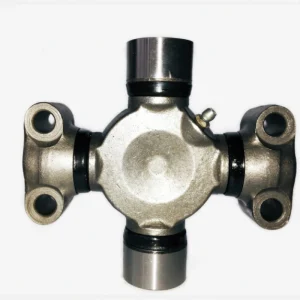
இரண்டு விங் பேரிங்குகள் மற்றும் இரண்டு பள்ளம் உள்ள அல்லது சாதாரண வட்ட பேரிங்குகள் கொண்ட EP-யுனிவர்சல் ஜாயிண்ட்
-
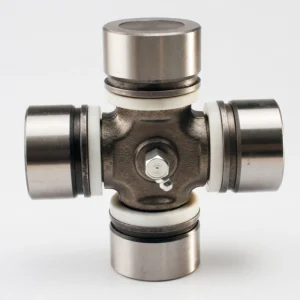
4 சாதாரண வட்டத் தாங்கிகள் மற்றும் 4 பள்ளம் கொண்ட வட்டத் தாங்கிகளுடன் கூடிய EP-யுனிவர்சல் ஜாயிண்ட்
-
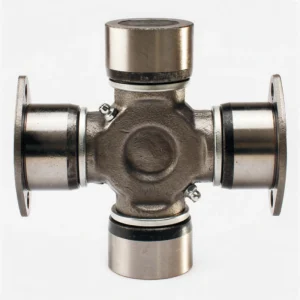
இரண்டு வெல்டர் பிளேட் வகை மற்றும் இரண்டு சாதாரண வட்டத் தாங்கு உருளைகளைக் கொண்ட EP-யுனிவர்சல் ஜாயிண்ட்