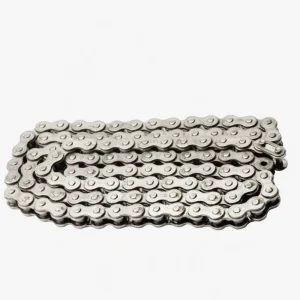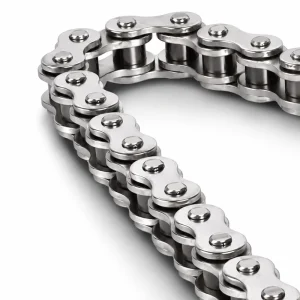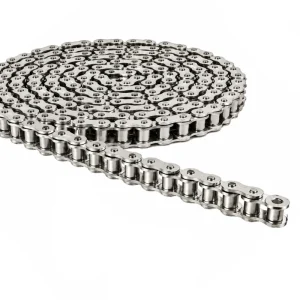
EP-530H வலுவூட்டப்பட்ட மோட்டார் சைக்கிள் சங்கிலி
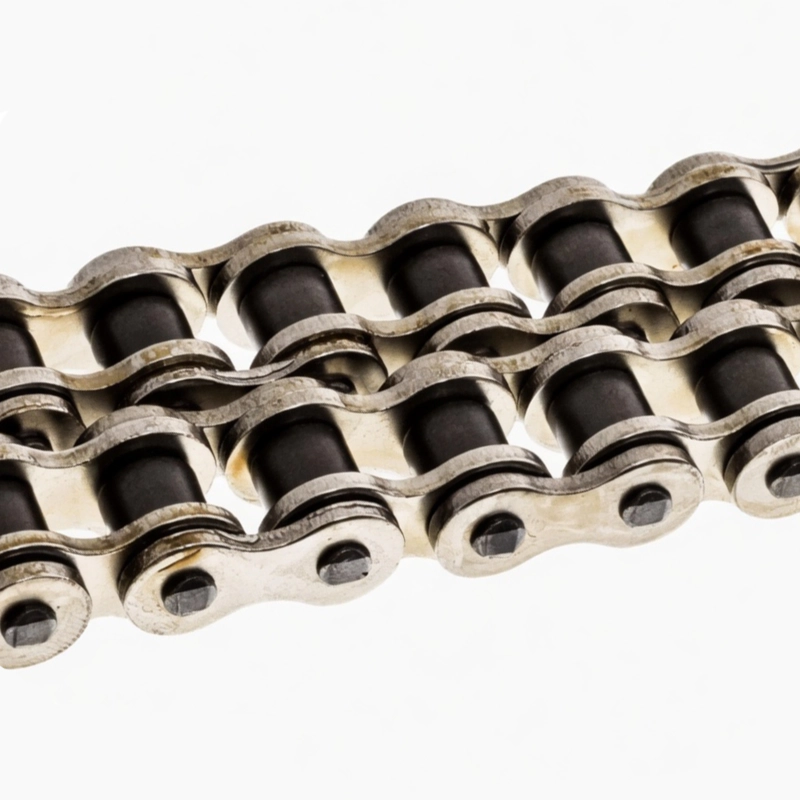
EP-530H Reinforced Motorcycle Chain features a 15.875mm pitch and curled bush design. With a 9.53mm width, 5.08mm pin diameter, and 22.10mm pin length, it delivers robust power transmission. The 10.16mm roller diameter, paired with 2.40mm inner and 2.35mm outer plate thickness, enhances durability. Boasting 30.4kN tensile strength and a 1.15kg/m weight, this reinforced chain is built for high-performance motorcycles, offering reliable performance under demanding conditions.
EP-530H வலுவூட்டப்பட்ட மோட்டார் சைக்கிள் சங்கிலி
1. Technical Parameters — EP-530H Series Reinforced Motorcycle Chain
The table below lists comprehensive dimensional and performance specifications for the EP-530H வலுவூட்டப்பட்ட மோட்டார் சைக்கிள் சங்கிலி. All dimensions are in millimetres unless otherwise noted. Scroll horizontally on mobile devices to view all columns.
| அளவுரு | மதிப்பு | Unit / Note |
|---|---|---|
| சங்கிலி பதவி | 530H | Heavy-duty reinforced |
| பிட்ச் | 15.875 | மிமீ |
| புஷ் வகை | சுருண்ட | — |
| Roller Width (W) | 9.53 | மிமீ |
| முள் விட்டம் | 5.08 | மிமீ |
| பின் நீளம் | 22.10 | மிமீ |
| ரோலர் விட்டம் | 10.16 | மிமீ |
| உள் தட்டு தடிமன் | 2.40 | மிமீ |
| வெளிப்புறத் தகட்டின் தடிமன் | 2.35 | மிமீ |
| குறைந்தபட்ச இழுவிசை வலிமை | 30.4 | கி.என். |
| Weight per Metre | 1.15 | கிலோகிராம்/மீ |
| Standard Link Count (typical) | 106 – 120 | links (application dependent) |
| Recommended Operating Temperature | -20 முதல் +80 வரை | °C |
| Surface Hardness — Pin | 58 – 62 | எச்.ஆர்.சி. |
| Surface Hardness — Roller | 55 – 60 | எச்.ஆர்.சி. |
| Inner Plate Height | ≈ 18.1 | mm (nominal) |
| Outer Plate Height | ≈ 18.1 | mm (nominal) |
| உயவு வகை | EP-grade motorcycle chain lube | Spray or brush application |
| Connection Method | Press-fit master link (clip or rivet) | — |
| Certification / Standard Alignment | ISO 10823 / DIN 8188 compatible | Heavy-duty H series |
Note: Link count varies by motorcycle model. Always verify against OEM specification or count links on the outgoing chain before ordering.
2. What Is a Reinforced Motorcycle Chain?
ஒரு வலுவூட்டப்பட்ட மோட்டார் சைக்கிள் சங்கிலி is a roller chain that has been manufactured to tighter tolerances and heavier material cross-sections than standard OEM replacements. The term "reinforced" refers to upgrades across multiple critical dimensions: thicker link plates for improved bending fatigue resistance, larger-diameter pins that resist shear and bending stresses, and wider rollers that distribute load more evenly across each sprocket tooth. In the 530H designation, the number 530 describes the chain pitch and roller width (15.875 mm pitch, 9.53 mm roller width), while the letter H explicitly signals the heavy-duty reinforced construction used in manufacture.
Many riders ask: What type of motorcycle chain is best? The answer depends on application. For everyday commuting on lightweight machines, a standard 520 or 525 chain may suffice. For medium-to-large displacement motorcycles in demanding riding conditions — especially in countries like Colombia where road surfaces and riding styles vary widely — a 530H reinforced motorcycle chain consistently outperforms lighter alternatives. Its elevated tensile strength and wear resistance reduce the risk of premature elongation, sprocket damage, and unexpected drivetrain failure, all of which can have serious consequences at highway speed or in heavy traffic.
Another common question is: Do motorcycle chains stretch? All roller chains elongate slightly over time as the pin and bushing surfaces wear, but a heavier-duty chain like the EP-530H elongates far more slowly than lighter designs. The reinforced plate geometry resists the bending fatigue that accelerates apparent elongation, while the precision-ground pins and curled bush bearing surfaces maintain tighter tolerances for longer service intervals between tension adjustments.
3. Five Key Product Advantages of Reinforced Motorcycle Chain
① Superior Tensile Strength
The EP-530H is rated at 30.4 kN minimum tensile strength, substantially above what most standard 530 chains achieve. This elevated rating means the chain handles sudden acceleration loads, abrupt downshifts, and high-torque starts without the risk of link separation — critical for riders who push their bikes in spirited or competitive riding contexts across Colombia's diverse terrain.
② Reduced Vibration and Noise
Precision tolerances in pin diameter (5.08 mm), roller diameter (10.16 mm), and overall pitch consistency reduce the micro-impacts between chain rollers and sprocket teeth that generate drivetrain noise and vibration. Riders consistently report a noticeably quieter, more refined power delivery compared to budget-grade மோட்டார் சைக்கிள் சங்கிலிகள், which translates to less fatigue on long touring rides.
③ Extended Service Life Through Wear Resistance
The hardened pin surfaces and the carefully profiled roller bushings of the EP-530H resist the abrasive wear that shortens chain life, especially in dusty or gritty conditions common in rural and semi-urban Colombian riding environments. Longer service life means fewer motorcycle chains replacement cycles, protecting the rider's overall maintenance budget without sacrificing reliability.
④ Efficient Power Transfer
Every watt of engine output lost to chain flex and internal friction represents fuel and performance wasted. The EP-530H's tightly controlled geometry minimises internal friction, allowing more of the engine's torque to reach the rear wheel. Riders notice improved throttle response and more linear acceleration, particularly at mid-range RPM where touring and adventure bikes spend most of their operating time.
⑤ Broad Motorcycle Compatibility
The 530H pitch is one of the most widely used standards on medium-to-large displacement motorcycles. The EP-530H is compatible with மோட்டார் சைக்கிள் சங்கிலிகள் மற்றும் பற்சக்கரங்கள் across a huge range of makes and models — from 600 cc sport bikes to 1,200 cc touring machines. Its versatility makes it a practical மாற்று வலுவூட்டப்பட்ட மோட்டார் சைக்கிள் சங்கிலி for workshops, fleet operators, and individual riders who want a single trusted product for multiple machines.
4. How Does the EP-530H Reinforced Motorcycle Chain Work?
The operating principle of a roller chain is elegantly simple but critically dependent on dimensional precision. The EP-530H consists of alternating inner links and outer links. Each inner link is formed by two inner plates connected by a bushing pressed into both plates; each outer link connects two outer plates with a solid pin. The pins pass through both the bushings and the rollers that sit on the outside of each bushing. As the chain engages a sprocket, each roller seats into a sprocket tooth gap, and the sprocket tooth pushes on the roller — never directly on the pin or bushing — transferring torque from the drive sprocket to the chain, and from the chain to the driven rear sprocket.
The "H" reinforcement shows up in every dimension of this load path. Thicker inner plates (2.40 mm) and outer plates (2.35 mm) resist the bending fatigue that accumulates each time the chain wraps around a sprocket and then straightens out again. The 5.08 mm pin diameter is significantly larger than equivalent non-H chains, giving the pin a greater cross-sectional area to carry shear loads. The 10.16 mm roller diameter provides a larger contact patch against each sprocket tooth, spreading Hertzian contact stress and reducing tooth wear. Taken together, these dimensional choices explain why the EP-530H Reinforced Motorcycle Chain achieves its 30.4 kN rated tensile strength — nearly double what many stock replacement chains carry.
A frequent question among riders is: How do I know what motorcycle chain I need? The key parameters are pitch, roller width, and pin length. The EP-530H Reinforced Motorcycle Chain has a 15.875 mm pitch, 9.53 mm roller width, and a 22.10 mm pin length, making it a direct drop-in replacement wherever the OEM specification calls for a 530H chain. Confirming these three numbers against your owner's manual or the stamping on your existing chain guarantees correct fitment before purchase.
5. Material Composition and Heat Treatment
எந்தவொரு செயல்திறனும் வலுவூட்டப்பட்ட மோட்டார் சைக்கிள் சங்கிலி ultimately comes down to material selection and how those materials are processed. The EP-530H Reinforced Motorcycle Chain uses a multi-material approach that assigns the right alloy to each functional zone of the chain.
Link Plates
Both inner and outer plates are stamped from medium-carbon alloy steel (typically 40Cr or equivalent), then subjected to controlled heat treatment to achieve a balance between tensile strength and impact toughness. Plates are not made fully hard — excessive hardness would make them brittle and prone to sudden fracture. Instead, the target microstructure combines a strong matrix with enough ductility to absorb shock loads without cracking.
Pins
Pins are machined from case-hardening steel (commonly 20CrMnTi or equivalent), carburized to achieve a hard, wear-resistant surface layer at HRC 58–62 while retaining a tough core. This case-hardened structure resists the fretting wear that occurs at the pin-bush interface during normal operation — a key reason why 530H pins outlast those in lighter chains under equivalent load conditions. Pins are precision-ground to achieve tight diameter tolerances across their full length.
Rollers and Bushings
The curled bush is formed from carbon steel strip, shaped and hardened to give the inner bearing surface adequate hardness for pin contact. Rollers are formed from low-carbon steel, heat-treated to HRC 55–60 on the outer surface for sprocket tooth contact. The roller must be hard enough to resist deformation at the contact patch but not so hard that it causes accelerated sprocket tooth wear — the EP-530H geometry hits this balance correctly.
Surface Treatment and Coating
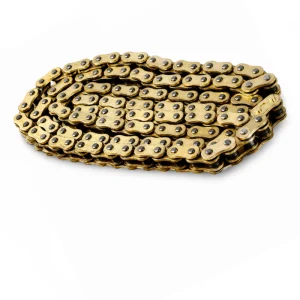
After assembly, the EP-530H chain passes through an anti-corrosion treatment stage. Standard versions receive a zinc phosphate conversion coat followed by oil impregnation to inhibit rust formation during storage and operation. For the popular black variant of this கருப்பு வலுவூட்டப்பட்ட மோட்டார் சைக்கிள் சங்கிலி, an additional black oxide or physical vapour deposition (PVD) coating is applied, providing both the visual finish and marginally enhanced corrosion resistance. The gold version receives a special surface treatment giving the தங்கத்தால் வலுவூட்டப்பட்ட மோட்டார் சைக்கிள் சங்கிலி its distinctive metallic appearance.
6. Cleaning, Lubrication, and Installation
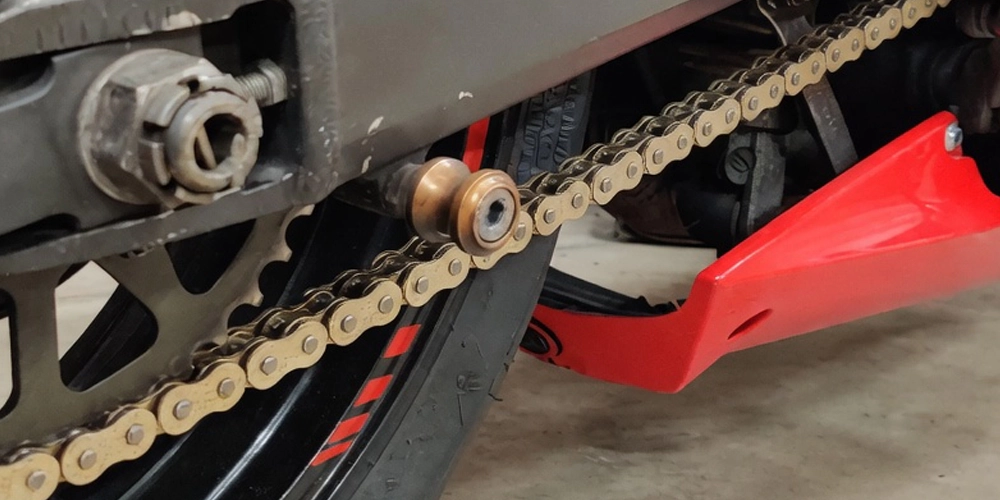
Cleaning the EP-530H Reinforced Motorcycle Chain: Proper cleaning extends service life significantly. Position the motorcycle on a centre stand or rear paddock stand so the rear wheel can rotate freely. Apply a dedicated motorcycle chain brush or a firm toothbrush with a quality chain cleaning solution to scrub all link surfaces while slowly rotating the wheel. Pay special attention to the inner faces of the link plates and the roller surfaces where grit accumulates most readily. Rinse thoroughly with clean water at low pressure — high-pressure washing can force water past seals and displace lubricant. Dry the chain completely with a clean cloth before applying any lubricant, as wet surfaces prevent lubricant adhesion and accelerate corrosion.
Lubrication: Apply a quality motorcycle-specific chain lubricant to the inner edge of the chain (the side facing the sprocket) while slowly rotating the rear wheel. This targets lubricant delivery directly to the pin-bush interface where it is most needed. Allow the lubricant to penetrate for several minutes before wiping away any excess from the outer surfaces. Excess lubricant flung onto the tyre or rear brake can create serious safety hazards. In Colombian riding conditions — particularly in warm, humid coastal areas or dusty interior highlands — a wax-based or dry lubricant minimises dust attraction while providing adequate film protection. A wet-type lubricant is preferable for frequent rain riding in the Andes or Pacific regions.
Installation Notes: Remove the old chain using a chain breaker tool, then thoroughly clean the swingarm and both sprockets. Thread the new EP-530H through the front sprocket first, then the rear, ensuring correct chain direction (consult the arrow markings on the chain if present). Adjust tension so there is 25–35 mm of free play at the midpoint of the lower run — exact figures vary by model, so check the owner's manual. Use a quality chain riveting tool when pressing the master link; a correctly peened rivet head is essential to prevent master link separation under load. Torque the axle nut to the manufacturer specification, recheck tension after the first 100 km, and apply fresh lubricant before the first ride.
7. பயன்பாட்டுச் சூழ்நிலைகள்
The EP-530H வலுவூட்டப்பட்ட மோட்டார் சைக்கிள் சங்கிலி covers a broad range of தனிப்பயன் மோட்டார் சைக்கிள் சங்கிலிகள் and OEM replacement situations. Below are the primary use cases where its characteristics deliver the most value.
Sport and Supersport Motorcycles
High-revving engines with aggressive power curves subject chains to repeated sharp tension spikes during acceleration and engine braking. The EP-530H Reinforced Motorcycle Chain's elevated tensile strength and hardened plates handle these loads without the rapid pitch elongation that shortens chain life on standard replacements. Riders running sport bikes on track days or spirited road riding in Colombia's mountain passes benefit directly from this durability.
Touring and Adventure Motorcycles
Long-distance touring bikes carry heavy loads of luggage and sometimes a passenger, significantly increasing average chain tension. The EP-530H Reinforced Motorcycle Chain's capacity and wear resistance make it well-suited to these sustained high-load conditions. Touring riders appreciate the reduced maintenance frequency — on an extended journey through South America, every checkpoint-free kilometre matters.
Cruisers and Custom Motorcycles
Cruiser platforms use large-displacement engines generating substantial low-end torque, which is transmitted in a series of sharp impulses through the drivetrain at low RPM. The reinforced plate geometry and larger pin cross-section of the EP-530H absorb these impulses without the flexing and wear acceleration seen with lighter chain specifications. The black and gold finish options make this chain a popular choice for aesthetically focused custom builds.
Off-Road and Dual-Sport Riding
Off-road riding exposes chains to dirt, mud, water, and sudden shock loads from drops and rough terrain. The EP-530H Reinforced Motorcycle Chain's corrosion-resistant surface treatment and robust plate geometry provide meaningful protection in these conditions. While dedicated off-road bikes typically use 520-series chains for weight savings, adventure and dual-sport machines that spend significant time on paved roads benefit from the durability of the 530H specification.
Workshop and Fleet Replacement
Motorcycle service centres handling multiple brands and models appreciate a motorcycle chains replacement product with broad application compatibility. The EP-530H Reinforced Motorcycle Chain's 530H pitch covers a large proportion of medium-to-large displacement inventory. Stocking this single SKU in standard, black, and gold variants satisfies the most common மாற்று வலுவூட்டப்பட்ட மோட்டார் சைக்கிள் சங்கிலி requests without maintaining an unwieldy parts inventory.
8. Applicable Standards and Regulatory Considerations
Motorcycle drivetrain components including மோட்டார் சைக்கிள் சங்கிலிகள் are subject to several layers of standards and regulations across different markets. Understanding these frameworks helps purchasers and workshops make compliant, safe product decisions.
Colombia — INVIMA and MINCIT Oversight
Colombia does not maintain a dedicated national standard for motorcycle chains specifically, but imported motorcycle components are subject to general product safety requirements administered by the Superintendencia de Industria y Comercio (SIC) and import regulations under DIAN. Road-use vehicles must comply with ICONTEC technical standards referenced in Resolución 4100 de 2004 (Ministerio de Transporte), which defines technical requirements for vehicles circulating on public roads. Workshop importers and distributors of மோட்டார் சைக்கிள் சங்கிலிகள் in Colombia should ensure products originate from manufacturers with documented quality management certification, particularly ISO 9001, to satisfy customs due-diligence and buyer confidence requirements.
ISO and International Standards
ISO 10823 provides guidance on the selection of roller chain drives including pitch compatibility, load ratings, and lubrication requirements applicable to motorcycle chain applications. DIN 8188 and ANSI/ASME B29.1 establish dimensional specifications for roller chains that form the engineering basis for the 530H designation. Manufacturers supplying compliant chains should be able to furnish test certificates verifying tensile strength, pitch accuracy, and roller dimensions against these standards. When sourcing மோட்டார் சைக்கிள் சங்கிலிகள் விற்பனைக்கு உள்ளன internationally, requesting ISO or DIN conformity documentation protects buyers against substandard products marketed deceptively as 530H specification.
European Union — CE and Road Safety Directives
For products distributed in EU markets, Regulation (EU) 168/2013 on the approval and market surveillance of two- or three-wheel vehicles defines the technical standards that affect drivetrain components. Replacement parts intended for road-registered motorcycles in the EU must not materially compromise the vehicle's compliance with its original type approval. While chains themselves are not individually CE-marked, importers and distributors operating within the EU carry responsibility for ensuring replacement parts do not introduce safety non-conformances. This is an important consideration for Latin American importers supplying the European touring and moto-travel community as well as regional export markets.
United States — FMVSS and NHTSA
The National Highway Traffic Safety Administration (NHTSA) does not prescribe specific chain performance standards in Federal Motor Vehicle Safety Standards for motorcycle chains as individual replacement parts. However, motorcycle manufacturers must certify their vehicles meet relevant FMVSS, which indirectly establishes design requirements for original equipment chains. Aftermarket replacement parts that represent a safety risk can be subject to NHTSA enforcement action. Distributors of best reinforced motorcycle chain products in the US market should document their supply chain quality controls to defend against potential liability claims under state consumer protection laws.
9. Matching EP-530H Chains with Motorcycle Chain Sprockets
ஒரு மோட்டார் சைக்கிள் சங்கிலிகள் மற்றும் பற்சக்கரங்கள் system works as a matched pair. Fitting a new 530H chain to worn sprockets — or vice versa — causes rapid wear of the new component as the worn tooth profiles force the chain into abnormal loading positions. The general rule is: always replace chain and sprockets together unless one or both are demonstrably new. When evaluating sprocket condition, look at tooth profile across the entire circumference. New sprocket teeth are symmetric and slightly rounded at the tip. Worn teeth develop a hooked or sharktooth profile on the drive side; this shape grabs chain rollers abnormally and shortens chain life dramatically even with a brand-new வலுவூட்டப்பட்ட மோட்டார் சைக்கிள் சங்கிலி.
Sprockets for 530H chains are available in steel (heavier, longer-lasting) and aluminium (lighter, shorter-lasting). For touring and cruiser applications where weight is less critical and longevity is paramount, steel sprockets are the correct choice. For sport and track applications prioritising unsprung weight reduction, aluminium rear sprockets offer meaningful advantages when paired with a steel countershaft sprocket. The EP-530H Reinforced Motorcycle Chain's compatibility extends across both material types — the precision roller geometry maintains correct tooth engagement regardless of sprocket material, provided the tooth profile matches the 530H pitch specification.
Sprocket tooth count selection governs overall gearing. Increasing rear sprocket tooth count lowers top speed but improves acceleration torque — useful in urban Colombian riding environments with frequent traffic. Reducing rear tooth count raises top speed at the cost of lower-speed responsiveness. Always consult application data or the motorcycle manufacturer's recommendation before altering sprocket ratios, as significant changes can push the chain into contact with the swingarm or move the axle adjustment range outside of its designed limits.
10. About Us
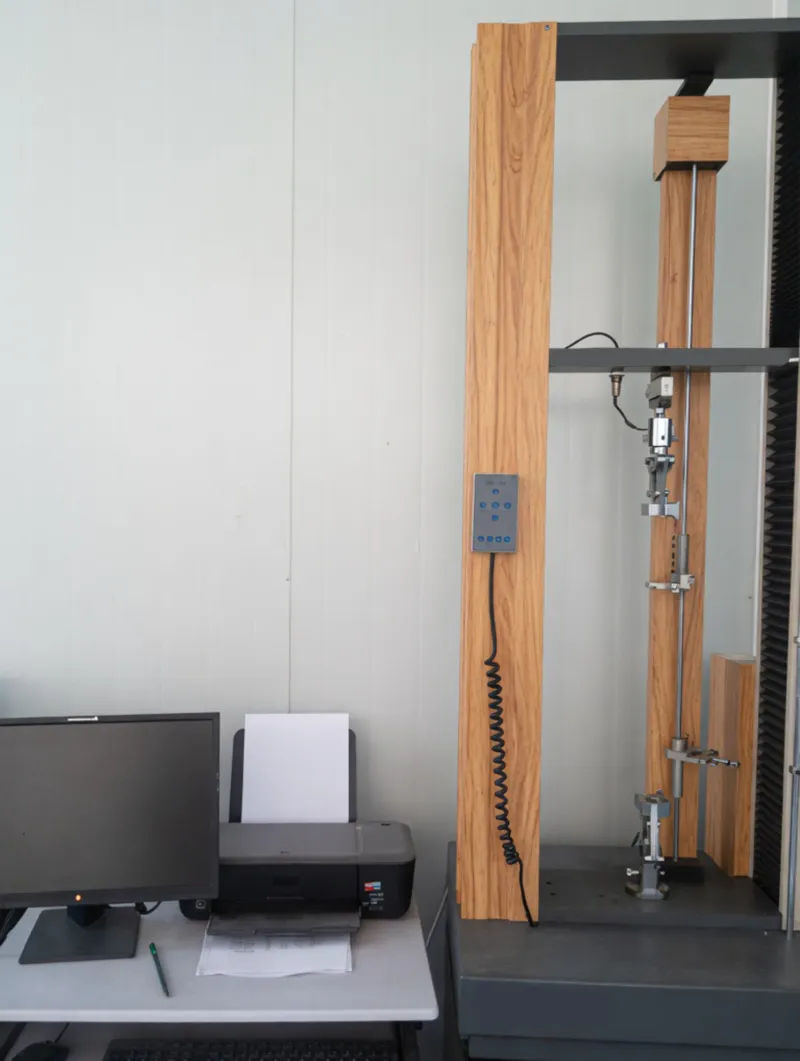
We are a specialist manufacturer of precision roller chain products, with our engineering and production focused entirely on delivering performance-grade motorcycle chains and industrial chains that meet or exceed international dimensional and strength standards. Our manufacturing operation centres on metallurgical control, precision cold-forming of link components, and systematic quality verification at every production stage.
We understand that a link reinforced motorcycle chain is not simply a commodity component: it is the single mechanical element that connects all of the engine's output to the rear wheel, and its failure means immediate loss of power at best and catastrophic drivetrain events at worst.
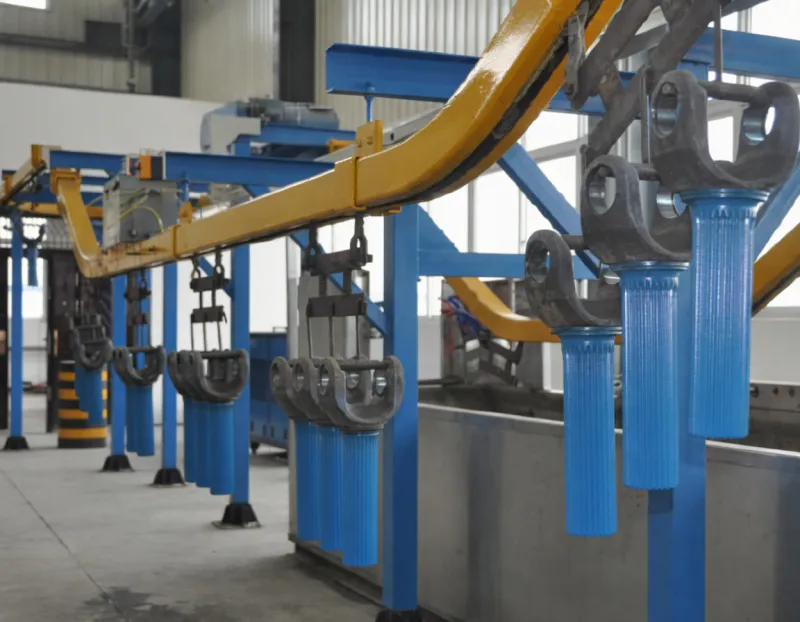
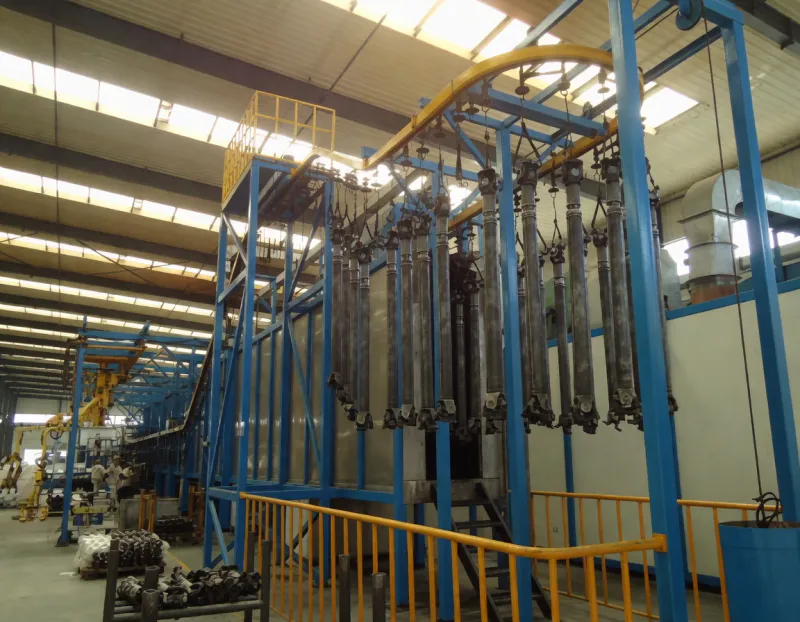
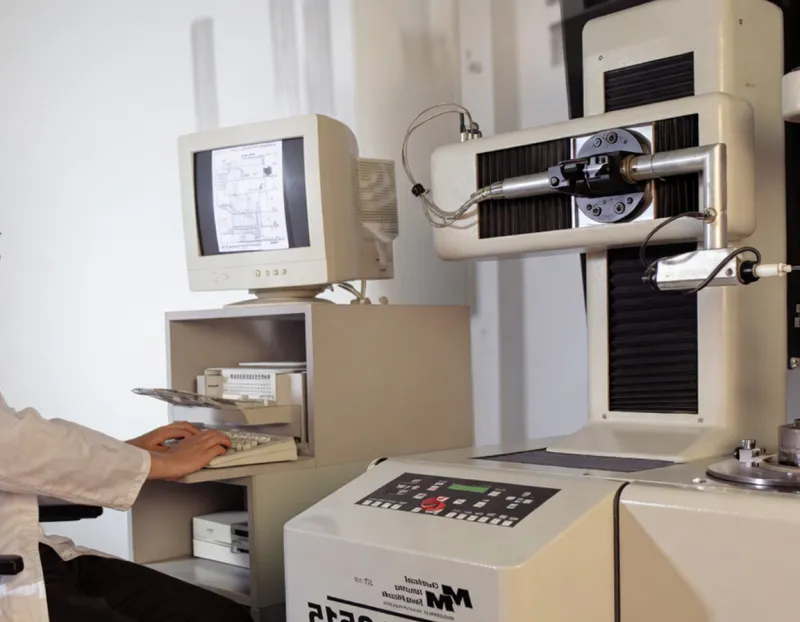
பட்டறை
11. Related Products — Complete Drivetrain Solutions
The EP-530H Reinforced Motorcycle Chain is part of a broader drivetrain system. We produce matching components designed and dimensioned for direct compatibility, giving customers a single-source option for the full power transmission assembly. Our one-stop approach simplifies procurement, ensures dimensional consistency across mating parts, and gives workshops a unified warranty contact point for the entire drivetrain.
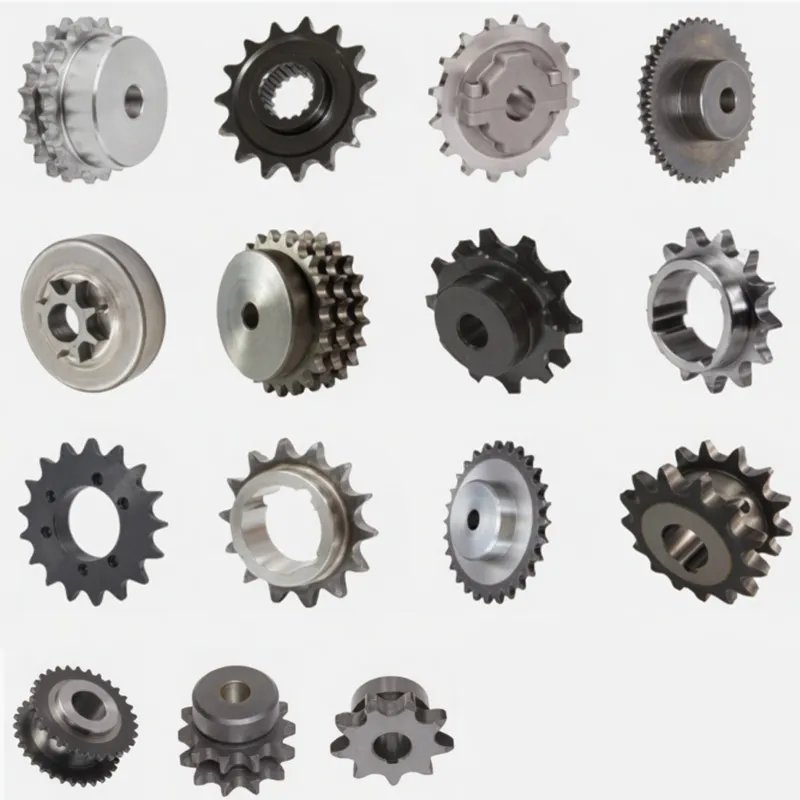
ஸ்ப்ராக்கெட்டுகள் for Motorcycle Chain Systems
Our sprocket range covers front countershaft and rear wheel sprockets in both steel and aluminium across all standard motorcycle pitches including 530H. Each sprocket is machined to tight tooth profile tolerances and hardness-treated to achieve a long service life when paired with the EP-530H chain. Correct tooth geometry ensures smooth chain engagement, reduces noise, and prevents premature wear of both chain and sprocket.
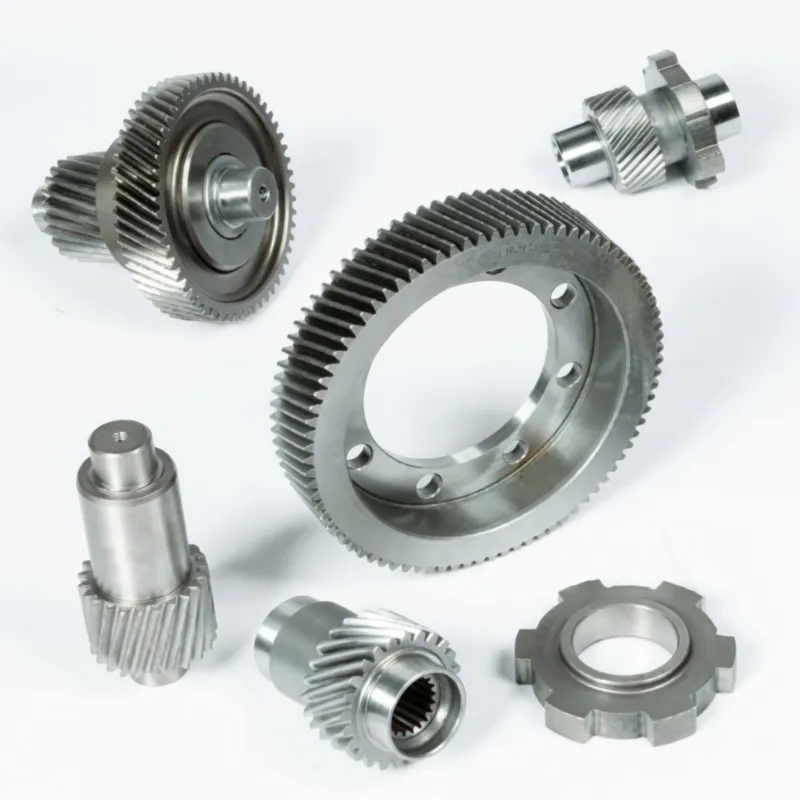
கியர்கள் and Transmission Components
Beyond the external chain drive, we supply internal transmission gears and related power transmission components for automotive and motorcycle applications. Our gear products are precision-hobbed or -ground to ISO and AGMA accuracy grades and are available in a range of materials and tooth profiles. When upgrading or rebuilding a complete drivetrain, having chain, sprocket, and gearbox components from a single engineering-aligned supplier simplifies specification and quality accountability.
அடிக்கடி கேட்கப்படும் கேள்விகள்
Q1. What makes the EP-530H a better reinforced motorcycle chain than standard 530 replacements for Colombian riding conditions? ▾
Q2. What type of motorcycle chain is best for high-torque cruisers and touring bikes used in South American long-distance riding? ▾
Q3. Are motorcycle chains universal, or does every bike require a specific size reinforced motorcycle chain? ▾
Q4. What is the best motorcycle chain brush and cleaning technique for keeping a reinforced motorcycle chain in good condition? ▾
Q5. How do I tell what motorcycle chain I have when the original markings are worn and I need an exact replacement reinforced motorcycle chain? ▾
பதிப்பாசிரியர்: PXY