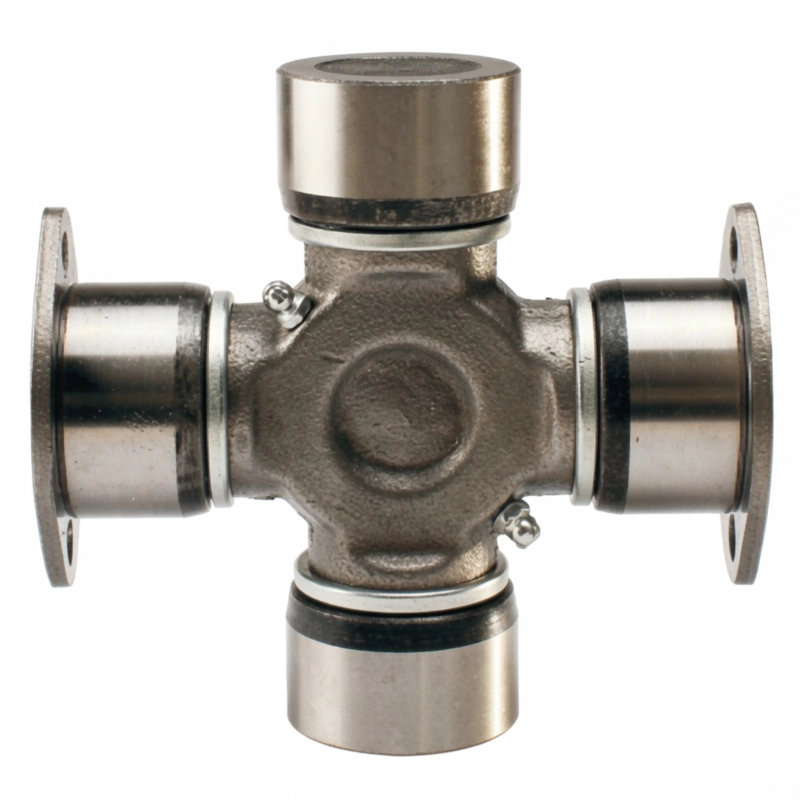
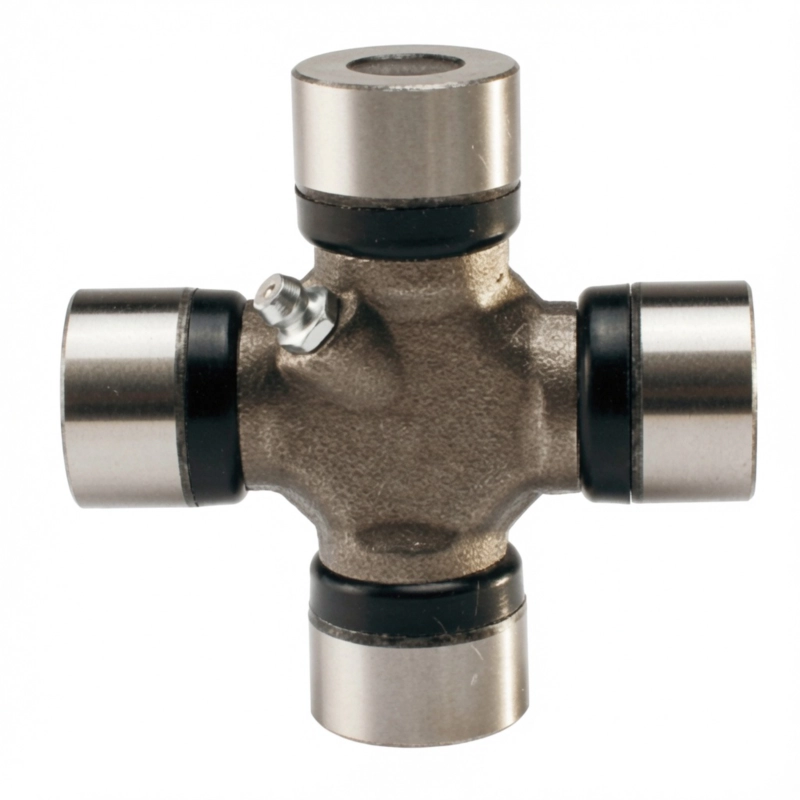
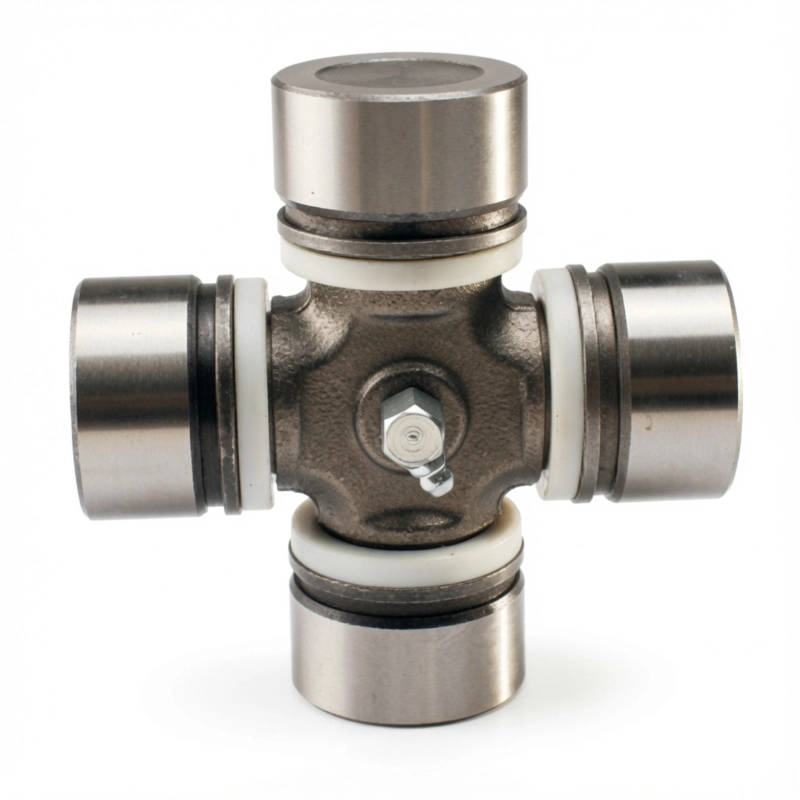
Joint universel pour véhicules indiens série EP-XSJ
EP-XSJ Series indian vehicles u-joints are specially engineered for Indian market vehicles, classified into FIG A/B/D types with complete XSJ part numbers. All products have standardized dimensional specs covering D, O and L parameters ranging from D=22.03~49.2mm, O=35.2~69mm, L=61.4~154.755mm per original datasheet. Precision-manufactured to match Indian domestic vehicle mounting standards, these robust U-joints deliver stable angular power transmission and serve as ideal aftermarket replacement spare parts for mainstream Indian automobile models.
EP-XSJ Series
Joint universel pour véhicules indiens
Indian Vehicles U-Joint | XSJ Series | OEM Cross Reference Available
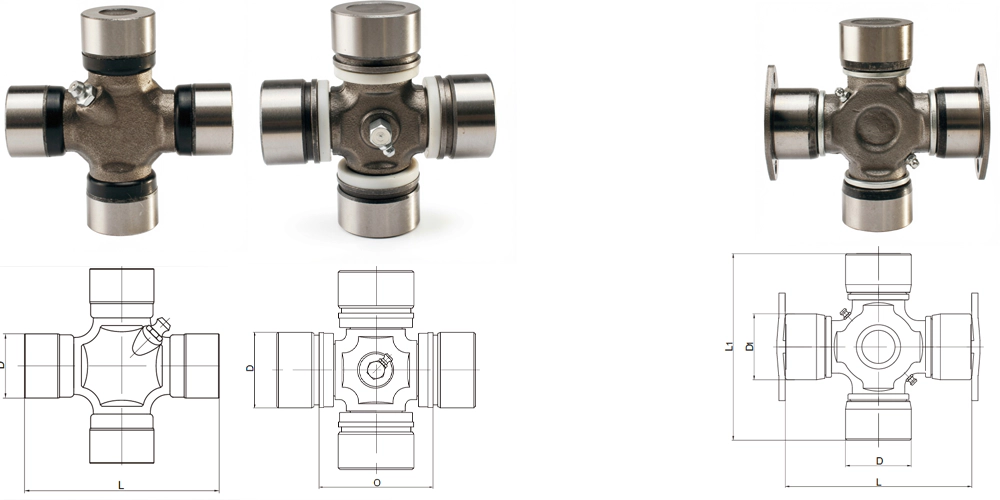
1. EP-XSJ Series — Indian Vehicles U-Joint Dimensional Specifications
The table below provides the complete dimensional reference for the EP-XSJ Indian Vehicles U-Joint series — each indian vehicles u-joint part number listed with its corresponding cross-journal outer diameter, cup outer diameter, and assembled length. FIG refers to the cross-section type (A, B, or D) of each indian vehicles u-joint; Part No. is the XSJ series reference number; D is the cross-journal outer diameter (mm); O is the cup outer diameter (mm) where applicable; L is the overall assembled length (mm) where applicable. Use these dimensions to confirm fitment against your vehicle's driveshaft yoke bore and snap-ring groove specifications before ordering.
| FIGUE | Numéro de pièce | D (mm) | O (mm) | L (mm) |
|---|---|---|---|---|
| UN | XSJ-4050B | 22.03 | 55 | — |
| UN | XSJ-4018 | 23.83 | — | 61.4 |
| B | XSJ-4050A | 23.84 | 35.2 | — |
| B | XSJ-4203A | 25 | 40.2 | — |
| UN | XSJ-127 | 25 | — | 63.8 |
| UN | XSJ-4009 | 27 | — | 81.8 |
| B | XSJ-124 | 29.03 | 46.06 | — |
| B | XSJ-145 | 29.03 | 50.2 | — |
| UN | XSJ-4036 | 30 | — | 81.7 |
| UN | XSJ-4081 | 30 | — | 81.5 |
| UN | XSJ-4153 | 30.169 | — | 92 |
| UN | XSJ-4131 | 30.17 | — | 106.35 |
| UN | XSJ-4036A | 30.188 | — | 106.35 |
| UN | XSJ-4104 | 34.93 | — | 126.22 |
| B | XSJ-4050 | 38 | 56.8 | — |
| UN | XSJ-4060 | 39.67 | — | 116 |
| UN | XSJ-4104G | 41.28 | — | 126 |
| UN | XSJ-4054AP | 42 | — | 120 |
| UN | XSJ-4054BP | 42 | — | 129.8 |
| B | XSJ-4054 | 46.04 | 69 | — |
| B | XSJ-4054P | 46.04 | 69 | — |
| UN | XSJ-4058 | 48 | — | 134.8 |
| UN | XSJ-4058A | 48 | — | 135.2 |
| D | XSJ-280 | 49.2 | — | 154.755 |
All dimensions in mm. D = Cross-journal outer diameter; O = Cup outer diameter; L = Overall assembled length; "—" = not applicable for this variant. FIG A/B/D indicates cross-section profile type.
2. What Is an Indian Vehicles U-Joint?
The EP-XSJ Series Indian Vehicles U-Joint is a precision-manufactured universal joint designed specifically to match the dimensional and performance requirements of Indian-market vehicles — including commercial trucks, utility vans, three-wheelers, passenger cars, and agricultural machinery produced or widely operated across South Asia and throughout Latin American fleets where Indian vehicle platforms are common. A universal joint, also referred to as a u-joint coupling or Cardan joint, is a mechanical linkage that transmits rotational torque between two shafts that are not perfectly aligned, allowing the driveshaft to operate across a range of angles without interrupting power flow.
The universal joint in vehicles plays a central role in the driveline: it connects the transmission output to the rear axle (or front differential) through the propeller shaft, accommodating the constant variation in shaft angle that results from suspension travel and load changes. In Indian vehicle platforms — where driveshaft geometry is often dictated by high-clearance chassis and varying load configurations — a correctly sized and properly maintained u-joint is essential for vibration-free, reliable operation. The EP-XSJ series indian vehicles u-joint covers a comprehensive dimensional range, from compact D22.03 mm cross journals up to D49.2 mm heavy-duty configurations, making it one of the broadest Indian vehicles universal joint catalogues commercially available for the Latin American aftermarket.
Whether you are maintaining a Tata, Ashok Leyland, Mahindra, or equivalent Indian platform operating in Colombia's transport sector, the EP-XSJ series provides the correct cross journal dimensions, OEM part number cross-reference capability, and material quality needed to restore driveline integrity quickly and cost-effectively.
3. Five Key Product Advantages of indian vehicles u-joint
Dedicated Indian Vehicle OEM Fitment
Every part number in the XSJ series is cross-referenced to specific Indian vehicle platforms. Buyers and workshop technicians in Colombia and across Latin America can confidently select the correct universal joint for vehicles they service without time-consuming dimensional trial-and-error, reducing downtime on commercial fleets significantly.
Wide Dimensional Range — D22 to D49.2 mm
The series spans twenty-three distinct part numbers covering cross-journal diameters from 22.03 mm to 49.2 mm and overall lengths up to 154.755 mm. This breadth means a single supplier relationship covers light three-wheelers through heavy commercial truck universal joint applications, simplifying procurement for fleet workshops and distributors.
Construction en acier allié de haute qualité
The cross-journal body is machined from case-hardened alloy steel, delivering a surface hardness profile that resists wear at the needle roller bearing contact zone while maintaining a tough core against shock loading. This material specification is particularly important in the demanding operating conditions of Colombian mountain roads and unpaved agricultural tracks where u-joint failure rates are higher.
Grease-Nipple & Sealed Variants
Depending on the application profile, XSJ series u-joints are available in both greaseable (nipple-type) and factory-sealed configurations. Greaseable variants allow extended service intervals when properly maintained — a practical advantage in fleet operations where access to periodic lubrication is feasible — while sealed types reduce maintenance dependency in applications where service access is limited.
Universal Joint Standard Sizes Compliance
Dimensional tolerances across the EP-XSJ indian vehicles u-joint range conform to recognized international universal joint standard sizes, ensuring compatibility not only with original Indian vehicle yoke geometry but also with aftermarket driveshaft components. This standards-based approach supports universal joint replacement confidence without requiring OEM-sourced counterparts.
4. Principe de fonctionnement du joint universel
To understand what a universal joint does on a car or truck, it helps to consider the geometry of a live-axle or independent suspension driveline. The engine and transmission are mounted longitudinally in the chassis at a fixed height, while the driven axle moves up and down with suspension travel. Because these two points cannot remain rigidly connected across that range of motion, a flexible coupling is needed — and that is exactly what a universal joint provides.
At the heart of every u-joint is a cross-shaped forging — the cross journal — fitted with four trunnion journals, each running in a bearing cup packed with needle rollers. Two of these cups seat in the driving yoke, and the opposing two mount in the driven yoke. As the driveshaft rotates, the cross journal pivots continuously within both yoke pairs simultaneously, transmitting torque through any angular offset between the two shaft axes. For small operating angles typical of highway driving (2°–6°), a single universal joint operates smoothly. At larger angles, a double-cardan or two-joint arrangement with a centering socket is used to cancel the inherent velocity variation (second-order speed fluctuation) that a single straight bevel u-joint would otherwise introduce.
Symptoms of a bad universal joint typically include a clunking noise during engagement or deceleration, vibration felt through the floorboard at highway speeds, and squeaking during low-speed turning — all of which are caused by worn needle bearings or a seized cross journal trunnion. Understanding universal joint in car maintenance intervals and replacing worn components before complete failure prevents secondary damage to the driveshaft tube, companion flanges, and differential pinion seal — an important consideration for fleet operators managing vehicle life-cycle costs in the Colombian logistics and transport sector.
5. Material Construction & Surface Treatment
Each indian vehicles u-joint in the EP-XSJ series has its cross-journal body precision-forged from 20CrMnTi alloy steel — a case-hardening grade commonly specified for high-contact-stress automotive components across Chinese, Indian, and international OEM production. The forging process aligns the metal grain structure with the trunnion geometry, providing superior fatigue resistance compared to bar-turned blanks. After rough machining, each cross is subjected to case-carburizing heat treatment, typically to a case depth of 0.8–1.2 mm, achieving surface hardness of 58–64 HRC while retaining a tough 35–45 HRC core that can withstand shock and torsional overloading during emergency braking or off-road impacts.
Bearing cups are manufactured from 20Cr steel and are through-hardened for uniform bearing surface hardness. Each cup bore is precision-ground to H7 tolerance, ensuring that the press-fit into the yoke ear bore meets the interference specification required to prevent cup rotation — a failure mode that quickly destroys yoke material and makes the entire driveshaft assembly unserviceable. Needle rollers are through-hardened chromium steel, conforming to standard bearing dimensions for the relevant trunnion journal diameter.
Sealing is provided by a grease-retaining lip seal at each cup face, preventing lubricant migration and excluding water and abrasive contaminants from the needle roller contact zone. This is particularly important for Indian vehicle universal joint applications in Colombia's wet highland climates and unpaved rural roads where contamination ingress is a primary cause of premature u-joint failure. Where stainless steel or specialty corrosion-resistant variants are required for marine or chemical-environment applications, custom configurations can be discussed with the technical sales team.
6. Indian Vehicles U-Joint Application Scenarios
The EP-XSJ indian vehicles u-joint series serves a broad spectrum of vehicle types and industrial uses. Below are representative application contexts — each placing distinct demands on the u-joint in terms of torque, operating angle, speed, and environmental exposure.
▶ Commercial Trucks & Light Duty Vehicles
Medium and heavy commercial trucks based on Indian platforms — widely operated in Colombia's freight, construction, and municipal service sectors — use universal joint shaft assemblies at the propeller shaft front and rear joints. The XSJ-4054 through XSJ-280 range (D46–D49 mm) covers the larger trunnion sizes required for these high-torque drivelines, particularly in 4×4 and multi-axle configurations used in the Andes region.
▶ Three-Wheeler & Light Passenger Vehicles
Three-wheelers and compact passenger vehicles operating on Indian platforms in urban Colombian environments use smaller-diameter indian vehicles u-joint cross journals. The XSJ-4050B and XSJ-4018 (D22–D23.83 mm) represent the compact end of the XSJ range, appropriate for these lower-torque, higher-speed drivelines where packaging space is limited and precise dimensional matching to the vehicle's existing yoke geometry is critical.
▶ Steering Column Universal Joint
Certain XSJ variants serve as steering universal joint components, linking the steering column to the rack-and-pinion or recirculating ball steering gear through angular changes imposed by dashboard packaging and firewall routing. The steering column universal joint must transmit precise, low-play motion — any wear-induced backlash translates directly to imprecise steering feel — making dimensional accuracy and proper preload critical selection factors.
▶ Agricultural & Off-Road Equipment
Indian-manufactured tractors and multi-purpose agricultural vehicles operating in Colombia's Llanos, Cauca Valley, and Nariño agricultural regions subject the indian vehicles u-joint driveline components to significant angular misalignment, shock loads, and contamination. Universal joint in vehicles operating in these environments benefit from the XSJ series indian vehicles u-joint' robust case-hardened trunnions and sealed bearing cups, which extend replacement intervals compared to cheaper unbranded alternatives.
▶ Industrial Shaft Coupling Applications
Beyond automotive use, the u-joint coupling principle is applied in industrial machinery — pump drives, conveyor head drives, and agricultural power take-off (PTO) shafts — wherever a u-joint coupling between a power source and a driven unit must accommodate angular misalignment in a compact, maintainable package. The mid-range XSJ sizes indian vehicles u-joint (D30–D42 mm) are well-suited to light industrial drive applications encountered in Colombian manufacturing and agro-industrial facilities.
▶ Universal Joint Truck & Bus Drivelines
Heavy urban transit buses and intercity coaches built on Indian chassis platforms — a segment growing in several Colombian cities through SITP and regional transport reform programs — require universal joint truck-grade components capable of handling continuous high-duty-cycle operation. The XSJ-4104, XSJ-4058, and XSJ-280 indian vehicles u-joint sizes address these demanding applications, providing the trunnion area and bearing capacity appropriate for loaded-weight torque levels experienced on mountain highway routes.
7. Conformité réglementaire — Colombie et normes internationales
Driveline components including universal joints are subject to vehicle roadworthiness, safety, and environmental regulations across the markets where they are used. The following framework is relevant for buyers and workshop operators in Colombia and internationally:
Colombia — Ministerio de Transporte & ICONTEC: Colombia's vehicle technical inspection system (Revisión Técnico-Mecánica, RTM) — governed by Decreto 2085 de 2019 and operated by authorized inspection centers — evaluates driveline integrity as part of the mandatory periodic roadworthiness check for commercial and passenger vehicles. A worn or defective indian vehicles u-joint may cause a vehicle to fail RTM inspection, particularly if it produces detectable vibration under the inspection protocol. Workshops performing driveline repairs must ensure replacement parts meet dimensional and metallurgical adequacy for the rated GVW of the vehicle.
India — AIS (Automotive Industry Standard) & BIS: Indian vehicles exported to Latin America are originally engineered against AIS standards published by the Automotive Research Association of India (ARAI). Universal joint components fitted to these platforms are expected to conform to IS 2693 (universal joints for automobiles) and relevant dimensional standards managed by the Bureau of Indian Standards (BIS). The EP-XSJ series indian vehicles u-joint is designed to meet the dimensional requirements cross-referenced in these standards.
European Union — EC Directive 2007/46/EC (Whole Vehicle Type Approval): For vehicles exported to or sold in EU member states, driveline component integrity falls under the scope of whole-vehicle type approval. Replacement parts used in EU-registered vehicles should conform to the dimensional and material requirements specified in the original type approval documentation or be equivalent to OEM components.
ISO & SAE Standards: ISO 8667 covers dimensions and tolerances for universal joints used in motor vehicles, while SAE J901 provides performance test procedures for driveline universal joints. Adherence to these international standards supports compatibility verification and provides a common technical language between suppliers, OEMs, and vehicle operators across different markets.
8. Complete Your Driveline — Related Products
An indian vehicles u-joint is one element in a broader driveline system. To deliver a complete, reliable solution, we also supply the Wheel Hub units and axle components that work in direct conjunction with the propeller shaft and u-joint assembly. Sourcing these interconnected parts from a single supplier ensures dimensional compatibility, matched material grades, and simplified logistics — a one-stop supply advantage for fleet managers and distributors across Colombia and Latin America.
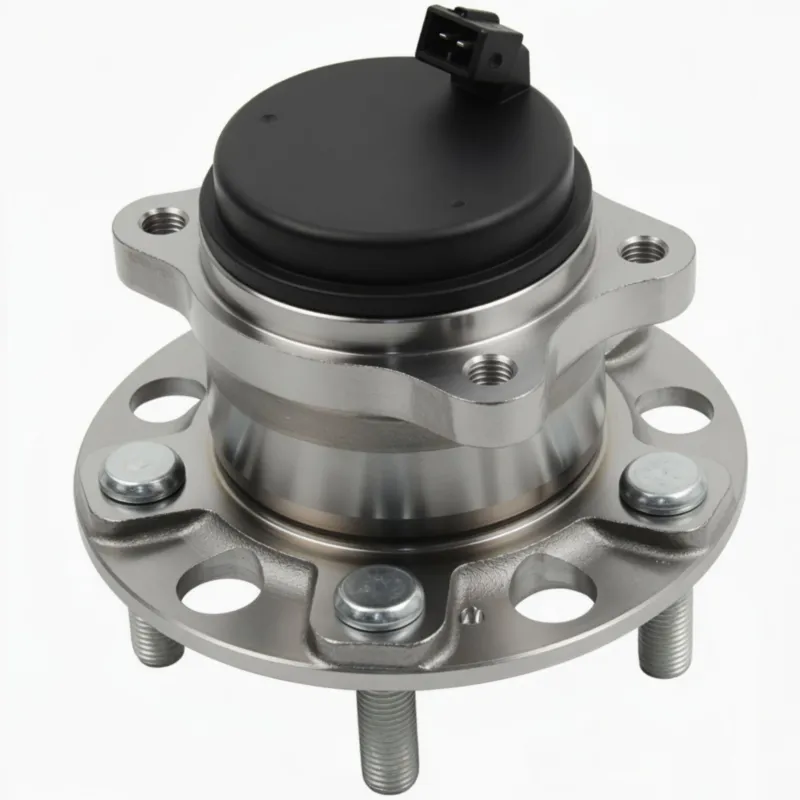
Unités de moyeu de roue
Wheel hub assemblies connect the driven axle shaft to the wheel — they work immediately downstream of the driveshaft and u-joint in the power transmission path. A matched-quality wheel hub unit reduces the risk of interface wear between the axle spline, hub bore, and wheel mounting face.
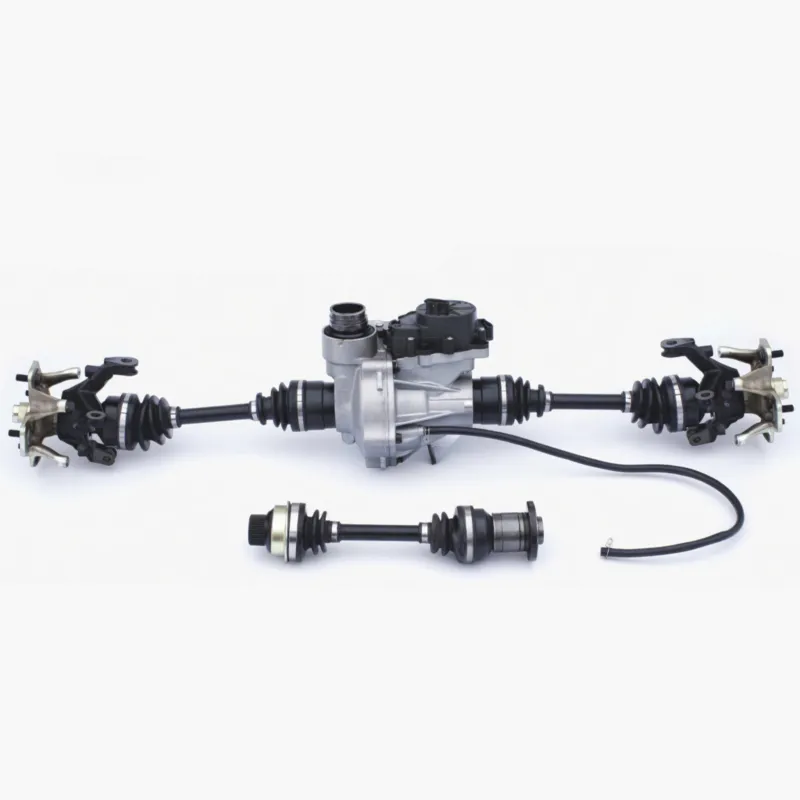
Essieux
Drive axles — including rear axle shafts and front CV axles — complete the power delivery chain from u-joint output to wheel hub. Correctly matched axle dimensions and material grades ensure that the torque capacity of the axle shaft is never the weak link in a system where the u-joint has been upgraded or replaced with a new XSJ series part.
9. À propos de nous
We are a specialist manufacturer and global distributor of precision automotive driveline and transmission components, with particular depth in universal joint for vehicles across Asian, European, and American vehicle platforms. Our product portfolio spans the complete driveline — from steering universal joint and propeller shaft u-joints through to wheel hub units, axle shafts, and bearing assemblies. The EP-XSJ indian vehicles u-joint series represents one segment of our broader catalogue, developed specifically to serve the growing aftermarket demand from countries where Indian commercial and passenger vehicles are a significant part of the registered fleet.
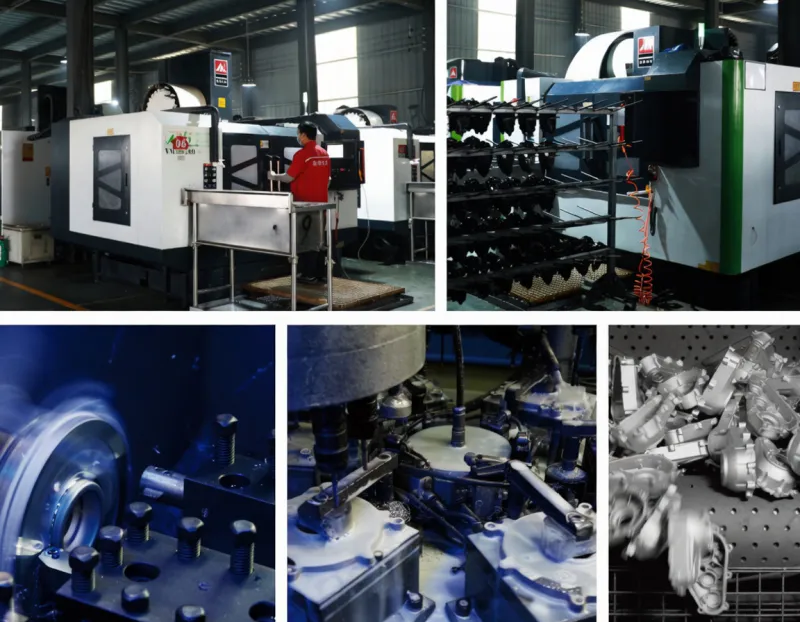
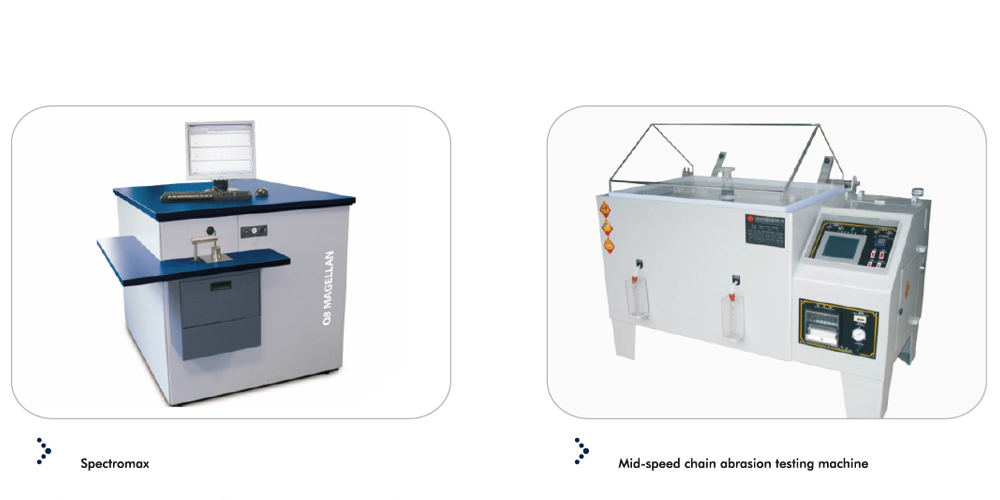
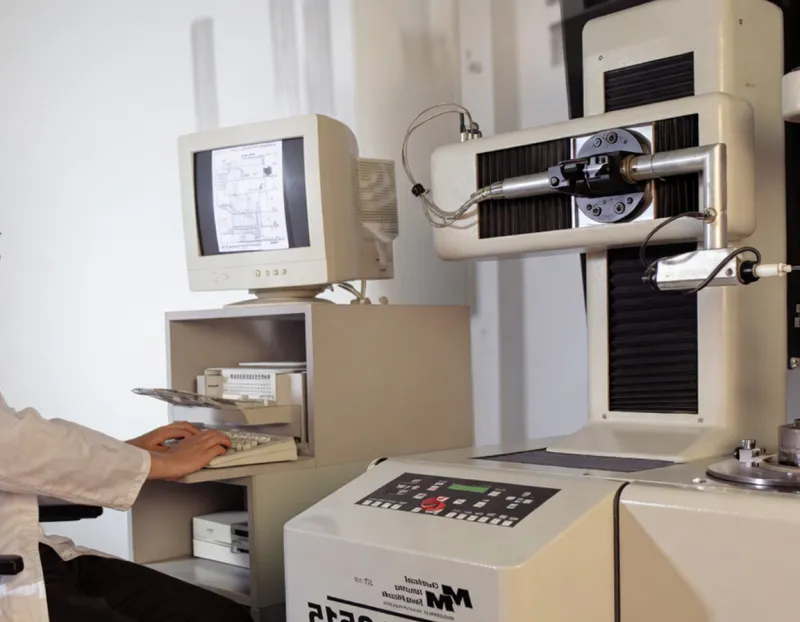
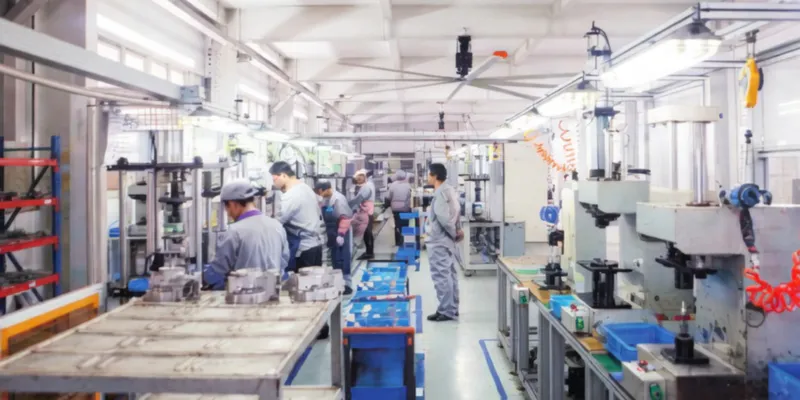
Our manufacturing facility operates forging presses, CNC lathes, cylindrical grinding machines, and heat treatment lines capable of handling the full production sequence for universal joint cross journals and bearing cups in-house. Every lot is inspected dimensionally against master gauges, and hardness spot-checks are performed on each heat treatment batch to verify case depth and surface hardness conformance before parts are released to finished goods.
Atelier
Foire aux questions
Éditeur : PXY