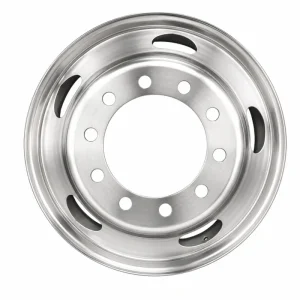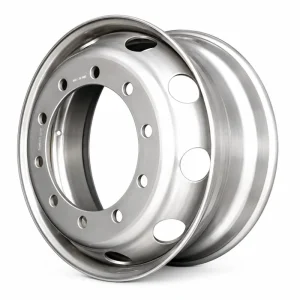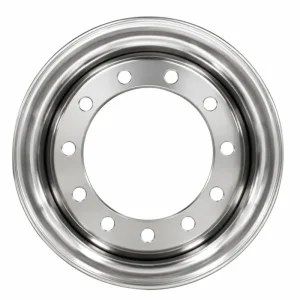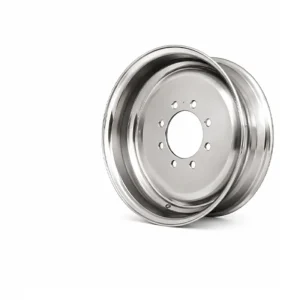
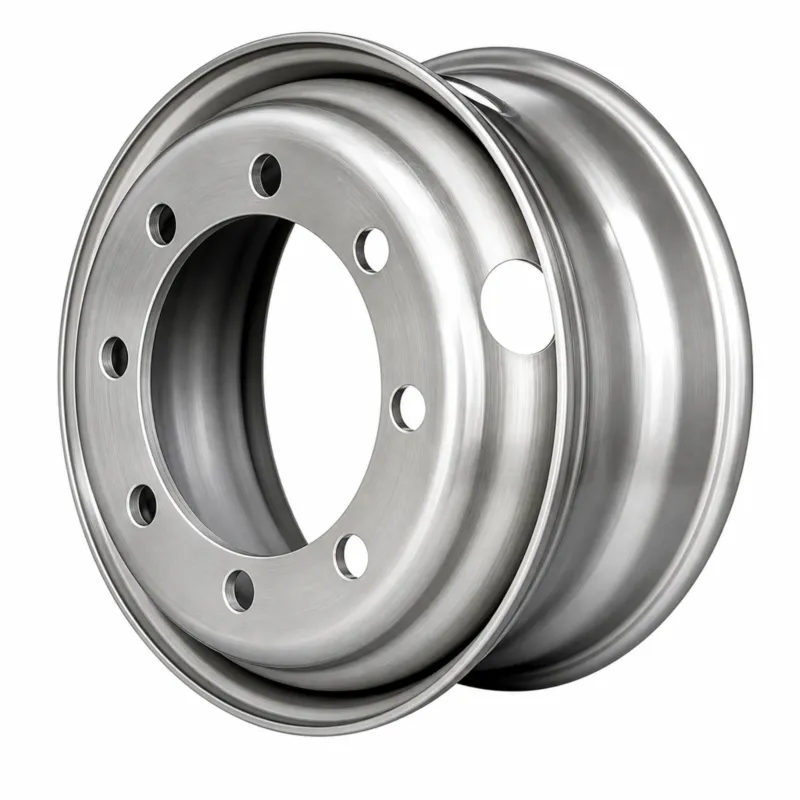
چرخ تریلر کامیون و کامیون سنگین EP برای ژاپن
سری چرخهای کامیونهای سنگین EP و تریلر ما برای ژاپن، از طریق فرآیند تولیدی برگرفته از دقیقترین استانداردهای بازار خودروهای تجاری ژاپن - یکی از دقیقترین مشخصات فنی چرخ در صنعت حمل و نقل جهانی - به هر یک از این نیازها پاسخ میدهد.
تولیدکنندگان خودروهای سنگین ژاپنی مانند هینو، ایسوزو، میتسوبیشی فوسو و نیسان دیزل مدتهاست که استانداردهای معیاری را برای هندسه رابط چرخ تعیین کردهاند و تلرانسهای دقیقی را برای PCD، قطر سوراخ مرکزی، افست و ابعاد سوراخ پیچ تعیین میکنند تا از قرارگیری دقیق توپی و توزیع یکنواخت بار در تمام نقاط نصب اطمینان حاصل شود. سری چرخهای تریلر کامیون EP ژاپن دارای این مشخصات ابعادی دقیق هستند و این چرخها را بدون نیاز به سختافزار آداپتور یا تنظیمات توپی اصلاحشده، مستقیماً برای وسایل نقلیهای که تحت استانداردهای JIS ژاپن کار میکنند، مناسب میکنند.
دو دسته اصلی از اندازهها، هسته اصلی بازار کامیونهای سنگین ژاپن را پوشش میدهند: عرض رینگ ۲۲.۵×۷.۵ برای کاربردهای محور فرمان و محور عقب سبکتر، و عرض عریضتر ۲۲.۵×۸.۲۵ برای موقعیتهای محور محرک و تریلر که در آنها عرض مقطع تایر پهنتر مشخص شده است.
۱. مشخصات فنی — چرخ تریلر کامیونهای سنگین بازار ژاپن EP
جدول زیر طیف کامل چرخهای تریلر کامیونهای سنگین با مشخصات EP ژاپن را پوشش میدهد، که شامل اندازههای رینگ ۲۲.۵×۷.۵ و ۲۲.۵×۸.۲۵ در تمام پیکربندیهای موجود برای دور پیچ، موقعیتیابی و سوراخ مرکزی میشود. تمام دادههای ابعادی بر حسب میلیمتر ارائه شدهاند، مگر اینکه خلاف آن ذکر شده باشد.
| شماره قطعه | اندازه | تعداد پیچ | PCD (میلیمتر) | قطر پیچ (میلیمتر) | قطر سوراخ مرکزی (میلیمتر) | افست (میلیمتر) | سوراخ تهویه | خلبانی شده |
|---|---|---|---|---|---|---|---|---|
| JG52SW15 | ۲۲.۵×۷.۵ | 10 | 335 | 26 | 281 | 165 | 10 | هاب |
| JG52SW16 | ۲۲.۵×۷.۵ | 10 | 335 | 32.5 | 281 | 165 | 10 | گل میخ |
| JG52SW03 | ۲۲.۵×۷.۵ | 10 | 335 | 26 | 281 | 168 | 10 | هاب |
| JG52SW08 | ۲۲.۵×۷.۵ | 10 | 285.75 | 26 | 220 | 168 | 2 | هاب |
| JG52SW06 | ۲۲.۵×۷.۵ | 10 | 285.75 | 32.5 | 221 | 165 | 10 | گل میخ |
| JG28SW36 | ۲۲.۵×۸.۲۵ | 10 | 285.75 | 26 | 220 | 166 | 2 | هاب |
| JG28SW53 | ۲۲.۵×۸.۲۵ | 10 | 285.75 | 26 | 220 | 168 | 10 | هاب |
| JG28SW09 | ۲۲.۵×۸.۲۵ | 10 | 285.75 | 32.5 | 221 | 168 | 5 | گل میخ |
| JG28SW10 | ۲۲.۵×۸.۲۵ | 10 | 285.75 | 32.5 | 221 | 168 | 10 | گل میخ |
| JG28SW30 | ۲۲.۵×۸.۲۵ | 10 | 335 | 26 | 281 | 165 | 10 | هاب |
| JG28SW77 | ۲۲.۵×۸.۲۵ | 8 | 275 | 26 | 221 | 165 | 8 | هاب |
| JG28SW78 | ۲۲.۵×۸.۲۵ | 8 | 275 | 32.5 | 214 | 165 | 8 | گل میخ |
توجه: همه ابعاد به میلیمتر هستند. HUB = محور مرکزی با هدایت توپی؛ STUD = محور مرکزی با هدایت گلمیخ. قبل از سفارش، شماره قطعه و سیستم هدایت را با دفترچه راهنمای کارگاه خودرو مطابقت دهید تا از نصب صحیح روی خودروهای تجاری ژاپنی ثبت شده در کلمبیا اطمینان حاصل شود.
2. پنج مزیت کلیدی چرخ تریلر کامیون EP Japan-Spec
دقت ابعادی مطابق با JIS
هر چرخ تریلر کامیون در سری EP ژاپن، چرخ تریلر کامیون، طبق استانداردهای ابعادی برگرفته از استانداردهای صنعتی ژاپن (JIS D 4218) ساخته میشود، از جمله تلرانس PCD در محدوده ±0.1 میلیمتر، دقت قطر سوراخ مرکزی در محدوده ±0.05 میلیمتر، و مشخصات انحراف که چرخش روان و بدون لرزش را از اولین نصب تضمین میکند. این دقت ابعادی، تنظیمات شیمینگ و چرخههای گشتاور مجدد ناشی از چرخهای نامناسب را از بین میبرد - مسائلی که در سرازیریهای تند آند کلمبیا که دمای ترمز بالا است و یکپارچگی بست چرخ بسیار مهم است، به نگرانیهای ایمنی تبدیل میشوند.
در دسترس بودن سیستم موقعیتیابی دوگانه
سری EP هر دو نوع چرخ کامیون با سیستم هدایت توپی (HUB-piloted) و با سیستم هدایت گلمیخ (STUD-piloted) را در یک خانواده با اندازه یکسان عرضه میکند و به مدیران ناوگان اجازه میدهد تا ضمن تطبیق سیستمهای مختلف مرکزدهی توپی مورد استفاده در نسلهای مختلف کامیونهای ژاپنی، رابطه خود را با تأمینکننده واحد حفظ کنند. طرحهای با سیستم هدایت توپی، چرخ را در مرکز سوراخ مرکزی ماشینکاری شده دقیق قرار میدهند، در حالی که انواع با سیستم هدایت گلمیخی برای مرکزدهی به مخروط مهره چرخ متکی هستند. تطبیق صحیح سیستم موقعیتیابی یک جزئیات نیست - این امر مستقیماً بر تقسیم بار در سراسر دایره پیچ تأثیر میگذارد و یک الزام ایمنی اساسی برای نصب چرخ تریلر کامیونهای سنگین است.
ساخت رینگ رول فرمینگ شده برای کاهش وزن
The EP truck trailer wheel utilizes rim flow forming technology that thins the rim wall sections progressively while preserving full strength at the bead seat — the highest-stress zone of the wheel. This process reduces individual truck wheel weight by up to fifteen percent compared to conventional pressing methods, directly benefiting payload capacity within Colombian gross vehicle weight limits and reducing unsprung mass for improved ride and handling. For operators running truck and trailer wheel combinations over Colombia's mixed road surfaces, lighter wheels translate to measurably reduced fuel consumption over annual distance targets.
فولاد با استحکام بالا برای پروفیلهای بار مورد نیاز
اجزای دیسک و طوقه چرخ از گریدهای پیشرفته فولاد با استحکام بالا استفاده میکنند که یکپارچگی ساختاری را تحت بارگذاری چرخهای مداوم محور تریلر تحت بار حفظ میکنند. انتخاب مواد، تعادل بین استحکام تسلیم - که مقاومت در برابر تغییر شکل دائمی تحت بار اضافی را کنترل میکند - و شکلپذیری را هدف قرار میدهد، که به چرخ اجازه میدهد انرژی ضربه را از موانع جادهای بدون شکستگی شکننده جذب کند. چرخهای تریلر کامیونهای سنگین که در جادههای کلمبیا، که میتواند شامل سطوح ضعیف نگهداری شده و گذرگاههای رودخانهای دستساز در مناطق معدنی و کشاورزی باشد، کار میکنند، به ویژه از این حاشیه استحکام مواد بهرهمند میشوند.
محافظت جامع در برابر خوردگی برای عملیات در مناطق گرمسیری
Colombia's coastal port cities, humid Amazon basin transport routes, and high-rainfall Andean passes present a persistent corrosion challenge for steel truck wheels. The EP-Truck Trailer Wheel series applies a multi-stage surface treatment process — shot blasting for surface preparation, phosphating for adhesion promotion, and epoxy primer topped with polyester topcoat — that passes a minimum five hundred hour neutral salt spray test per ISO 9227. This treatment level substantially extends the cosmetic and structural life of the truck trailer wheel beyond what bare or single-coat products achieve in tropical operating conditions.
۳. اصول کار و مهندسی سازه
The truck trailer wheel functions as the structural interface between the vehicle's hub assembly and the pneumatic tire, transmitting all traction, braking, cornering, and vertical load forces between road surface and vehicle chassis. Understanding how this load path operates helps explain why dimensional accuracy in the wheel mounting interface is non-negotiable. In service, the truck wheel hub transfers vertical loads from the axle spindle through the wheel disc into the rim section and ultimately into the tire bead area, where inflation pressure creates the structural column that supports the vehicle's weight. Any lack of concentricity in the center hole, or unevenness in the bolt hole pattern, creates an uneven load distribution around the bolt circle that manifests as vibration, accelerated stud wear, and eventual fatigue cracking at the disc-to-rim junction.
The manufacturing sequence begins with steel coil blanking into circular discs, followed by progressive die pressing to form the disc with its bolt hole circle, center hole, and ventilation holes. Rim fabrication proceeds from steel strip roll-forming into a cylindrical shape, with the bead seat and flanges formed to precise geometry that determines tire seating position and the offset measurement — the distance from the wheel's mounting face to the rim's centerline. Correct offset is critical for truck wheel alignment: too little positive offset moves the tire outward and increases hub bearing stress, while too much offset crowds the tire inward and creates clearance issues with the vehicle's brake and suspension components. The EP Japan series holds offset values at 165 mm or 168 mm depending on the specific part number, matching original equipment specifications precisely.
Final assembly joins the disc to the rim by projection welding and MIG welding processes, with weld penetration monitored by both visual and ultrasonic inspection methods. Completed heavy duty truck trailer wheels undergo inline dynamic balance inspection to identify any mass distribution imbalance before shipping — an important quality gate because out-of-balance truck wheels cause tire wear, steering wheel vibration, and accelerated driveline component wear that compound into significant operating costs over the wheel's multi-year service life. Wheels that fail balance specifications are re-processed rather than passed through, reflecting the quality commitment underpinning the EP product line.
۴. مواد و فناوری عملیات سطحی
The structural steel grades used in EP truck wheel production are selected with specific attention to the fatigue performance of pressed and roll-formed components. The disc section uses a high-strength low-alloy steel with yield strength in the range of four hundred to five hundred fifty MPa, providing sufficient rigidity to resist permanent deformation during overload events while retaining enough ductility to avoid brittle fracture behavior during impact loading. This balance is especially important for the heavy duty truck trailer wheel disc, where repeated flexion at the disc-to-rim joint under cornering and road irregularity loads creates cyclic stress that must remain below the material's endurance limit throughout the design service life of at least five hundred thousand load cycles.
بخش رینگ از فولاد پیشرفته با استحکام بالا - در برخی از انواع با استفاده از گریدهای فولادی دوفازی یا SPFH - استفاده میکند که امکان شکلدهی جریانی رینگ را برای دستیابی به کاهش ضخامت دیواره فراهم میکند، در حالی که ناحیه نشیمنگاه طوقه خواص مکانیکی کامل خود را حفظ میکند. سطح نشیمنگاه طوقه با قطر و پرداخت دقیقی ماشینکاری یا نورد میشود که نشستن طوقه تایر هوابند را بدون آستر داخلی لولهای که در طرحهای قدیمیتر چرخ کامیون استفاده میشد، تضمین میکند. ساختار چرخ کامیون بدون تیوب، همانطور که در سری EP ژاپن استفاده میشود، کاملاً به رابط مکانیکی دقیق بین قطر نشیمنگاه طوقه، شکل طوقه و هندسه فلنج رینگ برای مهار فشار باد متکی است - که دقت ابعادی در این مناطق را به یک پارامتر ایمنی مستقیم تبدیل میکند، نه صرفاً یک معیار کیفی.
Surface protection begins with mechanical shot blasting that removes mill scale and creates a uniform surface profile optimized for coating adhesion. Chemical phosphating then creates a conversion coating that provides a second adhesion layer and baseline corrosion resistance. The primer coat — typically an epoxy-based formulation — provides the primary corrosion barrier, while the polyester topcoat in standard silver or white finish provides UV resistance and maintains appearance through the wheel's service life in tropical Colombian operating environments. Total dry film thickness typically reaches eighty to one hundred micrometers, achieving the salt spray resistance needed for coastal port operations in Barranquilla and Buenaventura, as well as humid Amazonian transport routes.
۵. سناریوهای کاربردی برای حمل و نقل تجاری کلمبیا
حمل و نقل بار در مسافتهای طولانی
Hino and Isuzu semi-trailer tractors pulling refrigerated and dry-freight trailers on Colombia's primary road network between Bogotá, Medellín, Cali, and coastal ports rely on truck trailer wheel replacement parts that maintain hub compatibility throughout the vehicle's decade-plus service life. The EP Japan-spec range provides fleet operators with a reliable source for truck trailer wheel replacement parts that match original equipment dimensional specifications — critical for vehicles covering six hundred to nine hundred kilometers per day on routes that include the challenging Bogotá-to-Buenaventura corridor through the Western Andes.
لجستیک ساخت و ساز و معدن
Mining operations in Antioquia's gold regions and coal transport in Cesar department deploy heavy duty truck trailer wheels under consistently demanding conditions involving payload weights near or at legal limits, unpaved access roads, and dust exposure that challenges both tire and wheel serviceability. The EP truck wheel series serves these applications through its structural strength margin above rated loads and its corrosion protection system suited for high-dust, high-humidity environments. Truck wheel replacement cycling in mining logistics benefits from the dimensional consistency of EP wheels — accurate fitting reduces the installation time that accumulates across large equipment fleets.
لجستیک بندری و کانتینری
Container yard prime movers and port drayage trucks at Cartagena and Barranquilla operate under near-continuous duty cycles in salt-air environments that present extreme corrosion challenges for steel truck wheels. The EP series's enhanced surface treatment system provides the corrosion resistance required for port service environments, while the tubeless construction eliminates the tube-type valve maintenance associated with older truck wheel designs. Port operators standardizing on Japanese-brand heavy trucks benefit from the full EP Japan-spec range covering all axle positions within their fleet.
حمل و نقل محصولات کشاورزی
Coffee, banana, palm oil, and cut flower transport from Colombia's agricultural zones to packing stations and export ports involves a mix of paved national road driving and unpaved farm access routes that demand truck wheels with adequate impact toughness for both surface types. Japanese-brand medium and heavy trucks are widely used in Colombian agricultural logistics, and maintaining correct truck trailer wheel specification during replacement is essential for preserving the vehicle's brake and tire alignment geometry. The EP series provides agricultural fleet managers with a reliable supply of dimensionally accurate replacement truck wheels.
اپلیکیشنهای اتوبوس و مینیبوس مسافربری
Intercity coach operations using Japanese-brand bus chassis on routes connecting Bogotá with regional cities specify 22.5-inch truck wheels in configurations that fall within the EP Japan series range. Passenger transport operators require wheel products with consistent quality and documentation for compliance with Colombia's transport authority (MinTransporte) safety requirements. The EP series provides the quality certification documentation and dimensional traceability that supports fleet compliance reporting, alongside the structural performance needed for the high-mileage annual service profiles of Colombian intercity coach operations.
۶. چارچوب نظارتی برای چرخهای کامیونهای تجاری
کلمبیا: The Ministry of Transport (MinTransporte) regulates commercial vehicle safety through Decreto 1079 de 2015 and related technical resolutions. Resolution 4100 de 2004 establishes maximum vehicle dimensions and weights, and Resolución 3500 de 2005 governs periodic technical inspection (revisión técnico-mecánica) for commercial vehicles, including inspection of wheel conditions. Wheels showing cracks, excessive corrosion, or dimensional deformation fail these inspections. Fleet operators must maintain evidence of wheel specifications compatible with the vehicle's homologation to pass inspections — making correct-specification truck trailer wheel procurement a compliance requirement, not merely a technical preference.
ژاپن (استانداردهای JIS): استانداردهای صنعتی ژاپن JIS D 4218 و JIS D 4230 الزامات ابعادی و عملکردی چرخهای کامیون در ژاپن را تعیین میکنند و تلرانسهای PCD، سوراخ مرکزی، انحراف و ظرفیت بار را مشخص میکنند. سری EP Japan-spec برای مطابقت با این مراجع JIS تولید میشود و به اپراتورهای کلمبیایی کامیونهای برند ژاپنی، چرخهایی را ارائه میدهد که با همان هدف طراحی قطعات اصلی تجهیزات ساخته شدهاند.
اتحادیه اروپا: آییننامه شماره ۱۲۴ کمیسیون اروپا (ECE) چرخهای جایگزین برای وسایل نقلیه مسافربری را تعیین میکند، در حالی که برای وسایل نقلیه تجاری، چارچوب ECE سازمان ملل متحد از طریق الزامات تایید خودرو به چرخها میپردازد. چرخهای کامیونهای تجاری فروخته شده در بازارهای اتحادیه اروپا باید از طریق اسناد فنی پشتیبان تایید نوع خودرو، انطباق خود را با استانداردها از جمله ISO 3006 (ابعاد چرخ کامیون) و ISO 4209 (رینگ برای وسایل نقلیه تجاری) نشان دهند.
ایالات متحده: استانداردهای ایمنی وسایل نقلیه موتوری فدرال (FMVSS) و اتحادیه ایمنی وسایل نقلیه تجاری (CVSA) معیارهای بازرسی چرخهای کامیونها را در عملیات ایالات متحده تعیین میکنند. FMVSS 110 و 120 به انتخاب تایر و رینگ میپردازد، در حالی که معیارهای بازرسی کنار جادهای CVSA، وسایل نقلیه دارای چرخهای ترکخورده، شکسته یا چرخهای نصبشده نامناسب را رد صلاحیت میکند. شرکتهای کامیونداری که ناوگان ثبتشده در ایالات متحده را اداره میکنند، باید مستنداتی را ارائه دهند که نشان دهد شماره قطعات چرخ در سالنامه انجمن تایر و رینگ (TRA) به عنوان تأیید شده برای ترکیب تایر و محور مورد استفاده ذکر شده است.
7. درباره توانایی تولید چرخ ما
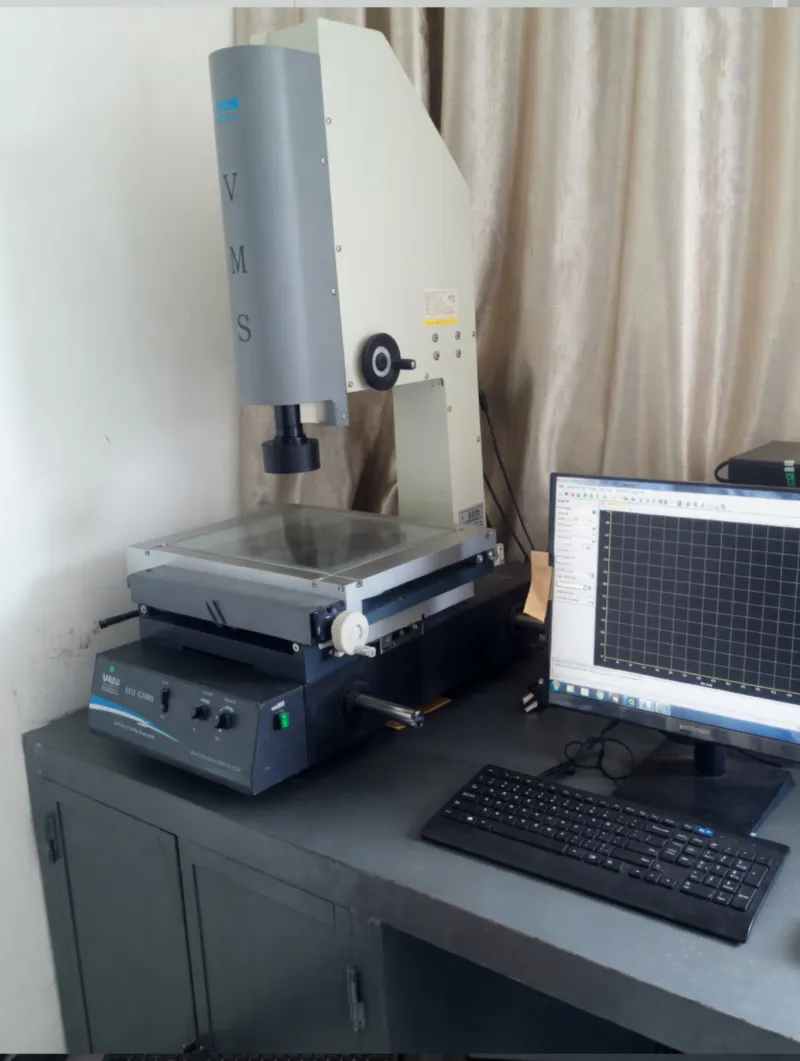
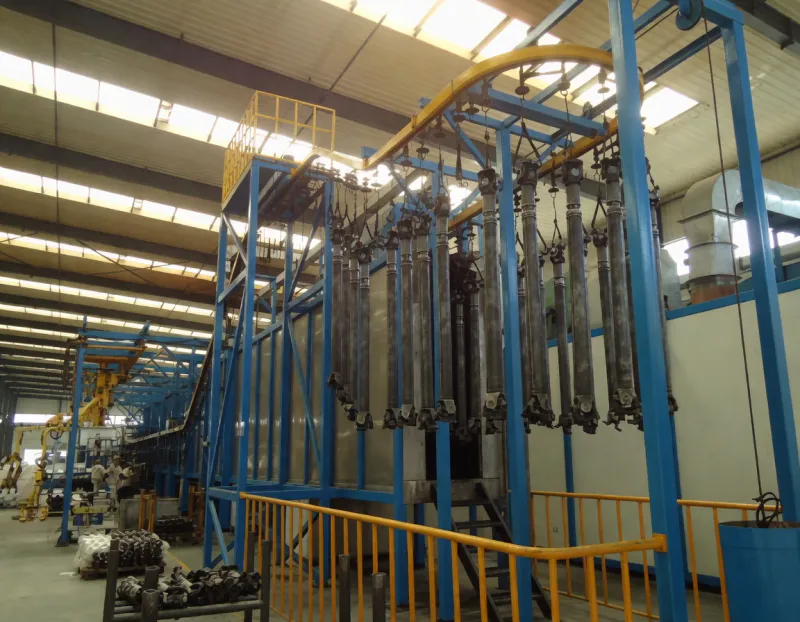
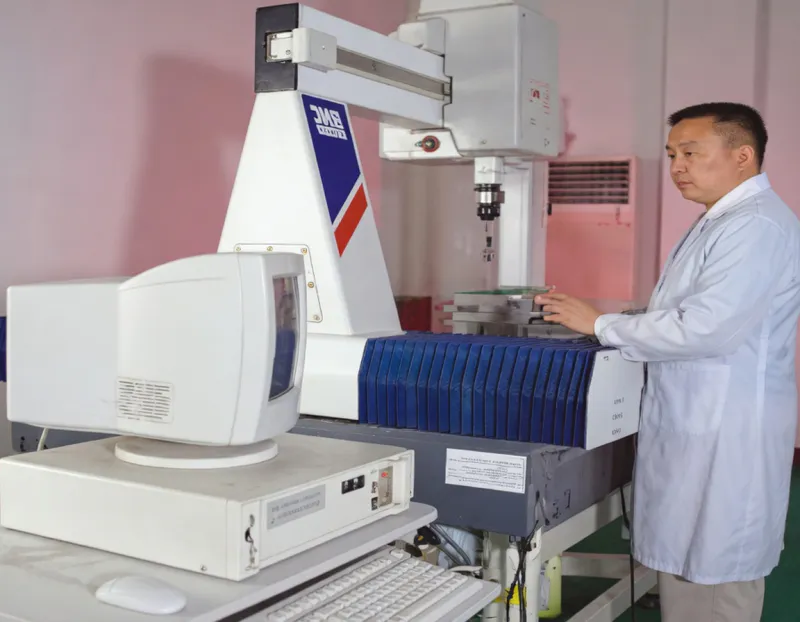
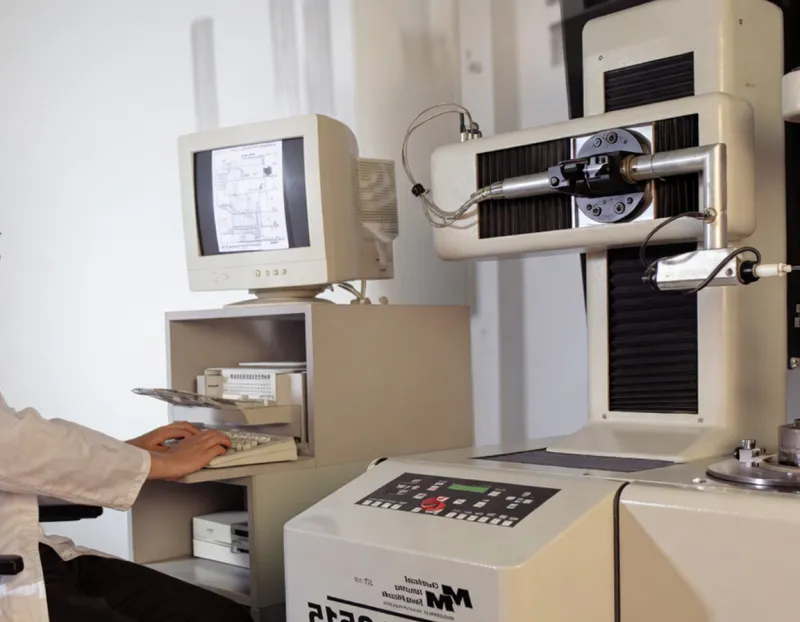
کارخانه تولید رینگ ما بر روی پلتفرمی کار میکند که فناوری رول فرمینگ را با فرآیندهای جوشکاری خودکار، بازرسی تعادل و پوششدهی ترکیب میکند و توسط یک مرکز آزمایش در سطح ملی مجهز به دستگاههای تست خستگی در پیچ، دستگاههای تست خستگی شعاعی، تجهیزات بازرسی تعادل دینامیکی، محفظههای اسپری نمک و دستگاههای اندازهگیری مختصات (CMM) پشتیبانی میشود. خط تولید ظرفیت سالانه تولید میلیونها رینگ در دستههای مسافربری، تجاری، کشاورزی و صنعتی را دارد و سری رینگهای تریلر کامیونهای سنگین مخصوص ژاپن، طیف اصلی محصولات ما را در سبد خودروهای تجاری ما تشکیل میدهند. به هر رینگ کامیون که از کارخانه خارج میشود، یک سابقه ردیابی تولید اختصاص داده میشود که شامل شماره گرمای مواد، پارامترهای پرس، نتایج بازرسی جوش، اندازهگیری تعادل و بازرسی پوشش نهایی است - که زنجیره مستندسازی مورد نیاز اپراتورهای ناوگان و مقامات نظارتی را به طور فزایندهای فراهم میکند.
کارگاه
۸. محصولات مرتبط: سازگاری کامل سیستم محور
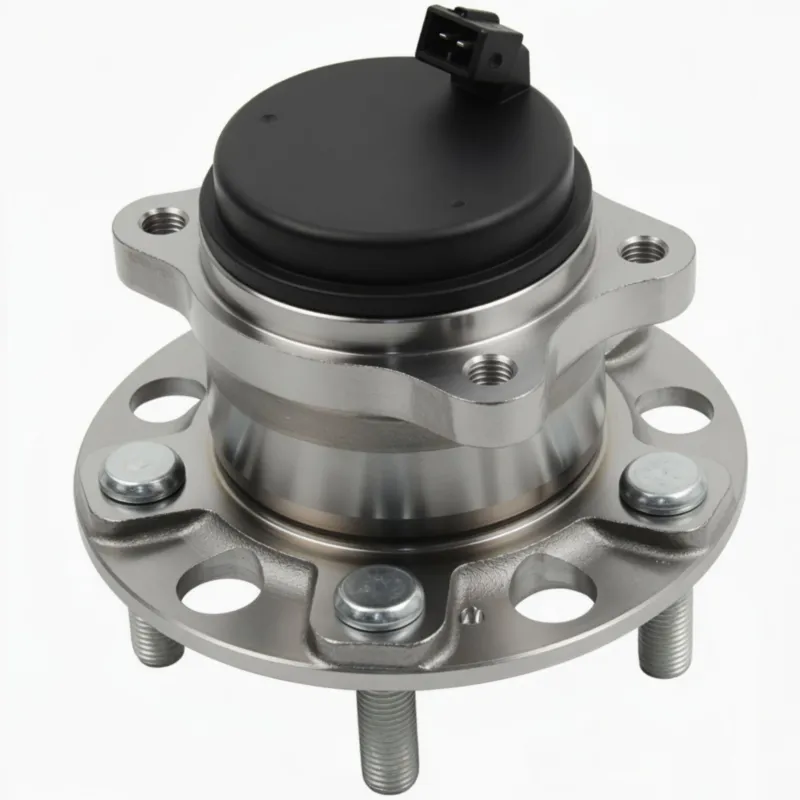
چرخ تریلر کامیون به عنوان بخشی از یک سیستم محور گستردهتر عمل میکند - عملکرد و عمر مفید آن مستقیماً تحت تأثیر کیفیت توپی، اسپیندل، یاتاقان و اجزای بست اطراف آن قرار دارد. طیف محصولات ما به اجزای کلیدی که در رابط توپی با چرخ در تعامل هستند، گسترش مییابد و امکان تهیه یک منبع برای مونتاژ کامل سیستم محور را فراهم میکند و تأیید سازگاری را برای مهندسان ناوگان و مدیران کارگاه ساده میکند.
هابهای چرخ
تیرک محور تریلر و محور تریلر
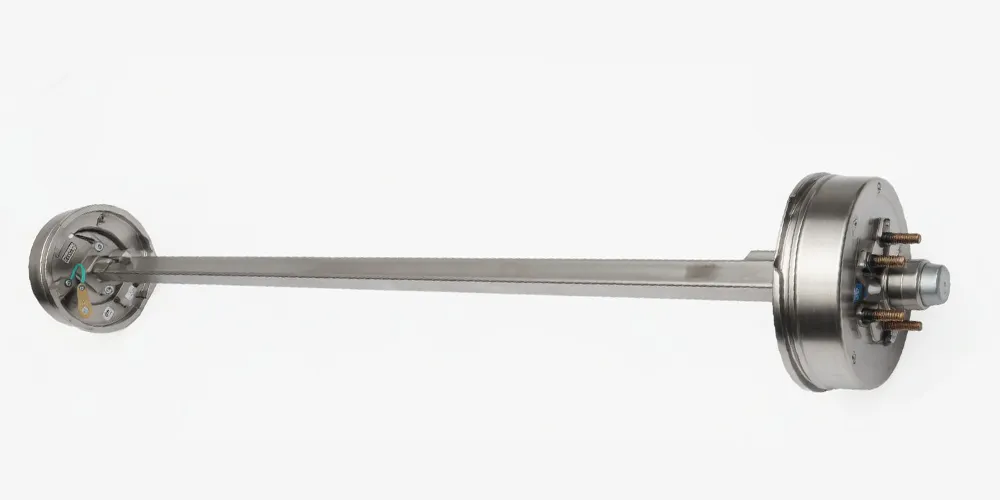
برای بازسازی تریلر و پروژههای ساخت تریلر جدید در کلمبیا، مجموعه تیرک محور تریلر و محور تریلر، هندسه توپی چرخ تریلر را که باید با آن مطابقت داشته باشد، تعریف میکند. اجزای محور تریلر ما به گونهای طراحی شدهاند که قطر سوراخ مرکزی چرخ و پیکربندی PCD مطابق با استاندارد EP ژاپن را بپذیرند و امکان تهیه کل سیستم محور از یک تأمینکننده واحد را فراهم کنند. این رویکرد یکپارچه، سازگاری ابعادی بین تمام اجزا در رابط توپی را تضمین میکند و از مدل تأمین یک مرحلهای که تیمهای تدارکات ناوگان به طور فزایندهای برای اجزای سیستم محور خودروهای تجاری ترجیح میدهند، پشتیبانی میکند.
سوالات متداول
تدوینگر: PXY