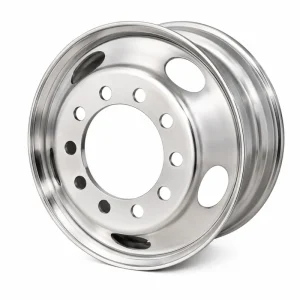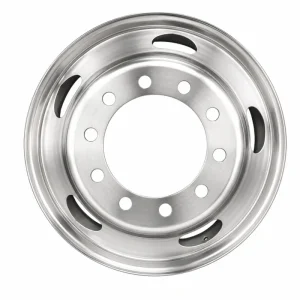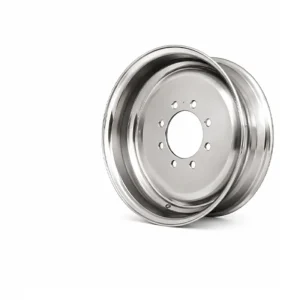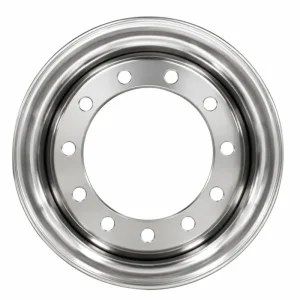
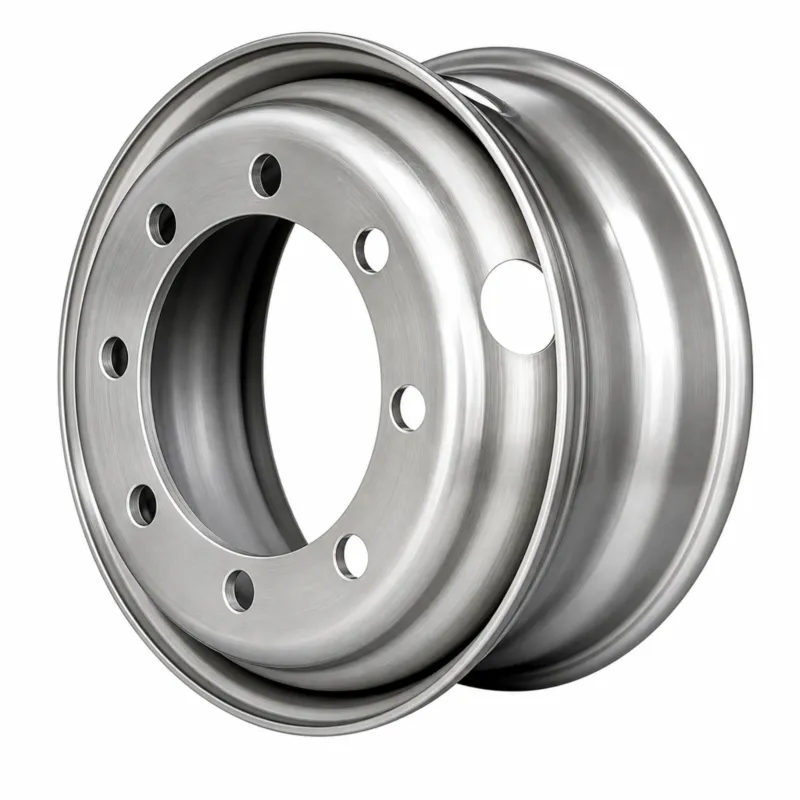
EPヘビーデューティートラックおよびトラックトレーラー用ホイール(日本向け)
当社のEPヘビーデューティートラックおよびトラックトレーラー用ホイール(日本向け)シリーズは、日本の商用車市場における最も厳格な基準に基づいた製造プロセスを通じて、これらの要求すべてに対応しています。これは、世界のトラック業界において最も技術的に厳しいホイール仕様の一つです。
日野自動車、いすゞ自動車、三菱ふそう自動車、日産ディーゼル自動車といった日本の大型車両メーカーは、ホイールインターフェース形状に関して長年にわたりベンチマークとなる基準を確立してきました。PCD、センターホール径、オフセット、ボルト穴寸法に厳しい公差を規定することで、ハブの正確な装着とすべての取り付けポイントにおける均等な荷重配分を実現しています。EPの日本市場向けトラックトレーラー用ホイールシリーズは、まさにこれらの寸法仕様を満たしており、アダプター部品やハブ構成の変更を必要とせずに、日本のJIS規格に準拠した車両に直接装着できます。
日本の大型トラック市場の中核を成すのは、主に2つのサイズ区分である。1つは操舵軸および軽量後車軸用途向けの22.5×7.5リム幅、もう1つはより幅広のタイヤ断面幅が指定される駆動軸およびトレーラー軸向けの22.5×8.25である。
1. 技術仕様 — EP日本市場向け大型トラックトレーラー用ホイール
下記の表は、EPジャパン仕様の大型トラックトレーラー用ホイール全種類を網羅しており、22.5×7.5と22.5×8.25のリムサイズ、および利用可能なすべてのボルトサークル、位置決め、センターホール構成を記載しています。特に明記されていない限り、すべての寸法データはミリメートル単位で示されています。
| 部品番号 | サイズ | ボルト数量 | PCD(mm) | ボルト径(mm) | 中心穴径(mm) | オフセット(mm) | 通気孔 | 操縦された |
|---|---|---|---|---|---|---|---|---|
| JG52SW15 | 22.5×7.5 | 10 | 335 | 26 | 281 | 165 | 10 | ハブ |
| JG52SW16 | 22.5×7.5 | 10 | 335 | 32.5 | 281 | 165 | 10 | スタッド |
| JG52SW03 | 22.5×7.5 | 10 | 335 | 26 | 281 | 168 | 10 | ハブ |
| JG52SW08 | 22.5×7.5 | 10 | 285.75 | 26 | 220 | 168 | 2 | ハブ |
| JG52SW06 | 22.5×7.5 | 10 | 285.75 | 32.5 | 221 | 165 | 10 | スタッド |
| JG28SW36 | 22.5×8.25 | 10 | 285.75 | 26 | 220 | 166 | 2 | ハブ |
| JG28SW53 | 22.5×8.25 | 10 | 285.75 | 26 | 220 | 168 | 10 | ハブ |
| JG28SW09 | 22.5×8.25 | 10 | 285.75 | 32.5 | 221 | 168 | 5 | スタッド |
| JG28SW10 | 22.5×8.25 | 10 | 285.75 | 32.5 | 221 | 168 | 10 | スタッド |
| JG28SW30 | 22.5×8.25 | 10 | 335 | 26 | 281 | 165 | 10 | ハブ |
| JG28SW77 | 22.5×8.25 | 8 | 275 | 26 | 221 | 165 | 8 | ハブ |
| JG28SW78 | 22.5×8.25 | 8 | 275 | 32.5 | 214 | 165 | 8 | スタッド |
注:すべての寸法はミリメートル単位です。HUB = ハブパイロットセンタリング、STUD = スタッドパイロットセンタリング。コロンビア登録の日本商用車に正しく適合することを確認するため、ご注文前に部品番号とパイロットシステムを車両の整備マニュアルと照合してください。
2. EPジャパンスペックトラックトレーラーホイールの5つの主な利点
JIS規格準拠の寸法精度
EP Japanシリーズのトラックトレーラーホイールはすべて、日本工業規格(JIS D 4218)に基づく寸法基準で製造されています。PCD公差は±0.1mm以内、センター穴径精度は±0.05mm以内、振れ精度は初回装着時からスムーズで振動のない回転を保証する仕様となっています。この寸法精度により、ホイールの取り付け不良によって発生するシム調整や再トルク調整が不要になります。ブレーキ温度が高く、ホイール締結部の健全性が極めて重要なコロンビアのアンデス山脈の急勾配の下り坂では、これらの問題は安全上の懸念事項となります。
デュアルポジショニングシステムの利用可能性
EPシリーズでは、同じサイズファミリー内でハブパイロット式とスタッドパイロット式の両方のトラックホイールを取り揃えており、フリートマネージャーは単一のサプライヤーとの関係を維持しながら、日本のトラックの世代間で使用されているさまざまなハブセンタリングシステムに対応できます。ハブパイロット式は、精密に加工されたセンターホールでホイールをセンタリングしますが、スタッドパイロット式はホイールナットのテーパーを利用してセンタリングします。適切な位置決めシステムのマッチングは些細なことではなく、ボルトサークル全体の荷重分散に直接影響し、大型トラックトレーラーのホイール取り付けにおける基本的な安全要件です。
軽量化のためのロール成形リム構造
The EP truck trailer wheel utilizes rim flow forming technology that thins the rim wall sections progressively while preserving full strength at the bead seat — the highest-stress zone of the wheel. This process reduces individual truck wheel weight by up to fifteen percent compared to conventional pressing methods, directly benefiting payload capacity within Colombian gross vehicle weight limits and reducing unsprung mass for improved ride and handling. For operators running truck and trailer wheel combinations over Colombia's mixed road surfaces, lighter wheels translate to measurably reduced fuel consumption over annual distance targets.
過酷な荷重条件に対応する高強度鋼
ホイールディスクとリム部品には、積載トレーラーの車軸による継続的な繰り返し荷重下でも構造的完全性を維持する、高度な高強度鋼が使用されています。材料選定においては、過負荷時の永久変形に対する抵抗を左右する降伏強度と、路面障害物からの衝撃エネルギーを脆性破壊することなく吸収できる延性のバランスを重視しています。コロンビアの道路、特に鉱山地帯や農業地帯では路面状態が悪く、川を渡る場所も限られているため、大型トラックのトレーラーホイールは、この材料の靭性マージンから特に恩恵を受けます。
熱帯地域での操業における包括的な腐食防止対策
Colombia's coastal port cities, humid Amazon basin transport routes, and high-rainfall Andean passes present a persistent corrosion challenge for steel truck wheels. The EP-Truck Trailer Wheel series applies a multi-stage surface treatment process — shot blasting for surface preparation, phosphating for adhesion promotion, and epoxy primer topped with polyester topcoat — that passes a minimum five hundred hour neutral salt spray test per ISO 9227. This treatment level substantially extends the cosmetic and structural life of the truck trailer wheel beyond what bare or single-coat products achieve in tropical operating conditions.
3. 動作原理と構造設計
The truck trailer wheel functions as the structural interface between the vehicle's hub assembly and the pneumatic tire, transmitting all traction, braking, cornering, and vertical load forces between road surface and vehicle chassis. Understanding how this load path operates helps explain why dimensional accuracy in the wheel mounting interface is non-negotiable. In service, the truck wheel hub transfers vertical loads from the axle spindle through the wheel disc into the rim section and ultimately into the tire bead area, where inflation pressure creates the structural column that supports the vehicle's weight. Any lack of concentricity in the center hole, or unevenness in the bolt hole pattern, creates an uneven load distribution around the bolt circle that manifests as vibration, accelerated stud wear, and eventual fatigue cracking at the disc-to-rim junction.
The manufacturing sequence begins with steel coil blanking into circular discs, followed by progressive die pressing to form the disc with its bolt hole circle, center hole, and ventilation holes. Rim fabrication proceeds from steel strip roll-forming into a cylindrical shape, with the bead seat and flanges formed to precise geometry that determines tire seating position and the offset measurement — the distance from the wheel's mounting face to the rim's centerline. Correct offset is critical for truck wheel alignment: too little positive offset moves the tire outward and increases hub bearing stress, while too much offset crowds the tire inward and creates clearance issues with the vehicle's brake and suspension components. The EP Japan series holds offset values at 165 mm or 168 mm depending on the specific part number, matching original equipment specifications precisely.
Final assembly joins the disc to the rim by projection welding and MIG welding processes, with weld penetration monitored by both visual and ultrasonic inspection methods. Completed heavy duty truck trailer wheels undergo inline dynamic balance inspection to identify any mass distribution imbalance before shipping — an important quality gate because out-of-balance truck wheels cause tire wear, steering wheel vibration, and accelerated driveline component wear that compound into significant operating costs over the wheel's multi-year service life. Wheels that fail balance specifications are re-processed rather than passed through, reflecting the quality commitment underpinning the EP product line.
4. 材料および表面処理技術
The structural steel grades used in EP truck wheel production are selected with specific attention to the fatigue performance of pressed and roll-formed components. The disc section uses a high-strength low-alloy steel with yield strength in the range of four hundred to five hundred fifty MPa, providing sufficient rigidity to resist permanent deformation during overload events while retaining enough ductility to avoid brittle fracture behavior during impact loading. This balance is especially important for the heavy duty truck trailer wheel disc, where repeated flexion at the disc-to-rim joint under cornering and road irregularity loads creates cyclic stress that must remain below the material's endurance limit throughout the design service life of at least five hundred thousand load cycles.
リム部には、高度な高強度鋼(一部のバリエーションでは二相鋼またはSPFH鋼を使用)を採用しており、リムの流動成形により肉厚を薄くしながらも、ビードシート部の機械的特性を完全に維持しています。ビードシート面は、精密な直径と仕上げに機械加工またはロール成形されており、従来のトラックホイール設計で使用されていたチューブタイプのインナーライナーなしで、タイヤビードの気密性を確保します。EP Japanシリーズ全体で使用されているチューブレストラックホイール構造は、空気圧を保持するために、ビードシート径、ビード輪郭、およびリムフランジ形状間の精密な機械的インターフェースに完全に依存しているため、これらの領域の寸法精度は、単なる品質指標ではなく、直接的な安全パラメータとなります。
Surface protection begins with mechanical shot blasting that removes mill scale and creates a uniform surface profile optimized for coating adhesion. Chemical phosphating then creates a conversion coating that provides a second adhesion layer and baseline corrosion resistance. The primer coat — typically an epoxy-based formulation — provides the primary corrosion barrier, while the polyester topcoat in standard silver or white finish provides UV resistance and maintains appearance through the wheel's service life in tropical Colombian operating environments. Total dry film thickness typically reaches eighty to one hundred micrometers, achieving the salt spray resistance needed for coastal port operations in Barranquilla and Buenaventura, as well as humid Amazonian transport routes.
5. コロンビアの商業輸送における適用シナリオ
長距離貨物輸送
Hino and Isuzu semi-trailer tractors pulling refrigerated and dry-freight trailers on Colombia's primary road network between Bogotá, Medellín, Cali, and coastal ports rely on truck trailer wheel replacement parts that maintain hub compatibility throughout the vehicle's decade-plus service life. The EP Japan-spec range provides fleet operators with a reliable source for truck trailer wheel replacement parts that match original equipment dimensional specifications — critical for vehicles covering six hundred to nine hundred kilometers per day on routes that include the challenging Bogotá-to-Buenaventura corridor through the Western Andes.
建設・鉱業物流
Mining operations in Antioquia's gold regions and coal transport in Cesar department deploy heavy duty truck trailer wheels under consistently demanding conditions involving payload weights near or at legal limits, unpaved access roads, and dust exposure that challenges both tire and wheel serviceability. The EP truck wheel series serves these applications through its structural strength margin above rated loads and its corrosion protection system suited for high-dust, high-humidity environments. Truck wheel replacement cycling in mining logistics benefits from the dimensional consistency of EP wheels — accurate fitting reduces the installation time that accumulates across large equipment fleets.
港湾およびコンテナ物流
Container yard prime movers and port drayage trucks at Cartagena and Barranquilla operate under near-continuous duty cycles in salt-air environments that present extreme corrosion challenges for steel truck wheels. The EP series's enhanced surface treatment system provides the corrosion resistance required for port service environments, while the tubeless construction eliminates the tube-type valve maintenance associated with older truck wheel designs. Port operators standardizing on Japanese-brand heavy trucks benefit from the full EP Japan-spec range covering all axle positions within their fleet.
農産物輸送
Coffee, banana, palm oil, and cut flower transport from Colombia's agricultural zones to packing stations and export ports involves a mix of paved national road driving and unpaved farm access routes that demand truck wheels with adequate impact toughness for both surface types. Japanese-brand medium and heavy trucks are widely used in Colombian agricultural logistics, and maintaining correct truck trailer wheel specification during replacement is essential for preserving the vehicle's brake and tire alignment geometry. The EP series provides agricultural fleet managers with a reliable supply of dimensionally accurate replacement truck wheels.
バスおよび旅客コーチの応募
Intercity coach operations using Japanese-brand bus chassis on routes connecting Bogotá with regional cities specify 22.5-inch truck wheels in configurations that fall within the EP Japan series range. Passenger transport operators require wheel products with consistent quality and documentation for compliance with Colombia's transport authority (MinTransporte) safety requirements. The EP series provides the quality certification documentation and dimensional traceability that supports fleet compliance reporting, alongside the structural performance needed for the high-mileage annual service profiles of Colombian intercity coach operations.
6.商用トラック用ホイールの規制枠組み
コロンビア: The Ministry of Transport (MinTransporte) regulates commercial vehicle safety through Decreto 1079 de 2015 and related technical resolutions. Resolution 4100 de 2004 establishes maximum vehicle dimensions and weights, and Resolución 3500 de 2005 governs periodic technical inspection (revisión técnico-mecánica) for commercial vehicles, including inspection of wheel conditions. Wheels showing cracks, excessive corrosion, or dimensional deformation fail these inspections. Fleet operators must maintain evidence of wheel specifications compatible with the vehicle's homologation to pass inspections — making correct-specification truck trailer wheel procurement a compliance requirement, not merely a technical preference.
日本(JIS規格): 日本工業規格JIS D 4218およびJIS D 4230は、日本におけるトラック用ホイールの寸法および性能要件を規定しており、PCD、センターホール、振れ、耐荷重の許容差を定めています。EPジャパンスペックシリーズは、これらのJIS規格に準拠して製造されており、コロンビアの日本ブランドトラックの運行事業者に対し、純正部品と同じ設計意図で製造されたホイールを提供します。
欧州連合: ECE規則第124号は乗用車の交換用ホイールを規定しており、商用車については国連ECE枠組みが車両型式認証要件を通じてホイールを規定している。EU市場で販売される商用トラック用ホイールは、ISO 3006(トラック用ホイールの寸法)やISO 4209(商用車用リム)などの規格を参照した車両型式認証を裏付ける技術文書によって適合性を証明しなければならない。
アメリカ合衆国: 米国におけるトラックのホイールは、連邦自動車安全基準(FMVSS)および商用車安全同盟(CVSA)の検査基準によって規制されています。FMVSS 110および120はタイヤとリムの選定について規定しており、CVSAの路上検査基準では、目に見えるひび割れ、破損、または不適切な取り付けのあるホイールを備えた車両は不合格となります。米国登録車両を運行する運送会社は、ホイールの部品番号がタイヤ・リム協会(TRA)の年鑑に、使用しているタイヤと車軸の組み合わせに対して承認済みとして記載されていることを示す文書を保管する必要があります。
7.当社のホイール製造能力について
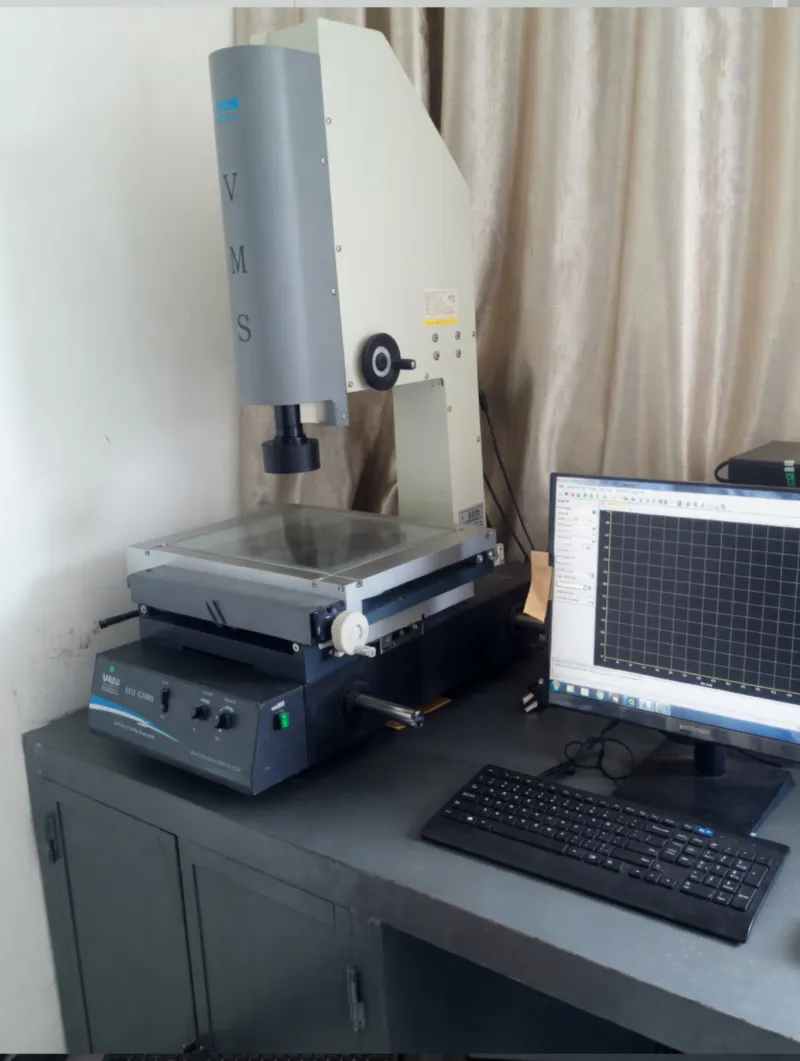
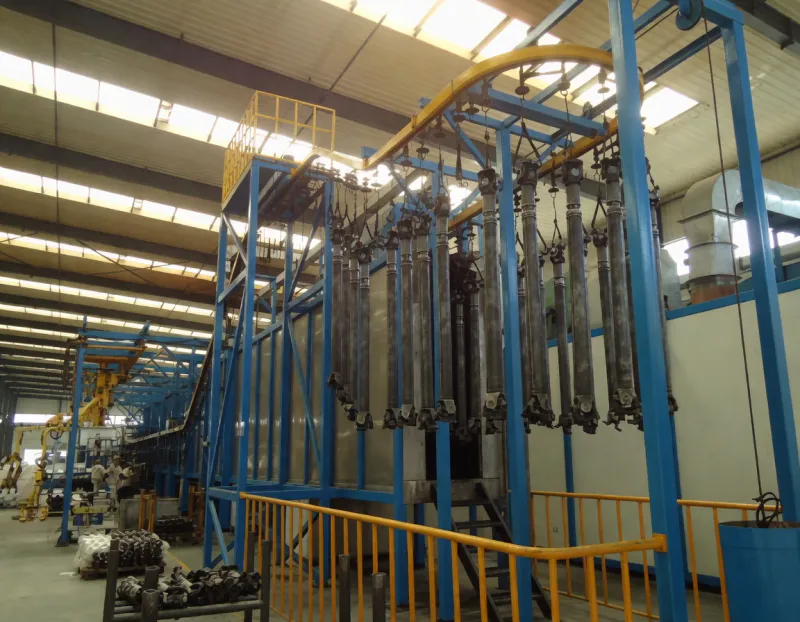
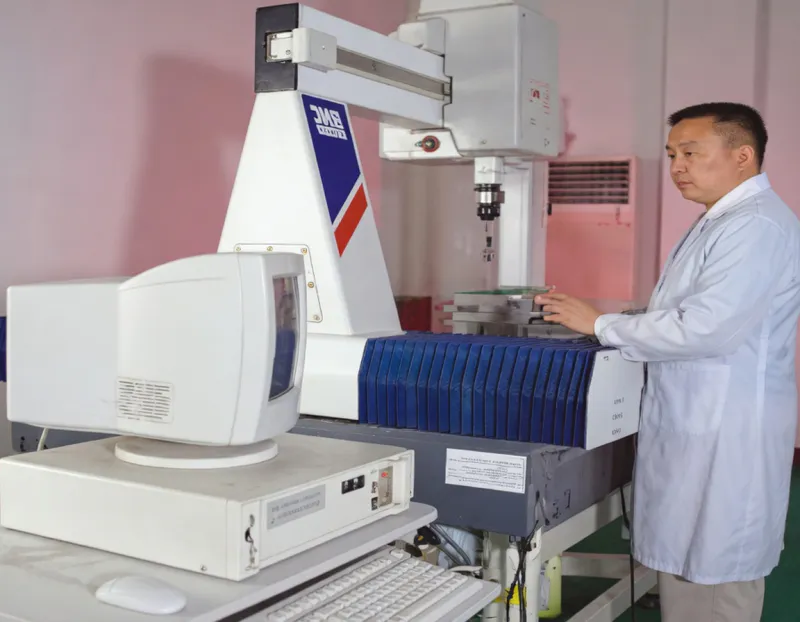
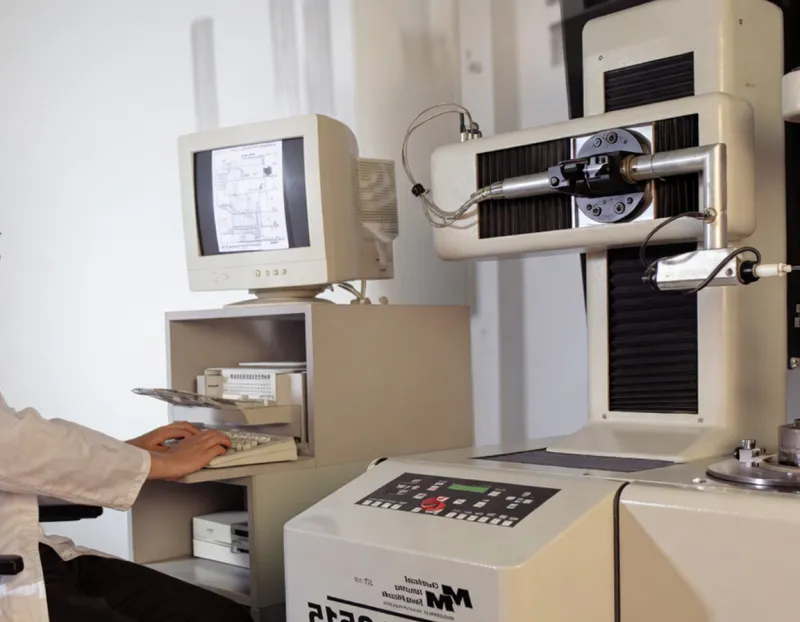
当社のホイール製造施設は、ロール成形技術と自動溶接、バランス検査、コーティング工程を組み合わせたプラットフォーム上で稼働しており、コーナリング疲労試験機、ラジアル疲労試験装置、動的バランス検査装置、塩水噴霧試験室、三次元測定機(CMM)を備えた国家レベルの試験センターによって支えられています。生産ラインは、乗用車、商用車、農業機械、産業機械など、あらゆるカテゴリーで年間数百万個のホイールを生産する能力を有しており、中でも日本仕様の大型トラックトレーラー用ホイールシリーズは、当社の商用車向け製品ポートフォリオの中核を成す製品群です。施設から出荷されるすべてのトラック用ホイールには、材料のヒート番号、プレスパラメータ、溶接検査結果、バランス測定、最終コーティング検査を網羅した生産履歴記録が付与され、運送事業者や規制当局がますます要求する文書化チェーンを提供しています。
ワークショップ
8. 関連製品:完全なアクスルシステム互換性
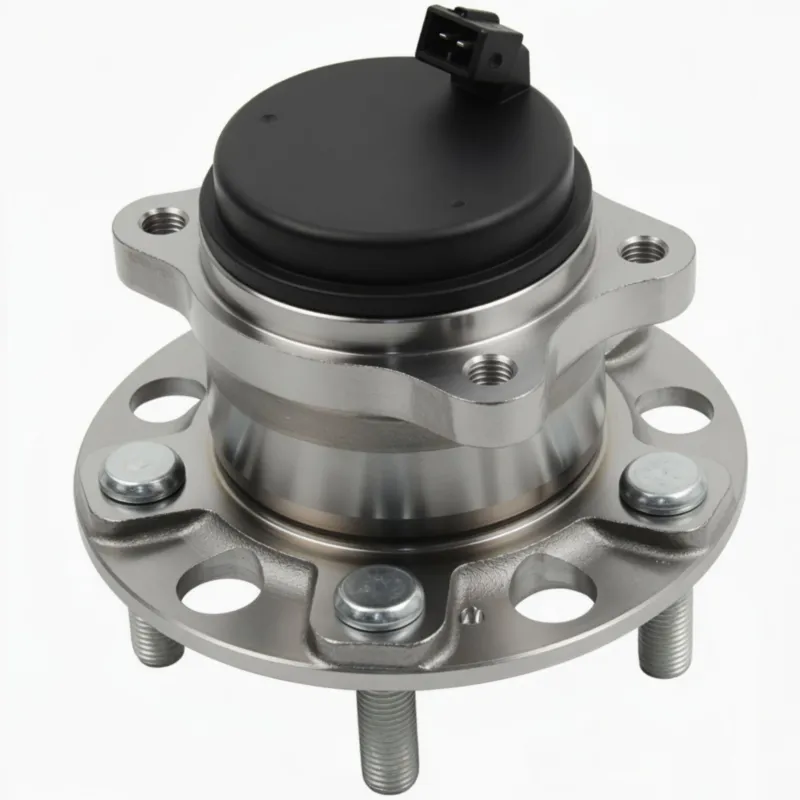
トラックトレーラーのホイールは、より広範な車軸システムの一部として機能します。その性能と耐用年数は、周囲のハブ、スピンドル、ベアリング、および締結部品の品質に直接影響されます。当社の製品ラインナップは、ハブとの接点でホイールと相互作用する主要部品まで網羅しており、車軸システム全体のアセンブリをワンストップで調達できるだけでなく、車両整備士や整備工場管理者にとって互換性の確認も容易になります。
ホイールハブ
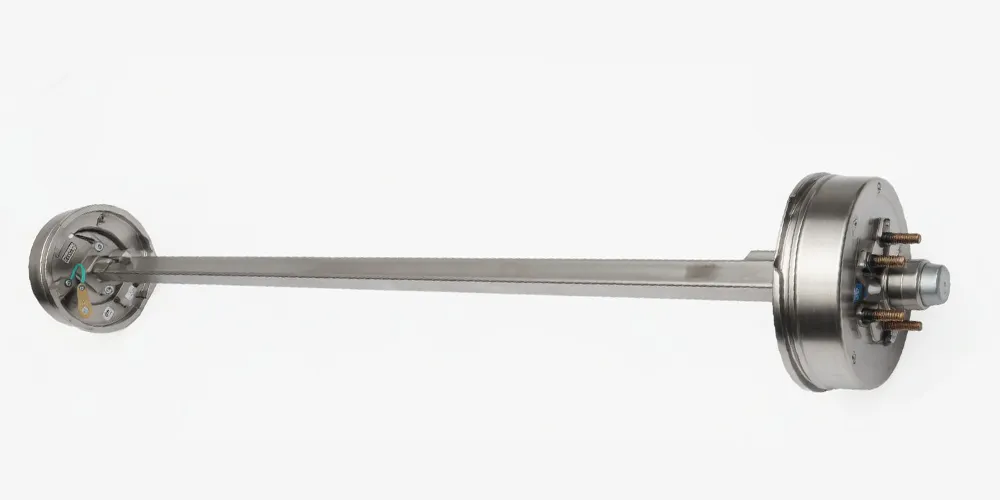
トレーラー車軸ビームとトレーラースピンドル
コロンビアにおけるトレーラーの改造および新規製造プロジェクトにおいて、トレーラーの車軸ビームとスピンドルアセンブリは、トラックトレーラーのホイールが適合しなければならないハブ形状を決定します。当社のトレーラースピンドル部品は、EP Japan規格のホイールセンター穴径とPCD構成に対応するように設計されており、単一のサプライヤーから完全な車軸システムを調達できます。この統合的なアプローチにより、ハブインターフェースにおけるすべての部品間の寸法互換性が確保され、商用車用車軸システム部品に関して、車両調達チームがますます好むワンストップ供給モデルをサポートします。
よくある質問
編集者: PXY