ページを選択

EP-MITSUBISHI ユニバーサルジョイント - GUMシリーズ

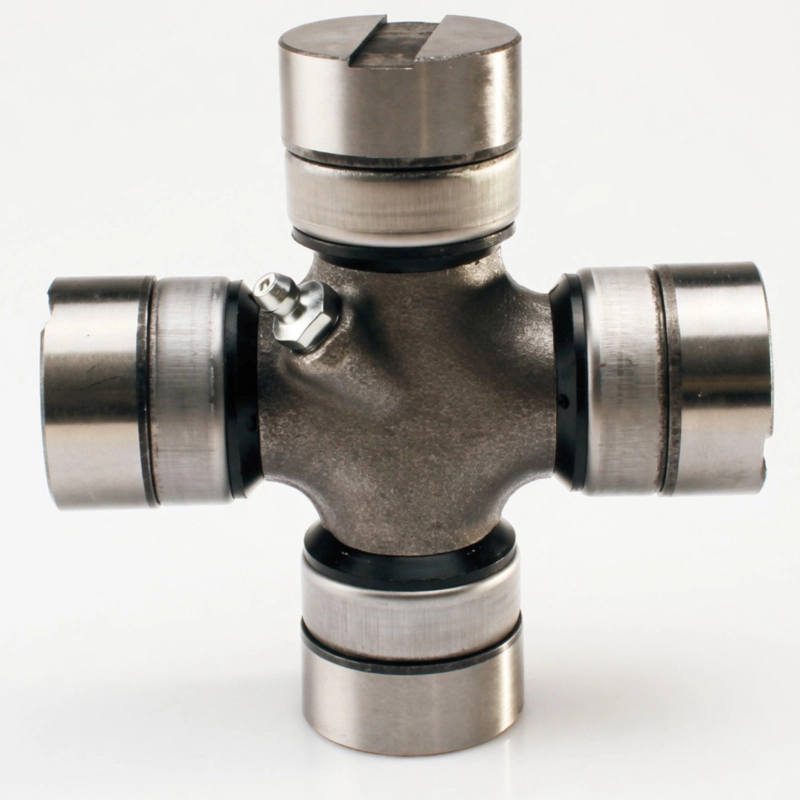
EP-MITSUBISHI Universal Joints (GUM Series) are precision-engineered OEM replacements for Mitsubishi driveline applications. With sizes ranging from D=20.02mm to 52mm, they match original specifications and cross-reference directly with Mitsubishi part numbers, plus KOYO and MATSUBA equivalents. Designed for exact fit, they ensure reliable torque transfer across various Mitsubishi models. Built with durable materials, these joints deliver smooth, low-wear performance, making them ideal for automotive repair and replacement with simplified maintenance.

カテゴリー:

説明

EP-MITSUBISHI ユニバーサルジョイント - GUMシリーズ

OEM-Compatible Replacement | Precision-Matched Dimensions | Trusted for Trucks, Vans & Agricultural Machinery Across Colombia and Latin America

1. MITSUBISHI GUM Series — Technical Specifications

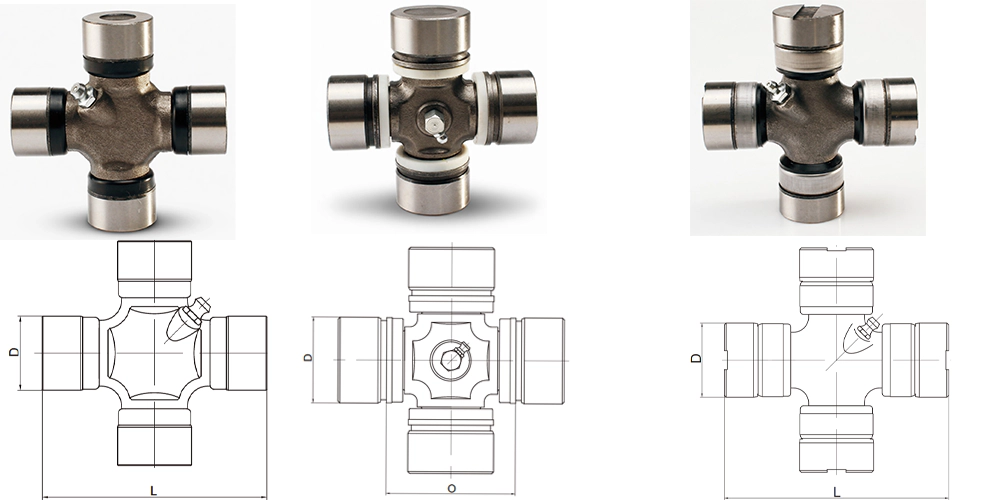
The table below lists GUM series part numbers with their corresponding dimensional data, Mitsubishi original reference numbers, KOYO equivalents, and MATSUBA codes. Dimension D refers to the cross-pin trunnion outer diameter in millimeters; O refers to the outer cup flange diameter where applicable; L refers to the overall bearing assembly span length across opposing cups in millimeters. These three dimensions are the critical parameters required to confirm correct fitment during a MITSUBISHI GUM Series Universal joint replacement procedure.

MITSUBISHI Universal joint-FIG 部品番号 D(mm) O(mm) L(mm) Original No. KOYO 松葉
GUM71 44 129 14501-27000 M44135 UJ610
A GUM72 38 104 13518-22000 M36104 UJ613
A GUM73 27 81.75 GPW18397 S2782 UJ620
A GUM75 31.8 102
A GUM76 25.02 77.6 13018-21200 M2578A UJ614
A GUM77 27 65.3 ST-0008 S2765 UJ617
A GUM78 25 63.8 ST-0003 UJ619
A GUM79 25 63.8 ST-00024 M2564 UJ616
GUM80 46 142 12018-01110 M46142 UJ612
A GUM81 25 63.8 MB-00345 S2765 UJ625
GUM82 38 104 13501-11010 M38104 UJ624
GUM83 52 153.8 12019-10000 UJ626
A GUM84 26 68 18433-51700 UJ623
A GUM85 22.08 64.4 MB000300
A GUM86 28.52 77.7 MT047756 M2978 UJ615
A GUM87 30 78.2 MB000199 UJ627
A GUM88 25 76.5 MB000776 (0008)
GUM90 46 148 14801-06001 M46148 UJ629
A GUM91 25 76.7 MB000948 M2576
A GUM92 20.02 55 MB000697
B GUM93 30 55.1 85 MB000267 S32102A
B GUM95 22 37.3
A GUM96 52 170 MC998476
A GUM99 44 129 MC998680 TM199

FIG codes: A = Standard yoke-type assembly; I = Integrated flange-type assembly; B = Bolt-flange cup assembly. Dimension O is the outer flange diameter relevant only to FIG B configurations. All dimensions are in millimeters. Where a KOYO or MATSUBA cross-reference is not listed, confirm OEM original number for alternative sourcing during Mitsubishi GUM Series Universal joint replacement procedures.

automatictransmissionpart-products-EP-MITSUBISHI Universal Joint — GUM Series-Draft

2. Five Key Performance Advantages Of MITSUBISHI Universal Joint

OEM-Grade Dimensional Accuracy

Every MITSUBISHI Universal joint in the GUM series is engineered to match original equipment manufacturer dimensions with tolerances held to ±0.02 mm across cross-pin diameter and overall assembly length. This level of precision guarantees plug-and-play installation in Mitsubishi Canter trucks, Rosa minibuses, L200 pickups, and a wide range of Mitsubishi-powered industrial platforms without modifying yokes, flanges, or drive shaft ends. Fleet operators in Bogotá and Medellín report zero fitment issues when switching from OEM sourcing to our GUM series units, cutting procurement lead times significantly.

Induction-Hardened Bearing Journals

The cross-pin trunnion surfaces undergo a controlled induction hardening cycle that raises surface hardness to 58–62 HRC while preserving a tough, ductile core below. This dual-zone metallurgical structure resists the rolling-contact fatigue and fretting wear that commonly lead to premature bearing cup spalling in heavy-duty truck and van driveshaft systems. When Mitsubishi Canter vehicles navigate steep Andean routes with fully loaded cargo beds, the hardened trunnions absorb cyclical stress without developing the flat spots or pitting that shorten conventional joint life.

Sealed Needle-Roller Bearing Cups

Each bearing cup assembly incorporates precision needle rollers retained within a hardened steel race, topped with a dual-lip nitrile seal. The inner lip retains factory-packed lithium-complex grease under dynamic operating conditions, while the outer lip excludes water, road grime, and fine particulate matter common on unpaved Colombian rural routes. The result is a marked extension of maintenance-free service intervals compared to open-bearing designs that require frequent re-greasing to prevent corrosion-induced seizure of the cross-pin assembly.

Wide Operating Temperature Range

The MITSUBISHI GUM Series Universal joint operates reliably from −40 °C in high-altitude cold storage logistics to +120 °C near exhaust and differential heat sources in tropical low-altitude routes along the Colombian coast. Grease formulation is selected to maintain adequate viscosity and film strength across this entire range, preventing bearing starvation at cold starts and avoiding grease breakdown during sustained highway operation at elevated driveshaft temperatures. This thermal resilience makes the GUM series suitable for Colombian operators who move cargo between dramatically different elevation zones in a single day.

Verified Cross-Reference Compatibility

Every GUM series MITSUBISHI Universal joint part number is mapped to corresponding KOYO, MATSUBA, and original Mitsubishi reference numbers, allowing procurement teams to confirm suitability before ordering. This transparent cross-reference system eliminates costly mismatches during Mitsubishi universal joint replacement operations, reduces workshop downtime, and gives fleet managers the confidence to source parts through their preferred supply channels while maintaining full interchangeability with OEM specifications for Mitsubishi trucks and light commercial vehicles.

3. About Our EP-MITSUBISHI Universal joint GUM Series Products

The EP-MITSUBISHI Universal joint GUM series covers an extensive portfolio of precision driveshaft couplings designed as direct replacements for Mitsubishi OEM parts across light commercial vehicles, medium-duty trucks such as the Canter range, and various industrial and agricultural machinery platforms. A MITSUBISHI Universal joint in this series performs the essential function of transmitting rotational torque between two shafts whose axes are not perfectly aligned, accommodating the angular variations that arise from independent suspension travel, load-induced chassis deflection, and normal manufacturing tolerances in vehicle assembly. Without a reliable universal joint, the rotating drivetrain would be unable to handle these angular offsets and would experience destructive vibration, noise, and eventual fracture.

From the compact GUM92 with a 20.02 mm cross-pin diameter suited to lighter van applications, to the heavy-duty GUM83 and GUM96 variants with 52 mm cross-pin diameters engineered for full-sized truck driveshafts, the series spans the complete range of Mitsubishi powertrain requirements.

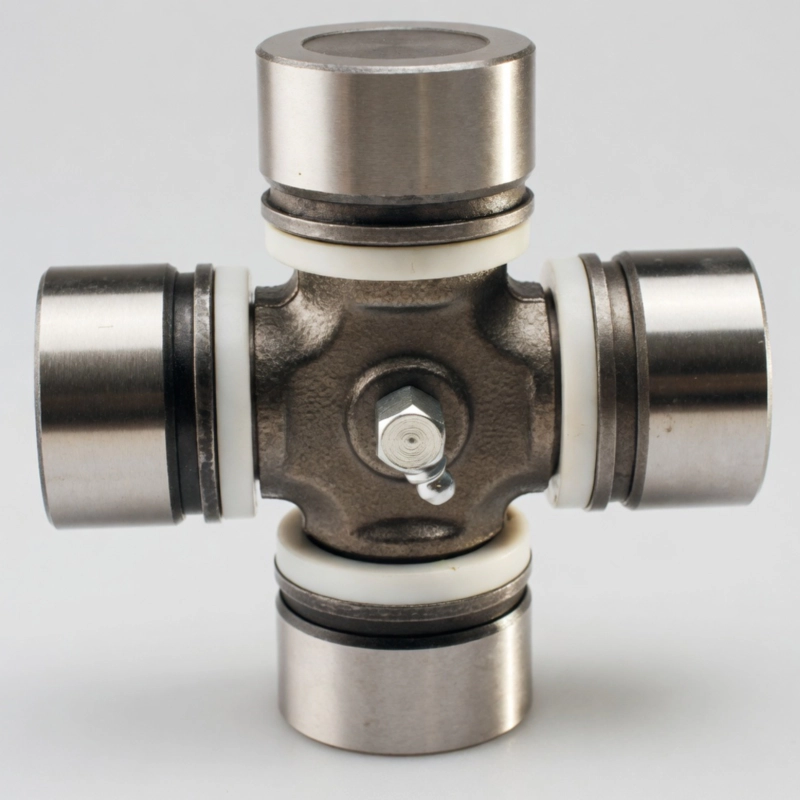
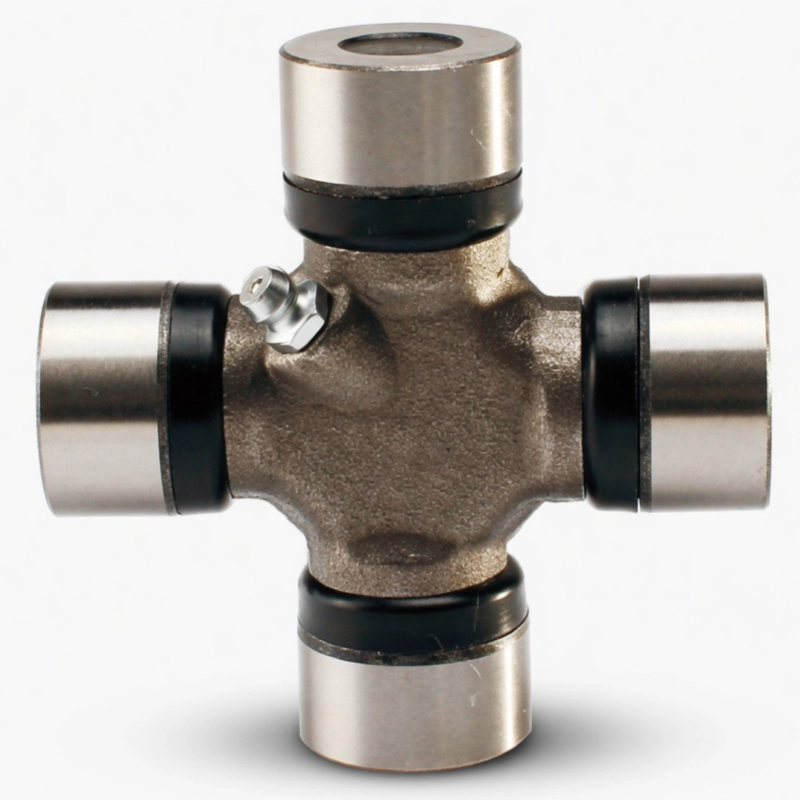
The universal joint working principle relies on a cross-shaped trunnion pin that connects two yoke assemblies set at 90-degree offsets. As the input yoke rotates, the cross-pin transfers motion through its four trunnion journals into the output yoke, allowing angular misalignment while maintaining continuous torque transmission.

4. MITSUBISHI Universal Joint Working Principle

Understanding the universal joint working principle is important for anyone selecting or installing a MITSUBISHI GUM Series Universal joint on a Canter truck or similar vehicle. The joint consists of four main elements: two yoke halves welded or splined to the adjoining shaft ends, and a cruciform cross-pin that bridges the two yokes through four bearing cups. Each bearing cup contains a set of precision needle rollers that ride on the hardened trunnion journal of the cross-pin. As the input shaft rotates, torque is transferred from the first yoke through the cross-pin into the second yoke. Because each cup can articulate independently, the assembly accommodates an angular offset between the two shaft centerlines, typically up to 30 degrees under intermittent load and up to about 10 degrees under sustained heavy-duty operation.

The GUM Series MITSUBISHI Universal joint in car and truck applications forms part of the propeller shaft or cardan shaft assembly that connects the gearbox output to the differential input. On Mitsubishi Canter vehicles with two-piece propeller shafts, two universal joints are used in series separated by a center support bearing, a layout that reduces the compound angle at each joint and thereby lowers the speed fluctuation inherent in single-Cardan configurations. For the steering system, a smaller variant of the same cross-and-bearing principle is employed in the steering universal joint connecting the steering column to the steering rack or gearbox, where precise angular feedback and minimal play are critical to vehicle handling. The GUM77 and GUM79 units, for instance, with their compact 25–27 mm cross-pin diameters, are dimensionally suited to steering column universal joint applications in various Mitsubishi light commercial vehicles.

During each revolution of the propeller shaft, the bearing cups undergo a complex oscillating motion that continuously changes the contact angle between needle rollers and the trunnion surface. The quality of the needle roller finish, the accuracy of the cup bore geometry, and the consistency of the bearing preload all directly influence how evenly this contact stress is distributed. GUM series joints are manufactured to tight geometric tolerances on cup bore roundness and trunnion diameter concentricity, ensuring consistent needle contact across the full bearing width at all operating angles. This geometric precision is what separates a quality replacement Mitsubishi universal joint from cheaper alternatives that appear identical but develop audible vibration and rapid wear within a few thousand kilometers.

automatictransmissionpart-products-EP-MITSUBISHI Universal joint GUM series I

5. Material Composition & Heat Treatment

The cross-pin, the structural core of any MITSUBISHI Universal joint, is machined from high-carbon bearing steel conforming to the ISO 100Cr6 specification. This alloy contains 1.0 percent carbon and 1.5 percent chromium, providing the deep hardenability needed to achieve consistent hardness from the surface through the midpoint of the trunnion radius. After rough machining, each cross-pin undergoes through-hardening followed by precision grinding to achieve final trunnion diameter tolerances of h5 class, ensuring an accurate interference or transition fit with the needle roller complement inside each bearing cup. The ground surface finish is held at Ra 0.4 µm or better to minimize asperity contact with rollers and maximize lubricant film formation at the critical trunnion-to-roller interface.

The bearing cups are cold-formed from low-carbon, case-hardening steel and case-carburized to produce a high-carbon surface layer approximately 0.6–0.8 mm deep. This carburized case is then hardened to 60–64 HRC, while the underlying core retains ductility at 25–35 HRC, providing resistance to deformation under the hoop stress generated when the snap ring or circlip retains the cup in the yoke bore. The yoke bodies themselves are hot-forged from medium-carbon alloy steel, normalized and shot-blasted to refine grain structure and remove surface scale before final machining of bore diameters and flange faces. For applications such as the mitsubishi canter universal joint where the yoke integrates a flange bolting directly to the propeller shaft tube, concentricity between the flange face and the bearing bore axes is verified on coordinate measuring equipment to maintain drivetrain balance. The nitrile rubber lip seals are compounded to resist degradation from lithium-complex grease, mineral transmission fluid mist, and road splash chemicals encountered throughout Colombian fleet operations.

Needle rollers are manufactured from bearing-quality steel strip, cold-headed and ground to tolerance class TN3 per ISO 1027, ensuring diameter variation of less than 0.6 µm within a given complement. This uniformity of roller diameter is essential for equal load distribution across all needles simultaneously in contact with the trunnion, preventing the stress raisers that initiate spalling in early-failure joints. Each completed MITSUBISHI GUM Series Universal joint assembly is filled with a measured quantity of lithium-complex grease rated for continuous operation between −40 °C and +150 °C, formulated with extreme-pressure additives that form a protective boundary layer on trunnion and cup surfaces when momentary lubrication film breakdown occurs during high-torque shock events.

6. MITSUBISHI Universal Joint Application Scenarios

Mitsubishi Canter Light Truck Drivetrains

The Mitsubishi Canter is among the most common light delivery trucks operating in Colombian cities such as Bogotá, Cali, and Barranquilla, where it handles municipal distribution routes, food logistics, and construction material supply chains. The rear propeller shaft in these vehicles incorporates one or two MITSUBISHI Universal joint assemblies depending on wheelbase configuration. GUM80 and GUM90 units, with their 46 mm cross-pin diameters and 142–148 mm span lengths, are the common fitments for standard Canter chassis, handling the full drivetrain torque from the turbodiesel powertrain under loaded conditions on urban gradients and inter-city highways.

Heavy-Duty Mitsubishi Truck Rear Axle Drive

Larger Mitsubishi truck platforms fitted with high-torque diesel engines require correspondingly heavier universal joint specifications. The GUM83 and GUM96 with 52 mm cross-pin diameters and lengths of 153.8 mm and 170 mm respectively represent the upper end of the GUM range, designed for rear driveshafts on heavier Mitsubishi commercial vehicles operating in demanding Colombian terrain. These units absorb the full torque multiplication from the transmission and final drive ratio under challenging conditions including steep Andean ascents and descents with loaded payloads, where propeller shaft operating angles change continuously.

Steering Column Universal Joint Applications

A steering universal joint serves a different but equally critical function compared to driveshaft joints. In the steering system, the universal joint gum configuration uses a compact cross-and-yoke assembly to transmit steering input torque from the steering column to the rack-and-pinion or recirculating-ball steering gear, accommodating the angle change required when the column passes through the firewall or dashboard structure. GUM77, GUM78, and GUM79 units with 25–27 mm cross-pin diameters cover the dimensional range of common Mitsubishi van and passenger car steering column universal joint applications, where joint play and vibration feedback are closely scrutinized by drivers.

Agricultural & Utility Vehicle Drivetrains

Mitsubishi-powered utility vehicles and compact agricultural tractors operating on Colombian farms use universal joint gum configurations in front and rear axle drive shafts, power take-off assemblies, and transfer case output shafts. The variable terrain and frequent engagement and disengagement of four-wheel-drive systems subject these joints to cyclical loading patterns that demand robust needle roller and trunnion materials. Sealed GUM series joints are well-suited to these environments where mud, crop residue, and water immersion would rapidly degrade open-bearing designs lacking effective lip seal protection.

Rosa Minibus & Passenger Van Driveshafts

The Mitsubishi Rosa minibus is widely used throughout Colombia for school transportation, rural passenger services, and small-scale public transit. These vehicles cover high daily mileages on routes that combine paved highways, cobbled colonial town streets, and unpaved rural roads. Propeller shaft universal joint service intervals are consequently shorter than in lighter-duty applications, making the availability of accurate GUM replacement parts through a reliable supplier an important factor in keeping these vehicles on the road. GUM71 and GUM99 units with 44 mm cross-pins provide the dimensional match for Rosa driveshaft configurations.

Industrial Equipment & Specialty Vehicles

Mitsubishi engines and driveline components also appear in forklifts, compact excavators, and various specialized industrial vehicles used in Colombian warehouses, ports, and manufacturing facilities. The GUM series covers the dimensional requirements for these diverse universal joint truck and industrial equipment applications through its broad range of cross-pin diameters from 20.02 mm to 52 mm and span lengths from 55 mm to 170 mm, ensuring that procurement teams can source accurate replacements from a single product family rather than managing multiple suppliers for different equipment categories.

7. Regulatory Standards & Compliance

Vehicle safety regulations in Colombia are administered under the authority of the Ministerio de Transporte and enforced through the Resolución 4100 de 2004 framework, which establishes technical requirements for vehicles in national service including drivetrain component minimum performance standards. Fleet operators maintaining Mitsubishi Canter and other commercial vehicles must ensure that replacement universal joints maintain the structural integrity and dimensional specifications of original equipment parts, as drivetrain failure can constitute a road safety violation under national vehicle roadworthiness inspection protocols. GUM series parts produced to OEM-matched dimensional standards support compliance with these inspection requirements by maintaining propeller shaft balance, joint angular capacity, and torque transmission integrity within the original design envelope.

At the regional level, Comunidad Andina de Naciones (CAN) harmonization agreements between Colombia, Peru, Ecuador, and Bolivia have progressively aligned automotive component quality standards. ISO 9001:2015 quality management certification is increasingly required by fleet procurement departments as evidence that suppliers operate systematic quality controls over raw material selection, process monitoring, and final inspection, rather than relying solely on incoming inspection at the customer level. Universal joint gum replacement parts sourced from certified production facilities offer fleet operators an auditable quality chain that satisfies these procurement requirements.

Internationally, the SAE J247 specification for automotive universal joints and driveshafts provides performance test requirements including torque capacity at rated angles, fatigue endurance under cyclic loading, and dimensional inspection criteria. The ISO 8821 standard covers general power transmission coupling design and acceptance principles. European equivalents under DIN 808 and its successor standards define angular capacity, torsional stiffness, and backlash limits for universal joint types. While Colombian road law does not specifically mandate adherence to these international standards for aftermarket parts, fleet operators servicing vehicles exported to or operating alongside European-spec equipment routinely specify GUM series parts produced to these reference standards to ensure consistent quality across their mixed fleets. Across Brazil, which shares significant trade activity with Colombia, INMETRO certification programs for automotive safety components are gaining traction, and awareness of equivalent standards strengthens the case for quality-documented universal joint replacement components throughout South American markets.

8.当社の製造能力について

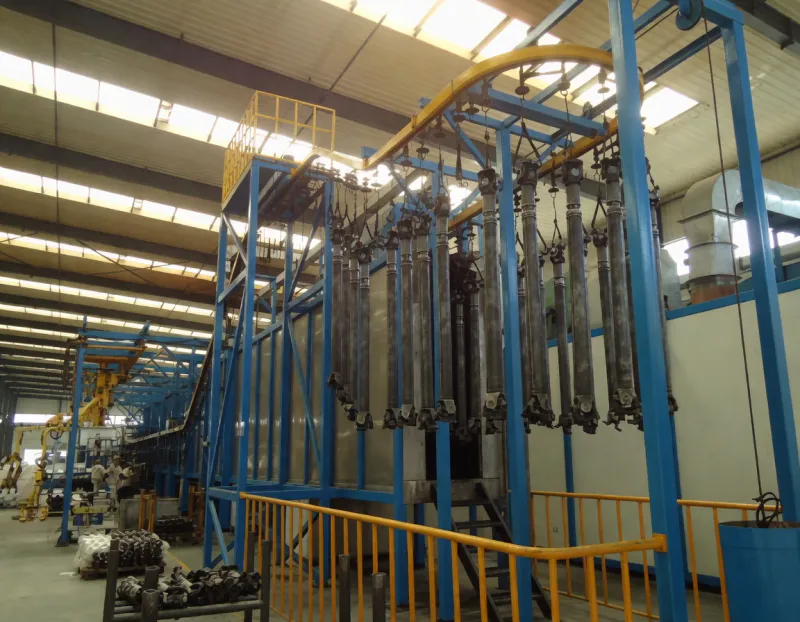
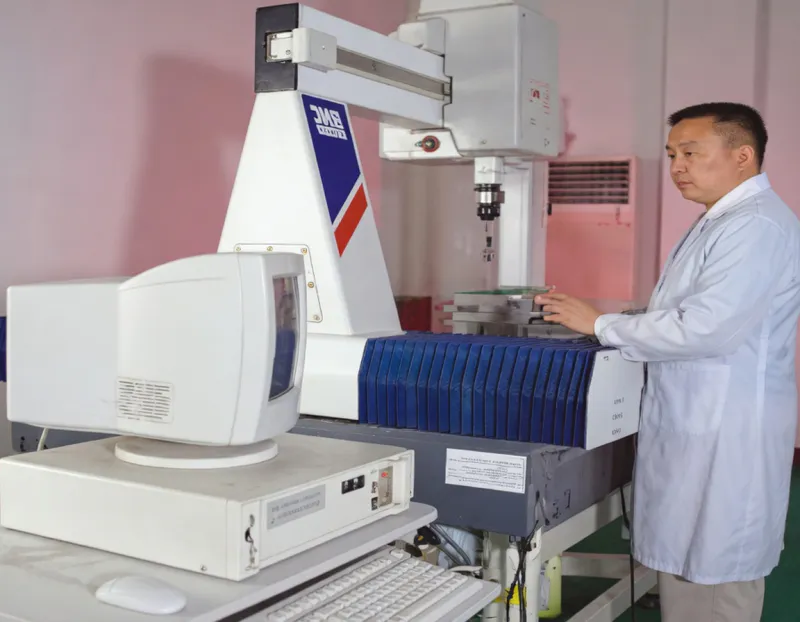
Our engineering and production infrastructure is built around the principle that an accurate replacement part should perform identically to the original throughout its service life, not just pass a quick dimensional check. The production line for MITSUBISHI GUM series universal joints begins with incoming material verification using X-ray fluorescence spectrometry to confirm alloy chemistry before any steel enters the machining or heat treatment cycle. Forged blanks proceed through CNC turning centers where trunnion diameters, cup bore features, and yoke flange faces are machined in a single clamping where possible, eliminating cumulative error from multiple setups. Heat treatment is performed in atmosphere-controlled batch furnaces with computerized temperature and carbon-potential logging, and each load is sample-tested on a calibrated Rockwell hardness tester before parts advance to grinding operations. Final assembly of bearing cups, needle rollers, and lip seals is carried out in a climate-controlled area using calibrated torque tools for circlip installation to prevent over-stress of cup bore housings. Before packaging, each assembly is manually oscillated through its full angular range while a technician listens and feels for any roughness, click, or binding that would indicate incorrect bearing preload or debris contamination, ensuring that only correctly functioning MITSUBISHI Universal joint assemblies leave the facility.

ワークショップ

Workshop factory 8
Workshop factory 6
Workshop factory 5

9. Complementary Products & One-Stop Supply

A reliable MITSUBISHI Universal joint is most effective when the surrounding drivetrain components are equally well-specified. We manufacture a complete range of power transmission and chassis components engineered to work alongside GUM series joints in Mitsubishi and compatible vehicle platforms. By sourcing wheel hubs, axles, and wheel bearings from the same production and quality framework as our universal joints, fleet operators and distributors in Colombia benefit from guaranteed dimensional compatibility, consistent material quality, and streamlined procurement with a single point of accountability. This integrated approach reduces the risk of mixed-quality components creating mismatched service lives within the same drivetrain assembly.

Wheel Hub Assemblies

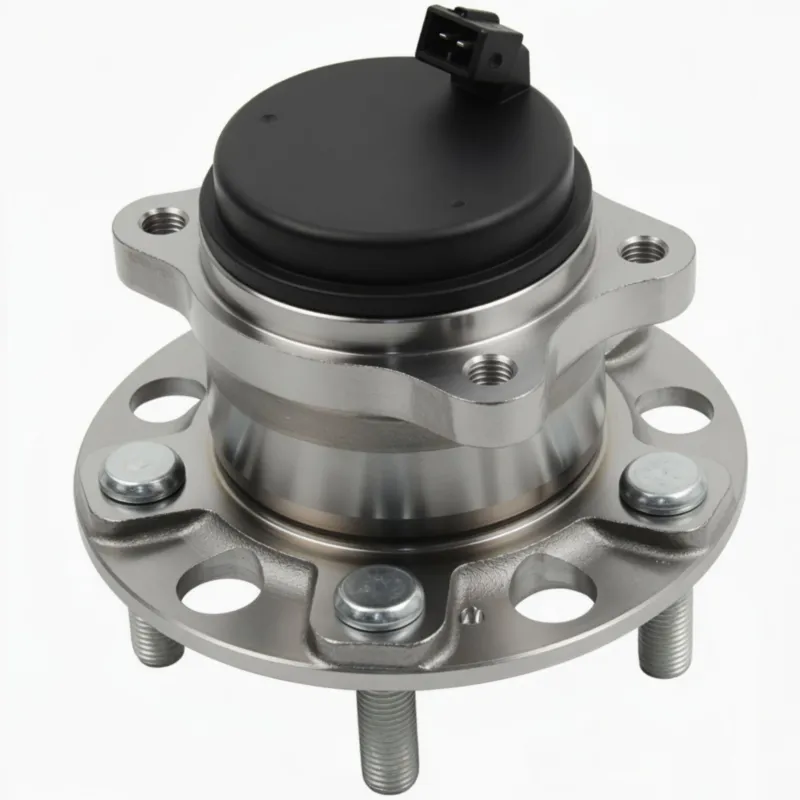
Precision wheel hub units designed for Mitsubishi and compatible commercial vehicle platforms. Engineered to interface correctly with our GUM series universal joint flange geometries, these hubs ensure correct bolt circle alignment and bearing preload for stable, vibration-free wheel end performance.

Wheel hub unit for Mitsubishi vehicles

Axle Shafts & Drive Axles

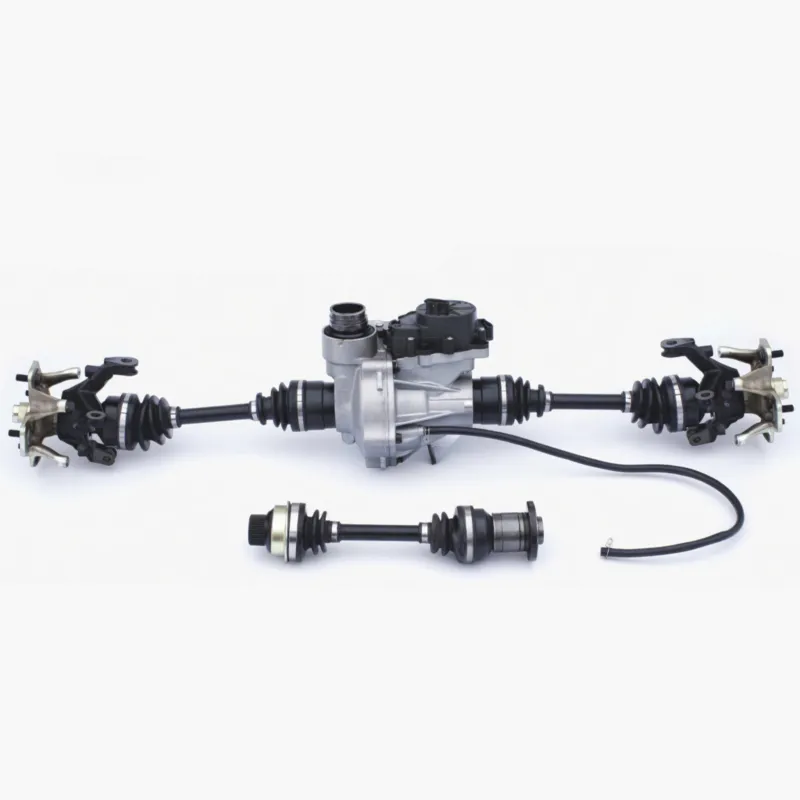
Drive axle shafts manufactured to match OEM material grades and heat treatment profiles for Mitsubishi light and medium commercial vehicle rear axle housings. Correct axle shaft specification is essential for balanced torque distribution, especially in four-wheel-drive configurations where front and rear driveshaft universal joints operate in tandem.

Rear axle shaft compatible with Mitsubishi universal joint systems

よくある質問

Q1. How do I identify which MITSUBISHI GUM Series Universal joint fits my Canter truck model in Colombia?
Look up the original Mitsubishi part number from your vehicle service manual or existing joint, then cross-reference it against the GUM series table using the Original No. column. Alternatively, measure the existing cross-pin trunnion outer diameter (D), the cup-to-cup span (L), and, where applicable, the outer flange diameter (O), then match these dimensions to the GUM specification table. Your local Colombian automotive distributor can also confirm fitment using the KOYO or MATSUBA reference numbers if you have those available.
Q2. What are the most common symptoms indicating a worn MITSUBISHI Universal joint needs replacement on a delivery truck?
The earliest sign is usually a clunking or thumping noise felt through the floor during initial acceleration or when lifting off the throttle, caused by the joint’s small amount of internal play becoming audible under torque reversal. As wear progresses you may notice a vibration that increases with road speed, a feeling of hesitation in drive engagement, or visible corrosion and grease leakage from the bearing cup seals. In steering applications, a worn universal joint gum unit produces looseness and imprecise directional response, a safety concern that should prompt immediate replacement.
Q3. What is the recommended service interval for Mitsubishi Canter universal joint inspection and replacement in tropical Colombian climates?
In tropical Colombian lowland conditions, sealed GUM series joints typically last 80,000–120,000 km on standard delivery routes, but high-humidity environments accelerate corrosion of any exposed metal near the cup seal lips. Vehicles operating on unpaved routes or regularly wading through flooded roads should have propeller shaft joints inspected every 40,000 km for seal integrity and bearing play. At altitude in the Andes where temperature swings are larger, grease consistency changes may shorten effective lubrication intervals, so annual inspection is advisable regardless of mileage for high-altitude operations.
Q4. How does the MITSUBISHI GUM Series Universal joint differ from standard aftermarket replacement joints available in South American markets?
GUM series joints are dimensionally mapped to specific Mitsubishi OEM reference numbers rather than being produced to generic tolerances. The cross-pin trunnion diameters are held to h5 tolerance class, tighter than many generic replacements, ensuring correct needle roller loading and bearing preload. Material specification for both cross-pin and cup components targets the ISO 100Cr6 and carburizing steel grades used in original equipment, rather than lower-grade alternatives. Comprehensive cross-referencing to KOYO and MATSUBA codes provides an additional confidence layer for procurement verification. These characteristics collectively deliver a closer match to original drivetrain performance and service life compared to unspecified generic options commonly found in South American aftermarket channels.
Q5. Which GUM series part number should a fleet manager in Bogotá request when quoting for a Mitsubishi Canter FE series propeller shaft universal joint replacement?
The Mitsubishi Canter FE series typically uses rear propeller shaft joints referenced under original numbers in the 12018, 13501, or 14501 family depending on engine displacement and year of manufacture. GUM80 (D=46, L=142, Original 12018-01110) and GUM82 (D=38, L=104, Original 13501-11010) cover the most common FE fitments. For GUM71 (D=44, L=129, Original 14501-27000) covering later model Canter variants. Confirm the exact original part number from the vehicle service record before ordering to ensure the correct span length for your specific chassis wheelbase configuration.
Q6. How does the universal joint working principle change when used in a two-piece propeller shaft versus a single-piece shaft on Mitsubishi trucks?
In a single-piece propeller shaft, one universal joint at each end accommodates the angle between the gearbox output and the differential input. In a two-piece shaft, a center support bearing midway along the shaft breaks the assembly into a front half and rear half, each with its own pair of joints. This arrangement allows longer wheelbase vehicles to use smaller operating angles at each joint, reducing the speed fluctuation and vibration inherent in Cardan joints operating at larger angles. On longer Mitsubishi Canter wheelbases, the two-piece layout is standard, and the front-section joints typically operate at smaller angles and lower torque loads than the rear joints, which explains why rear joints generally have higher replacement frequency in fleet maintenance records.
Q7. What does the FIG code A, I, or B mean in the MITSUBISHI GUM series specification table, and how does it affect universal joint selection?
The FIG code describes the yoke geometry of the joint assembly. FIG A denotes a standard open-yoke design where the bearing cups are retained by snap rings or circlips in the yoke bores, the most common configuration in automotive propeller shafts. FIG I denotes an integrated flange design where the joint body incorporates a bolt flange that connects directly to a mating flange on the propeller shaft tube or differential pinion, eliminating a separate yoke component. FIG B denotes a bolt-flange cup assembly where the cup itself carries a flange with bolt holes. Selecting the correct FIG type is mandatory because a FIG A joint cannot be installed in a FIG I mounting position without additional adapter hardware, so confirm the yoke style on your vehicle before ordering.
Q8. How does a steering column universal joint differ from a driveshaft universal joint in terms of performance requirements for Mitsubishi vans used in Colombia?
A steering column universal joint transmits relatively low torque but demands near-zero rotational play because any looseness translates directly into vague steering feel that drivers notice immediately. Torsional stiffness and minimal backlash are the primary performance requirements, achieved through very tight needle roller-to-trunnion clearances and accurate cup bore geometry. By contrast, a rear driveshaft universal joint handles high torque and absorbs significant axial and angular misalignment variation, where a small amount of rolling element clearance is acceptable. For Colombian van operators doing high urban mileage, the steering universal joint gum units such as GUM77 and GUM79 should be replaced if play exceeds 1–2 degrees of rotational looseness, well before the noise associated with driveshaft joint wear becomes apparent.
Q9. Which universal joint types in the GUM series are suitable for Mitsubishi four-wheel-drive transfer case output shafts in off-road vehicles operating in rural Colombia?
Transfer case output universal joints must handle the combined torque from the engine and transmission under low-range four-wheel-drive engagement, where torque multiplication is highest. Units in the GUM80 to GUM90 range with 46 mm cross-pin diameters offer the load capacity needed for light four-wheel-drive Mitsubishi vehicles, while the heavier GUM83 and GUM96 with 52 mm journals serve full-sized four-wheel-drive trucks. The sealed needle roller design is particularly valuable in off-road applications where mud and water submersion would rapidly degrade unsealed alternatives. Checking the original part number against the GUM cross-reference table remains the most reliable identification method regardless of intended off-road use.

編集者: PXY