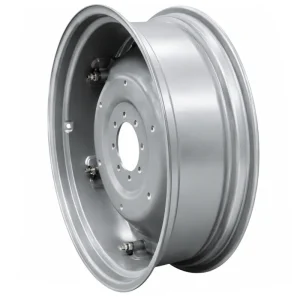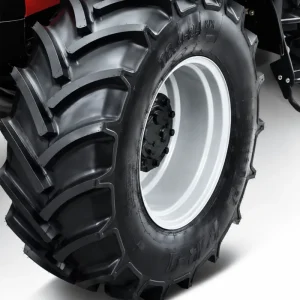
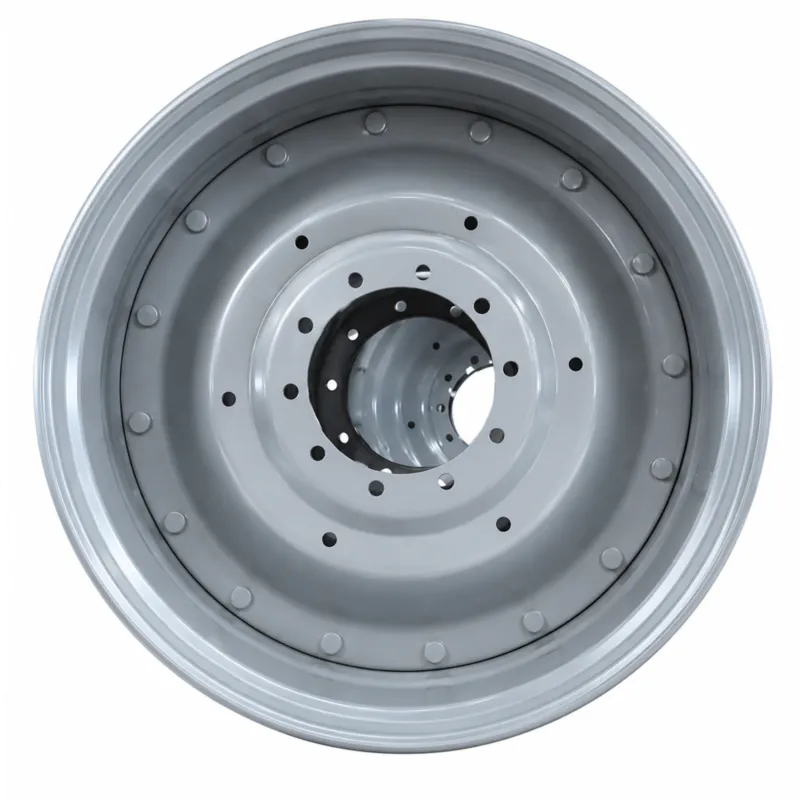
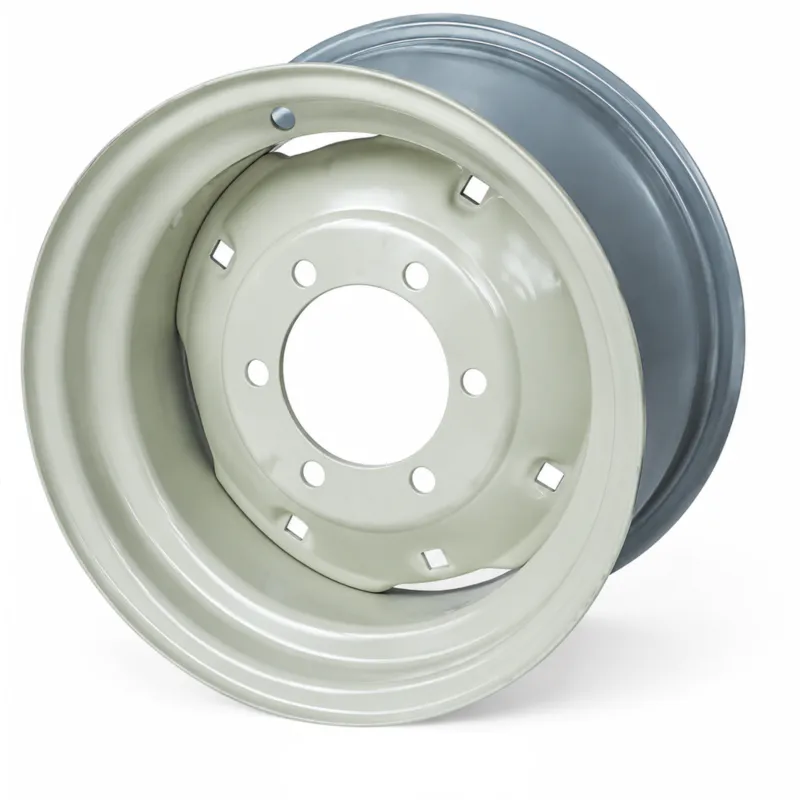
EP-DW-serien jordbrukshjul och konstruktionshjul
Few mechanical demands in industrial operations compare to what an agricultural wheel must endure across a full harvest season. The EP-DW Series agricultural wheel was engineered specifically for these conditions, drawing on design principles validated in the demanding agricultural machinery markets of East Asia and adapted for the tropical and Andean operating environments found throughout Colombia and Latin America. Each agricultural wheel in this series is produced to precise dimensional specifications that ensure correct fitment with combine harvester axle assemblies and construction equipment wheel hubs, delivering the load capacity and structural integrity that heavy machinery operators require for reliable seasonal performance.
The DW designation reflects a product family optimized for dual application: agricultural machinery including combine harvesters and tractors, and constructional wheel applications on excavators, loaders, and road construction equipment. Both application categories share common requirements — large bolt circles with multiple fastening points, high center hole diameters accommodating large axle spindles, substantial connection hole arrays for distributing loads through auxiliary flanges, and material thickness specifications that sustain fatigue life under the cyclic loading inherent to both field operation and construction site work. The EP-DW range spans wheel types from 30-inch to 38-inch diameter configurations, with variations in bolt count, PCD (pitch circle diameter), offset, and connection hole geometry to match the specific hub configurations of the major combine harvester and construction equipment brands operating in Colombian agricultural and infrastructure sectors.
1. Technical Specifications — EP-DW Series Agricultural and Constructional Wheel
The table below covers the complete EP-DW series product range including wheel type designation, factory part numbers, bolt hole configuration, PCD, center hole diameter, weight hole details, connection hole specifications, offset values, and material thickness for both rim and disc. All dimensional values are in millimeters unless stated otherwise. Scroll horizontally on mobile devices to view all columns.
| Hjultyp | Factory Number | Bolt Qty./Dia. | PCD (mm) | Centrumhål (mm) | Weight Hole Qty./Size/PCD | Conn. Hole Qty./Size/PCD | Förskjutning (mm) | Rim Thick. (mm) | Disc Thick. (mm) |
|---|---|---|---|---|---|---|---|---|---|
| 130XDW15L | 30XDW15L | 10 × 23 | 335 | 281.2 | — | 12 × 17.5 / 590.55 | 75 | 5 | 10 |
| 30XDW15L | 30AXDW15L-1 | — | — | — | — | — | — | — | — |
| 30XDW16L | 30XDW16L | 8 × 20 | 275 | 222 | — | — | 60 | 6 | 14 |
| 34XDW15L | 34XDW15L | 8 × 21.4 | 203.2 | 152.6 | 6 × 16.4 / 430 | 8 × 17.2 / 695.8 | 20 | 5 | 10 |
| 34XDW15L | 34AXDW15L | 8 × 21 | 203.2 | 152.6 | 6 × 19 / 410 | 8 × Keyway / 717.5 | 12 | 5 | 12 |
| 34XDW15L | 34AAXDW15L | 8 × 21 | 203.2 | 152.6 | 6 × 19 / 410 | 8 × Keyway / 717.5 | 12 | 5 | 12 |
| 34XDW15L | 34ABXDW15L | 8 × 21 | 203.2 | 152.6 | 6 × 19 / 410 | 8 × Keyway / 717.5 | 19 | 5 | 12 |
| 34XDW15L | 34BXDW15L | 8 × 19 | 203.2 | 150.1 | 3 × 19 / 410 | 8 × Keyway / 717.5 | 68 | 5 | 12 |
| 34XDW15L | 34CXDW15L-1 | — | — | — | — | — | — | — | — |
| 38XDW15L | 38XDW15L | 8 × 21.4 | 203.2 | 152.6 | 6 × 16.4 / 430 | 8 × 17.2 / 787.4 | 18 | 5 | 12 |
All dimensions are in millimeters. "Keyway" connection holes are profiled slots providing positive torque engagement with keyed hub flanges. Contact our technical team to confirm the correct factory number for your specific combine harvester or construction machine model and year before placing an order.
2. Five Key Advantages of EP-DW Agricultural and Constructional Wheels
Multi-Point Connection Hole System for Maximum Load Distribution
What sets the EP-DW agricultural wheel apart from standard commercial wheels is its dual-circle connection hole system, where eight secondary connection holes on a large-diameter PCD (ranging from 590.55 mm to 787.4 mm) work in tandem with the primary bolt circle to distribute the enormous loads generated in combine harvester and construction equipment operation. This configuration — unique to high-duty agricultural wheel rims — prevents the point loading concentrations that cause disc cracking in single-circle designs operating under the sustained high loads of full-capacity grain tank or bucket loading cycles. Colombian operators running John Deere, CLAAS, or local-assembled combine harvesters benefit from this structural approach through extended disc service life between replacements.
Keyway Connection Holes for Secured Torque Transfer
Several variants in the EP-DW series feature keyway-type connection holes ( keyhole profile) in the secondary connection circle, a design feature that provides positive mechanical engagement between the wheel disc and the hub flange adapter. In agricultural wheel applications where the hub configuration uses a keyed flange to transfer drive torque — particularly relevant in front-wheel-assist drive configurations on combine harvesters — the keyway connection prevents relative rotation between wheel and hub under the high traction forces encountered in wet paddy field conditions. This connection method ensures that the agricultural wheel remains positively located regardless of torque direction change, reducing the risk of fastener loosening during reversing maneuvers.
Heavy Disc Material Thickness for Fatigue Resistance
EP-DW series discs are manufactured from steel plate stock in thicknesses of 10 mm to 14 mm, substantially heavier than passenger or commercial truck wheel discs that typically range from four to six millimeters. This disc thickness is not cosmetic — it directly determines the fatigue life of the wheel under the cyclic bending loads at the disc-to-rim junction that result from deflection during field operation. Agricultural wheels for tractor and harvester applications must sustain millions of load cycles across multiple seasons without developing disc fatigue cracks, and the EP-DW disc thickness specification provides the material cross-section needed to keep disc bending stress below the endurance limit of the steel grade used throughout the product's rated service life.
Wide Rim Width Range for Diverse Tire Fitment
The EP-DW agricultural wheel rims are produced in widths of 5 mm profile (standard agricultural section) and 6 mm in specific configurations, accommodating the wide range of agricultural and construction tire section widths used across the Colombian market. Combine harvesters typically use wide-section low-pressure tires that distribute ground pressure to minimize soil compaction in irrigated rice paddy fields — a critical agronomic consideration for Colombian rice producers in Huila and Tolima departments. Correctly specified rim width is essential for proper tire bead seating and maintaining the inflation pressure stability that tubeless agricultural tires require for safe high-load operation.
Full-Range Constructional Wheel Compatibility
Beyond the agricultural sector, the EP-DW constructional wheel configurations serve excavators, wheel loaders, motor graders, and road rollers used across Colombia's extensive infrastructure development program. Construction wheel for sale in this series covers the hub interface specifications of the major construction equipment brands operating Colombian infrastructure projects, providing fleet managers and equipment dealers with reliable local procurement options for wheel replacement rather than depending on factory-direct imports with extended lead times. The structural design philosophy — heavy disc, multi-hole connection system, robust rim — translates directly to construction site durability requirements.
3. Agricultural Wheel Working Principle and Structural Engineering
The agricultural wheel working principle in combine harvester and construction equipment applications differs fundamentally from passenger wheel mechanics. In these heavy-duty contexts, what is wheel construction becomes a question of multi-layer load path management rather than simple disc-to-rim load transfer. The EP-DW wheel transmits loads through three concentric mechanical interfaces: the primary bolt circle connecting to the axle hub spindle, the weight-reducing holes in the disc mid-section that reduce mass without sacrificing structural depth, and the large-diameter connection hole circle that engages with the outer flange adapter or extension hub common on combine harvesters. Together, these three elements create a structural system that distributes the enormous concentrated loads of agricultural operation over a large surface area, preventing the stress concentrations that initiate fatigue cracks.
The disc geometry in the EP-DW series is designed with a significant offset between the mounting face and the rim centerline — ranging from 12 mm to 75 mm depending on the specific configuration. This offset serves a critical function in agricultural wheel rims: it positions the tire contact patch at the correct lateral location relative to the machine's frame centerline, maintaining the wheel track width specified by the combine harvester or tractor manufacturer. Incorrect offset changes the effective track width, affecting the stability of the machine on hillsides, the crop row clearance during field operation, and the machine's behavior during road transport. The EP-DW series covers the range of offsets found across the major combine harvester brands in service throughout Colombia, with configuration variants that match specific model generations.
Rim and disc assembly is performed by high-penetration MIG welding processes that create full-fusion welds at the disc-to-rim interface, the highest-stress zone in the wheel assembly. Weld quality is verified by visual inspection and, on critical configurations, by ultrasonic testing to confirm the absence of incomplete fusion or porosity defects that could initiate fatigue cracks under the sustained cyclic loading of field operation. Completed constructional wheels and agricultural wheel rims are dynamically balanced where application requirements specify it, ensuring smooth operation at the transport speeds that combine harvesters reach when moving between fields on Colombian rural roads.
4. Material Specifications and Surface Treatment
The structural performance of the EP-DW agricultural wheel begins with material selection. Disc components in the heavier-duty configurations use high-strength structural steel in thicknesses of ten to fourteen millimeters, with yield strength in the range of three hundred fifty to four hundred fifty megapascals. This grade provides the combination of strength, weldability, and ductility required for the disc's service conditions — which include not only high static loads but also impact events from rocks and debris in agricultural fields and construction sites. The fourteen-millimeter disc on the 30XDW16L configuration reflects the particularly demanding load and impact conditions of certain wheel loader and construction equipment applications where stones and concrete debris contact the disc face during operation.
Rim stock in the EP-DW series uses a steel grade optimized for cold roll forming with sufficient tensile strength to maintain rim profile integrity under the inflation pressures and lateral loads of large-section agricultural tires. Agricultural wheel rims operate at lower inflation pressures than highway truck rims — typically four to six bar rather than eight to nine bar — but the large tire section widths mean the absolute force on the bead seat flanges remains high. The rim bead seat geometry is formed to ETRTO (European Tyre and Rim Technical Organisation) or matching ISO dimensional standards, ensuring compatibility with the agricultural tire sizes fitted to combine harvesters and construction machinery used throughout Colombia's diverse machinery fleet.
Surface protection on the EP-DW series uses a shot blasting plus powder coat process similar to the commercial vehicle wheel range, but adapted for the more aggressive corrosion environments of agricultural operation. Colombian agricultural zones experience high rainfall, chemical fertilizer and pesticide contact, and soil-embedded moisture that challenge coatings more severely than road environments. The powder coat formulation used on EP-DW agricultural wheels includes anti-corrosion primers appropriate for these conditions, achieving a minimum three hundred hour neutral salt spray performance per ISO 9227 before visible base metal corrosion — substantially better than untreated steel and competitive with painted alternatives available in the Colombian agricultural wheel aftermarket.
5. Application Scenarios Across Colombian Agricultural and Construction Sectors
Rice and Paddy Harvesting — Tolima and Huila Departments
Colombia's rice-producing flatlands in Tolima and Meta departments deploy combine harvesters operating in the wet soil conditions of irrigated paddies, where ground pressure management and wheel stability under load are critical for both crop yield protection and machine stability. The EP-DW agricultural wheel series in the 34XDW15L configurations — particularly those with keyway connection holes — serves the combine harvester drive wheel positions in these operations, providing secure torque transfer and structural durability through full harvest seasons that can extend twelve to sixteen weeks of intensive daily operation in wet field conditions.
Sugarcane Harvesting — Valle del Cauca
Valle del Cauca's sugarcane production — one of Colombia's largest agricultural export industries — relies on continuous-operation harvester fleets that run eighteen to twenty hours per day during the cutting season. Agricultural wheel for tractor and harvester applications in this context requires exceptional fatigue resistance given the sustained duty cycles. The EP-DW 38XDW15L with its large 787.4 mm connection PCD serves the wider-diameter drive wheel positions of sugarcane harvesters, where the greater rim diameter accommodates the larger-section tires needed to navigate deep furrows between cane rows without wheel sinkage.
Road and Infrastructure Construction — National Highway Projects
Colombia's ongoing national highway expansion program, including the Autopistas de Cuarta Generación (4G) concession roads, deploys large fleets of wheel loaders, motor graders, and compactors whose constructional wheels require periodic replacement as the equipment completes project-length contracts. The EP-DW constructional wheel for sale in Colombia serves construction contractors and equipment rental companies seeking locally available wheel replacement stock for major brands in service on these infrastructure projects. The heavy disc construction and multi-point connection system ensure service life appropriate for the sustained high-load cycles of road base compaction and cut-and-fill earthmoving operations.
Mining Sector Support Equipment
Colombia's coal mining operations in Cesar department and gold mining in Antioquia and Chocó departments use wheel loaders and auxiliary equipment in the mine pit and processing areas, where constructional wheels are exposed to the most aggressive combination of loads, impacts, and corrosive mine drainage that any wheel can encounter. The EP-DW constructional wheel series, with its heavy disc and robust weld construction, provides the structural durability that extends wheel service intervals in this demanding environment, reducing the frequency of wheel-related downtime that directly impacts mining production targets.
Agricultural Equipment Dealers and Service Workshops
Agricultural machinery dealers in Bogotá, Neiva, Villavicencio, and other regional centers serving Colombia's agricultural hinterland maintain EP-DW agricultural wheel inventory as aftermarket replacement parts for combine harvesters and tractors sold and serviced within their territory. The range of factory numbers within the 34XDW15L type accommodates the diversity of hub configurations encountered across different original equipment specifications, allowing dealers to serve a broad customer base without stocking an unmanageable number of SKUs. Agricultural wheels for sale through dealer channels benefit from the EP series documentation that facilitates cross-referencing to original equipment part numbers.
6. Regulatory Framework for Agricultural and Construction Equipment Wheels
Colombia: Agricultural and construction machinery in Colombia falls under the jurisdiction of the Ministry of Agriculture and Rural Development (MADR) for agricultural equipment and the Ministry of Transport for machinery operating on public roads. Resolución 4100 establishes maximum vehicle dimensions and weights for road transport, relevant when combine harvesters and wheel loaders travel between fields or construction sites on public roads. The Instituto Colombiano Agropecuario (ICA) oversees agricultural equipment import regulations. Colombian customs classification for agricultural wheels follows harmonized tariff codes that importers must correctly apply to ensure proper duty treatment for this product category.
Europeiska unionen: Agricultural machinery wheels intended for use on self-propelled machinery in EU markets must comply with the Machinery Directive 2006/42/EC, which establishes essential health and safety requirements for machinery components. Agricultural wheel rims must conform to ETRTO dimensional standards for the applicable rim profiles. The EU's regulations on wheel construction for agricultural machinery reference ISO 4251 (tyre and rim dimensions for agricultural machinery) and related standards, ensuring dimensional compatibility between the wheel and the tire sizes homologated for specific machinery types.
Förenta staterna: The American Society of Agricultural and Biological Engineers (ASABE) publishes standards for agricultural tire and rim fitment, including ASABE S296 which defines rim dimension standards for agricultural tires. The ASABE standards cross-reference with the Tire and Rim Association (TRA) yearbook's agricultural section, which defines approved rim widths and diameters for specific agricultural tire sizes. Equipment operators must ensure that replacement agricultural wheels comply with the TRA-listed specifications for the tires mounted on them, both for safety and liability reasons.
ISO internationella standarder: ISO 4251-1 and ISO 4251-3 govern the dimensions and designation of rims for agricultural equipment globally, serving as the reference standard for agricultural wheel hub compatibility documentation. ISO 3006 covers commercial vehicle rim dimensions, relevant to the constructional wheel applications in the EP-DW range. For constructional wheel for sale into markets specifying CE-marked machinery, the wheel must be compatible with the machinery's CE homologation documentation, which references the relevant EN and ISO standards for the applicable equipment category.
7. About Our Agricultural and Construction Wheel Manufacturing
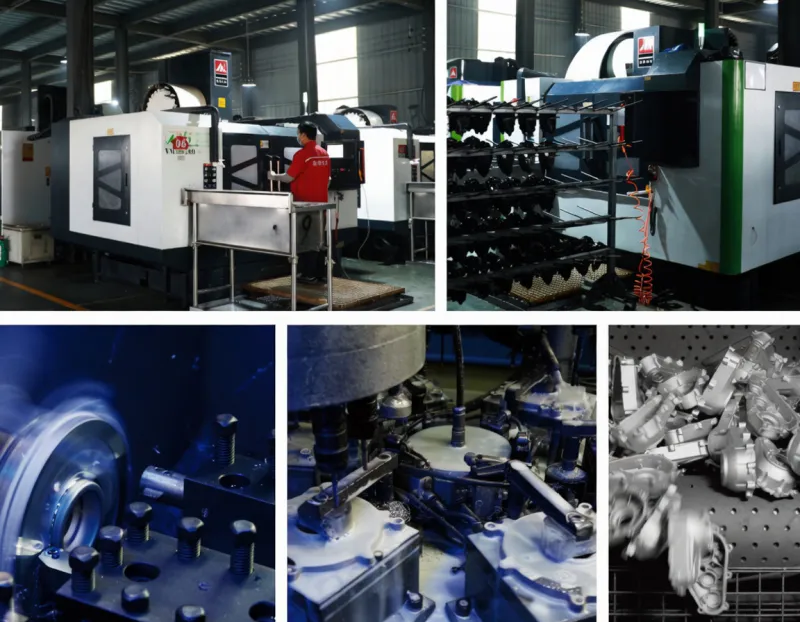
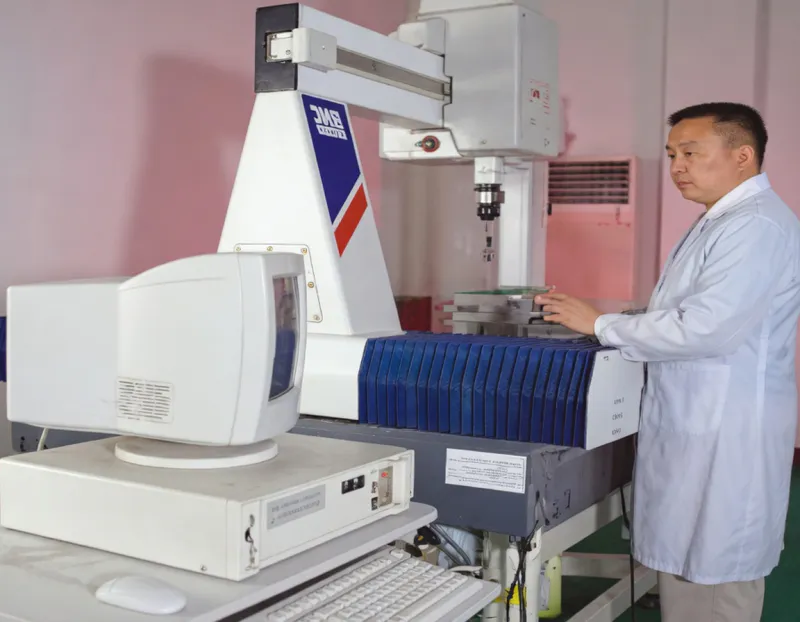
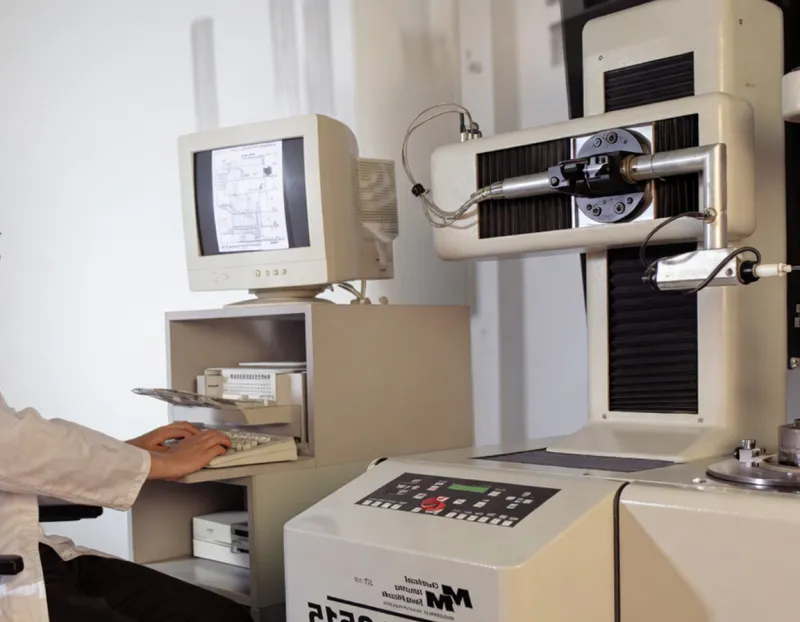
The EP-DW series production line handles the larger diameter and heavier gauge materials of this product category on dedicated equipment configured for the pressing forces and weld processes required by thick disc stock and large rim sections. Quality control for the EP-DW range applies the same CMM (coordinate measuring machine) dimensional verification used in passenger and commercial wheel production, but with inspection protocols extended to cover the connection hole circle positions and keyway geometry that are unique to agricultural and constructional wheel designs.
Our technical team maintains vehicle compatibility data for the major combine harvester models sold in Colombia — including the John Deere S series, CLAAS Lexion, and New Holland TC series — as well as the principal construction equipment brands deployed on Colombian infrastructure projects.
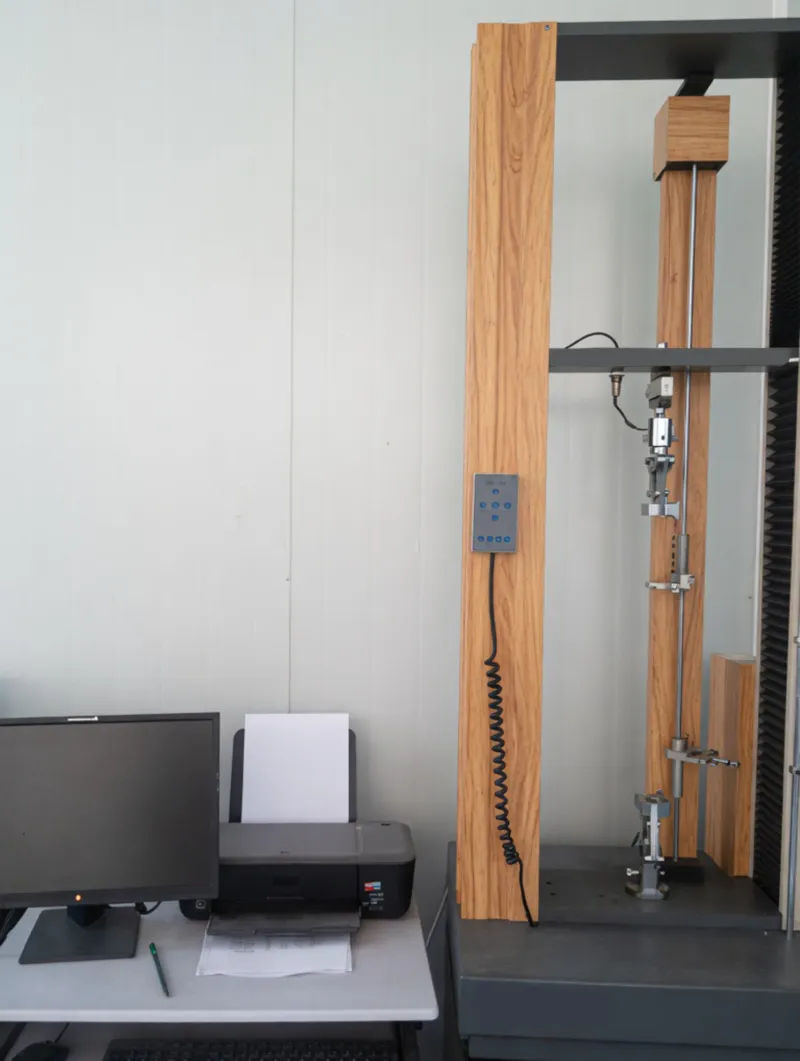
Verkstad
8. Related Products: Complete Wheel and Axle System Supply
An agricultural wheel or constructional wheel performs as part of a broader axle system. Optimal fitment and long-term reliability depend on the compatibility of all components in the wheel-hub-axle assembly. Our product range extends beyond wheels to include wheel hubs and trailer axle components that interface directly with the EP-DW series, enabling one-source procurement for complete axle system assemblies across both agricultural and construction equipment applications.
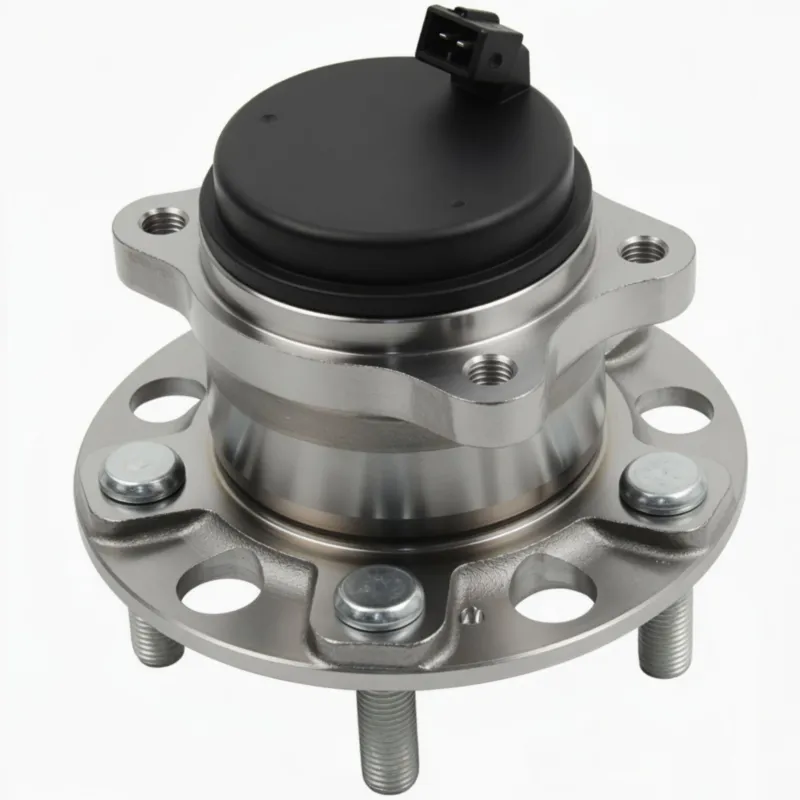
Wheel Hub Units for Agricultural and Construction Equipment
The agricultural wheel hub connects the wheel to the axle spindle and carries the full wheel load through the bearing assembly to the machine's structural frame. Our wheel hub range for heavy agricultural and construction equipment provides hub configurations dimensioned to accept the EP-DW series bolt circles and center hole diameters, ensuring correct fitment across the axle interface. Compatible hub and wheel sourcing eliminates the dimensional mismatch risk that can arise when mixing suppliers with different manufacturing tolerances on critical mating dimensions.
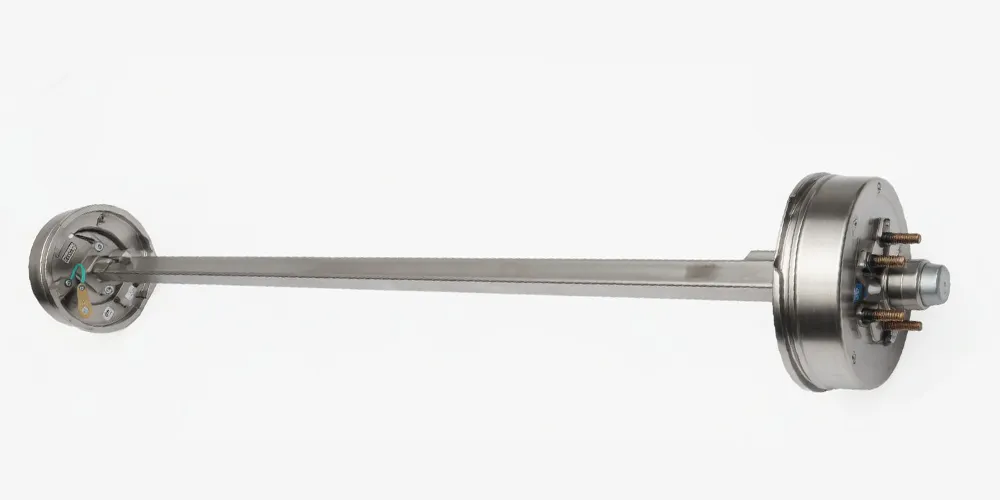
Släpvagnsaxelbalk och släpvagnsspindel
Agricultural trailer and implement chassis used throughout Colombia's farm sector require trailer axle beams and spindles matched to the wheel configurations being fitted. For implements and trailers that use the same wheel family as the EP-DW agricultural wheel range, our trailer axle components provide the spindle diameter, bearing seat geometry, and hub mounting face configuration needed for correct wheel installation. Sourcing both the agricultural wheel and axle beam from a coordinated product range simplifies the specification process and ensures the complete wheel-to-spindle interface functions correctly under field load conditions.
Frequently Asked Questions — EP-DW Agricultural and Constructional Wheels
Redaktör: PXY