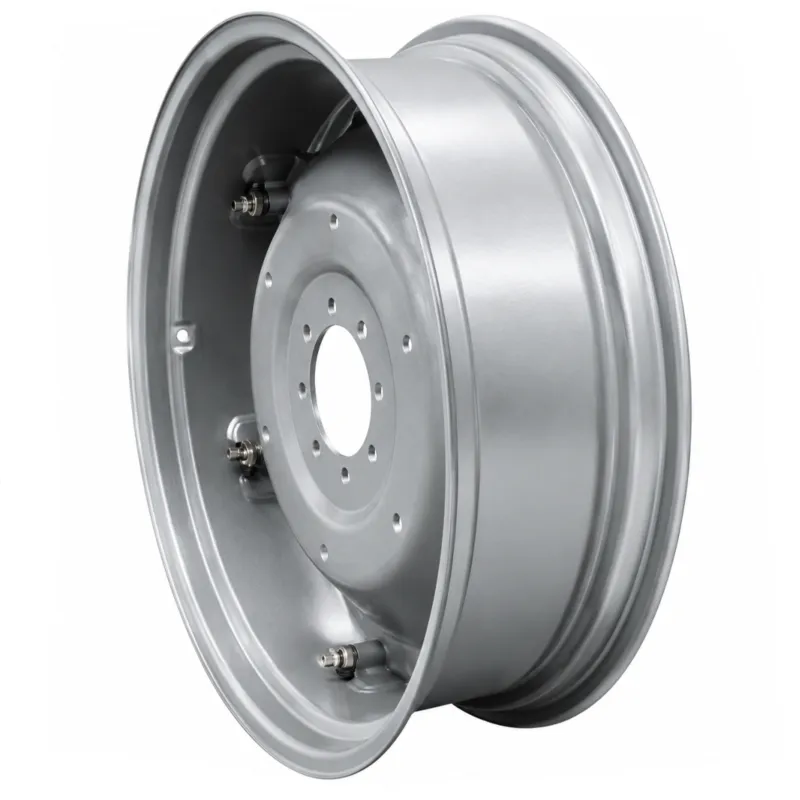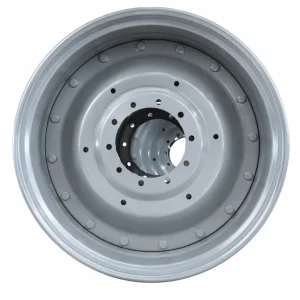
EP-WDC 시리즈 농업용 차량 휠

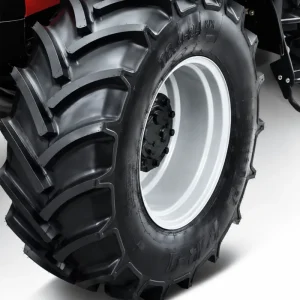
The EP WDC Series Agricultural Vehicle Wheel is a comprehensively engineered steel rim family designed specifically for the structural and dimensional demands of large-scale agricultural machinery — principally combine harvesters, heavy field tractors, and agricultural transport equipment that operate under sustained high-load conditions on soft, uneven, and abrasive farm terrain. The WDC series spans wheel type designations from 5.50FX16 through 42XW18L, covering a rim diameter range from 16 inches to 23 inches and rim widths from 5.5 inches to 18 inches, with bolt hole configurations of 5, 6, 8, and 10 bolts to accommodate the full range of axle hub designs used by major agricultural machinery manufacturers globally.

Large field tractors running at significant drawbar pull generate continuous high-torque loading through the bolt circle that stress the disc-rim weld and connection hole interface well beyond the loading experienced in road vehicle applications. The WDC series addresses these requirements through disc thicknesses of 8 mm to 12 mm and rim thicknesses of 4 mm to 5 mm — selected based on the specific wheel type and application within the series — and through connection hole configurations that include both key-type (keyhole) patterns and multiple-bolt connection designs that provide the engagement area needed to transfer the torque and lateral loads from hub to rim safely across the full service life of the agricultural vehicle wheel.

카테고리:

설명

Wheel Series · EP WDC Model

EP WDC Series Agricultural Vehicle Wheel

Purpose-built steel agricultural vehicle wheel series for combine harvesters, large tractors, and heavy field machinery — covering rim widths from 7 inches to 18 inches, bolt configurations from 5 to 10 bolts, and rim diameters from 16 to 23 inches. Engineered for Colombia’s banana, sugar cane, coffee, and Llanos cattle-farm equipment — with fully documented ISO 9001 quality certification and traceable batch material records for every production lot.

5–10 Bolt Configurations
Rim Width 7–18 in
ISO 9001 인증 획득
100% Weld & Balance Verified
Custom Specs Available

1. WDC Series agricultural wheel for tractor — Complete Technical Specifications

Swipe left/right on mobile devices to view all specification columns.

휠 타입
Factory No.
Bolt Qty
Bolt Dia (mm)
PCD(mm)
중심 구멍(mm)
오프셋(mm)
Conn. Hole PCD (mm)
Connection Type
Rim Thick (mm)
Disc Thick (mm)
Overall Rim Dim.
5.50FX16
5.50FX16
6
19
152
117.7
0
515
Keyhole
4
8
5.50 × 16 in
5.50FX20
5.50FX20
5
19
175
136
25
515
Keyhole
4
8
5.50 × 20 in
5.50FX20A
5.50FX20A
6
19
180
141
10
515
Keyhole
4
8
5.50 × 20 in
24XW7
24XW7
6
16.5
285
250
63
515
Keyhole
4
10
24 × 7 in
24XW10
24XW10
8
21
275
221
22
515
Keyhole
4
8
24 × 10 in
24XW12
24XW12
8
21
275
221
22
410
3 × Keyhole
4
8
24 × 12 in
26XW13
26XW13
8
17
330
290
12
717.1
Keyhole
4
10
26 × 13 in
28XW15L
28XW15L
8
19
203.2
152.6
20
664.9
8 × Keyhole
5
10
28 × 15L in
32XW10
32XW10
8
19
203.2
152.6
20
664.9
8 × Keyhole
4
10
32 × 10 in
30XW12
30XW12
8
21
203.2
152.6
20
840
16 × Keyhole
4
10
30 × 12 in
34XW15L
34XW15L
10
23
335
281.5
56
530
6 × Keyhole
5
12
34 × 15L in
38XW15L
38XW15L
10
23
335
281.5
56
530
6 × Keyhole
5
12
38 × 15L in
38XW18L
38XW18L
10
23
335
281.2
16.3 / 20.3 × 655
Welded
5
12
38 × 18L in
42XW16L
42XW16L
10
23
335
281.2
16.3 / 20.3 × 665
Welded
5
12
42 × 16L in
42XW18L
42XW18L
10
23
335
281.2
16.3 / 20.3 × 665
Welded
5
12
42 × 18L in

Dimensions in mm unless stated. “L” suffix denotes deep bead seat / wide-base rim. Welded connection models are permanently assembled hub-disc units. Custom intermediate sizes available on request.

자동변속기 부품 제품 EP-WDC 시리즈 농업용 차량 휠

2. Five Key Advantages of the WDC Agricultural Vehicle Wheel

1. Purpose-Designed Structural Thickness

With disc thickness specifications ranging from 8 mm to 12 mm depending on wheel type and rim thickness of 4–5 mm, the WDC series is built to the structural demands of agricultural machinery rather than adapted from lighter-duty road vehicle designs. These material thickness values — verified through cornering fatigue and radial fatigue testing at the national-level testing laboratory — provide the fatigue life needed for the multi-season service cycles that combine harvesters and large tractors demand in Colombian continuous-cropping agricultural operations.

2. Comprehensive Torque Connection System

The WDC series incorporates keyhole-type (钥匙孔) connection holes and multi-bolt connection patterns in various model configurations, providing the high-area interface needed to transfer the large torque loads generated by tractor and harvester powertrains to the rim without fretting or fatigue at the connection hole edges. This design feature is what separates a genuine agricultural vehicle wheel from a passenger or light truck rim misapplied to farm machinery — a substitution that results in accelerated connection-hole wear and premature structural failure in high-torque field operation.

3. Wide Model Range for Multi-Equipment Fleets

From small 5.50FX16 wheels used on agricultural trailers and utility machinery to 42XW18L wheels for large harvesters, the WDC series enables agricultural equipment managers to consolidate agricultural vehicle wheel replacement procurement across their entire machinery park — tractors, combine harvesters, grain carts, planters, and large transport trailers — through a single certified supplier. This consolidation reduces inventory complexity and ensures dimensional compatibility documentation is consistent across all wheel positions in a mixed-machinery Colombian estate workshop.

4. Corrosion Protection for Tropical Field Conditions

Agricultural vehicle wheels in Colombian tropical conditions — humid lowlands in the banana and rice zones, wet Andean foothills in coffee regions, and seasonally flooded Llanos grasslands — encounter aggressive corrosion environments that rapidly destroy under-protected steel surfaces. The WDC series zinc-rich primer and topcoat system exceeds 504 hours salt spray resistance per ASTM B117 and provides durable protection across repeated seasons of field exposure, wet storage between crop cycles, and tropical ambient humidity that exceeds 85% relative humidity for extended periods in key Colombian agricultural zones.

5. Traceable Quality Documentation

Each production batch of WDC agricultural vehicle wheels is accompanied by material certificates, dimensional inspection records, and weld quality test results. ISO 9001:2015 quality management system certification provides the systematic process control framework that large Colombian agricultural conglomerates, machinery importers, and OEM supply agreements increasingly require from wheel suppliers as a baseline qualification criterion. Free samples are available for pre-qualification testing by agricultural equipment workshops and fleet procurement managers evaluating this series as an agricultural vehicle wheel replacement standard.

3. Engineering Design and Working Principle

The structural design of an agricultural vehicle wheel differs fundamentally from that of a road vehicle wheel because the applied load magnitudes, load distribution patterns, and failure modes encountered in field operation are substantially more severe than those the road vehicle wheel must survive. A combine harvester agricultural wheel, for example, supports a static load of several thousand kilograms transmitted through a tire inflated to relatively low pressure — commonly 1.0 to 2.0 bar — to maximize ground contact area and minimize soil compaction. At this low inflation pressure, the tire sidewall transmits significant bending load into the rim flange rather than acting as a stiff pressure vessel, placing the rim flange and disc-rim weld zone under bending fatigue loading that repeats with every wheel revolution at field travel speeds. The WDC series addresses this loading pattern through the combination of increased disc and rim material thickness and the use of continuous weld joint geometry at the disc-rim interface rather than the spot or seam weld configurations sufficient for lighter road vehicle wheels.

The connection hole system — the interface through which hub-to-wheel torque and lateral cornering force is transmitted — is the most structurally critical detail in an agricultural vehicle wheel design. Large-frame tractor wheels must transmit drawbar pull torques that can reach tens of thousands of Newton-meters through the connection holes to the hub and axle system. The WDC series uses two connection approaches depending on the wheel model. Keyhole-type connection holes in the larger models — such as the 24XW, 28XW, 30XW, 32XW, 34XW, and larger types — provide a large bearing area at the key engagement zone that distributes hub-to-rim torque across a substantially wider surface than a standard bolt hole, reducing stress concentration and extending connection fatigue life. Welded connection approaches (焊合) on the largest models — 38XW18L, 42XW16L, and 42XW18L — indicate that these discs are permanently attached to specific hub assemblies by welding during assembly, providing the highest possible connection rigidity for the largest harvester wheel positions where the combination of extreme load and large offset would otherwise require very high fastener pre-load forces that could not be reliably maintained in seasonal field service. These engineering choices — matching connection method to load magnitude and service conditions — reflect the application depth that genuine agricultural wheel manufacturers bring to the product compared to road wheel suppliers adapting standard products to agricultural use.

4. Material Specification and Surface Treatment

The structural steel grades used across the WDC series are selected to meet the dual requirements of formability during production and fatigue strength during agricultural service. Rim components use flat-rolled structural steel with minimum yield strength of 340 MPa and tensile strength of 440–580 MPa depending on the specific model’s load requirements — grades that can be roll-formed to the wide-base and standard agricultural rim profiles without cracking while providing the hoop strength needed to resist tire inflation pressure and rim bead-seat loading under heavy agricultural loads. Disc components require steel with sufficient draw depth capacity to form the deep disc geometry of large agricultural wheels — particularly the 28XW through 42XW sizes where disc depth exceeds 200 mm — while maintaining the through-thickness impact toughness that resists brittle fracture when agricultural wheels encounter buried rock, tree roots, or hardpan soil breaks in field operation. Selected larger models use higher-strength plate grades up to 460 MPa yield to achieve the disc thickness-to-weight ratio appropriate for the maximum load models in the series.

The disc-to-rim weld is produced by multi-pass submerged arc welding or MIG welding processes validated to achieve full penetration through the disc flange thickness — critical for the continuous high-torque and bending loads that agricultural vehicle wheels transmit across multi-year field service cycles. Weld quality is verified by visual inspection, weld penetration testing, and for selected critical models, non-destructive examination. Surface preparation begins with shot blasting to Sa 2.5 standard. A zinc-rich primer at 35–45 μm dry film thickness provides cathodic protection against undercutting corrosion at any mechanical damage points — agricultural wheels regularly sustain stone impact and soil abrasion that creates coating breaks where unprotected steel would rapidly oxidize in Colombia’s tropical moisture conditions. The polyester topcoat at 60–80 μm provides UV resistance, abrasion resistance, and the visual condition monitoring that field maintenance crews rely on to assess corrosion status during seasonal workshop inspections. Agricultural wheel rims for field use in Colombia’s humid tropical zones benefit from this multi-layer system more than standard road wheel applications because field-wheel corrosion is substantially accelerated by soil chemistry, fertilizer residues, and constant moisture contact that road wheel environments do not replicate.

5. 적용 시나리오

The WDC agricultural vehicle wheel series serves the major mechanized farming equipment categories operating across Colombian agriculture and export markets. Below are the principal application scenarios where this wheel specification provides its greatest value.

Combine Harvester Drive and Carry Wheels

Large combine harvesters operating in Colombia’s grain, rice, and soybean harvest cycles place the most demanding load requirements on any agricultural vehicle wheel in the fleet. The 30XW12, 32XW10, 34XW15L, 38XW15L, and 38XW18L variants address the dimensional requirements of major harvester chassis designs, with disc thicknesses of 10–12 mm and deep connection hole configurations providing the structural margin needed across multi-season harvester service without wheel replacement driven by fatigue rather than wear. Agricultural wheel manufacturers supplying this segment need national-level fatigue test certification to support the safety documentation that large agribusiness operations in Valle del Cauca and the Llanos require from their equipment suppliers.

Heavy Field Tractor Drive Axle Wheels

Colombian mechanized soybean, corn, and cotton production on the Llanos Orientales increasingly uses 250+ HP tractors for primary tillage, subsoiling, and planting operations that generate extreme drawbar pull torque through the rear drive axle wheels. The 24XW12, 26XW13, and 28XW15L variants with their high-area keyhole connection systems handle the torque transmission demands of these large tractor platforms. Agricultural wheel rims used in continuous plowing service on the Llanos clays also face abrasive soil contact on the rim flange during turns — this is a wear mechanism that steel wheel surfaces handle better than alternative materials given the weldable nature of steel when field repairs are needed.

Sugar Cane Harvesting Equipment

Sugar cane harvesters operating in Valle del Cauca, Risaralda, and Cauca departments must traverse extremely soft, irrigated sugarcane field soils where wheel sinkage and soil adhesion create continuous lateral rim bending loads. The very large contact area tires used on cane harvesters require wide-base rim configurations — precisely the WDC large-L series models — and the harvester’s frame-mounted drive systems impose the high-torque connection loads that drive the welded-disc connection approach used on the 38XW18L, 42XW16L, and 42XW18L models. Colombian sugar cane operations represent one of the most demanding agricultural vehicle wheel applications in the country, and the welded hub-disc design provides the permanently rigid torque interface that eliminates field-maintenance bolt retorquing in this application.

Banana and Palm Oil Plantation Transport

Banana plantations in Urabá and the Magdalena coastal zone use tractor-pulled rail systems and plantation transport vehicles that operate on soft, constantly humid soils. Palm oil estates in the Pacific coast departments and the Llanos use heavy tractors and transport carts on similarly soft terrain. The 24XW7, 24XW10, and 5.50FX20 agricultural vehicle wheel variants address the plantation transport equipment segment — smaller-rim, moderate-load configurations that prioritize maneuverability over maximum payload. The corrosion protection specification is particularly relevant in banana plantation environments where potassium fertilizer residues and continuous tropical moisture create highly corrosive conditions for unprotected steel wheel surfaces.

Agricultural Trailer and Grain Cart Wheels

Grain carts, fertilizer spreader trailers, and agricultural transport trailers in Colombian grain production zones require agricultural vehicle wheels capable of carrying loads of several tonnes while traveling both on farm tracks and public roads between farm and storage facilities. The 5.50FX16, 5.50FX20, and 20XW7 configurations at the lower end of the WDC size range serve agricultural trailer and utility vehicle applications, providing the correct flange and bead seat geometry for the large-section tractor-implement tires used on these trailers. An agricultural trailer wheel hub matched to the WDC wheel specification completes the load path from tire to axle bearing.

OEM Supply for Agricultural Equipment Manufacturers

Agricultural machinery manufacturers building tractors, harvesters, and implements for the Latin American market specify production agricultural vehicle wheels from qualified component suppliers with the full documentation trail needed for OEM machinery CE marking, SENASA equipment registration, and INVIMA-relevant compliance where applicable to food-contact agricultural machinery. The WDC series with ISO 9001 certification, dimensional drawing packs, and batch material certificates provides the supplier qualification documentation that OEM quality assurance teams require. Custom agricultural wheel rims to specific OEM drawings and non-standard specifications are available at agreed minimum order quantities with engineering drawing review included in the qualification process.

자동변속기 부품 제품 EP-WDC 시리즈 농업용 차량 휠

6. Regulatory Framework and Standards Compliance

Agricultural vehicle wheels and rims are subject to technical standards and regulatory requirements that differ significantly from those governing passenger car or commercial truck wheels, reflecting the different load magnitudes, speed ranges, and operational environments of agricultural machinery. The primary international standard applicable to agricultural rim specifications is ISO 4251 (Tyre and rim nomenclature and designation for agricultural vehicles) and related ISO standards in the 4250 series, which define the dimensional specifications and identification methods for agricultural rims and the tire-rim fitment combinations approved for agricultural applications. The WDC series dimensional specifications conform to ISO 4251 agricultural rim nomenclature — the 24XW, 28XW, 30XW, 34XW, 38XW, and 42XW designations follow the ISO/DIN agricultural rim naming convention directly. ETRTO (European Tyre and Rim Technical Organisation) publishes standards for agricultural tires and rims that align with ISO 4251 and are referenced in European CE-marked agricultural machinery documentation.

In Colombia, agricultural machinery — including harvesters, large tractors, and agricultural transport equipment — falls under ICA (Instituto Colombiano Agropecuario) and Ministry of Agriculture oversight for phytosanitary and food safety purposes, while vehicle registration of road-going agricultural equipment is administered by the Ministerio de Transporte under the RUNT (Registro Único Nacional de Tránsito) framework. Agricultural vehicles operating on public roads must comply with Resolución 4100 de 2004 maximum dimension and axle load requirements, and replacement agricultural vehicle wheels fitted to road-going tractors or transport equipment must conform to the wheel specification documented in the vehicle’s RUNT registration. For Colombian agricultural equipment importers and dealers, the ISO 9001 certification and dimensional compliance documentation provided with WDC series wheels facilitate customs clearance, equipment registration, and compliance with the technical requirements that large agribusiness procurement teams increasingly specify in their supplier qualification criteria aligned with international standards. In the European Union — a destination for Colombian agricultural commodity exports — agricultural machinery CE marking under Machinery Directive 2006/42/EC requires wheel specification documentation as part of the technical file; WDC wheel dimensional drawings and material certificates satisfy this documentation requirement for equipment manufacturers exporting to EU markets.

7. 회사 소개

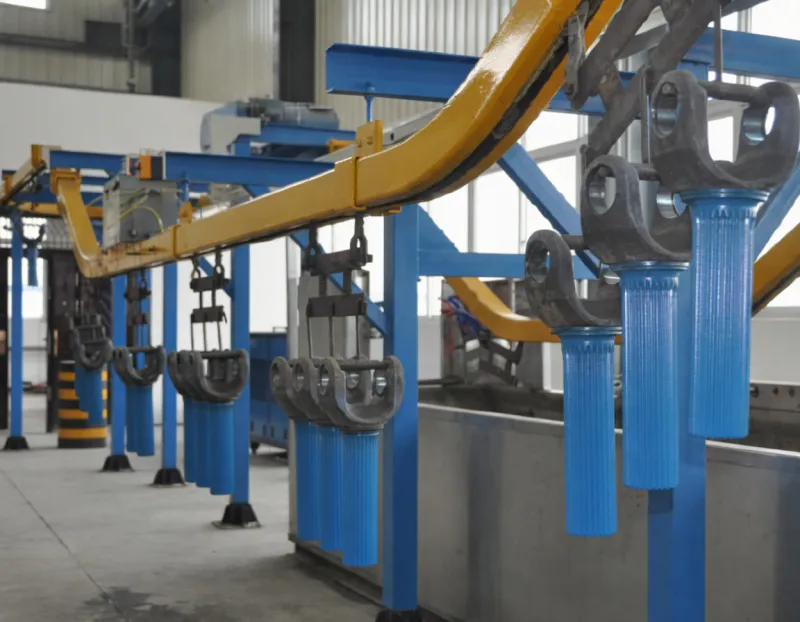
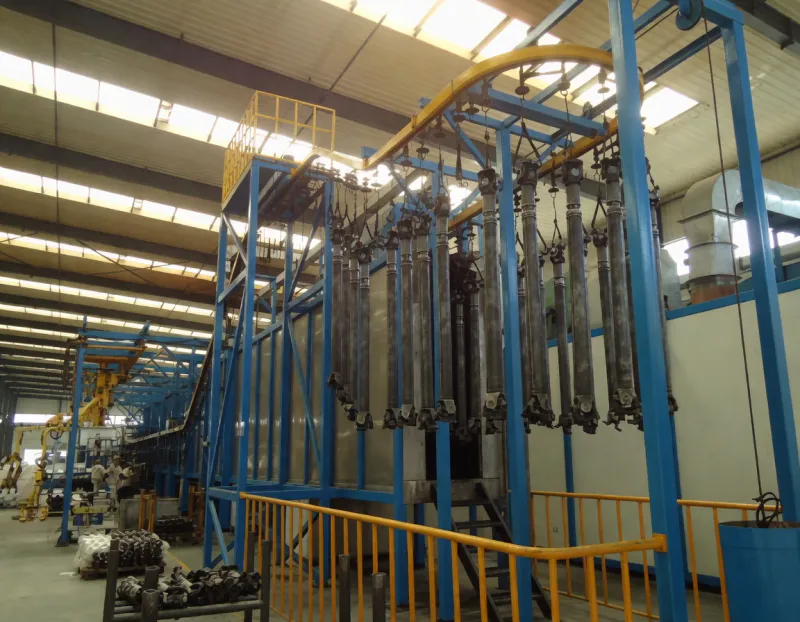
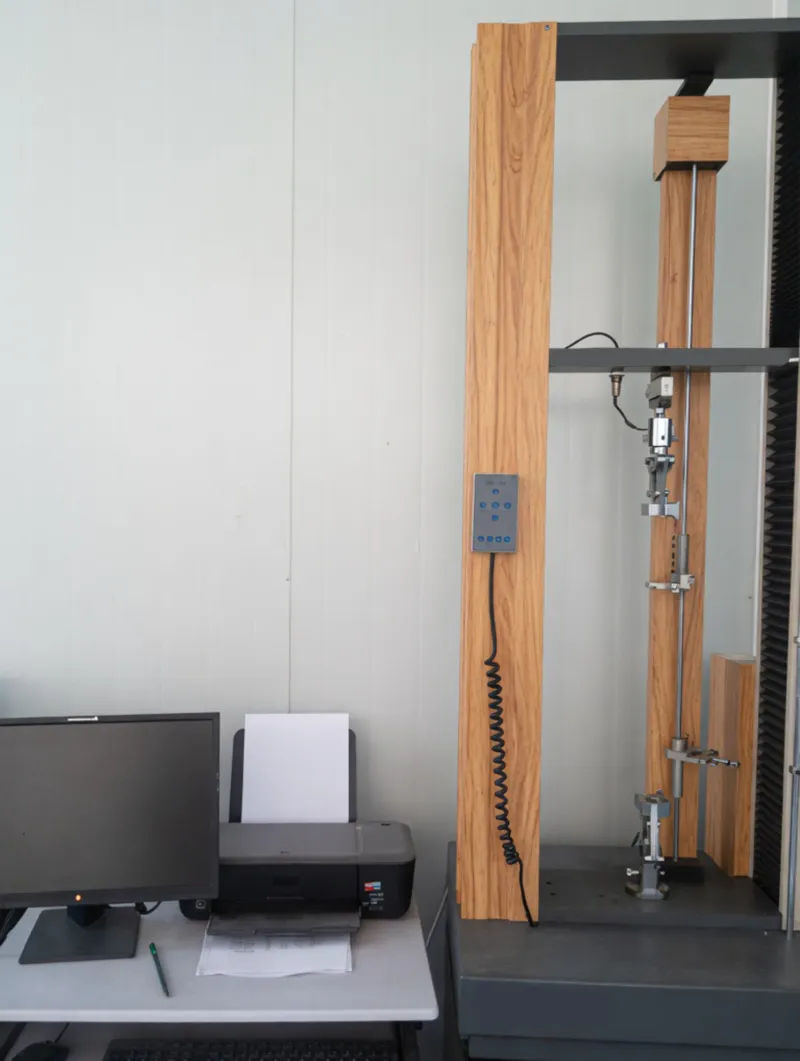
Our agricultural vehicle wheel production benefits from the same advanced manufacturing infrastructure as our commercial vehicle wheel lines: CNC stamping presses, multi-pass welding systems, automated assembly lines, and a national-level testing center equipped to conduct wheel cornering fatigue testing, radial fatigue testing, impact testing at multiple angles, weld penetration verification, CMM dimensional analysis, salt spray corrosion testing, and sparking spectral analysis of material composition. The production facility operates under ISO 9001:2015 quality management system certification, and every production lot is traceable through raw material certificates to finished goods inspection records.

작업장

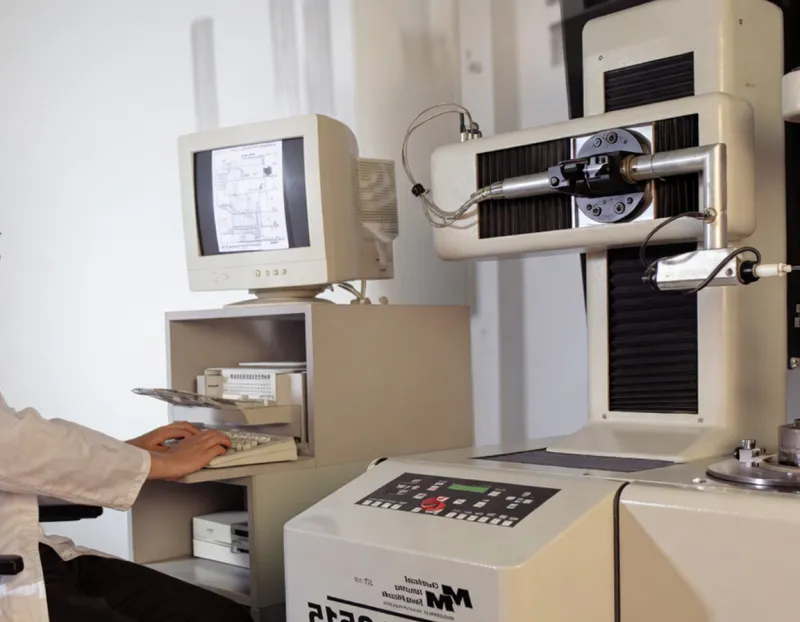
Agricultural wheel rim heavy press and roll-forming line
WDC agricultural wheel disc welding and assembly station
Agricultural vehicle wheel quality inspection and dimensional verification
Finished agricultural wheel coating and dispatch preparation area

8. Related Products — Complete Your Agricultural Wheel System

A correctly functioning agricultural wheel assembly depends on dimensional compatibility between the wheel, the hub, and the axle bearing assembly. We manufacture the complementary components needed for fully integrated, one-source agricultural wheel system procurement.

Agricultural Wheel Hubs

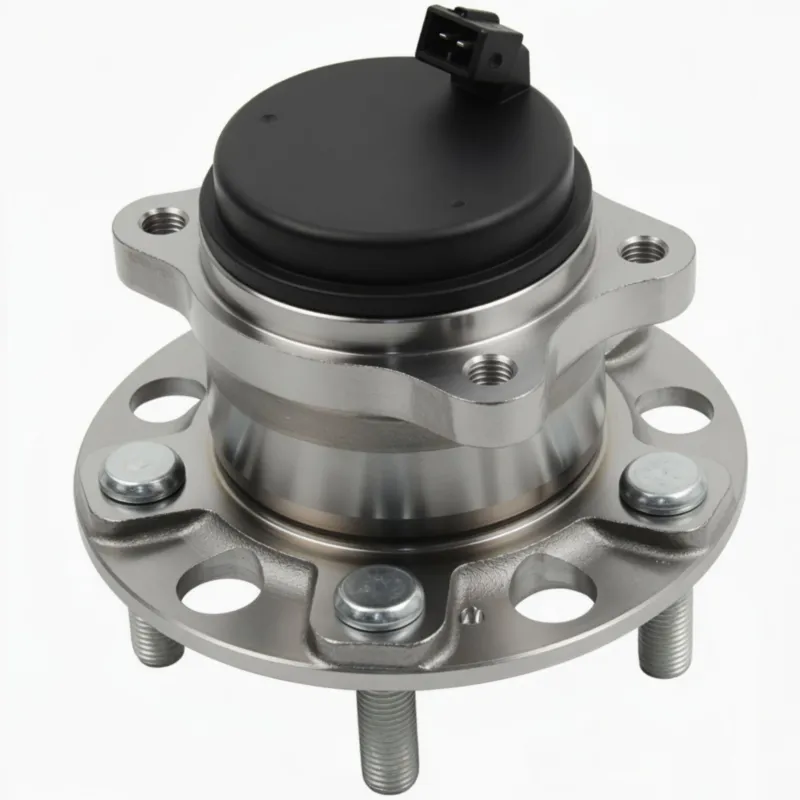
An agricultural trailer wheel hub or tractor wheel hub must match the WDC wheel’s center bore, bolt circle PCD, and connection hole pattern precisely to achieve correct wheel centering and full fastener engagement. Our 휠 허브 for agricultural vehicle applications are machined to the center bore diameters and bolt circle specifications that directly correspond to the WDC series wheel range — from the smaller trailer hub configurations matching the 5.50FX and 24XW models, through the large harvester hub assemblies matching the 34XW, 38XW, and 42XW wheel types. Sourcing wheel and hub from the same manufacturer eliminates the dimensional mismatch risk that causes premature bearing failure and wheel centering problems in field service.

Agricultural vehicle wheel hub unit compatible with WDC series

트레일러 액슬 빔 / 트레일러 스핀들

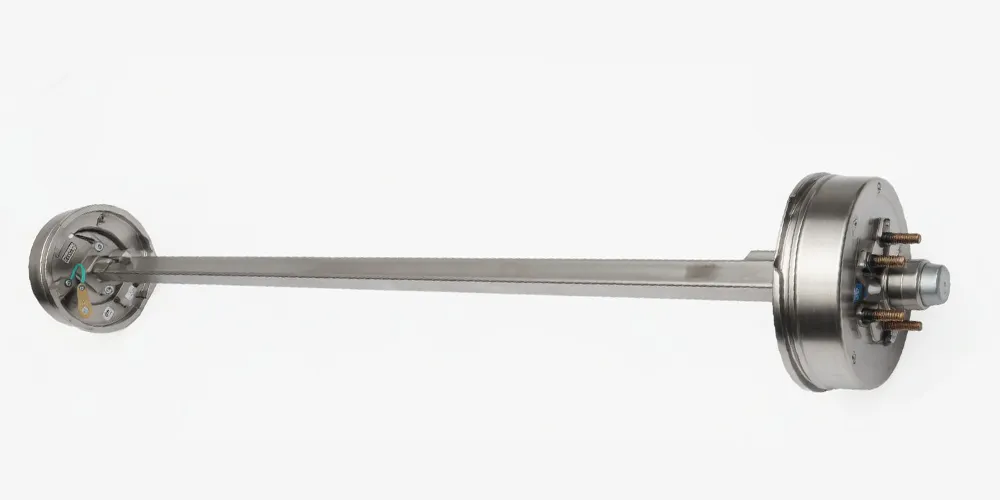
Agricultural trailer axles and implement transport trailer axles carrying WDC series wheels must have spindle geometry — bearing journal diameter, hub-mounting bolt circle, and spindle-to-hub offset — dimensionally coordinated with the wheel specification to achieve correct track width, proper bearing pre-load, and full thread engagement at the wheel nuts. Our 트레일러 액슬 빔 및 트레일러 스핀들 assemblies are engineered for compatibility with the smaller WDC agricultural trailer wheel models, providing a complete axle-and-wheel system for grain cart, fertilizer trailer, and implement transport applications used throughout Colombian agricultural operations from the Llanos to the Andean foothills. Consolidated system procurement from a single source reduces vendor management complexity and ensures coordinated lead times during seasonal equipment preparation periods.

Trailer axle beam and spindle compatible with agricultural vehicle wheel series

자주 묻는 질문

Q1. What are agricultural wheels called in technical specifications and how do they differ from standard truck wheels? +
In ISO and ETRTO technical standards, these components are formally designated agricultural rims or agricultural vehicle wheels to distinguish them from passenger car wheels, truck wheels, and trailer wheels. The key structural differences are: substantially thicker disc material (8–12 mm in the WDC series versus 4–6 mm in truck wheels), specialized connection hole systems designed for high-torque drive axle loads, wide-base and extended-flange rim profiles accommodating large-section low-pressure agricultural tires, and larger overall dimensions matching agricultural tire standards defined in ISO 4251. Using road vehicle wheels on agricultural machinery — a cost-cutting substitution sometimes attempted — typically results in premature connection hole wear or disc fatigue failure because the structural load case for agricultural service exceeds road wheel design criteria by a significant margin.
Q2. What custom agricultural vehicle wheel configurations are available for non-standard tractor or harvester axle specifications in Colombian estate operations? +
Custom WDC wheel configurations available include: non-standard center bore diameters not covered by the standard model range; modified connection hole PCD or count to match non-standard hub assemblies; special disc thicknesses exceeding the standard 8–12 mm range for extreme load applications; agricultural wheel rims with additional weight holes for track width adjustment systems; modified offset values for dual-wheel configurations on heavy tractor drive axles; and alternative surface treatment systems — hot-dip galvanizing or epoxy-heavy primer — for particularly corrosive soil chemistry environments. Custom orders require approved engineering drawings and carry a minimum order quantity depending on machining complexity. Engineering review and drawing confirmation are included in the qualification process at no additional charge.
Q3. How often should agricultural vehicle wheels be inspected and replaced on harvester and tractor fleets operating in Colombian tropical conditions? +
Annual pre-season inspection is the industry standard for agricultural vehicle wheels on high-utilization combine harvesters and large tractors — typically before the main harvest campaign begins. Inspection should cover: visual check of connection holes for fretting wear, elongation, or cracking; disc face for fatigue cracks radiating from the connection hole pattern or weight holes; rim bead seat for corrosion pitting that could impair tire sealing; and weld zone for surface cracking or separation. In Colombian tropical conditions, accelerated corrosion makes coating condition inspection more critical than in temperate climates — patches of surface rust through the coating in the disc-rim weld area should prompt detailed weld inspection before the next high-load season. Welded-connection models (38XW and 42XW types) should have the welded interface examined by penetrant testing at major overhaul intervals on machines logging more than 1,500 hours annually.
Q4. What agricultural wheel hub compatibility is needed when fitting WDC large-series wheels to drive axles on Llanos grain production tractors? +
For WDC series 24XW through 32XW wheels on tractor drive axles, the agricultural wheel hub must provide matching bolt circle PCD, bolt hole diameter, and center bore geometry as specified in the WDC wheel’s data sheet. Additionally, the axle hub flange face runout must be within the limit that maintains wheel disc face contact across all bolt positions — typically ≤0.3 mm total indicator runout on the hub flange mounting face. On Llanos grain production tractors where continuous high-drawbar pull creates sustained torque loading through the keyhole connection system, the hub keyhole stud dimensions must match the WDC wheel’s keyhole slot dimensions precisely to avoid fretting wear at the engagement surface. Contact us with your tractor’s axle hub specification for confirmation of the correct WDC model and any hub interface requirements.
Q5. Which agricultural wheel rims from the WDC series are best suited for use in banana plantation transport tractors operating in Urabá’s humid coastal soils? +
For plantation transport tractors in Urabá banana operations — typically medium-frame tractors of 80–150 HP pulling loaded transport carts on permanently soft, humid soils — the 24XW7, 24XW10, or 5.50FX20 WDC wheel types are most applicable depending on the specific tire size fitted. These models provide the rim width and flange geometry needed for the large-section, low-pressure tires that maximize ground contact area and minimize soil compaction in the permanent plantation soil conditions. The zinc-rich primer plus polyester topcoat system on WDC wheels is specifically valuable in banana plantation environments where potassium and nitrogen fertilizer residues in soil and irrigation water create highly corrosive conditions that destroy inadequately protected steel wheel surfaces within one or two growing seasons. Contact us with your tractor model and tire size for a specific model recommendation.
Q6. How does the welded connection type on WDC 38XW and 42XW agricultural wheels differ from keyhole-type and what are the installation implications? +
Keyhole-type connection wheels are separate disc components that bolt to the hub using stud-and-nut fasteners engaging the keyhole slot geometry — they can be removed and replaced independently of the hub without any permanent modification to either component. Welded-connection WDC models (38XW18L, 42XW16L, 42XW18L) have the rim permanently welded to the hub disc assembly during factory production, creating a single inseparable unit. This provides maximum torsional rigidity and eliminates any possibility of connection loosening in extreme torque service. The installation implication is that welded-connection wheels are hub-specific — they must be ordered as a complete rim-plus-disc-hub assembly matched to the specific harvester axle hub it will mount on, not as a standalone rim. When these wheels require replacement, the entire welded assembly is replaced as a unit. Contact our engineering team with harvester axle hub dimensions to configure the correct assembly specification.
Q7. When is it necessary to use dual agricultural vehicle wheels on a tractor, and which WDC models support dual-wheel configurations? +
Dual wheels (twin wheels mounted side by side on the same axle position) are used when soil bearing capacity is insufficient to support the tractor’s axle load on a single wheel-tire combination without excessive sinkage. This is common in rice paddy farming, irrigated sugarcane zones in Valle del Cauca, and wet-season Llanos operations where soil bearing capacity drops below critical limits. WDC models with weight holes — specifically 24XW10, 28XW15L, and related configurations — are designed to accommodate the spacer and hardware needed for dual mounting. The offset specification must be carefully verified when configuring dual wheels to ensure that the combined track width remains within the equipment’s design parameters and that hub bearing lateral loads stay within rated values. Our engineering team can provide dual-wheel spacer specification consultation with WDC model selection for specific Colombian farm equipment applications.
Q8. How do WDC agricultural vehicle wheels comply with ICA and Colombian Ministry of Agriculture equipment requirements for registered farm machinery? +
Agricultural machinery operating in Colombia must comply with ICA (Instituto Colombiano Agropecuario) sanitary and phytosanitary equipment standards, Ministry of Agriculture technical regulations for specific crop sectors (sugar cane, banana, etc.), and RUNT vehicle registration requirements for road-going agricultural vehicles. Replacement agricultural vehicle wheels fitted to registered tractors and harvesters must match the specifications documented in the original equipment registration — deviating from the registered rim size, width, or bolt pattern requires technical justification and re-registration. Our ISO 9001 certificates, dimensional drawings, and material certificates provide the technical documentation trail needed to support equipment re-registration applications when wheel specification updates are part of a planned machinery upgrade. Contact our technical team for documentation guidance specific to your equipment registration and Colombian regulatory authority requirements.

편집자: PXY