Сипаттама
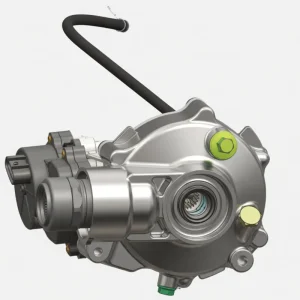
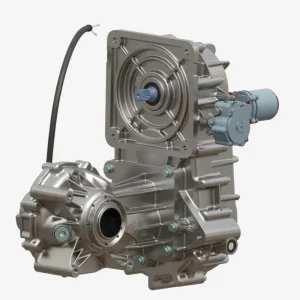
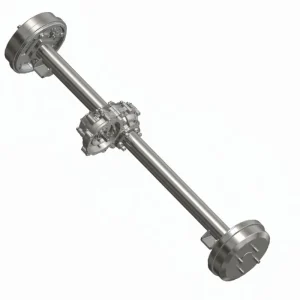
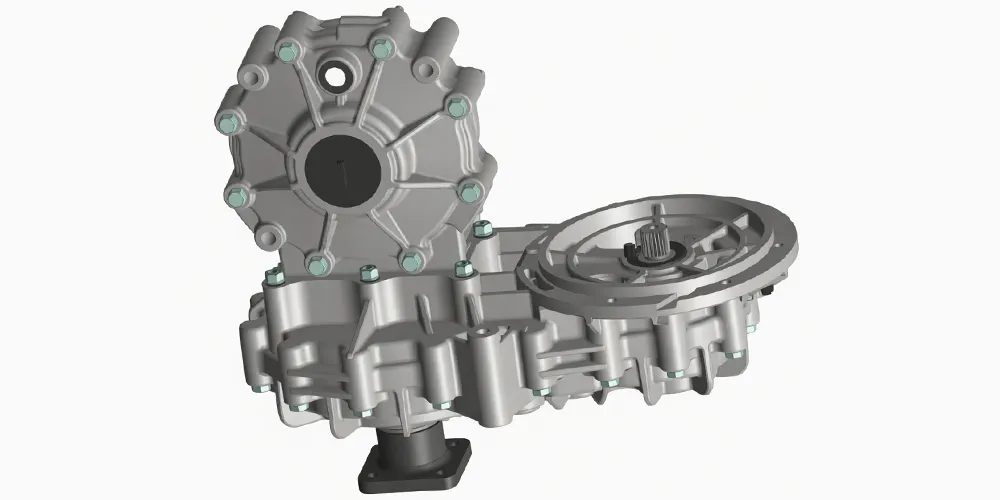
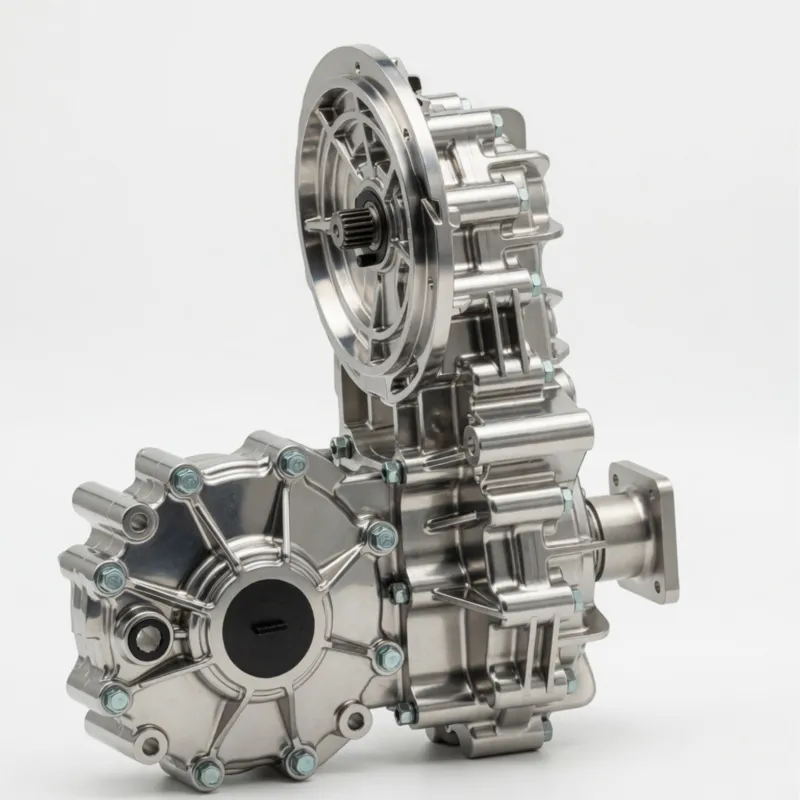
EP-5DUTV Rear Axle Assembly — Complete UTV Rear Axle Assembly for 4WD Electric Off-Road Vehicles
1. Technical Specifications — EP-5DUTV UTV Rear Axle Assembly
The table below covers 20 key parameters. Scroll horizontally on narrow screens to view all columns.
| Параметр | Symbol / Note | Құндылық |
|---|---|---|
| Максималды кіріс моменті | T макс | 165 N·m |
| Максималды кіріс айналу жиілігі | n макс | 5300 r/min |
| Overall Gear Ratio | U | 14.143 : 1 |
| Centre-to-Centre Shaft Spacing | А | 206 mm |
| Input Spline Form | — | Ішкі сплайн |
| Кіріс сплайн модулі | m (input) | 1.05833 |
| Кіріс сплайн тістерінің саны | z (input) | 19 |
| Input Spline Pressure Angle | a (input) | 45° |
| Input Spline Shift Coefficient | x | 0.08 |
| Output Spline Form | — | Ішкі сплайн |
| Шығыс сплайн модулі | m (output) | 1 |
| Шығыс сплайн тістерінің саны | z (output) | 22 |
| Output Spline Pressure Angle | a (output) | 20° |
| Overall Length (L) | L | 420 mm |
| Axle Track Width (W) | W | 390 mm |
| Overall Height (H) | H | 392 mm |
| Құрастыру салмағы | — | 25.8 kg |
| Rated Motor Power (Compatible) | P | 7.5 kW |
| Жүргізу режимі | — | 2WD / 4WD switchable |
| Differential Lock | — | Integrated, lockable |
2. Five Key Advantages of the EP-5DUTV UTV Rear Axle Assembly
A 14.143:1 overall gear ratio converts high-rpm motor output into low-speed, high-torque wheel drive. This makes the assembly especially effective on loose sand and inclines that are common across Bahrain and the wider Arabian Peninsula, where electric UTV operators need reliable rear drive axle assembly performance without throttle hunting.
On-the-fly mode switching lets operators transition between two-wheel and four-wheel drive without stopping. This flexibility reduces drivetrain stress during light-duty road travel while preserving maximum traction capability when the terrain demands it — a feature that significantly extends the service life of the rear wheel axle assembly and related components.
The built-in differential lock eliminates wheel spin on asymmetric surfaces by forcing equal torque distribution to both rear wheels. When one wheel loses contact, the rear differential axle assembly maintains drive — a critical capability for agricultural UTVs, dune vehicles, and utility platforms operating in the Gulf region where terrain can shift dramatically.
At 420 × 390 × 392 mm and weighing just 25.8 kg, the EP-5DUTV packs the full function of a rear end axle assembly — gearbox, differential, spline interfaces — into a footprint that suits short-wheelbase UTV frames. Compared to sourcing individual rear axle assembly parts and fabricating a custom housing, this complete rear axle assembly dramatically reduces build time and fitment risk.
The production facility operates under an IATF 16949:2016-certified quality management system, which means every rear axle assembly leaving the line has traceability through machining, heat treatment, spline inspection, and final assembly. Buyers seeking a verified supplier in the UTV drivetrain segment — including procurement teams evaluating rear axle assembly replacement options — can audit the system documentation at any stage.
3. How the rear axle assembly works?
Understanding the working principle helps engineers size the unit correctly and anticipate service intervals. Power enters the assembly through the input-end internal spline — a 19-tooth, module-1.05833 involute spline with a 45° pressure angle and a +0.08 shift coefficient. This non-standard geometry was selected to maximise load distribution across a compact spline diameter while keeping the input stub axle short, which benefits packaging inside tight UTV frames.
Once torque enters the input shaft, it passes through the primary reduction stage of the rear axle gearbox, where a helical or spur gear set steps up mechanical advantage according to the 14.143:1 overall ratio. The centre-to-centre shaft spacing of 206 mm governs gear mesh geometry and lubrication path design. At 5300 r/min maximum input speed — typical for the 7.5 kW BLDC or PMSM motors common in this class of electric UTV — the gears operate within their rated surface-fatigue and root-bending limits, verified through CAE load analysis during the design phase.
After the gearbox stage, torque reaches the differential carrier. In the standard, unlocked state, the rear differential axle assembly distributes drive torque between the left and right output shafts according to resistance — exactly as a conventional open differential does. When the operator engages the differential lock, a mechanical or electric actuator immobilises the differential spider gears, effectively creating a solid axle condition. Both rear outputs then turn in unison, making this a true rear complete axle assembly for maximum-grip scenarios.
The output-side internal spline is a 22-tooth, module-1 profile with a 20° pressure angle — a geometry that matches standard metric UTV half-shaft stub ends. This compatibility broadens the range of vehicle platforms that can accept the EP-5DUTV without custom half-shaft machining, which is particularly valuable for small-volume builders and aftermarket suppliers operating in the Bahrain market who want a proven rear drive axle assembly without bespoke engineering overhead.
4. Materials & Construction
The housing of the EP-5DUTV is pressure-die-cast from a high-silicon aluminium alloy (equivalent to A380 / ADC12 grade), which delivers an excellent strength-to-weight ratio while shedding heat generated under sustained high-torque operation. The alloy’s corrosion resistance is particularly relevant for vehicles operating near coastal environments such as Manama and other Bahraini coastal areas where salt-laden air can accelerate degradation on lesser materials.
All internal gears — including the primary reduction stage gears and the differential spider and side gears — are machined from case-hardening steel (20CrMnTi or equivalent), carburised and quench-hardened to a surface hardness of 58–62 HRC. The hardened case depth is controlled within ±0.1 mm tolerance on a per-batch basis using metallographic cross-section sampling. This ensures the gear tooth flanks have sufficient wear resistance for the abrasive-dust environments common on off-road UTV routes in the Gulf.
Input and output shafts are forged from medium-carbon alloy steel and induction-hardened at the spline zones, providing localised hardness where fretting fatigue is most likely. Bearings throughout the rear axle assembly are double-row angular-contact or tapered roller types, selected to handle combined radial and axial loads that arise during cornering. Sealing is achieved via double-lip radial shaft seals on both output stub axles, protecting the interior lubricant from ingress of mud and water during stream crossings or sustained wet-terrain use.
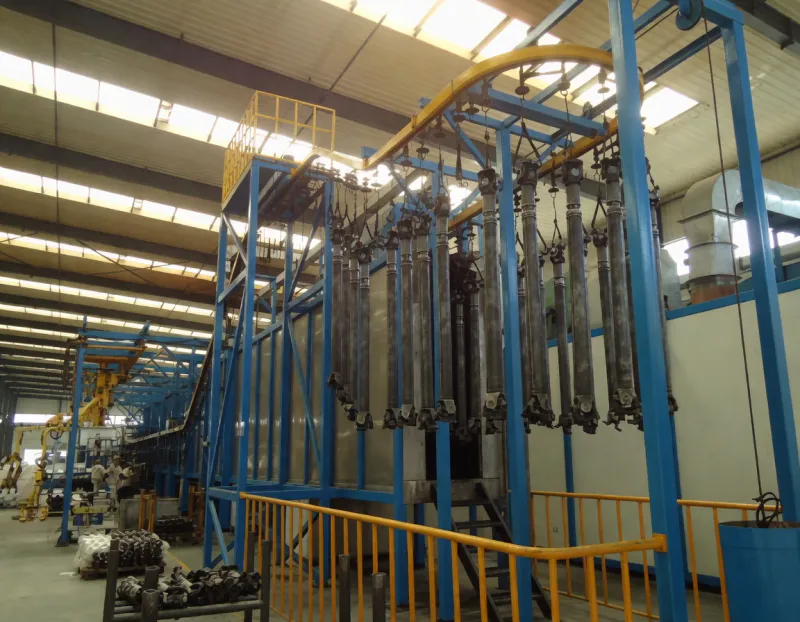
The rear axle housing — the structural backbone connecting the gearbox to the wheel-end flanges — is fabricated from seamless steel tube with welded brackets. Weld quality is inspected visually and, on sampled units, by dye-penetrant testing. The housing’s wall thickness was determined by finite-element analysis under worst-case side-load scenarios, including single-wheel drop events typical of rocky desert trails in GCC countries. A zinc-phosphate and epoxy-ester primer coating protects all external steel surfaces before final assembly.
5. Қолдану сценарийлері
Electric UTVs fitted with this rear axle assembly handle the shifting sand of Bahrain’s northern coast and the gravel plains of the interior. The locking differential prevents dig-in on soft sand, while the 14.143:1 ratio keeps wheel speed low enough to avoid spinning out on loose surfaces.
The rear complete axle assembly supports sustained low-speed pulling through muddy rows, irrigation channels, and harvest-season field conditions. The switchable 4WD mode reduces tyre wear during hard-surface transit between fields, extending both tyre and drivetrain life.
Refineries, ports, and large logistics hubs in the Gulf use electric UTVs for site patrol and equipment transport. The integrated rear axle gearbox maintains low output noise — critical in environments where communication is essential — and supports sustained duty cycles without overheating.
Frame builders and kit-car assemblers choose this complete rear axle assembly because the standard metric output splines reduce custom engineering. The compact envelope also suits buggy and side-by-side chassis that have limited rear-bay depth, making it a popular rear atv axle assembly choice for custom electric powertrain projects.
Civil defence teams operating in the GCC deploy electric UTVs in quiet-running, zero-emission configurations. The reliable rear wheel axle assembly ensures traction in terrain where wheeled access is marginal, and the low maintenance requirement of the electric drivetrain reduces readiness downtime compared to combustion-engine alternatives.
6. Compliance, Standards & Regulatory Framework
Buyers sourcing a UTV Rear Axle Assembly for commercial deployment need to navigate a layered set of regulations that vary by end-use market. Understanding these requirements upfront helps procurement teams avoid costly re-certification after purchase.
Bahrain: The Bahrain Authority for Culture and Antiquities (BACA) and the Ministry of Industry and Commerce oversee product safety standards. Off-road and utility vehicles, including electric UTVs, must comply with the Gulf Cooperation Council’s Standardization Organisation (GSO) technical regulations — in particular GSO ISO/IEC 17025 (laboratory competence) as a baseline for product testing. The Supreme Council for Environment’s rules on electric-vehicle emissions do not restrict zero-emission UTVs but require proof of battery-pack safety conformance. Importers are advised to confirm current GSO alignment via the Bahrain Standards and Metrology Directorate before customs clearance.
Еуропа одағы: Transmission assemblies destined for EU-registered vehicles must align with EC Regulation 2018/858 (vehicle type approval) and relevant UN/ECE Regulations. CE marking applies to the drivetrain only where it incorporates electrical components subject to the Machinery Directive (2006/42/EC) or Low Voltage Directive (2014/35/EU). Standalone mechanical rear axle assemblies without integrated electronics are not independently CE-marked but must conform to the quality and material requirements of the vehicle type-approval framework.
Америка Құрама Штаттары: ANSI/AGMA standards (notably AGMA 2101-D04 for gear tooth strength and AGMA 6002-B93 for worm gearing) provide the design baseline for commercial gear assemblies. The Specialty Vehicle Institute of America (SVIA) publishes safety guidelines for ATV and UTV products sold in the US market. UTV manufacturers exporting to the US must also comply with Consumer Product Safety Commission (CPSC) requirements under 16 CFR Part 1421, which covers off-highway vehicle stability and structural integrity.
Australia: Standards Australia AS/NZS 3000 and the Australian Design Rules (ADRs) govern vehicle component safety. Off-road UTVs are regulated under ADR 42/05 (general safety requirements) and relevant state-level Work Health and Safety (WHS) legislation when deployed in industrial settings. Importers of rear axle assemblies are required to document that components do not contain asbestos or restricted substances under the Industrial Chemicals Act 2019.
Quality Management: The production system is certified to IATF 16949:2016, the automotive-sector extension of ISO 9001:2015. This certification is recognised by Tier-1 and Tier-2 automotive suppliers globally and provides buyers with documented evidence of statistical process control, failure-mode and effects analysis (FMEA), and control plan compliance across all rear axle assembly parts in the production flow.
7. Біз туралы
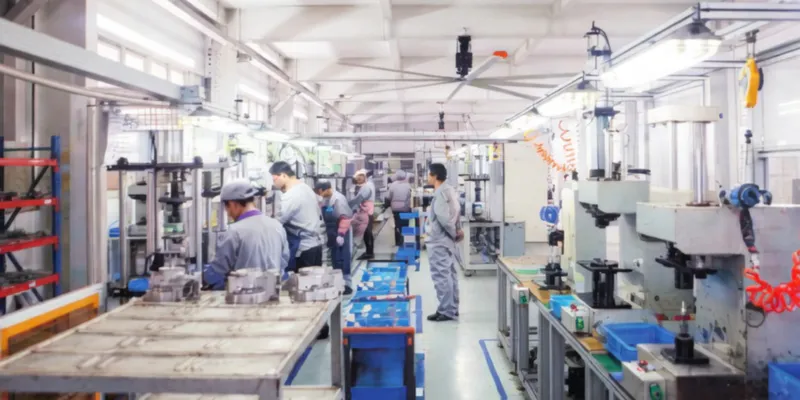
We are a specialist drivetrain manufacturer focused exclusively on ATV/UTV axle assemblies and new-energy vehicle reducer systems. Founded in 2005 and continuously expanding, we have shipped more than 500,000 drivetrain units to vehicle assemblers across Asia, the Middle East, Europe, and the Americas. Our product range spans over 20 series and 100+ specifications — covering everything from lightweight ATV front axle kits to heavy-duty UTV rear axle assembly solutions for 4WD electric platforms.
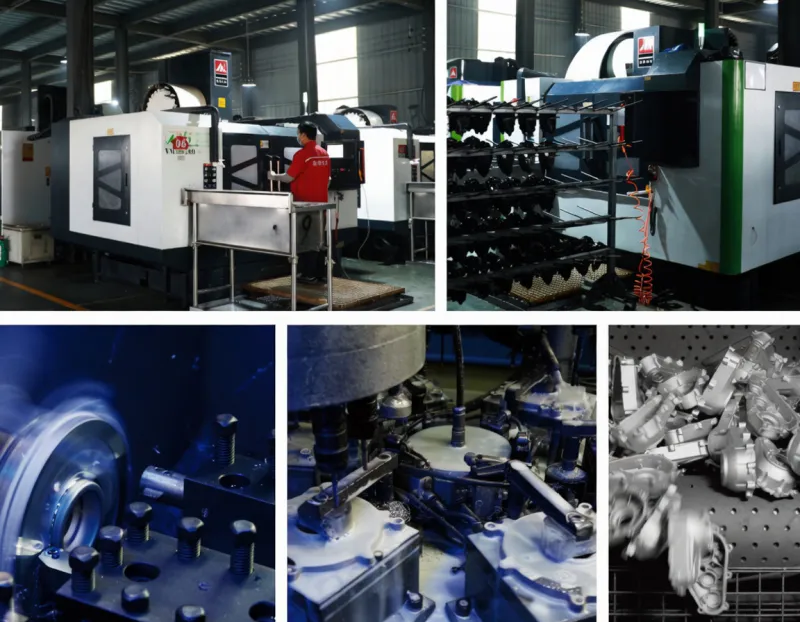
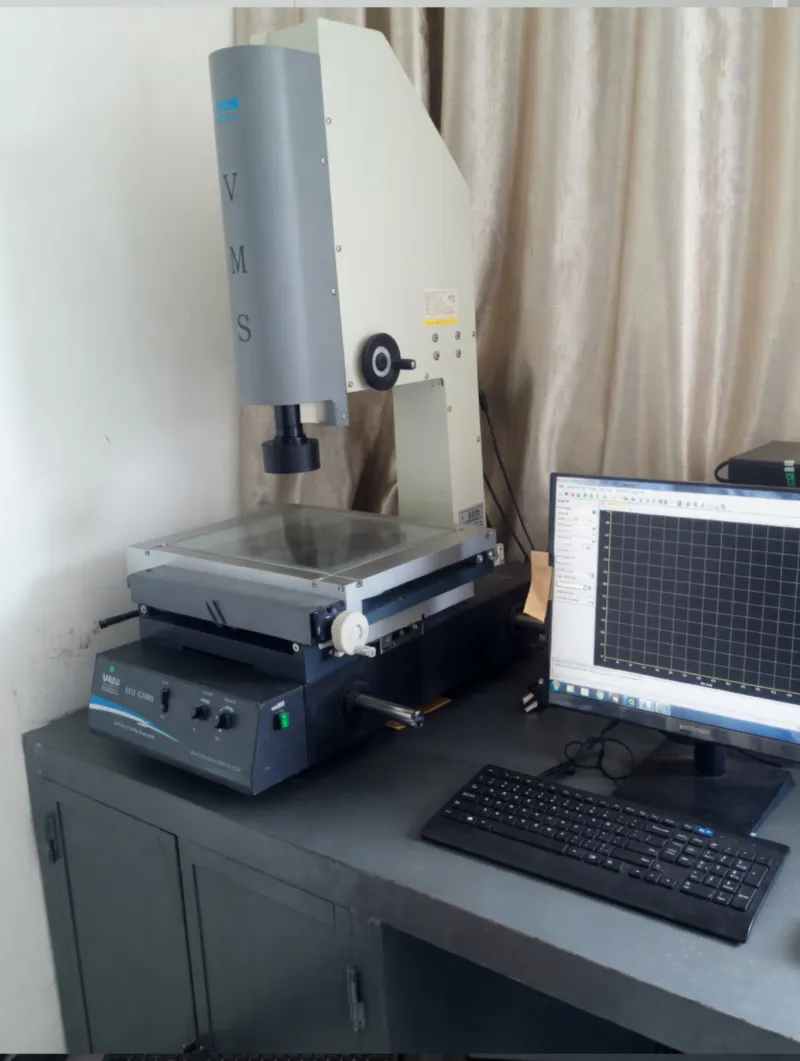
Our production base is equipped with high-precision four-axis CNC machining centres, an intelligent automated assembly line, and an in-line performance test bench capable of simulating loaded conditions up to full rated torque. The quality laboratory features a coordinate measuring machine (CMM), gear-testing centre, large-scale metallurgical microscope, and a full-spectrum performance dynamometer. Every batch of rear axle assembly parts undergoes sampling inspection per IATF 16949 control plans, with first-article inspection reports available for new customer qualification.
We have served as a strategic supply partner for multiple globally recognised vehicle OEMs and hold multiple national patents covering differential lock mechanisms and spline-interface optimisation. Our engineering team maintains seven core competencies: design, CAE analysis, prototype build, functional testing, NVH matching, engineering validation, and volume-production transfer.
Шеберхана

8. Related Products — System Compatibility & One-Stop Supply
The EP-5DUTV UTV Rear Axle Assembly is part of a complete drivetrain ecosystem. We supply compatible components so you can source the full rear end axle assembly system from a single supplier — reducing qualification time and logistics complexity.
Wheel Bolts — Hub Fastening System
High-tensile wheel bolts engineered to match the hub flange bolt-circle diameter of the EP-5DUTV output flanges. Correct clamping torque and thread specification are critical to maintaining wheel-end integrity on the rear wheel axle assembly under dynamic off-road loads. Available in metric M12 × 1.5 and M14 × 1.5 grades.
Тіркеме осьтік арқалығы / тіркеме шпинделі
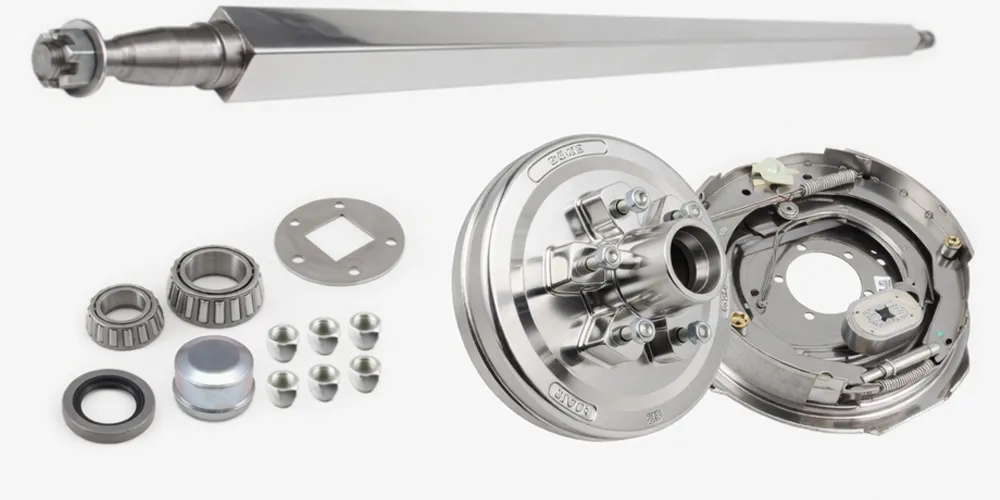
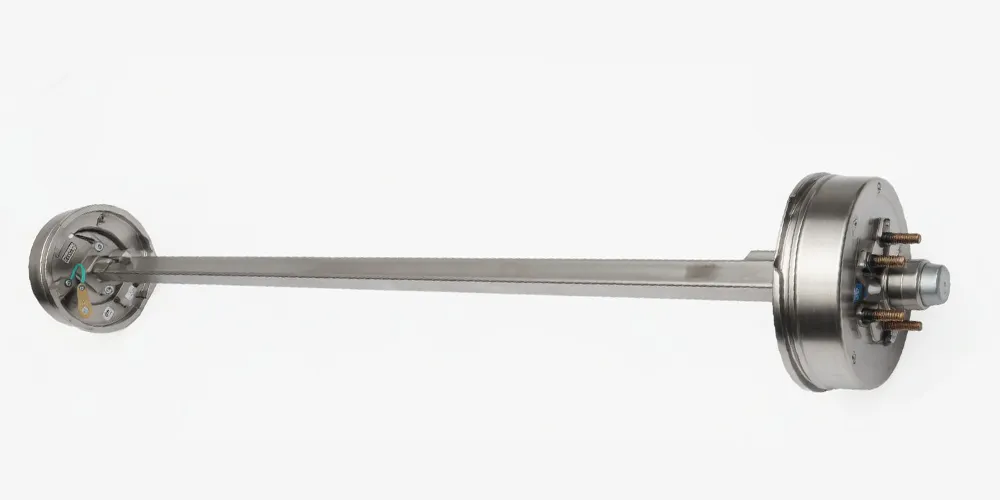
For operators who tow trailers behind their electric UTVs, our Trailer Axle Beam and Trailer Spindle range provides matching load ratings and compatible hub geometries. Sourcing both the primary rear complete axle assembly and the trailer axle from a single qualified supplier simplifies engineering sign-off and reduces supplier audit overhead — a key consideration for procurement teams managing compliance in regulated GCC markets.
Жиі қойылатын сұрақтар
Редактор: PXY