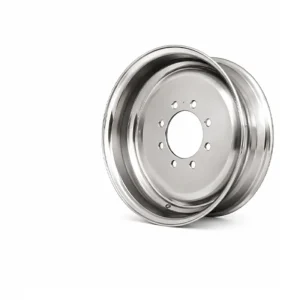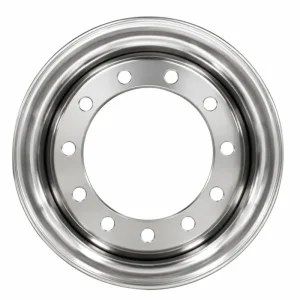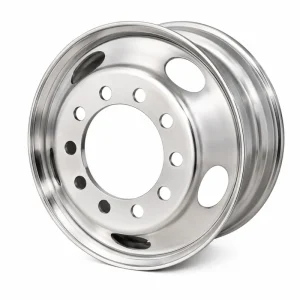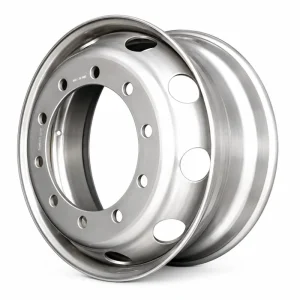
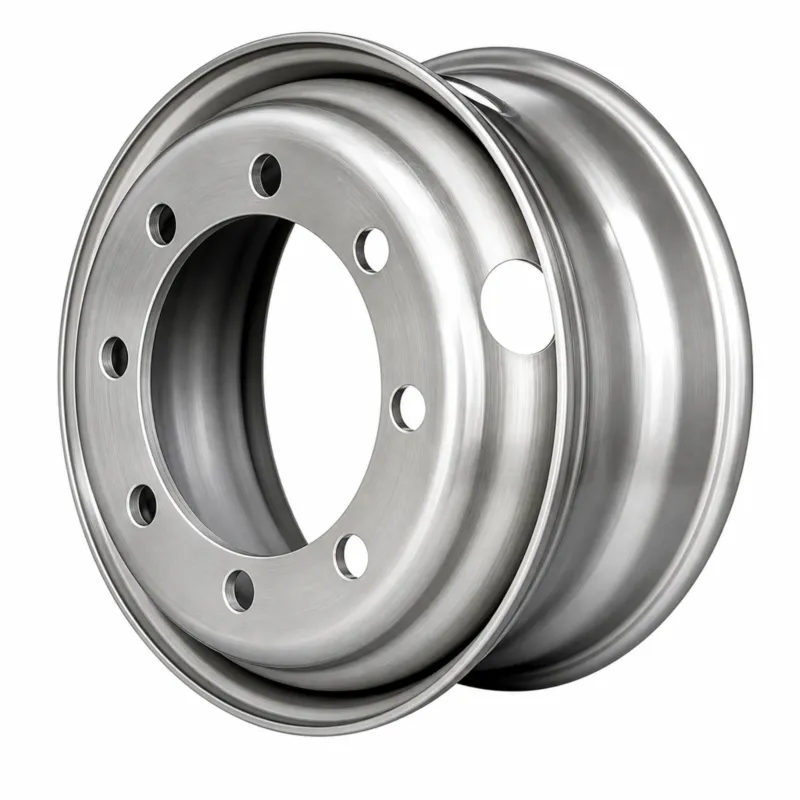
일본 EP 대형 트럭 및 트럭 트레일러 휠
당사의 일본 EP 대형 트럭 및 트럭 트레일러 휠 시리즈는 일본 상용차 시장의 가장 엄격한 기준에서 파생된 제조 공정을 통해 이러한 모든 요구 사항을 충족합니다. 이는 세계 트럭 산업에서 가장 기술적으로 까다로운 휠 사양 중 하나입니다.
히노, 이스즈, 미쓰비시 후소, 닛산 디젤과 같은 일본 대형 차량 제조업체들은 휠 인터페이스 형상에 대한 엄격한 기준을 오랫동안 설정해 왔으며, 정확한 허브 장착과 모든 장착 지점에 걸쳐 균일한 하중 분산을 보장하기 위해 PCD, 센터 홀 직경, 오프셋 및 볼트 홀 치수에 대한 정밀한 공차를 규정하고 있습니다. EP의 일본 시장용 트럭 트레일러 휠 제품군은 이러한 정확한 치수 사양을 그대로 적용하여 어댑터나 허브 구성 변경 없이 일본 JIS 표준을 준수하는 차량에 바로 장착할 수 있습니다.
일본 대형 트럭 시장의 핵심은 크게 두 가지 크기 범주로 나뉩니다. 하나는 조향축 및 경량 후륜축에 사용되는 22.5×7.5 림 폭이고, 다른 하나는 더 넓은 타이어 단면 폭이 요구되는 구동축 및 트레일러축에 사용되는 22.5×8.25 폭입니다.
1. 기술 사양 — EP 일본 시장용 대형 트럭 트레일러 휠
아래 표는 EP Japan 규격의 대형 트럭 트레일러 휠 전체 라인업을 보여줍니다. 22.5×7.5 및 22.5×8.25 림 사이즈를 비롯하여 모든 볼트 서클, 위치 및 센터 홀 구성에 대한 정보를 제공합니다. 모든 치수 데이터는 별도로 명시되지 않는 한 밀리미터 단위로 표시됩니다.
| 부품 번호 | 크기 | 볼트 수량 | PCD(mm) | 볼트 직경(mm) | 중심 구멍 직경(mm) | 오프셋(mm) | 통풍구 | 조종됨 |
|---|---|---|---|---|---|---|---|---|
| JG52SW15 | 22.5×7.5 | 10 | 335 | 26 | 281 | 165 | 10 | 바퀴통 |
| JG52SW16 | 22.5×7.5 | 10 | 335 | 32.5 | 281 | 165 | 10 | 마개 |
| JG52SW03 | 22.5×7.5 | 10 | 335 | 26 | 281 | 168 | 10 | 바퀴통 |
| JG52SW08 | 22.5×7.5 | 10 | 285.75 | 26 | 220 | 168 | 2 | 바퀴통 |
| JG52SW06 | 22.5×7.5 | 10 | 285.75 | 32.5 | 221 | 165 | 10 | 마개 |
| JG28SW36 | 22.5×8.25 | 10 | 285.75 | 26 | 220 | 166 | 2 | 바퀴통 |
| JG28SW53 | 22.5×8.25 | 10 | 285.75 | 26 | 220 | 168 | 10 | 바퀴통 |
| JG28SW09 | 22.5×8.25 | 10 | 285.75 | 32.5 | 221 | 168 | 5 | 마개 |
| JG28SW10 | 22.5×8.25 | 10 | 285.75 | 32.5 | 221 | 168 | 10 | 마개 |
| JG28SW30 | 22.5×8.25 | 10 | 335 | 26 | 281 | 165 | 10 | 바퀴통 |
| JG28SW77 | 22.5×8.25 | 8 | 275 | 26 | 221 | 165 | 8 | 바퀴통 |
| JG28SW78 | 22.5×8.25 | 8 | 275 | 32.5 | 214 | 165 | 8 | 마개 |
참고: 모든 치수는 밀리미터 단위입니다. HUB = 허브 파일럿 센터링; STUD = 스터드 파일럿 센터링. 콜롬비아에 등록된 일본 상용차에 정확하게 장착되도록 주문 전에 차량 정비 매뉴얼과 부품 번호 및 파일럿 시스템을 확인하십시오.
2. EP 일본 규격 트럭 트레일러 휠의 5가지 핵심 장점
JIS 규격 준수 치수 정밀도
EP Japan 시리즈 트럭 트레일러 휠은 모두 일본 산업 표준(JIS D 4218)에서 파생된 치수 표준에 따라 제조됩니다. 여기에는 PCD 공차 ±0.1mm 이내, 중심 구멍 직경 정밀도 ±0.05mm 이내, 그리고 최초 설치부터 부드럽고 진동 없는 회전을 보장하는 런아웃 규격이 포함됩니다. 이러한 치수 정밀도는 휠 장착 불량으로 인한 심 조정 및 재조임 작업을 없애줍니다. 이는 브레이크 온도가 높고 휠 체결부의 견고성이 매우 중요한 콜롬비아 안데스 산맥의 가파른 내리막길에서 안전상의 문제로 이어질 수 있는 문제를 해결합니다.
이중 위치 시스템 사용 가능 여부
EP 제품군은 동일한 사이즈 범위 내에서 허브 파일럿 방식과 스터드 파일럿 방식의 트럭 휠을 모두 제공하므로, 차량 관리자는 일본 트럭의 여러 세대에 걸쳐 사용되는 다양한 허브 센터링 시스템을 수용하면서 단일 공급업체와의 관계를 유지할 수 있습니다. 허브 파일럿 방식은 정밀 가공된 센터 홀을 기준으로 휠을 센터링하는 반면, 스터드 파일럿 방식은 휠 너트의 테이퍼를 이용하여 센터링을 합니다. 정확한 위치 지정 시스템의 일치는 단순한 세부 사항이 아니라 볼트 서클 전체에 걸친 하중 분산에 직접적인 영향을 미치며, 대형 트럭 트레일러 휠 설치에 있어 필수적인 안전 요구 사항입니다.
무게 감소를 위한 롤 성형 림 구조
The EP truck trailer wheel utilizes rim flow forming technology that thins the rim wall sections progressively while preserving full strength at the bead seat — the highest-stress zone of the wheel. This process reduces individual truck wheel weight by up to fifteen percent compared to conventional pressing methods, directly benefiting payload capacity within Colombian gross vehicle weight limits and reducing unsprung mass for improved ride and handling. For operators running truck and trailer wheel combinations over Colombia's mixed road surfaces, lighter wheels translate to measurably reduced fuel consumption over annual distance targets.
까다로운 하중 조건에 적합한 고강도 강철
휠 디스크와 림 부품은 적재된 트레일러 차축에 가해지는 지속적인 반복 하중에도 구조적 무결성을 유지하는 고강도 강철을 사용합니다. 소재 선정은 과부하 시 영구 변형에 대한 저항력을 나타내는 항복 강도와 도로 장애물로부터 충격 에너지를 흡수하여 취성 파괴를 방지하는 연성 사이의 균형을 목표로 합니다. 특히 콜롬비아 도로, 특히 노면 상태가 불량하고 광산 및 농업 지역의 임시 하천 횡단로가 있는 곳에서 운행하는 대형 트럭 트레일러 휠은 이러한 소재의 인성 측면에서 큰 이점을 얻습니다.
열대 지역 작업 환경을 위한 종합적인 부식 방지 솔루션
Colombia's coastal port cities, humid Amazon basin transport routes, and high-rainfall Andean passes present a persistent corrosion challenge for steel truck wheels. The EP-Truck Trailer Wheel series applies a multi-stage surface treatment process — shot blasting for surface preparation, phosphating for adhesion promotion, and epoxy primer topped with polyester topcoat — that passes a minimum five hundred hour neutral salt spray test per ISO 9227. This treatment level substantially extends the cosmetic and structural life of the truck trailer wheel beyond what bare or single-coat products achieve in tropical operating conditions.
3. 작동 원리 및 구조 공학
The truck trailer wheel functions as the structural interface between the vehicle's hub assembly and the pneumatic tire, transmitting all traction, braking, cornering, and vertical load forces between road surface and vehicle chassis. Understanding how this load path operates helps explain why dimensional accuracy in the wheel mounting interface is non-negotiable. In service, the truck wheel hub transfers vertical loads from the axle spindle through the wheel disc into the rim section and ultimately into the tire bead area, where inflation pressure creates the structural column that supports the vehicle's weight. Any lack of concentricity in the center hole, or unevenness in the bolt hole pattern, creates an uneven load distribution around the bolt circle that manifests as vibration, accelerated stud wear, and eventual fatigue cracking at the disc-to-rim junction.
The manufacturing sequence begins with steel coil blanking into circular discs, followed by progressive die pressing to form the disc with its bolt hole circle, center hole, and ventilation holes. Rim fabrication proceeds from steel strip roll-forming into a cylindrical shape, with the bead seat and flanges formed to precise geometry that determines tire seating position and the offset measurement — the distance from the wheel's mounting face to the rim's centerline. Correct offset is critical for truck wheel alignment: too little positive offset moves the tire outward and increases hub bearing stress, while too much offset crowds the tire inward and creates clearance issues with the vehicle's brake and suspension components. The EP Japan series holds offset values at 165 mm or 168 mm depending on the specific part number, matching original equipment specifications precisely.
Final assembly joins the disc to the rim by projection welding and MIG welding processes, with weld penetration monitored by both visual and ultrasonic inspection methods. Completed heavy duty truck trailer wheels undergo inline dynamic balance inspection to identify any mass distribution imbalance before shipping — an important quality gate because out-of-balance truck wheels cause tire wear, steering wheel vibration, and accelerated driveline component wear that compound into significant operating costs over the wheel's multi-year service life. Wheels that fail balance specifications are re-processed rather than passed through, reflecting the quality commitment underpinning the EP product line.
4. 재료 및 표면 처리 기술
The structural steel grades used in EP truck wheel production are selected with specific attention to the fatigue performance of pressed and roll-formed components. The disc section uses a high-strength low-alloy steel with yield strength in the range of four hundred to five hundred fifty MPa, providing sufficient rigidity to resist permanent deformation during overload events while retaining enough ductility to avoid brittle fracture behavior during impact loading. This balance is especially important for the heavy duty truck trailer wheel disc, where repeated flexion at the disc-to-rim joint under cornering and road irregularity loads creates cyclic stress that must remain below the material's endurance limit throughout the design service life of at least five hundred thousand load cycles.
림 부분에는 고강도 강철(일부 변형 모델에는 이중상 또는 SPFH 등급 강철 사용)이 적용되어 림 플로우 포밍 공법으로 벽 두께를 줄이면서도 비드 시트 영역의 기계적 특성은 그대로 유지합니다. 비드 시트 표면은 정밀한 직경과 마감으로 가공 또는 롤 성형되어 기존 트럭 휠 디자인에 사용되던 튜브형 이너 라이너 없이도 타이어 비드를 완벽하게 밀봉합니다. EP Japan 시리즈 전체에 적용된 튜브리스 트럭 휠 구조는 비드 시트 직경, 비드 윤곽, 림 플랜지 형상 간의 정밀한 기계적 결합을 통해 공기압을 제어하므로, 이러한 부분의 치수 정확도는 단순한 품질 지표가 아닌 직접적인 안전 요소입니다.
Surface protection begins with mechanical shot blasting that removes mill scale and creates a uniform surface profile optimized for coating adhesion. Chemical phosphating then creates a conversion coating that provides a second adhesion layer and baseline corrosion resistance. The primer coat — typically an epoxy-based formulation — provides the primary corrosion barrier, while the polyester topcoat in standard silver or white finish provides UV resistance and maintains appearance through the wheel's service life in tropical Colombian operating environments. Total dry film thickness typically reaches eighty to one hundred micrometers, achieving the salt spray resistance needed for coastal port operations in Barranquilla and Buenaventura, as well as humid Amazonian transport routes.
5. 콜롬비아 상업 운송을 위한 적용 시나리오
장거리 화물 운송
Hino and Isuzu semi-trailer tractors pulling refrigerated and dry-freight trailers on Colombia's primary road network between Bogotá, Medellín, Cali, and coastal ports rely on truck trailer wheel replacement parts that maintain hub compatibility throughout the vehicle's decade-plus service life. The EP Japan-spec range provides fleet operators with a reliable source for truck trailer wheel replacement parts that match original equipment dimensional specifications — critical for vehicles covering six hundred to nine hundred kilometers per day on routes that include the challenging Bogotá-to-Buenaventura corridor through the Western Andes.
건설 및 광업 물류
Mining operations in Antioquia's gold regions and coal transport in Cesar department deploy heavy duty truck trailer wheels under consistently demanding conditions involving payload weights near or at legal limits, unpaved access roads, and dust exposure that challenges both tire and wheel serviceability. The EP truck wheel series serves these applications through its structural strength margin above rated loads and its corrosion protection system suited for high-dust, high-humidity environments. Truck wheel replacement cycling in mining logistics benefits from the dimensional consistency of EP wheels — accurate fitting reduces the installation time that accumulates across large equipment fleets.
항만 및 컨테이너 물류
Container yard prime movers and port drayage trucks at Cartagena and Barranquilla operate under near-continuous duty cycles in salt-air environments that present extreme corrosion challenges for steel truck wheels. The EP series's enhanced surface treatment system provides the corrosion resistance required for port service environments, while the tubeless construction eliminates the tube-type valve maintenance associated with older truck wheel designs. Port operators standardizing on Japanese-brand heavy trucks benefit from the full EP Japan-spec range covering all axle positions within their fleet.
농산물 운송
Coffee, banana, palm oil, and cut flower transport from Colombia's agricultural zones to packing stations and export ports involves a mix of paved national road driving and unpaved farm access routes that demand truck wheels with adequate impact toughness for both surface types. Japanese-brand medium and heavy trucks are widely used in Colombian agricultural logistics, and maintaining correct truck trailer wheel specification during replacement is essential for preserving the vehicle's brake and tire alignment geometry. The EP series provides agricultural fleet managers with a reliable supply of dimensionally accurate replacement truck wheels.
버스 및 여객 운송 차량 신청서
Intercity coach operations using Japanese-brand bus chassis on routes connecting Bogotá with regional cities specify 22.5-inch truck wheels in configurations that fall within the EP Japan series range. Passenger transport operators require wheel products with consistent quality and documentation for compliance with Colombia's transport authority (MinTransporte) safety requirements. The EP series provides the quality certification documentation and dimensional traceability that supports fleet compliance reporting, alongside the structural performance needed for the high-mileage annual service profiles of Colombian intercity coach operations.
6. 상용 트럭 바퀴에 대한 규제 체계
콜롬비아: The Ministry of Transport (MinTransporte) regulates commercial vehicle safety through Decreto 1079 de 2015 and related technical resolutions. Resolution 4100 de 2004 establishes maximum vehicle dimensions and weights, and Resolución 3500 de 2005 governs periodic technical inspection (revisión técnico-mecánica) for commercial vehicles, including inspection of wheel conditions. Wheels showing cracks, excessive corrosion, or dimensional deformation fail these inspections. Fleet operators must maintain evidence of wheel specifications compatible with the vehicle's homologation to pass inspections — making correct-specification truck trailer wheel procurement a compliance requirement, not merely a technical preference.
일본 (JIS 표준): 일본 산업 표준 JIS D 4218 및 JIS D 4230은 일본에서 트럭 휠의 치수 및 성능 요구 사항을 규정하며, PCD(퍼시픽 서클 직경), 중심 구멍, 런아웃 및 하중 용량에 대한 허용 오차를 명시합니다. EP 일본 사양 시리즈는 이러한 JIS 표준을 준수하여 제조되었으며, 일본 브랜드 트럭을 사용하는 콜롬비아 운전자에게 순정 부품과 동일한 설계 의도로 제작된 휠을 제공합니다.
유럽 연합: ECE 규정 제124호는 승용차용 교체 휠을 규정하고 있으며, 상용차의 경우 UN ECE 프레임워크는 차량 형식 승인 요건을 통해 휠을 다룹니다. EU 시장에서 판매되는 상용 트럭 휠은 ISO 3006(트럭 휠 치수) 및 ISO 4209(상용차용 림) 등의 표준을 참조하여 차량 형식 승인을 뒷받침하는 기술 문서를 통해 적합성을 입증해야 합니다.
미국: 미국 내 트럭 운행에는 연방 자동차 안전 기준(FMVSS)과 상용차 안전 연맹(CVSA)의 검사 기준이 적용됩니다. FMVSS 110 및 120은 타이어 및 림 선택에 관한 내용을 다루며, CVSA의 도로변 검사 기준은 눈에 띄게 금이 가거나, 파손되었거나, 부적절하게 장착된 휠을 가진 차량을 실격 처리합니다. 미국에 등록된 트럭 운송 회사는 사용 중인 타이어 및 차축 조합에 대해 승인된 휠 부품 번호가 타이어 및 림 협회(TRA) 연감에 등재되어 있음을 증명하는 서류를 보관해야 합니다.
7. 당사의 휠 제조 역량에 대하여
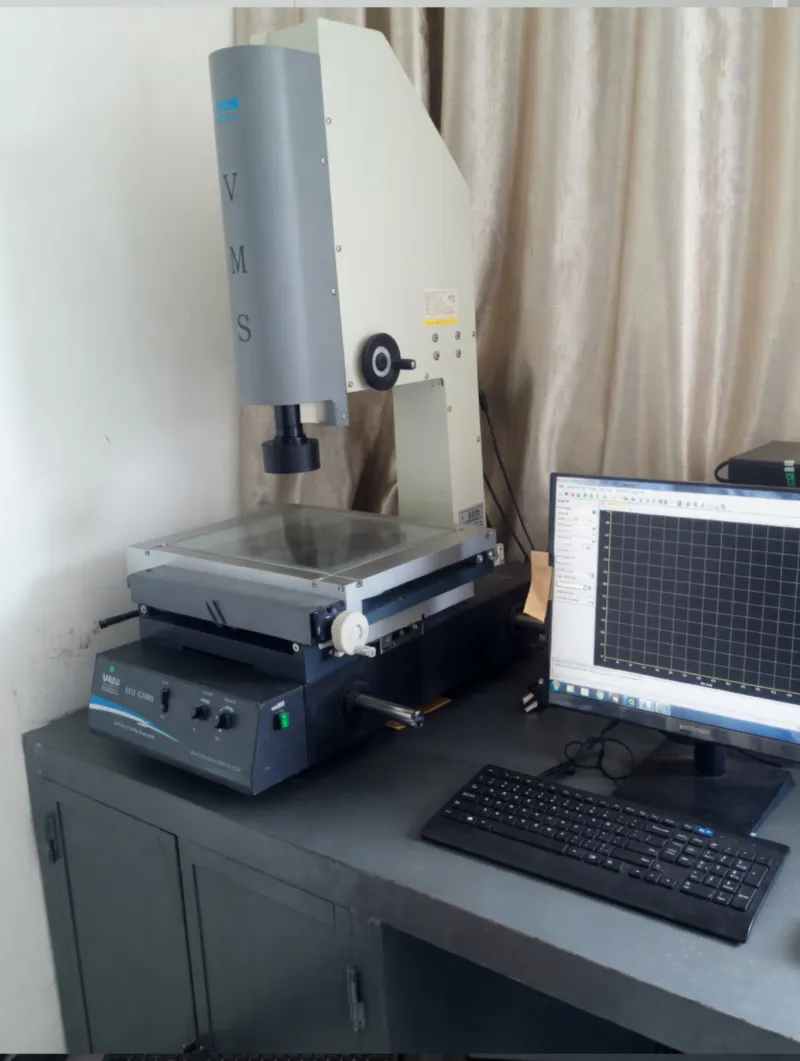
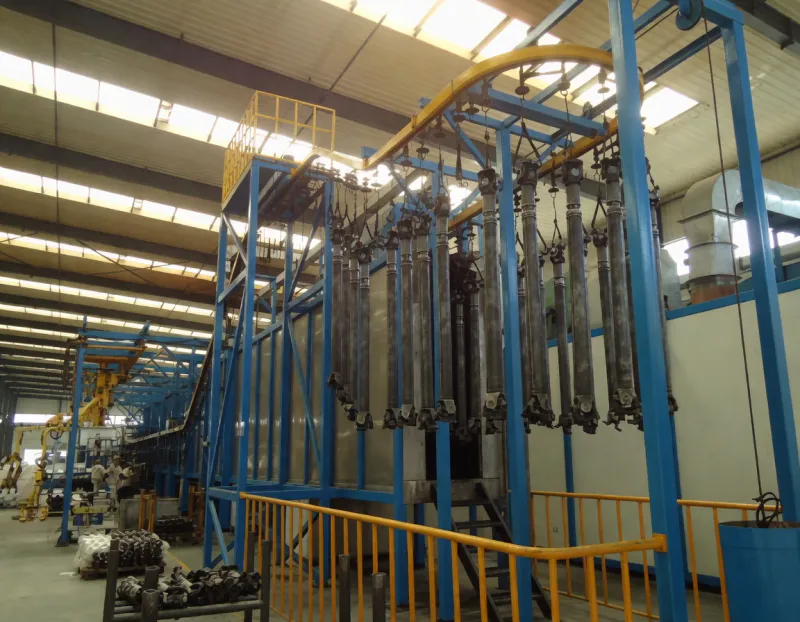
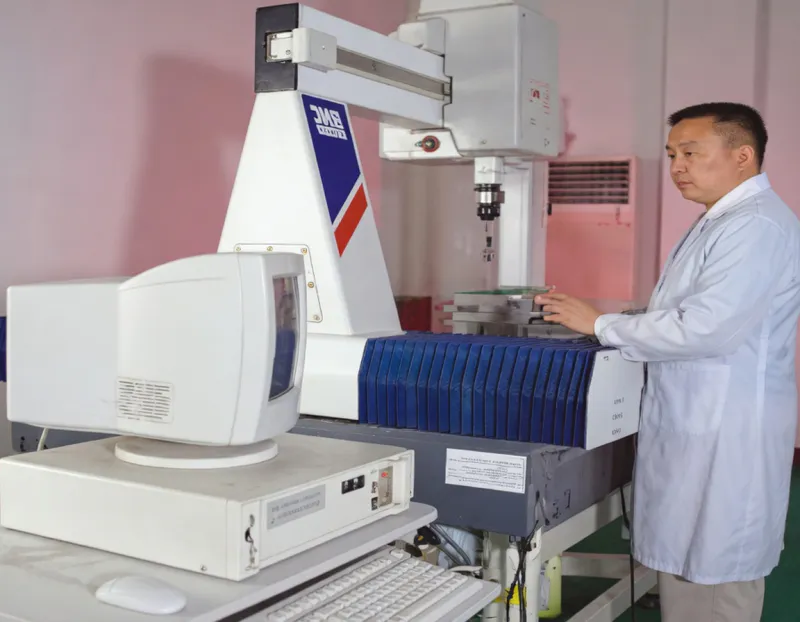
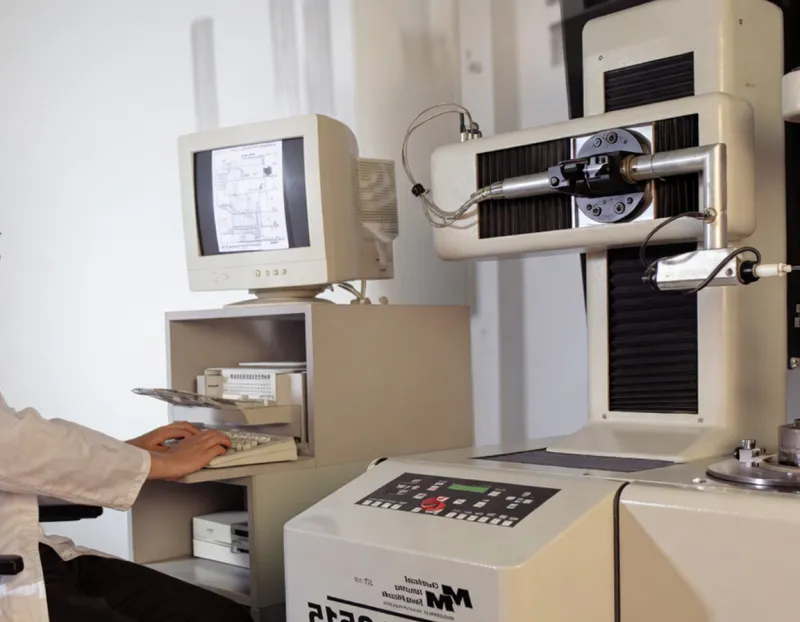
당사의 휠 생산 시설은 롤 성형 기술과 자동 용접, 밸런스 검사 및 코팅 공정을 결합한 플랫폼을 기반으로 운영되며, 코너링 피로 시험기, 방사형 피로 시험기, 동적 밸런스 검사 장비, 염수 분무 챔버 및 좌표 측정기(CMM)를 갖춘 국가 수준의 시험 센터의 지원을 받습니다. 생산 라인은 승용차, 상용차, 농업 및 산업용 제품을 아우르는 연간 수백만 개의 휠 생산 능력을 갖추고 있으며, 일본 규격의 대형 트럭 트레일러 휠 시리즈는 당사 상용차 포트폴리오의 핵심 제품군입니다. 이 시설에서 출고되는 모든 트럭 휠에는 재료 열 번호, 프레스 매개변수, 용접 검사 결과, 밸런스 측정 및 최종 코팅 검사를 포함하는 생산 추적 기록이 부여되어 운송업체와 규제 당국이 점점 더 요구하는 문서 체계를 제공합니다.
작업장
8. 관련 제품: 완벽한 차축 시스템 호환성
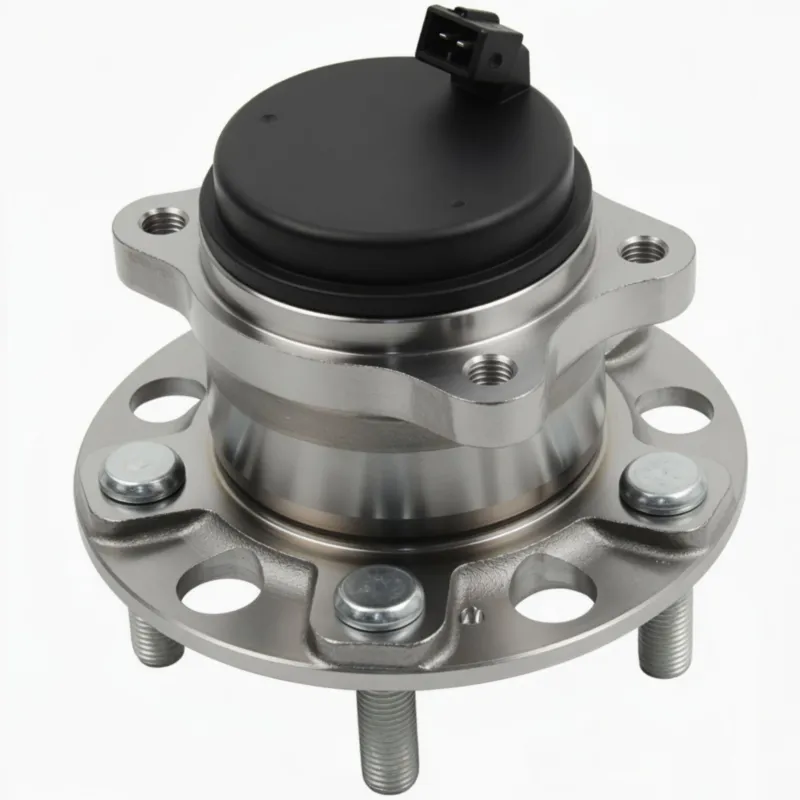
트럭 트레일러 휠은 전체 차축 시스템의 일부로 작동하며, 허브, 스핀들, 베어링 및 체결 부품의 품질이 휠의 성능과 수명에 직접적인 영향을 미칩니다. 당사의 제품군은 허브 인터페이스에서 휠과 상호 작용하는 주요 부품까지 확장되어, 완전한 차축 시스템 어셈블리를 위한 원스톱 조달을 가능하게 하고, 차량 관리 엔지니어와 정비소 관리자가 호환성 검증을 간소화할 수 있도록 지원합니다.
휠 허브
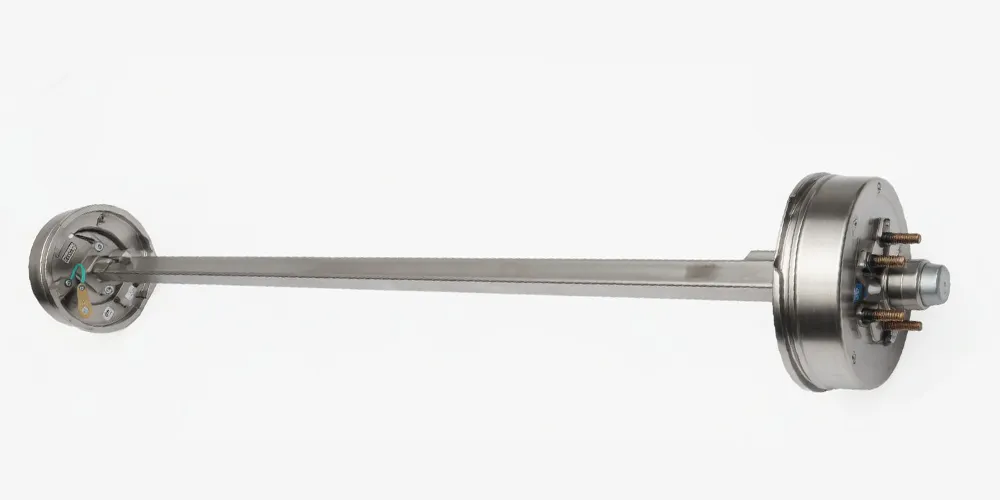
트레일러 액슬 빔 및 트레일러 스핀들
콜롬비아에서 트레일러 재조립 및 신규 트레일러 제작 프로젝트를 진행할 때, 트레일러 액슬 빔과 트레일러 스핀들 어셈블리는 트럭 트레일러 휠이 반드시 맞춰야 하는 허브 형상을 결정합니다. 당사의 트레일러 스핀들 부품은 EP Japan 규격의 휠 센터 홀 직경 및 PCD 구성을 수용하도록 설계되어 단일 공급업체로부터 전체 액슬 시스템을 조달할 수 있습니다. 이러한 통합 접근 방식은 허브 인터페이스의 모든 구성 요소 간의 치수 호환성을 보장하고, 상용차 액슬 시스템 부품에 대해 차량 구매팀이 점점 더 선호하는 원스톱 공급 모델을 지원합니다.
자주 묻는 질문
편집자: PXY