Descrizione
1. Technical specifications of Truck Trailer Wheel
Swipe left/right on mobile devices to view the complete parameter table.
|
Parametro
|
Specifiche
|
|---|---|
|
Model Numbers
|
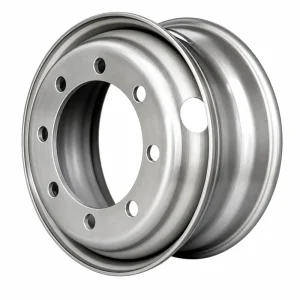
JG28SW48 / JG28SW61 / JG28SW62 Truck Trailer Wheel
|
|
Rim Size (Nominal)
|
22.5 × 8.25 in
|
|
Larghezza del cerchio
|
8.25 in (209.6 mm)
|
|
Rim Diameter
|
22.5 in (571.5 mm)
|
|
Bolt Hole Quantity
|
10
|
|
Pitch Circle Diameter (PCD)
|
285.75 mm
|
|
Diametro del foro del bullone
|
26 mm
|
|
Diametro del foro centrale
|
220 mm
|
|
Offset (ET)
|
168 mm
|
|
Hand Holes — JG28SW48
|
2
|
|
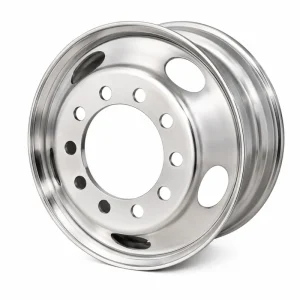
Hand Holes — JG28SW61
|
5
|
|
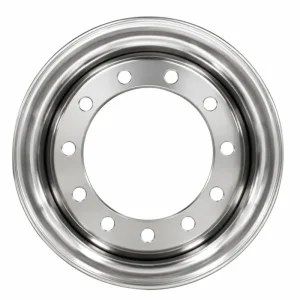
Hand Holes — JG28SW62
|
10
|
|
Maximum Load Capacity
|
7,400 LBS (3,357 kg) per wheel
|
|
Piloted Type
|
HUB Piloted
|
|
Rim Material Grades
|
SPFH590 / DP600 / DP780 Advanced High-Strength Steel
|
|
Tipo di ruota
|
Tubeless — 22.5-inch Commercial Rim
|
|
Trattamento superficiale
|
Shot Blast Sa 2.5 + Zinc-Rich Primer + Polyester Topcoat
|
|
Weight Reduction vs. Standard Steel
|
15% – 30%
|
|
Applicable Tire Size Range
|
285/75R22.5 · 295/75R22.5 · 11R22.5 · 275/80R22.5
|
|
Overall Rim Dimensions (B × D)
|
8.25 × 22.5 in (209.6 mm × 571.5 mm)
|
All dimensions in millimeters (mm) unless otherwise noted. Custom specifications available on request against engineering drawings.
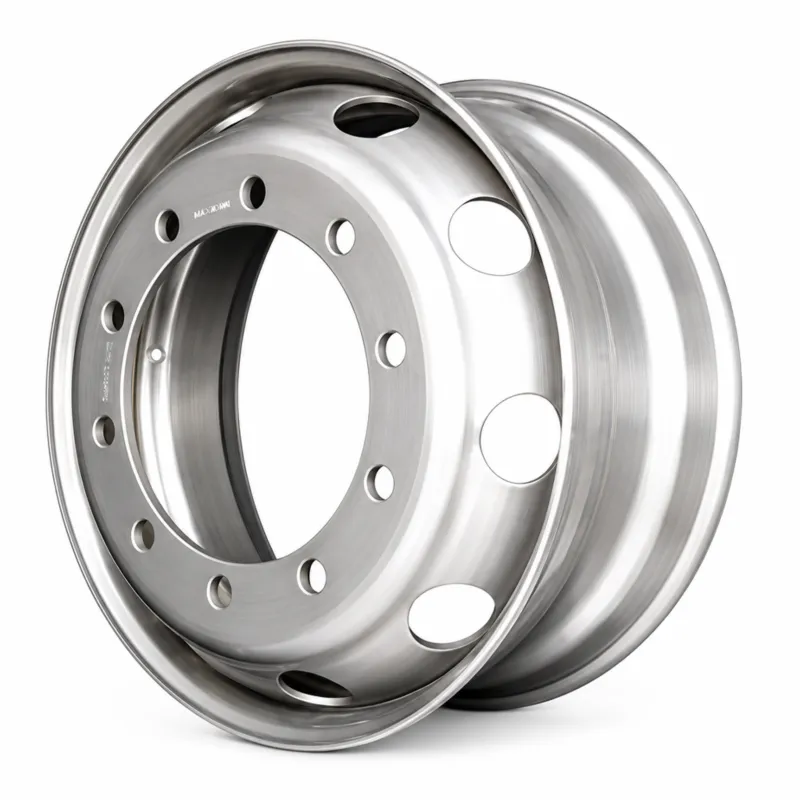
2. Five Key Product Advantages Of Truck Trailer Wheel
1. 15–30% Proven Weight Reduction
High-strength steel grades SPFH590, DP600, and DP780, combined with rim flow forming technology that cold-works the barrel section to achieve geometry through material displacement rather than extra thickness, produce a genuine 15% to 30% mass reduction versus conventional heavy-gauge wheel alternatives. For a five-axle tractor-trailer combination running ten trailer-axle wheel positions, this saving translates to meaningfully increased legal payload capacity and measurably lower fuel consumption per 100 kilometers — advantages that accumulate significantly across an entire Colombian long-haul freight fleet over a full operating year.
2. Full 7,400 LBS Load Rating Maintained
Despite the significant weight reduction achieved through material grade upgrading and precision forming, each Truck Trailer Wheel in this series maintains the standard North American heavy commercial vehicle maximum load rating of 7,400 LBS. This rating is validated through cornering fatigue, radial fatigue, and impact testing conducted per SAE J1992 requirements. The result is a truck trailer wheel that can be specified on steer, drive, and trailer axle positions without any reduction in the operational safety margin required by US federal regulations and equivalent Colombian transport authority standards.
3. HUB Piloted Mounting Reliability
The HUB piloted design centers the wheel precisely on the machined hub pilot bore — not on the fasteners — before any clamping load is applied. Industry studies consistently show that this centering method produces lower rates of wheel loosening in service compared to stud-piloted configurations, because the fasteners carry only clamping force and are not subjected to the lateral shear loads that centering studs experience in the older design. This matters especially for heavy loaded trailer operations on Colombia’s mix of paved national routes and secondary road sections where road surface variability generates frequent lateral load reversals at the wheel-hub interface.
4. High Vent Configuration for Brake Management
The multiple hand hole disc configurations — 2, 5, and 10 ventilation openings across the three models — provide fleet engineers with the flexibility to match brake airflow requirements to specific vehicle duty cycles. The 10-hole JG28SW62 variant functions as a high vent wheel, significantly increasing convective cooling of the brake drum or rotor during continuous loaded descent operations on mountainous freight routes. Cooler brakes reduce fade frequency, extend lining and drum service life, and reduce the risk of thermally induced brake failure — a practical safety advantage on Andean mountain sections and comparable terrain profiles in North American operations.
5. 100% Automated Quality Verification
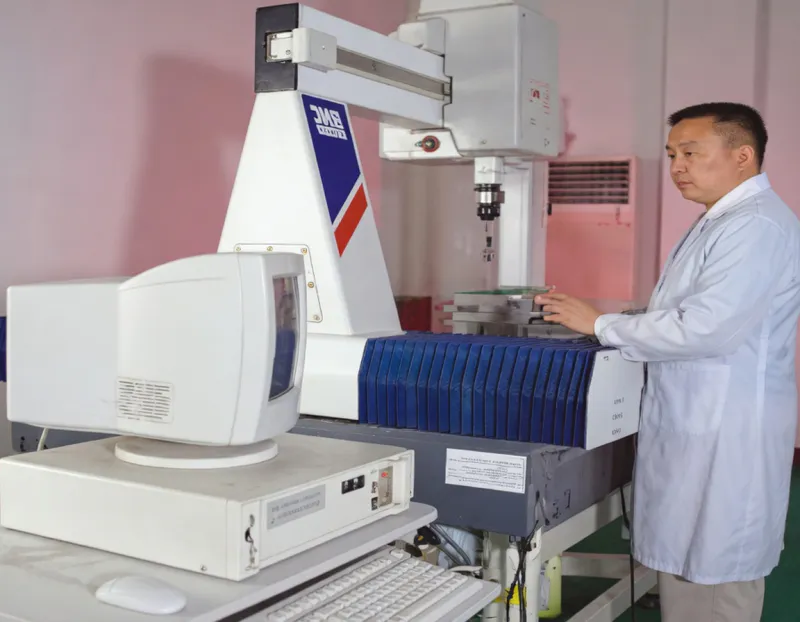
Every Truck Trailer Wheel produced in this series passes through a multi-stage automated in-line inspection sequence: dynamic balance measurement, air leakage testing to verify weld integrity, dimensional runout check for bore and mounting face, and CMM-based verification of bolt circle geometry and center hole diameter. The complete traceability record from raw material certificate to final dispatch documentation provides fleet procurement teams with the quality evidence required to satisfy both internal supplier qualification procedures and external regulatory compliance audits applicable in Colombia, North America, and international export markets served by this production facility.
3. Working Principle and Engineering Design Of Truck Trailer Wheel
A heavy duty truck trailer wheel operates as the structural bridge between the pneumatic tire and the vehicle axle assembly, simultaneously supporting the static load of the vehicle and its cargo through the rim bead seat, resisting the dynamic lateral forces generated during cornering through the disc and bolt flange interface, and transmitting braking and driving torques from the hub through the bolt circle to the wheel disc and then to the tire contact patch. In this lightweight steel Truck Trailer Wheel series, the load path is optimized through the selection of high-strength dual-phase steel grades and the application of rim flow forming technology to the barrel section. Flow forming is a precision cold-working operation in which rollers apply controlled pressure to a rotating preformed blank, stretching and thinning the barrel material to its final cross-sectional profile while simultaneously inducing beneficial residual compressive stress that opposes fatigue crack initiation under repeated cyclic loading. This combination of geometric optimization and residual stress management is what allows the rim barrel to be thinner and lighter than a conventional pressed-steel rim while achieving equivalent or superior structural performance under the SAE J1992 cornering and radial fatigue test protocols.
The HUB piloted mounting system central to this truck wheel specification works by having the 220 mm center bore of the wheel engage the precisely machined pilot diameter of the hub flange before any fastener load is applied. This engagement centers the Truck Trailer Wheel to within tight runout tolerances dictated by the hub machining precision — typically within 0.1 mm total indicator runout — ensuring that the entire bolt circle load is distributed evenly across all ten fasteners when torque is applied. The 285.75 mm PCD and 26 mm bolt hole diameter conform to the dominant North American heavy truck standard, making these wheels dimensionally compatible with virtually all Class 7 and Class 8 tractor, truck, and trailer axle configurations manufactured by major North American OEMs. The 168 mm offset positions the wheel mounting face at the correct distance from the rim centerline to achieve the vehicle manufacturer’s intended track width and axle geometry — a parameter that directly affects tire contact patch position, bearing load distribution, and vehicle lateral stability under load. Colombian fleet engineers specifying replacement wheels should always verify that the offset of the replacement wheel matches the original equipment specification for the specific axle being serviced.
4. Material Composition and Surface Protection of Truck Trailer Wheel
The structural capability of the JG28SW series lightweight truck Truck Trailer Wheel is rooted in the advanced high-strength steel grades selected for each functional zone of the rim and disc assembly. The rim barrel — the section that forms the tire bead seat and carries the primary pressure loading of the inflated tire — is produced from SPFH590 steel, a precipitation-hardened grade standardized under JIS G 3134 with a minimum tensile strength of 590 MPa. This compares favorably against the approximately 350 MPa tensile strength of conventional commercial vehicle wheel steel, allowing a proportional reduction in barrel wall thickness without compromising the structural safety margins required by the applicable fatigue test standards. The wheel disc and rim flange sections use dual-phase (DP) steel grades DP600 and DP780, which have a distinctive two-phase microstructure of hard martensite islands dispersed within a ductile ferrite matrix. DP600 achieves a minimum tensile strength of 600 MPa with approximately 25% elongation at break; DP780 pushes this further to 780 MPa tensile strength — enabling further reduction in disc section thickness while maintaining the fatigue endurance limit required for the repeated bending loads applied through the bolt circle during cornering. This strategic deployment of different AHSS grades in different wheel zones — each grade matched to the specific stress state and forming requirements of its respective component — is a core element of the engineering methodology behind the 15% to 30% mass reduction achieved in this truck wheel series.
Surface protection of the completed wheel assembly begins with mechanical shot blasting to Sa 2.5 cleanliness standard, removing mill scale and surface oxides while creating a controlled surface profile with Rz 40–70 μm anchor pattern for coating adhesion. A zinc-rich epoxy primer is then applied to 30–40 μm dry film thickness, providing active cathodic corrosion protection of the steel substrate — particularly important for wheels operating in environments with road salt exposure or coastal humidity, as experienced on Colombia’s Caribbean and Pacific coastal freight routes around Cartagena, Barranquilla, and Buenaventura. The finishing topcoat — a polyester system applied to 60–80 μm dry film thickness — provides UV resistance, abrasion resistance, and the commercial vehicle appearance standard that fleet operators expect. The complete system exceeds 504 hours salt spray resistance per ASTM B117 and meets the film adhesion requirements verified by cross-cut testing and stone chip impact resistance testing conducted as part of the production quality plan. Wheel color is standard silver-gray; custom color options can be arranged for fleet branding programs at agreed minimum order quantities.
5. Scenari applicativi
The EP series lightweight truck trailer wheel is specified across a wide range of heavy commercial vehicle applications where the combination of load capacity, reduced mass, and validated structural performance provides tangible fleet operational and economic benefits.
Long-Haul North American Interstate Freight
The 22.5-inch tubeless HUB-piloted configuration is the dominant standard for Class 8 tractor-trailer combinations on US and Canadian interstate highway networks. These wheels are optimized for the high mileage, sustained highway speed operating profiles of long-haul dry van, refrigerated trailer, and flatbed semi-trailer freight, where the weight reduction contributes to fuel efficiency gains and increased net payload on maximum gross vehicle weight operations between major logistics hubs in the eastern and western US, Canada, and Mexico.
Colombian Inter-City Freight Routes
Colombian fleet operators running the Bogotá–Medellín, Bogotá–Cali, and Bogotá–Buenaventura corridors face a combination of variable road surfaces, Andean altitude changes, and strict gross vehicle weight enforcement at permanent and mobile weighing stations. Lightweight commercial trailer rims on trailer axle positions free up 150–300 kg of payload capacity on a standard six-axle Colombian combination vehicle — capacity that improves load compliance margins, reduces the risk of overweight penalties, and makes better use of the permissible axle load ranges defined in Resolución 4100 de 2004 of the Ministerio de Transporte de Colombia.
Refrigerated Cold Chain Transport
Cold chain logistics — grocery distribution, pharmaceutical transport, and fresh produce hauling — operate under tighter tare weight budgets than dry freight operations because the reefer unit adds considerable fixed weight to the trailer. Lightweight hub-piloted wheels on trailer axle positions help operators maximize net cargo capacity within the approved gross vehicle weight, improving both refrigerated freight revenue per trip and the energy efficiency of the temperature-controlled supply chain from highland Colombian production areas to coastal and urban distribution centers.
Tanker and Liquid Bulk Transport
Petroleum product, food-grade liquid, and chemical tanker trailers operate under tight gross vehicle weight constraints where tare weight optimization directly affects profitable load volume per trip. These truck Truck Trailer Wheels’ 7,400 LBS per-wheel load rating meets the structural requirements of fully loaded tanker axle configurations, while the weight saving over conventional steel wheels improves the tanker’s net volume capacity within legal limits — a commercially meaningful benefit for Colombian downstream petroleum distribution logistics and industrial liquid transport operators serving the oil and gas sector.
Container Port and Intermodal Drayage
Container drayage connecting Colombian seaports to inland distribution facilities — Buenaventura, Cartagena, Barranquilla — involves repeated heavy payload cycles in environments with elevated humidity, salt spray, and road surface variability near port areas. The zinc-rich corrosion protection system applied to these commercial trailer rims maintains coating integrity through the aggressive marine-adjacent environment, while the 10-bolt HUB piloted mounting provides consistent wheel retention security under the repetitive loading and unloading stress cycles of daily container port operations without requiring frequent re-torquing intervention.
Andean Mountain Freight — High Brake Demand Routes
Freight routes crossing Colombian Andean passes impose severe demands on vehicle braking systems during extended loaded descents — from the savanna plains to the Pacific lowlands, for example. The JG28SW62 high vent variant with 10 hand holes significantly increases convective airflow past the brake drum, reducing peak brake temperatures by an estimated 15–25°C compared to low-ventilation wheels under equivalent braking profiles. This thermal management benefit reduces brake fade incidents, extends brake lining and drum service intervals, and contributes to a measurable reduction in brake-related maintenance costs for operations on steep mountain freight corridors.
6. Regulatory Standards and Compliance Framework
Commercial vehicle wheels are subject to overlapping layers of safety, performance, and import regulations across every market in which they are placed into service. The EP series Truck Trailer Wheel has been engineered and tested against the standards that govern procurement, quality verification, and in-service use of heavy commercial vehicle wheels in its key target markets. In the United States, Federal Motor Vehicle Safety Standard No. 120 (FMVSS 120 — Tire Selection and Rims) specifies the permissible rim and tire combination parameters for vehicles with a gross vehicle weight rating exceeding 4,536 kg, and compliance with FMVSS 120 is enforced through NHTSA regulations administered by the Federal Motor Carrier Safety Administration (FMCSA) for interstate commercial operations. SAE International standard J1992 (Truck Wheel Performance Requirements and Test Procedures) specifies the cornering fatigue, radial fatigue, and impact test protocols that validate a wheel’s structural adequacy for rated load conditions; the EP series Truck Trailer Wheel passes all J1992 test requirements at the declared load ratings. The Tire and Rim Association (TRA) Yearbook provides the dimensional standards for rim-and-tire fitment compatibility that fleet engineers and tire dealers reference when specifying replacement wheels.
In Colombia, commercial vehicle regulations are administered by the Ministerio de Transporte, with technical standards developed through ICONTEC (Instituto Colombiano de Normas Técnicas y Certificación). Colombian Resolución 4100 de 2004 and its subsequent modifications define maximum vehicle dimensions and axle load limits for commercial vehicles operating on the national road network, and wheel specifications must be compatible with the tire and axle load combination approved in the vehicle’s official homologation documentation. Fleet procurement managers in Colombia sourcing replacement truck wheels should request the SAE J1992 compliance test report, the ISO 9001:2015 quality management certificate, and material certification records from the wheel manufacturer to satisfy both internal supplier audits and any external regulatory inspection requirements. For export to Brazil — a neighboring market where the Jingu Catalogue footnotes INMETRO certification — the relevant certification confirms compliance with Brazilian national standards for commercial vehicle wheel imports. In Europe, ECE Regulation No. 54 covers pneumatic tires for commercial vehicles, while EN 12168 and ISO 3894 provide the dimensional and performance frameworks for commercial vehicle wheel-rim specifications applicable to European-specification axle configurations. The production facility manufacturing this wheel series operates under an ISO 9001:2015 quality management system with third-party audit, and all production lots are traceable through material certificates (mill certificates), process records, and final inspection documentation.
7. Chi siamo
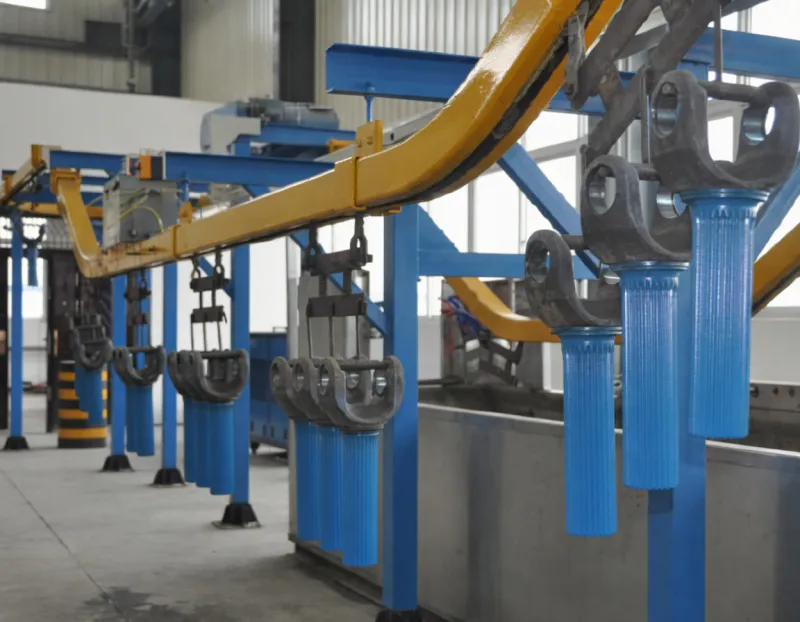
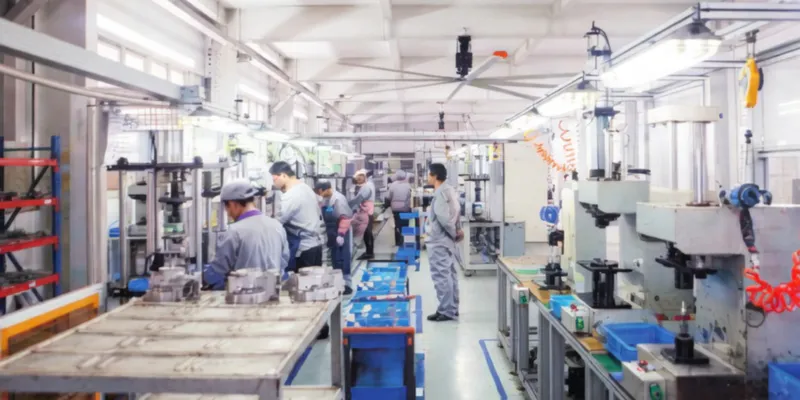
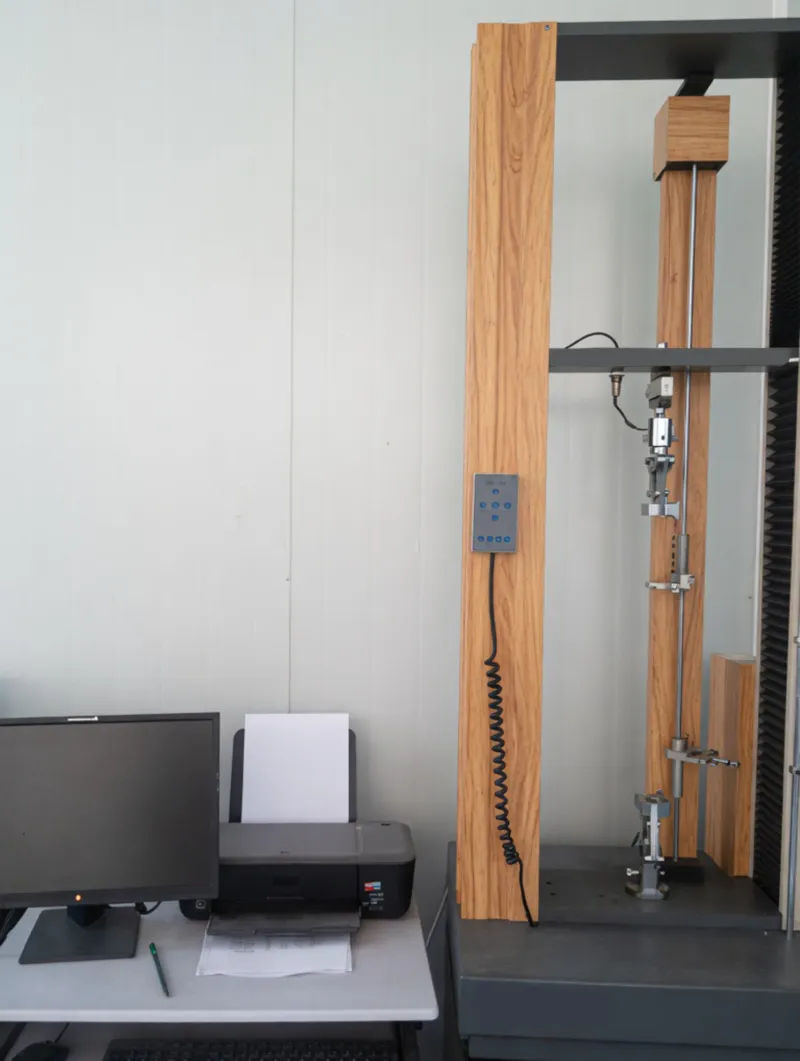
Our production facilities incorporate world-class automated manufacturing lines equipped with advanced equipment and tooling sourced from Germany, Sweden, Japan, Spain, and other industrial nations — covering rim flow forming technology, high-strength steel lightweighting, high vent wheel disc forming, and semi-fullface and full-face Truck Trailer Wheel surface design capabilities that represent the current technological frontier in steel wheel production. Our national-level testing center operates as a specialized institution for the testing, measurement, and analysis of wheels, equipped with all necessary instruments to conduct performance and function tests, material performance tests, film performance tests, dimensional layout verification, wheel cornering fatigue testing, radial fatigue testing, 13/30/90 degree impact testing, weld penetration testing, nut seat rigidity testing, steel content analysis, tensile testing, metallographic analysis, salt spray testing per ASTM B117, high and low temperature testing, ultraviolet aging testing, gloss and adhesion testing, hardness testing, gravel testing, CMM dimensional inspection, runout testing, sparking spectral analysis, and X-ray fluorescence analysis.
Workshop
8. Related Products — Complete Your Axle System
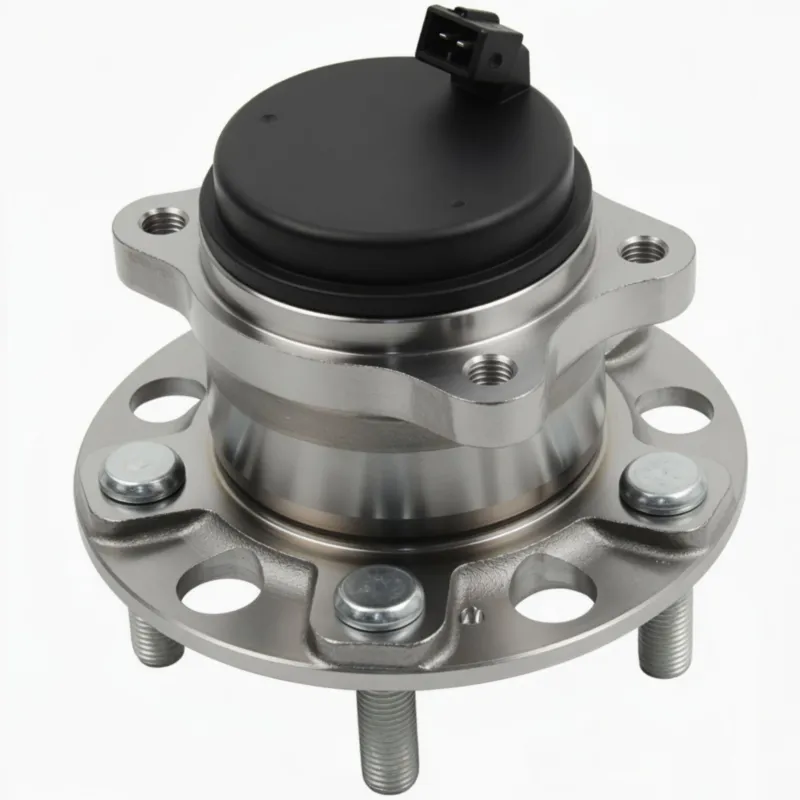
A complete rear axle and trailer drive system extends well beyond the wheel itself. We supply the complementary components for fully integrated, single-source axle assemblies — simplifying procurement, reducing lead time risk, and ensuring dimensional compatibility between all mating components from the axle centerline to the tire contact patch.
Mozzi delle ruote
Assale del rimorchio
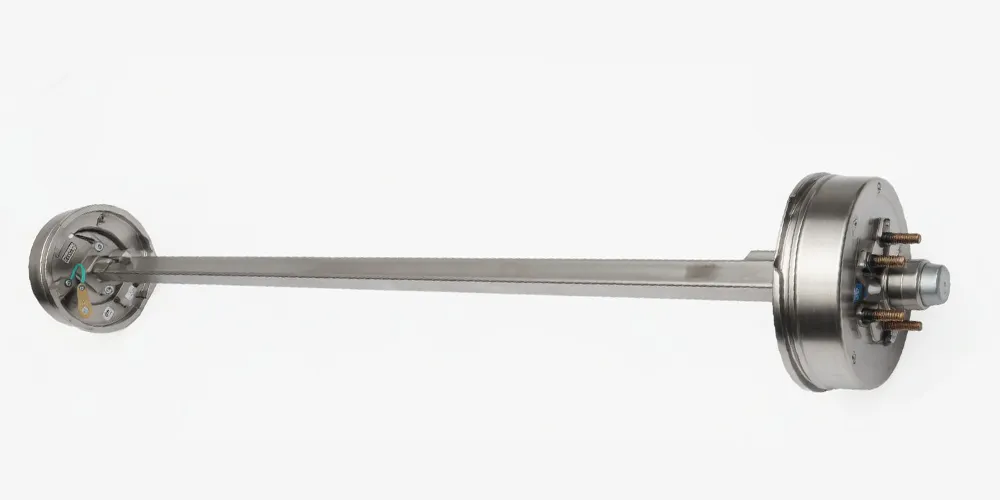
The wheel mounts directly to the trailer spindle hub, making spindle dimensional accuracy a direct determinant of truck wheel system performance and the durability of wheel-hub contact surfaces over the service life of the assembly. Our Trailer Axle Beam and Trailer Spindle products are machined with 220 mm hub pilot diameters and 285.75 mm bolt circle configurations that match the EP series Truck Trailer Wheel specification exactly — eliminating any interference fit uncertainty at the hub pilot contact zone and maintaining the correct wheel offset geometry relative to the axle centerline. Procuring the wheel, spindle, and fastener set through a single source covering the full rear axle assembly reduces inventory part number complexity, accelerates maintenance procedures in field service situations, and provides the comprehensive technical compatibility assurance that fleet engineering teams in Colombia and North America require when implementing system-level trailer axle standardization programs.
Domande frequenti
Redattore: PXY