यूरोपीय संघ-रूसी वाहन यू-जॉइंट
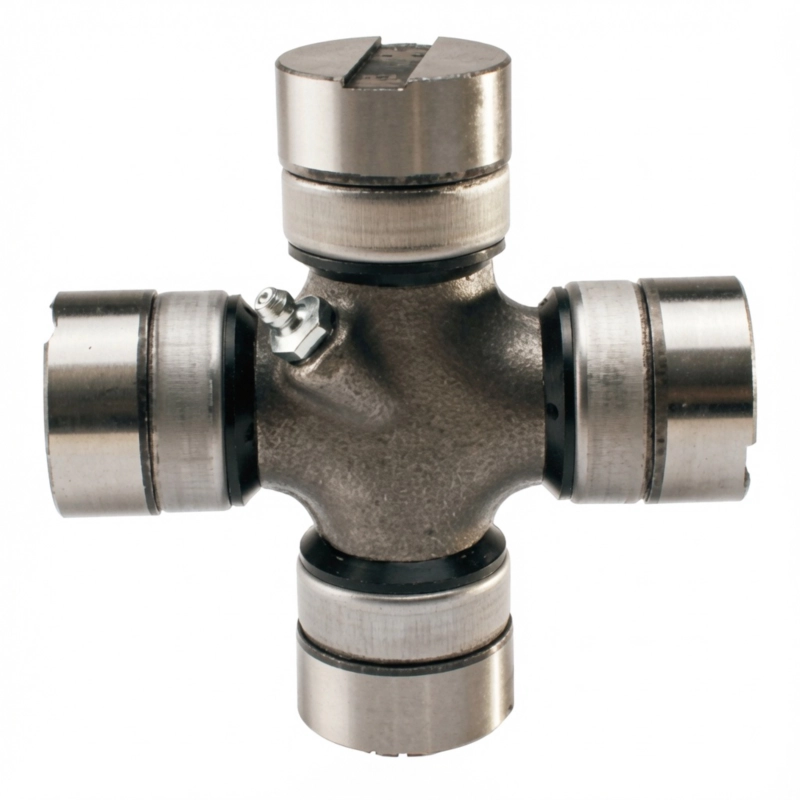
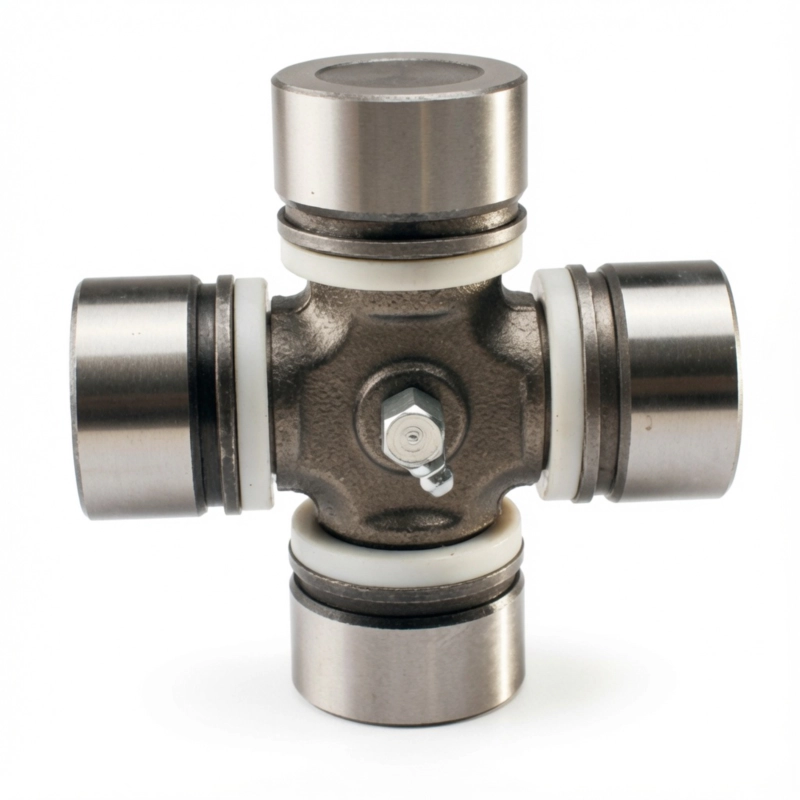
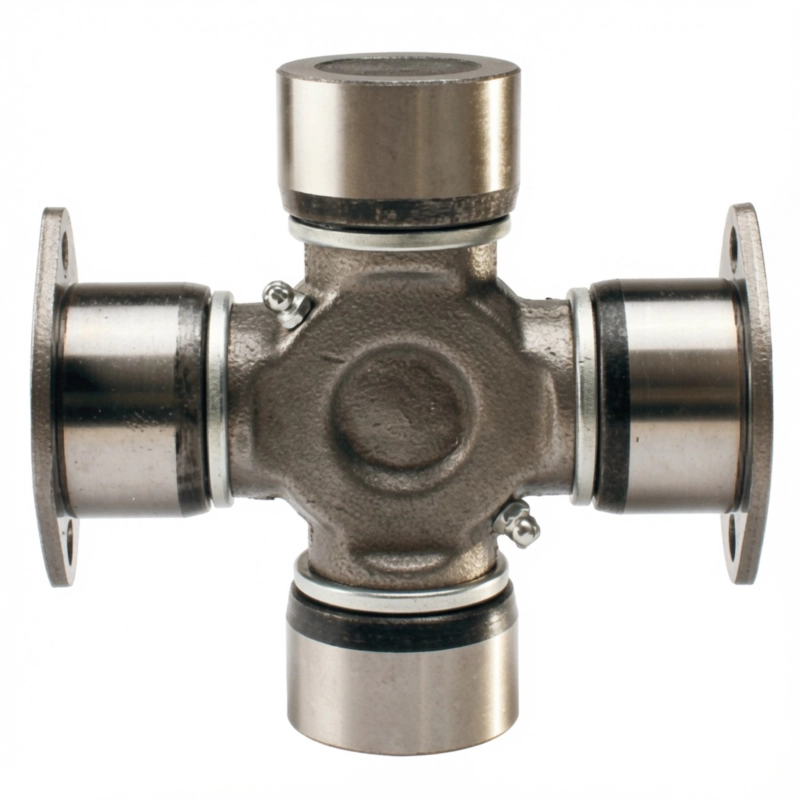
ईपी-रूसी वाहन यू-जॉइंट रूसी-विशिष्ट वाहन अनुप्रयोगों में फिट होते हैं, जिन्हें ए/बी/आई तीन आकार प्रकारों में वर्गीकृत किया गया है, जिनमें पूर्ण ओईएम पार्ट नंबर संदर्भ जैसे 4301-3401485, 2101-2202025 शामिल हैं।
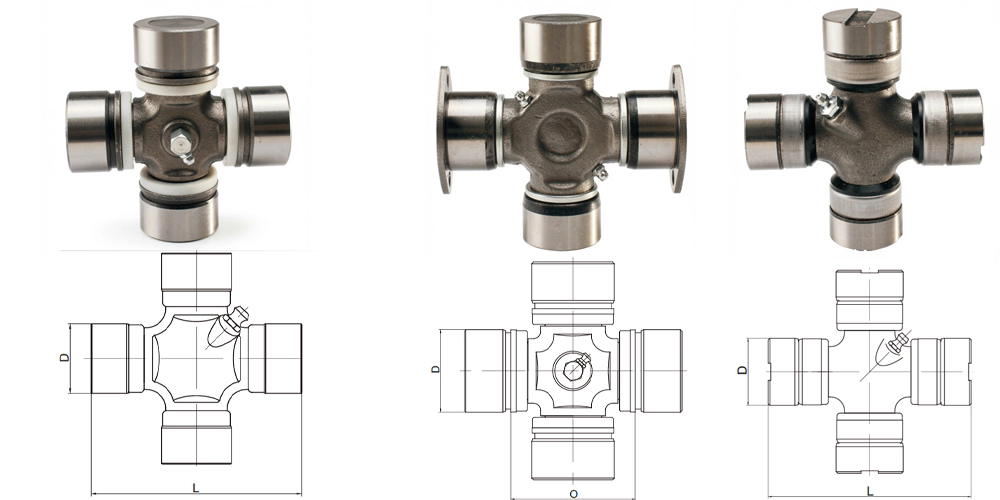
शाफ्ट का व्यास (D) 19 मिमी से 72 मिमी तक होता है, बाहरी आयाम (O) टाइप B आइटम के लिए 37.2~55 मिमी तक होता है, कुल लंबाई (L) सूचीबद्ध विनिर्देशों के अनुसार 44.6 मिमी से 185 मिमी तक होती है।
मूल रूसी ट्रक और यात्री कार माउंटिंग मानकों के अनुरूप बनाया गया, स्थिर पावर ट्रांसमिशन के लिए सटीक रूप से निर्मित, आफ्टरमार्केट रिप्लेसमेंट के लिए नियमित ड्राइविंग भार के प्रति टिकाऊ।
ईपी रशियन व्हीकल्स यू-जॉइंट — रूसी निर्मित ट्रकों और ऑफ-रोड उपकरणों के लिए हेवी-ड्यूटी यूनिवर्सल जॉइंट
रूसी निर्मित वाहनों की विशिष्ट ड्राइवलाइन आवश्यकताओं के लिए डिज़ाइन किया गया - हल्के यात्री कारों से लेकर बहु-धुरी वाणिज्यिक ट्रकों और सैन्य-विशिष्ट ऑफ-रोड प्लेटफार्मों तक - हमारा रूसी वाहनों का यू-जॉइंट यह उत्पाद श्रृंखला लैटिन अमेरिका, पूर्वी यूरोप, अफ्रीका और दक्षिण पूर्व एशिया के बाजारों में आवश्यक आयामी सटीकता, भार क्षमता और सामग्री की मजबूती प्रदान करती है। चाहे आप किसी भी प्रकार का उत्पाद खरीद रहे हों, रूसी वाहनों में यू जॉइंट रिप्लेसमेंट चाहे बोगोटा में किसी कार्यशाला के लिए हो या मेडेलिन में किसी फ्लीट ऑपरेटर के लिए थोक में खरीददारी करनी हो, यह श्रृंखला उन जगहों पर बेहतर प्रदर्शन करने के लिए बनाई गई है जहां सामान्य विकल्प विफल हो जाते हैं।
1. तकनीकी मापदंड तालिका — ईपी रूसी वाहन यू-जॉइंट श्रृंखला
नीचे दी गई तालिका में ईपी रूसी वाहन यू-जॉइंट श्रृंखला के प्रत्येक एसकेयू के लिए पूर्ण भाग संख्या क्रॉस-रेफरेंस, आयामी पैरामीटर और आकृति प्रकार सूचीबद्ध हैं। कॉलम डी ट्रनियन (नीडल बेयरिंग जर्नल) का व्यास मिलीमीटर में दर्शाता है; कॉलम ओ बेयरिंग कप का बाहरी व्यास है; कॉलम एल योक सतहों के आर-पार कुल असेंबल की गई लंबाई है। सभी मान मिलीमीटर (मिमी) में हैं।
| एफआईजी-रूसी वाहन यू-जॉइंट | ओईएम पार्ट नंबर | डी (मिमी) | ओ (मिमी) | एल (मिमी) | आवेदन |
|---|---|---|---|---|---|
| ए | 4301-3401485 | 19 | — | 44.6 | स्टीयरिंग कॉलम, लाइट यूटिलिटी |
| ए | 2101-2202025 | 23.84 | — | 61.24 | VAZ/LADA यात्री प्रोपशाफ्ट |
| ए | 2121-2201025 | 28 | — | 70.9 | लाडा नीवा 4×4 प्रोपशाफ्ट |
| बी | 5320-3422039 | 28 | 37.2 | — | KamAZ स्टीयरिंग ड्राइवलाइन |
| बी | 400-2201025 | 28 | 42.5 | — | GAZ-66 प्रोपशाफ्ट फ्रंट |
| बी | 412-2201025 | 28 | 52.2 | — | मोस्कविच / आईजेडएच रियर प्रोपशाफ्ट |
| बी | 3102-2201025 | 30 | 55 | — | वोल्गा GAZ-3102 प्रोपशाफ्ट |
| ए | 53ए-2201025-10 | 35 | — | 98 | GAZ-53 मध्यम ट्रक का पिछला भाग |
| मैं | 130-2201025 | 39 | — | 118 | ZIL-130 ट्रक फ्रंट प्रोपशाफ्ट |
| मैं | 5320-2201025 | 39 | — | 118 | KamAZ-5320 मुख्य प्रोपशाफ्ट |
| मैं | 53205-2201025 | 50 | — | 135 | KamAZ टैंडम एक्सल ड्राइव |
| ए | 6520-2201025 | 50 | — | 135 | कामाज़-6520 डंप ट्रक ड्राइवशाफ्ट |
| मैं | 53205-2205025 | 50 | — | 155 | KamAZ इंटर-एक्सल शाफ्ट जोड़ |
| ए | 4310-2205025 | 50 | — | 155 | KamAZ-4310 सैन्य ट्रक |
| ए | 6520-2205025 | 57 | — | 152 | KamAZ-6520 भारी पिछला भाग |
| मैं | 540-2201025 | 62 | — | 173 | उरल-4320 / ज़िल-131 भारी ट्रक |
| ए | 7555-2201025 | 72 | — | 185 | MAZ / BelAZ हेवी-ड्यूटी प्लेटफॉर्म |
सभी माप मिलीमीटर (mm) में हैं। D = ट्रनियन जर्नल का व्यास; O = बेयरिंग कप का बाहरी व्यास; L = असेंबल किए गए दोनों कपों की कुल लंबाई। चित्र प्रकार A, B, I उत्पाद आरेख के विवरण के अनुसार योक और बेयरिंग कप के विन्यास को दर्शाते हैं।
2. यूनिवर्सल जॉइंट क्या है — और रूसी वाहनों में यह क्यों महत्वपूर्ण है?
ए सार्वभौमिक जोड़ ड्राइवशाफ्ट (जिसे आमतौर पर यू-जॉइंट, कार्डन जॉइंट या हार्डी स्पाइसर जॉइंट कहा जाता है) एक यांत्रिक युग्मन है जो दो घूर्णनशील शाफ्टों को जोड़ता है जिनके अक्ष पूरी तरह से संरेखित नहीं होते हैं। किसी भी वाहन में, ड्राइवशाफ्ट को ट्रांसमिशन से रियर एक्सल (या, 4WD सिस्टम में, दोनों एक्सल) तक टॉर्क संचारित करना होता है, साथ ही सस्पेंशन की ऊर्ध्वाधर गति को भी समायोजित करना होता है। यही कोणीय लचीलापन ड्राइवशाफ्ट की खासियत है। वाहन पर यूनिवर्सल जॉइंट प्रदान करता है।
रूसी निर्मित प्लेटफॉर्म - UAZ 469, GAZ-66, ZIL-131, KamAZ परिवार, Ural 4320, और LADA/VAZ यात्री कारों की पूरी श्रृंखला - को विशिष्ट ड्राइवलाइन ज्यामिति और OEM सहनशीलता के साथ डिज़ाइन किया गया था जो पश्चिमी या जापानी मानकों से काफी भिन्न हैं। सामान्य आयामों के अनुसार मशीनीकृत जोड़ में अत्यधिक ढीलापन, ट्रनियन सुइयों का समय से पहले घिसना और अंततः ड्राइवशाफ्ट की गंभीर विफलता हो सकती है। EP रूसी वाहन यू-जॉइंट श्रृंखला को सूचीबद्ध प्रत्येक प्लेटफॉर्म के OEM विनिर्देशों के अनुसार विशेष रूप से आकार दिया गया है, जिससे बिना किसी शिमिंग या मशीनिंग की आवश्यकता के आसानी से फिट हो जाता है।
ज्यामिति के अलावा, परिचालन वातावरण भी मायने रखता है। रूसी ट्रक नियमित रूप से कीचड़ भरे, भारी भार वाले वातावरण में तैनात किए जाते हैं - लॉगिंग, खनन, कृषि परिवहन और सैन्य रसद - जिसका अर्थ है कि सार्वभौमिक जोड़ इन्हें कभी-कभार लगने वाले चरम भारों के बजाय निरंतर उच्च-टॉर्क भार को सहन करना चाहिए। हमारे ताप-उपचारित मिश्र धातु इस्पात ट्रनियन और सटीक श्रेणी के नीडल बियरिंग को ठीक इन्हीं कार्य चक्रों को सहन करने के लिए चुना गया है।
3. रूसी वाहन यू-जॉइंट श्रृंखला के पांच प्रमुख लाभ
① OEM-अनुरूप आयामी सटीकता
रूसी वाहनों के यू-जॉइंट श्रृंखला में प्रत्येक पार्ट नंबर को सत्यापित OEM नमूनों के आधार पर रिवर्स-इंजीनियर किया गया है। ट्रनियन व्यास, कुल लंबाई, स्नैप-रिंग ग्रूव की गहराई और बेयरिंग कप सीट की ज्यामिति को मूल फ़ैक्टरी विनिर्देशों के बराबर या उससे अधिक सटीक टॉलरेंस पर रखा गया है। कोलंबिया के भारी परिवहन क्षेत्र जैसे GAZ, UAZ, KamAZ और Ural वाहनों के सक्रिय बेड़े की सेवा करने वाले बाज़ार के लिए, आयामी सटीकता का सीधा अर्थ है शून्य-प्ले इंस्टॉलेशन और विस्तारित सर्विस अंतराल।
② उच्च शक्ति मिश्र धातु इस्पात निर्माण
ट्रनियन 20CrMnTi या समकक्ष क्रोमियम-मैंगनीज मिश्र धातु इस्पात से निर्मित होते हैं और सतह की थकान और झटके के कारण आंतरिक भाग के टूटने से बचाने के लिए पर्याप्त गहराई तक कार्बरीकृत किए जाते हैं। यह उन वाहनों के लिए विशेष रूप से महत्वपूर्ण है जो भारी माल लेकर नियमित रूप से कच्ची सड़कों पर चलते हैं - कोलंबिया के एंडियन क्षेत्र और पड़ोसी देशों में कृषि और खनन परिवहन के लिए यह एक दैनिक वास्तविकता है।
③ सटीक नीडल बेयरिंग असेंबली
बेयरिंग कप ग्रेड 10 या उससे बेहतर स्तर तक ग्राइंड किए गए कठोर नीडल रोलर्स से भरे होते हैं। रोलर के व्यास में सटीक एकरूपता पूरे बेयरिंग सतह पर समान भार वितरण सुनिश्चित करती है, जिससे समय से पहले गड्ढों का कारण बनने वाले तनाव संकेंद्रण को समाप्त किया जा सकता है। सीलबंद संस्करण स्नेहक को बनाए रखते हैं और संदूषकों को बाहर रखते हैं, जिससे वे मध्य और दक्षिण अमेरिकी परिचालन क्षेत्रों में आम तौर पर पाए जाने वाले धूल भरे या नम जलवायु के लिए आदर्श बन जाते हैं। रूसी वाहनों के यू जॉइंट पार्ट्स इनकी अक्सर मांग रहती है।
④ व्यापक क्रॉस-रेफरेंस कवरेज
रूसी वाहनों की यू-जॉइंट सीरीज़ में OEM पार्ट नंबरों की एक असाधारण श्रृंखला शामिल है — कॉम्पैक्ट लाडा पैसेंजर कार जॉइंट्स (OEM 2101-2202025, D=23.84 mm) से लेकर भारी ट्रक और सैन्य-विशिष्ट यूनिट्स (OEM 7555-2201025, D=72 mm) तक। इस व्यापकता का मतलब है कि एक ही आपूर्तिकर्ता के साथ संबंध पूरे मिश्रित बेड़े को कवर कर सकता है, जिससे खरीद की जटिलता कम हो जाती है और उन वर्कशॉप के लिए पार्ट्स की उपलब्धता में सुधार होता है जो इन वाहनों का काम करते हैं। रूसी वाहनों के लिए यूनिवर्सल जॉइंट विभिन्न वाहन श्रेणियों में।
⑤ वन-स्टॉप ड्राइवट्रेन सप्लाई चेन
हमारी रूसी वाहनों की यू-जॉइंट श्रृंखला अकेली नहीं है। यह हमारी समानांतर व्हील हब और एक्सल शाफ्ट उत्पाद श्रृंखलाओं के साथ एकीकृत है, जिससे खरीदारों को एक ही निर्माता से संपूर्ण ड्राइवलाइन मरम्मत किट - जॉइंट, हब और एक्सल - प्राप्त करने की सुविधा मिलती है। यह संपूर्ण सुविधा डिलीवरी समय को कम करती है, कोलंबिया और अन्य लैटिन अमेरिकी बाजारों में आयातकों के लिए सीमा शुल्क दस्तावेज़ीकरण को सरल बनाती है, और सभी घटकों के आयामों की अनुकूलता सुनिश्चित करती है।
4. यूनिवर्सल जॉइंट कैसे काम करता है — ईपी सीरीज़ के पीछे की इंजीनियरिंग
कार्डन-प्रकार के संचालन सिद्धांत सार्वभौमिक जोड़ इसका डिज़ाइन देखने में सरल लगता है: एक क्रॉस के आकार का ट्रनियन (जिसे स्पाइडर या क्रॉस-पीस भी कहा जाता है) दो आसन्न शाफ्ट सिरों से जुड़े दो योक के प्रतिच्छेदन पर स्थित होता है। क्रॉस की प्रत्येक भुजा योक बोर के भीतर स्थित एक बेयरिंग कप में फिट होती है। जैसे ही एक शाफ्ट घूमता है, वह ट्रनियन को गति देता है, जो बदले में दूसरे योक और शाफ्ट को गति देता है - इस प्रकार दोनों शाफ्ट अक्षों के कोण बनाने पर भी टॉर्क संचारित होता है।
सबसे महत्वपूर्ण भौतिक विशेषता यह है कि किसी भी दिए गए परिचालन कोण पर, एकल कार्डन जोड़ का आउटपुट शाफ्ट पूरी तरह से स्थिर वेग से नहीं घूमता है। इसके बजाय, यह प्रति चक्कर दो बार त्वरित और मंद होता है - एक ऐसी घटना जिसे द्वितीय-कोटि वेग समीकरण द्वारा वर्णित किया गया है। यह चक्रीय परिवर्तन कंपन उत्पन्न करता है, यही कारण है कि अधिकांश ड्राइवशाफ्ट दो यू-जोड़ों का उपयोग करते हैं जिन्हें इस प्रकार व्यवस्थित किया जाता है कि उनके चरण कोण एक दूसरे को रद्द कर दें (जब जोड़ कोण बराबर हों और योक सही ढंग से चरणबद्ध हों तो स्थिर वेग प्राप्त होता है)। रूसी वाणिज्यिक वाहनों में, यह दोहरे जोड़ वाली संरचना प्रोपेलर शाफ्ट पर मानक है, और पुनः संयोजन के दौरान सही चरणबद्धता आवश्यक है।
चिकनाई एक और महत्वपूर्ण कारक है। प्रत्येक ट्रनियन आर्म को सहारा देने वाले नीडल बेयरिंग रोलर और बेयरिंग कप के बीच एक हाइड्रोडायनामिक फिल्म बनाने के लिए ग्रीस पर निर्भर करते हैं। सीलबंद डिज़ाइनों में, यह ग्रीस कारखाने में पैक किया जाता है और एक लिप सील द्वारा सुरक्षित किया जाता है। ग्रीस लगाने योग्य डिज़ाइनों में, एक ज़र्क फिटिंग समय-समय पर पुनः चिकनाई लगाने की अनुमति देती है - भारी वाहनों के लिए एक व्यावहारिक लाभ जहां सर्विस अंतराल अनुशासित होते हैं। ईपी रूसी वाहन यू-जॉइंट श्रृंखला प्रत्येक पार्ट नंबर के ओईएम विनिर्देश के आधार पर दोनों कॉन्फ़िगरेशन में उपलब्ध है।
5. रूसी वाहनों के यू-जॉइंट की सामग्री संरचना और सतह उपचार
किसी सामग्री का चयन सार्वभौमिक जोड़ रूसी वाहनों के कार्य चक्रों के अधीन होने वाली सामग्री केवल दिखावटी पहलू नहीं है - यह संयुक्त मरोड़, झुकने और प्रभाव भार के तहत सेवा जीवन को सीधे निर्धारित करती है। ईपी रूसी वाहन यू-जॉइंट श्रृंखला निम्नलिखित सामग्री रणनीति का उपयोग करती है:
ट्रनियन / स्पाइडर क्रॉस: कम कार्बन वाले क्रोमियम-मैंगनीज मिश्र धातु इस्पात (20CrMnTi या 20CrNiMo ग्रेड के समान) से निर्मित। निर्माण और मशीनिंग के बाद, ट्रनियन भुजाओं को कार्बराइज्ड और केस-हार्ड किया जाता है, जिससे सतह की कठोरता 0.8-1.4 मिमी की गहराई पर HRC 58-64 तक हो जाती है, जबकि आंतरिक भाग की कठोरता HRC 35-45 तक अधिक होती है। यह संयोजन कठोर भार वहन सतह प्रदान करता है जो पिटिंग थकान का प्रतिरोध करती है, जबकि नरम आंतरिक भाग बिना भंगुर विखंडन के झटके को अवशोषित करता है - ठीक वही जो ऑफ-हाईवे और अतिभारित ट्रक अनुप्रयोगों में आवश्यक है।
बेयरिंग कप: उच्च गुणवत्ता वाले मध्यम कार्बन स्टील से निर्मित और एचआरसी 60-64 तक कठोर किए गए कप। आंतरिक सतह की फिनिशिंग ग्राइंडिंग और सुपरफिनिशिंग द्वारा Ra ≤ 0.4 µm तक की गई है। कपों को इस प्रकार आकार दिया गया है कि वे योक बोर में पूरी तरह फिट हो जाएं, जिससे ढीले-ढाले फिटिंग वाले असेंबली में योक के समय से पहले घिसने का कारण बनने वाले घर्षण को रोका जा सके।
नीडल रोलर्स: 100Cr6 (GCr15) बेयरिंग स्टील से निर्मित, HRC 62–66 तक कठोर और ग्रेड 10 या उससे बेहतर तक ग्राउंडेड। रोलर की लंबाई और व्यास का अनुपात प्रत्येक पार्ट नंबर की विशिष्ट लोड रेटिंग के अनुरूप होता है, जिससे अधिकतम लोड क्षमता के लिए पूर्ण फिलिंग सुनिश्चित होती है और साथ ही पर्याप्त लुब्रिकेशन ऑयल फिल्म रिटेंशन स्पेस भी बना रहता है।
मुहरें: सीलबंद वेरिएंट पर लिप सील नाइट्राइल रबर (एनबीआर) से ढाली जाती हैं, जिसे लिथियम-कॉम्प्लेक्स ग्रीस के साथ अनुकूलता और -40 डिग्री सेल्सियस से +120 डिग्री सेल्सियस तक के व्यापक तापमान रेंज में सेवा के लिए तैयार किया जाता है - जो साइबेरियाई लॉजिस्टिक्स मार्गों पर आने वाली चरम जलवायु को कवर करता है, जिसके लिए इन वाहनों को मूल रूप से डिजाइन किया गया था, साथ ही उष्णकटिबंधीय कोलंबियाई परिस्थितियों को भी कवर करता है।
6. रूसी वाहनों के यू-जॉइंट के लिए अनुप्रयोग परिदृश्य
कृषि परिवहन (कोलंबिया और लैटिन अमेरिका)
कोलंबिया के कॉफी और गन्ना उत्पादक क्षेत्रों में, जहां सड़क अवसंरचना खराब है, GAZ-66 और UAZ से व्युत्पन्न ट्रक अभी भी चल रहे हैं। रूसी वाहनों में यू जॉइंट रिप्लेसमेंट इस सेगमेंट में मांग कच्ची सड़कों पर उच्च भार चक्रों से प्रेरित है, जिसके लिए मजबूत ट्रनियन हार्डनिंग और विश्वसनीय सीलबंद बियरिंग वाले जोड़ों की आवश्यकता होती है। हमारी D=28–39 mm रेंज इन अधिकांश प्लेटफार्मों को कवर करती है।
खनन एवं निर्माण परिवहन
KamAZ डंप ट्रक और Ural टिपर ट्रक लैटिन अमेरिका और पूर्वी यूरोप में खुले खनन और अवसंरचना परियोजनाओं में व्यापक रूप से उपयोग किए जाते हैं। बड़े व्यास वाले जोड़ (D=50–72 mm, OEM 53205-2201025 से 7555-2201025 तक) इन भारी ढुलाई कार्यों के लिए डिज़ाइन किए गए हैं। एक विफल ट्रक पर यू-जॉइंट एक सक्रिय खदान में काम बंद रहने से महंगा नुकसान होता है, जिससे खरीद इंजीनियरों के लिए गुणवत्ता और आयामी सटीकता पर कोई समझौता नहीं किया जा सकता है।
सैन्य एवं मानवीय रसद
रूसी सैन्य-विशिष्ट वाहन, जिनमें KamAZ-4310 और Ural-4320 (OEM 540-2201025, D=62 mm) शामिल हैं, संघर्षग्रस्त और संघर्ष के बाद के क्षेत्रों में सेवा में बने हुए हैं, और कई देशों में मानवीय संगठनों और नागरिक सुरक्षा एजेंसियों द्वारा भी इनका उपयोग किया जाता है। इन बेड़ों के रखरखाव के लिए सटीक मिलान की आवश्यकता होती है। रूसी वाहनों के लिए यूनिवर्सल जॉइंट यूक्रेन और आसपास के क्षेत्रों के साथ-साथ लैटिन अमेरिकी शांतिरक्षा अभियानों में भी।
यात्री कार और एसयूवी कार्यशालाएँ
लाडा नीवा (ओईएम 2121-2201025) और वाज़ सीरीज़ (ओईएम 2101-2202025) के वाहनों की बिक्री और सर्विसिंग कोलंबिया, वेनेज़ुएला और अन्य लैटिन अमेरिकी बाजारों में विशेषज्ञ कार्यशालाओं के माध्यम से की जाती है। प्रोपशाफ्ट स्टीयरिंग यूनिवर्सल जॉइंट इन मॉडलों में, उपयोग के साथ जोड़ में घिसावट अनुमानित रूप से होती है, इसलिए यह एक नियमित रखरखाव का हिस्सा है। चित्र A में दिखाए गए हमारे कॉम्पैक्ट-रेंज जोड़ सटीक फिटमेंट प्रदान करते हैं, जिससे मरम्मत का समय कम रहता है और ग्राहक संतुष्टि उच्च स्तर की होती है।
आफ्टरमार्केट वितरण और फ्लीट प्रबंधन
बोगोटा, मेडेलिन, कैली और बैरेंक्विला में ऑटोमोटिव पार्ट्स वितरक जो स्टॉक करते हैं रूसी वाहनों के लिए प्रतिस्थापन यूनिवर्सल जॉइंट हमारे व्यापक कैटलॉग कवरेज का लाभ उठाएं — एक ही श्रृंखला में 16 OEM पार्ट नंबर होने से अलग-अलग खरीद ऑर्डर कम करने पड़ते हैं, प्रति SKU न्यूनतम मात्रा की बाध्यता कम होती है और इन्वेंट्री प्रबंधन सरल हो जाता है। एक समान पैकेजिंग और पार्ट नंबरिंग से वेयरहाउस संचालन आसान हो जाता है।
7. कानूनी, सुरक्षा और नियामक ढांचा
ऑटोमोटिव ड्राइवलाइन घटक जैसे सार्वभौमिक जोड़ ये पुर्जे हर प्रमुख बाजार में वाहन सुरक्षा नियमों के अंतर्गत आते हैं। इन पुर्जों की खरीद-बिक्री करने वाले आयातकों और वितरकों के लिए लागू नियमों को समझना महत्वपूर्ण है।
कोलंबिया: परिवहन मंत्रालय और उसका तकनीकी सचिवालय, डिक्री 1079 डी 2015 और वाहन तकनीकी निरीक्षण (रिविज़ियन टेक्नीको-मेकेनिका, आरटीएम) से संबंधित प्रस्तावों के तहत वाहन की वायुयोग्यता मानकों को लागू करते हैं। सस्पेंशन, स्टीयरिंग और ड्राइवलाइन घटकों को आरटीएम उत्तीर्ण करने के लिए निर्दिष्ट प्रदर्शन मानकों को पूरा करना आवश्यक है। आरटीएम प्रोटोकॉल के भाग के रूप में ड्राइवशाफ्ट यूनिवर्सल जॉइंट्स की प्ले, शोर और अखंडता की जांच की जाती है। व्यावसायिक रूप से आयातित पुर्जों को जहां लागू हो, आईकॉनटेक मानकों का पालन करना होगा, और आयातकों को ऑटोमोटिव सुरक्षा पुर्जों के लिए इनविमा या एसआईसी पंजीकरण आवश्यकताओं की पुष्टि करनी चाहिए।
यूरोपीय संघ / यूक्रेन: के लिए यूक्रेन में इस्तेमाल होने वाले रूसी वाहनों में यूनिवर्सल जॉइंट यूरोपीय संघ के सदस्य देशों में, सामान्य वाहन सुरक्षा पर विनियमन (ईसी) संख्या 661/2009 और इसके प्रत्यायोजित विनियम ड्राइवट्रेन घटक प्रदर्शन को नियंत्रित करते हैं। प्रतिस्थापन पुर्जे या तो ओईएम-समतुल्य होने चाहिए या निर्देश 2007/46/ईसी और इसके उत्तराधिकारियों के तहत टाइप-अनुमोदित होने चाहिए। यूएनईसीई विनियमन संख्या 0 (आईडब्ल्यूवीटीए) के अनुरूप होना तेजी से अपेक्षित है।
रूस / ईएईयू: यूरेशियन आर्थिक संघ (रूस, बेलारूस, कजाकिस्तान, आर्मेनिया, किर्गिस्तान) के अंतर्गत, पहिएदार वाहनों की सुरक्षा संबंधी तकनीकी विनियमन TR EAEU 018/2011 ड्राइवट्रेन घटकों के लिए अनिवार्य प्रदर्शन आवश्यकताओं को परिभाषित करता है। GOST 7378 और संबंधित मानक रूसी प्लेटफॉर्म वाहनों में उपयोग किए जाने वाले यू-जॉइंट्स के लिए आयामी और सामग्री संबंधी आवश्यकताओं को निर्दिष्ट करते हैं।
अमेरिका (एफएमवीएसएस / एसएई): संयुक्त राज्य अमेरिका को निर्यात करने वाले बाजारों के लिए, ड्राइवलाइन प्रतिस्थापन पुर्जे FMVSS मानकों और SAE J901 (यूनिवर्सल जॉइंट और ड्राइवशाफ्ट डिज़ाइन मैनुअल) द्वारा नियंत्रित होते हैं। ये समकक्ष घटक श्रेणियों पर लागू भार रेटिंग, थकान जीवन परीक्षण और संतुलन आवश्यकताओं को परिभाषित करते हैं।
ब्राजील (INMETRO / ABNT): ब्राज़ील में वाहन सुरक्षा घटकों के लिए ABNT NBR मानक और CONTRAN प्रस्ताव लागू होते हैं। वाणिज्यिक वाहनों के लिए यूनिवर्सल जॉइंट, वाहन की श्रेणी के आधार पर, INMETRO के अनिवार्य प्रमाणीकरण दायरे में आ सकते हैं।
8. हमारे बारे में - रूसी वाहन संयुक्त निर्माता
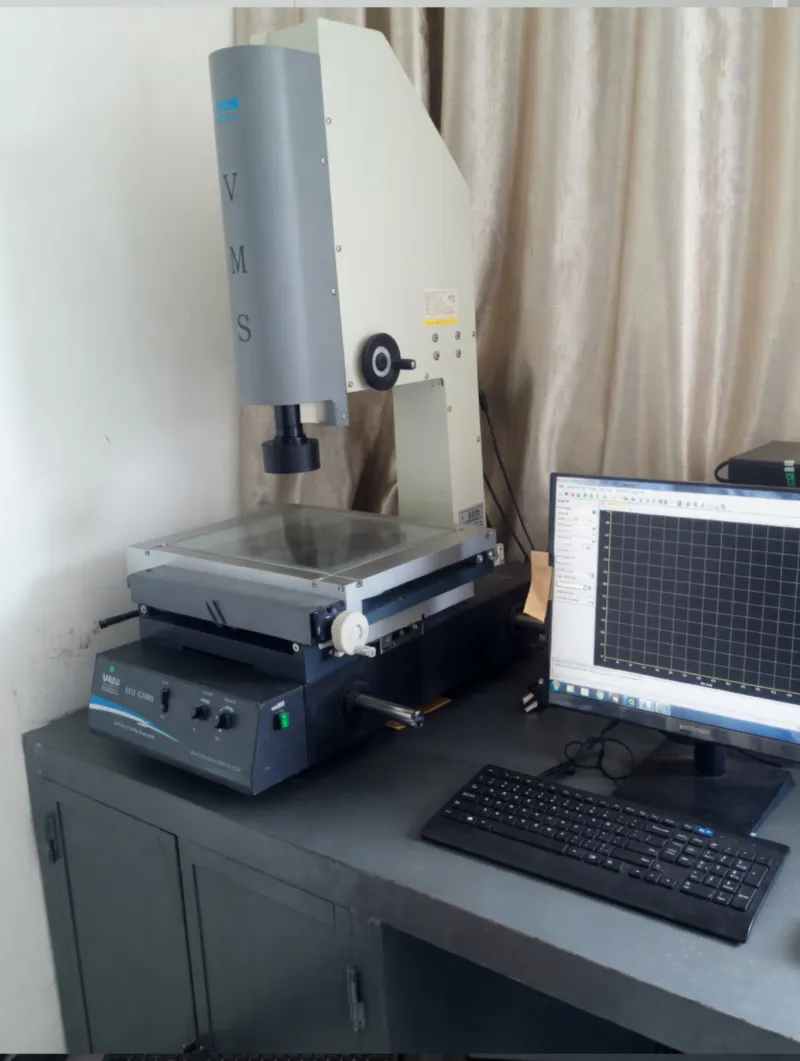
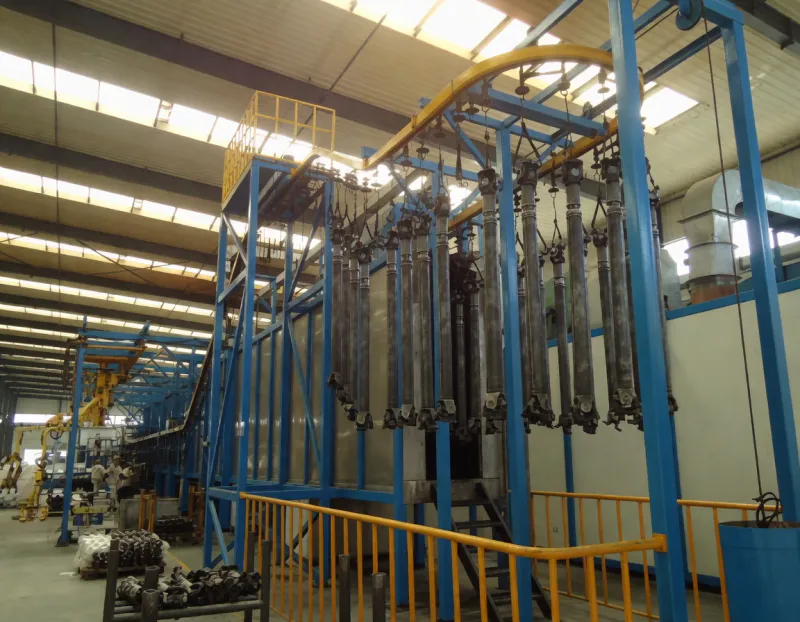
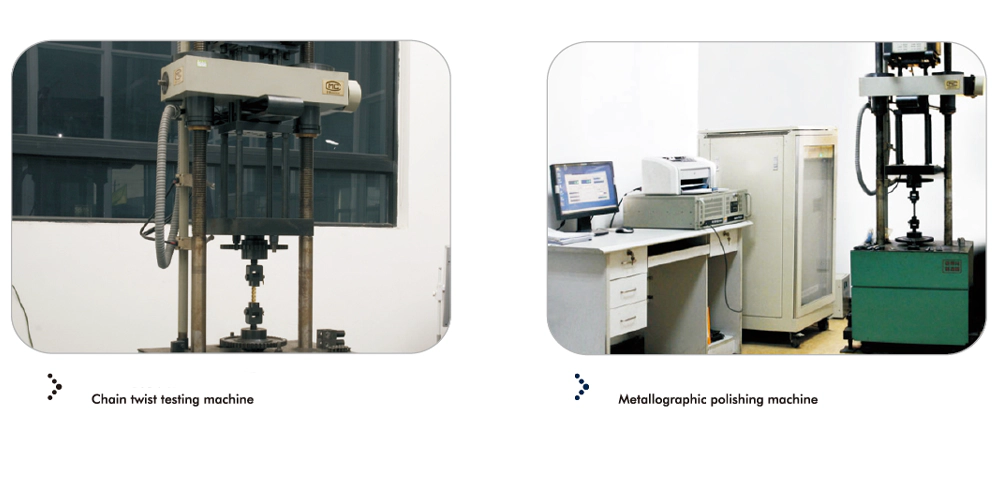
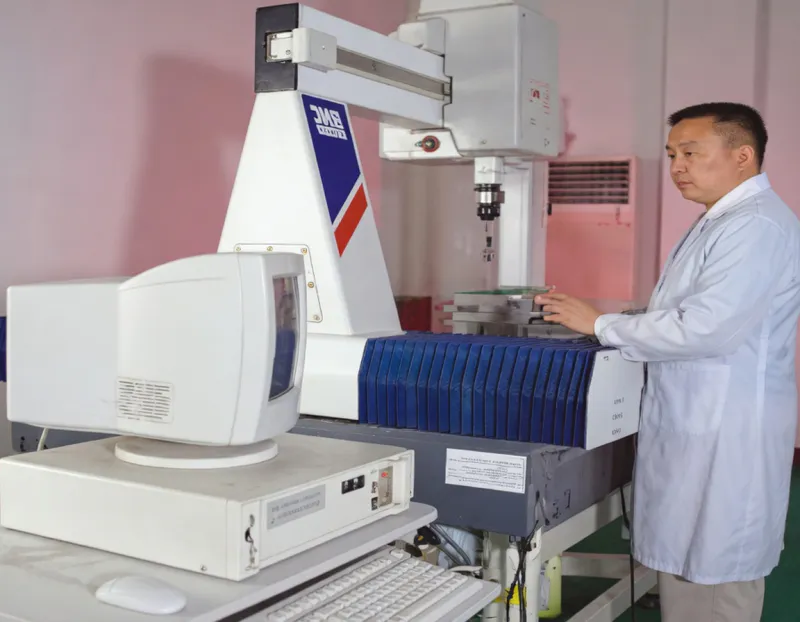
हम ऑटोमोटिव ड्राइवलाइन घटकों के एक विशिष्ट निर्माता और वैश्विक निर्यातक हैं, जिन्हें दो दशकों से अधिक का उत्पादन अनुभव प्राप्त है। हमारी इंजीनियरिंग टीम विशेष रूप से ट्रांसमिशन और ड्राइवट्रेन सिस्टम - यूनिवर्सल जॉइंट, व्हील हब, एक्सल शाफ्ट और संबंधित असेंबली - पर केंद्रित है, जिससे हमें उत्पाद ज्ञान की वह गहराई प्राप्त होती है जो सामान्य कैटलॉग आपूर्तिकर्ताओं के पास नहीं होती। हमारी विनिर्माण इकाई ISO 9001 गुणवत्ता प्रबंधन प्रमाणन के अंतर्गत संचालित होती है, और हमारी गुणवत्ता नियंत्रण प्रयोगशाला राष्ट्रीय मापन मानकों के अनुरूप आयामी निरीक्षण उपकरणों का उपयोग करती है।
हम लैटिन अमेरिका, पूर्वी यूरोप, अफ्रीका, मध्य पूर्व और दक्षिण पूर्व एशिया में OEM-समकक्ष और आफ्टरमार्केट ग्राहकों को सेवा प्रदान करते हैं। हमारे निर्यात अनुभव में कोलंबिया, ब्राजील, चिली, पेरू, इक्वाडोर, वेनेजुएला और अन्य प्रमुख बाजारों की विशिष्ट प्रमाणन, लेबलिंग और सीमा शुल्क आवश्यकताओं को पूरा करना शामिल है। हम समझते हैं कि अंतरराष्ट्रीय सीमाओं के पार ऑटोमोटिव सुरक्षा घटकों की खरीद के लिए आपूर्तिकर्ता पर भरोसा करना आवश्यक है - न केवल उत्पाद पर, बल्कि दस्तावेज़ीकरण, ट्रेसबिलिटी और बिक्री के बाद की सहायता पर भी।
कार्यशाला
9. संबंधित उत्पाद — संपूर्ण ड्राइवट्रेन सिस्टम
ए रूसी वाहनों का यू-जॉइंट यह अलग-थलग होकर काम नहीं करता — यह ड्राइवलाइन श्रृंखला की एक कड़ी है। हम ऐसे पूरक घटक बनाते हैं जो सीधे हमारी यू-जॉइंट श्रृंखला के साथ जुड़ते हैं, जिससे खरीदारों को एक ही आपूर्तिकर्ता से ड्राइवट्रेन मरम्मत का पूरा समाधान मिल जाता है।
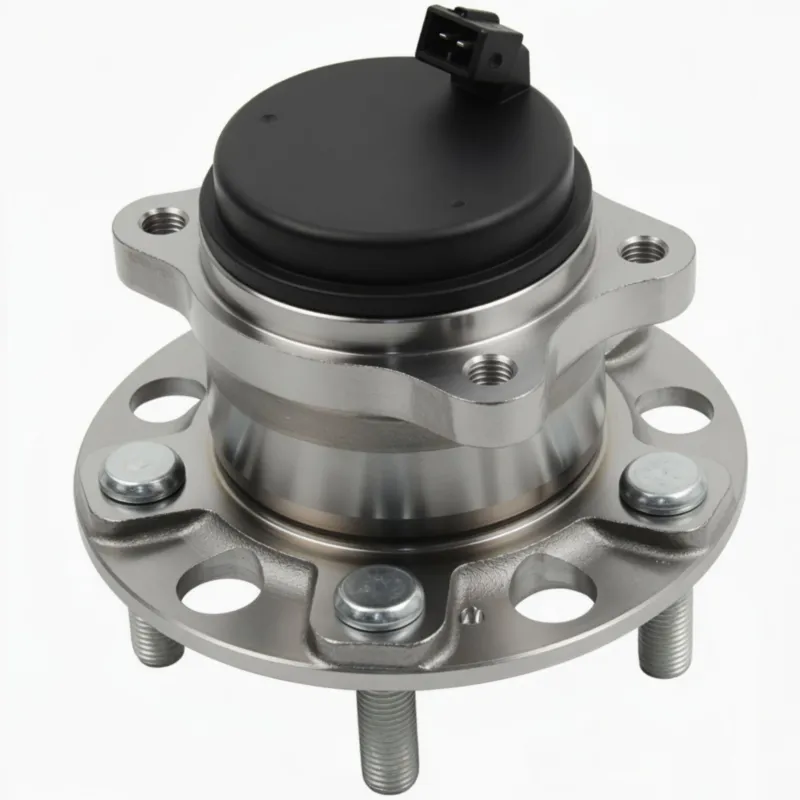
व्हील हब यूनिट
हमारे व्हील हब असेंबली को रूसी वाहनों के एक्सल स्पेसिफिकेशन के अनुरूप बनाया गया है, ठीक उसी तरह जैसे हमारी यू-जॉइंट सीरीज़ के लिए डिज़ाइन किया गया है। एक ही निर्माता के मैचिंग हब और जॉइंट का उपयोग करने से अलग-अलग ब्रांड के असेंबली में कंपन पैदा करने वाली टॉलरेंस की समस्या दूर हो जाती है। VAZ, GAZ, KamAZ और UAZ प्लेटफॉर्म के लिए ऑटोमोटिव व्हील बेयरिंग और हब यूनिट की पूरी रेंज उपलब्ध है।
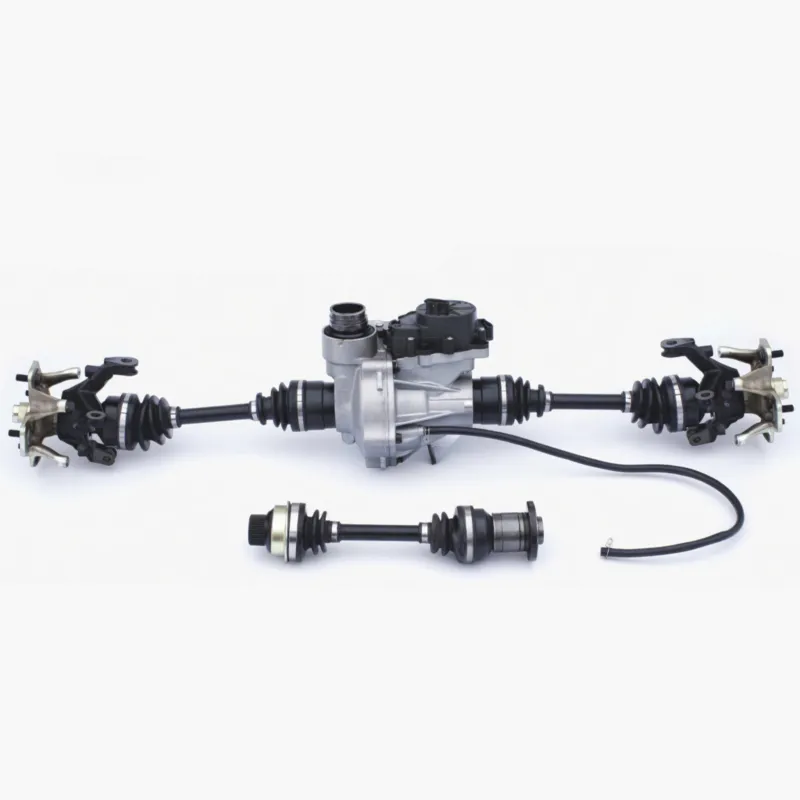
धुरी शाफ्ट
हमारी एक्सल शाफ्ट रेंज रूसी वाणिज्यिक वाहनों में उपयोग होने वाले फुल-फ्लोटिंग और सेमी-फ्लोटिंग कॉन्फ़िगरेशन को कवर करती है। हमारे एक्सल शाफ्ट को ईपी रूसी वाहनों के यू-जॉइंट के साथ जोड़ने से एक संपूर्ण ड्राइवट्रेन समाधान मिलता है - जो कोलंबिया में रूसी निर्मित वाहनों के मिश्रित बेड़े का प्रबंधन करने वाले फ्लीट ऑपरेटरों के लिए विशेष रूप से उपयोगी है, जिन्हें समय-समय पर ड्राइवलाइन ओवरहाल की आवश्यकता होती है।
रूसी वाहनों के यू-जॉइंट से संबंधित अक्सर पूछे जाने वाले प्रश्न
प्रश्न 1. रूसी निर्मित ट्रकों जैसे कि कामाज़ या यूराल में रूसी वाहनों का यू-जॉइंट वास्तव में क्या कार्य करता है, और यह पश्चिमी डिज़ाइन से किस प्रकार भिन्न है?
एक यूनिवर्सल जॉइंट दो शाफ्टों के बीच घूर्णी टॉर्क संचारित करता है जो एक कोण पर मिलते हैं - KamAZ या Ural जैसे विमानों में, यह गियरबॉक्स आउटपुट को प्रोपेलर शाफ्ट के माध्यम से पिछले एक्सल से जोड़ता है। रूसी प्लेटफॉर्म के जॉइंट पश्चिमी समकक्षों से मुख्य रूप से ट्रनियन व्यास, स्नैप-रिंग ग्रूव ज्यामिति और योक फ्लेंज बोल्ट सर्कल में भिन्न होते हैं, ये सभी प्रत्येक OEM पार्ट नंबर के लिए विशिष्ट होते हैं और बिना सत्यापन के स्पाइसर या GKN कैटलॉग आयामों के साथ विनिमेय नहीं होते हैं।
प्रश्न 2. कोलंबिया में भारी कृषि उपयोग में आने वाले रूसी वाहन में यूनिवर्सल जॉइंट के खराब होने के सबसे आम लक्षण क्या हैं?
सबसे पहला लक्षण आमतौर पर रुकने की स्थिति से शुरुआती गति के दौरान एक खटखटाहट या धातु जैसी आवाज होती है, खासकर जब वाहन पर भार हो। घिसावट बढ़ने के साथ, सड़क की गति पर एक चक्रीय कंपन विकसित होता है - जिसे अक्सर कैब के फर्श से महसूस होने वाले झटके के रूप में वर्णित किया जाता है। गंभीर मामलों में, भार पड़ने पर एक चरमराहट की आवाज आती है, जो सूखे नीडल बेयरिंग का संकेत देती है। यदि इसका समाधान न किया जाए, तो यू-जॉइंट अंततः टूट जाएगा, जिससे अचानक ड्राइव बंद हो जाएगी और प्रोपेलर शाफ्ट और आसपास के घटकों को नुकसान पहुँच सकता है।
Q3. क्या आपके रूसी वाहनों के यू-जॉइंट पार्ट्स उसी वाहन के स्टीयरिंग कॉलम यूनिवर्सल जॉइंट और प्रोपशाफ्ट जॉइंट्स के साथ संगत हैं?
जी हां। ईपी रूसी वाहन यू-जॉइंट श्रृंखला में स्टीयरिंग कॉलम यूनिवर्सल जॉइंट्स (उदाहरण के लिए, ओईएम 4301-3401485 (व्यास=19 मिमी, लंबाई=44.6 मिमी) जो कई रूसी हल्के उपयोगिता वाहनों के स्टीयरिंग इंटरमीडिएट शाफ्ट में फिट होता है) और उन्हीं प्लेटफॉर्म पर उपयोग किए जाने वाले बड़े प्रोपशाफ्ट जॉइंट्स दोनों शामिल हैं। विशेष रूप से स्टीयरिंग कॉलम जॉइंट्स को बदलते समय, पुनः संयोजन के बाद स्टीयरिंग में खिंचाव या कंपन से बचने के लिए सही फेजिंग और योक ओरिएंटेशन पर विशेष ध्यान देना चाहिए।
Q4. क्या मैं आपकी कंपनी से एक ही रूसी वाहन प्लेटफॉर्म के लिए यूनिवर्सल जॉइंट और व्हील हब दोनों प्राप्त कर सकता हूँ, और ऐसा करने के अनुकूलता संबंधी क्या लाभ हैं?
जी हां – हमारी उत्पाद श्रृंखला में रूसी प्लेटफॉर्म वाले वाहनों के लिए यू-जॉइंट और व्हील हब यूनिट दोनों शामिल हैं, जिन्हें OEM के समान संदर्भ डेटा के आधार पर डिज़ाइन और आकार दिया गया है। एक ही आपूर्तिकर्ता से दोनों पुर्जे प्राप्त करने से उन माप संबंधी विसंगतियों से बचा जा सकता है जो विभिन्न आफ्टरमार्केट निर्माताओं के पुर्जों को मिलाने पर कभी-कभी उत्पन्न होती हैं, क्योंकि प्रत्येक निर्माता द्वारा आकार में थोड़ा अंतर हो सकता है। इससे खरीद प्रक्रिया भी सरल हो जाती है: एक ही खरीद आदेश, शिपिंग दस्तावेजों का एक ही सेट, और केवल एक ही आपूर्तिकर्ता के साथ संबंध। ड्राइवट्रेन आपूर्ति का यह एक ही स्थान पर समाधान उपलब्ध होना ही वह मुख्य कारण है कि फ्लीट मैनेजर और पुर्जे वितरक बार-बार हमसे ऑर्डर देते हैं।
संपादक: पीएक्सवाई