تفصیل
EP Series · Roll-Formed Steel Wheel
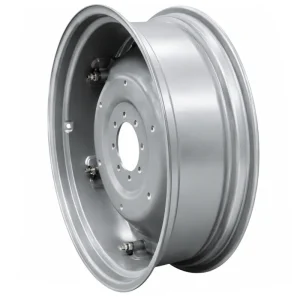
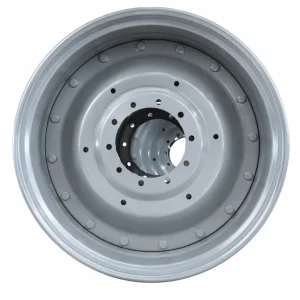
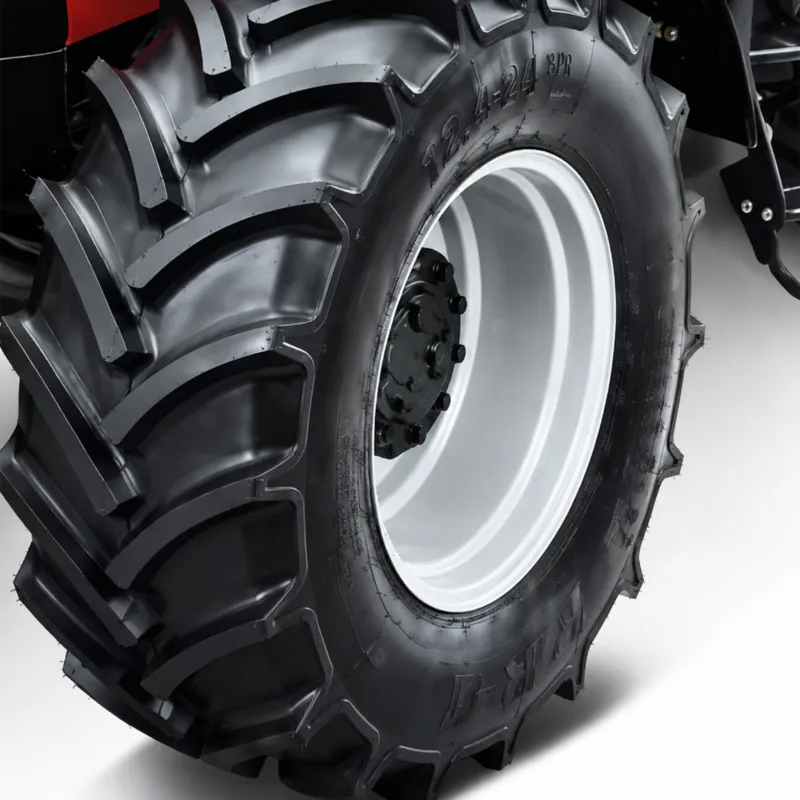
EP Agricultural Vehicle Wheel
Heavy-duty roll-formed steel agricultural vehicle wheel engineered for tractors, harvesters, trailers, and construction machinery. Designed to meet the demanding requirements of Colombian farmland, Andean terrain, and tropical agricultural conditions across Latin America.
1. تکنیکی تفصیلات
Full product dimension and performance data for the EP series agricultural vehicle wheel. Custom specifications available — contact us for OEM sizing.
| پارٹ نمبر | سائز | بولٹ کی مقدار | پی سی ڈی (ملی میٹر) | سینٹر ہول (ملی میٹر) | آفسیٹ (ملی میٹر) | وینٹ ہول | ہاتھ کا سوراخ |
|---|---|---|---|---|---|---|---|
| JG48JJ01 | 15×4.5 | 4 | 127 | 92.3 | 6 | - | SOLID |
| JG15LB01 | 15×6 | 6 | 152.4 | 118 | 22 | - | SOLID |
| JG17LB01 | 15×8 | 6 | 152.4 | 118 | 28.5 | - | SOLID |
| JG19E01 | 16×4.5 | 6 | 152.4 | 118.2 | 25 | - | SOLID |
| JG20F01 | 16×5.5 | 6 | 152.4 | 118.2 | 26.7 | - | SOLID |
| JG30E08 | 24×9 | 10 | 335 | 288.7 | −8 | STUD | SOLID |
| JG30E02 | 24×9 | 10 | 335 | 283.4 | −22.4 | STUD | SOLID |
| JG30B07 | 24×9 | 5 | 335 | 290 | 20 | STUD | SOLID |
| JG0302 | 12×6 | 4 | 136 | 112 | 33 | - | 6 SPOKE |
| JG53JA04 | 12×7 | 5 | 114.3 | 79.5 | 37 | - | 8 ELLIPSE |
| JG55E02 | 12×7.5 | 4 | 136 | 112 | 33 | - | 6 SPOKE |
| JG78JA01 | 12×8 | 5 | 114.3 | 79.5 | 41.9 | - | 8 ELLIPSE |
| رم چوڑائی کی حد | 4.5 in – 9.0 in (nominal) | ||||||
| Nominal Diameter Range | 12 in – 24 in | ||||||
| Steel Grade | SPFH590 / DP600 high-strength cold-rolled steel | ||||||
| سطح کا علاج | Electrostatic powder coat / Shot-blast primer | ||||||
| چڑھنے کی قسم | HUB-centric / STUD-centric (model dependent) | ||||||
| Max Static Load | Up to 3,750 kg per wheel (model dependent) | ||||||
| Weld Standard | Full-penetration MIG weld, 100% in-line inspection | ||||||
| توازن رواداری | Dynamic imbalance ≤ 80 g·cm per side | ||||||
* Custom dimensions, offsets, and coatings available. Dimensions in millimetres unless otherwise stated.
2. What Is an EP Agricultural Vehicle Wheel?
دی agricultural vehicle wheel is a purpose-engineered steel rim assembly designed specifically for the demanding operating conditions found in crop fields, rural roads, and heavy-duty farming equipment. Unlike standard passenger or commercial wheels, an زرعی پہیہ must tolerate prolonged exposure to soil compaction loads, chemical fertilizers, irrigation water, and the continuous lateral stress produced by tractor-mounted implements. This EP series has been developed using roll-formed high-strength steel technology, producing a wheel that is simultaneously lighter and more structurally rigid than conventional cast-iron agricultural wheel rims.
Each wheel in this range is manufactured through a fully automated production process — from raw coil steel through pressing, forming, welding, and in-line balance inspection — ensuring dimensional consistency across every unit in a batch. The product lineup spans sizes from compact 12×6 spoke-pattern wheels used on smaller agricultural trailers all the way to large-diameter 24×9 multi-stud assemblies designed for heavy combine harvesters and construction-class agricultural machinery. Both SOLID face and open-spoke configurations (6-spoke and 8-ellipse ventilation patterns) are available, allowing thermal management to be tailored to the application.
For buyers in Colombia, Peru, Ecuador, and across South America, the agricultural vehicle wheel for sale in this EP series has been verified against the road and field conditions typical of the Andean agricultural corridor. Whether you are sourcing agricultural wheel rims for a John Deere-compatible tractor, a CIMC trailer, or an off-road construction machine operating on a Colombian coffee or sugarcane plantation, this product line provides a certified, cost-effective, and fully traceable solution. Custom dimensions, bolt patterns, and surface treatments are available for OEM and wholesale buyers who require bespoke specifications.
3. Five Key Advantages of Our Agricultural Vehicle Wheel
Roll-Formed High-Strength Steel Construction
Using advanced rim flow forming technology with high-strength materials including SPFH590 and DP600 grades, each زرعی پہیہ achieves a weight reduction of 15–30% compared to conventional manufacturing methods, without sacrificing structural load rating. This directly lowers machinery fuel consumption during field operations.
Comprehensive Size & Bolt Pattern Range
The EP range covers wheel sizes from 12×6 to 24×9 with bolt quantities of 4, 5, and 10 studs, and PCD options spanning 114.3mm to 335mm. This breadth of agricultural vehicle wheel sizes ensures compatibility with the majority of tractor and harvester brands operating across Colombian and broader Andean agricultural markets.
Solid Face & Open-Spoke Ventilation Options
SOLID face wheels provide maximum structural rigidity and are preferred for high-torque applications, while 6-SPOKE and 8-ELLIPSE hand hole configurations offer enhanced brake cooling and heat dissipation — a critical advantage in the high-ambient-temperature agricultural environments common across Colombia’s Cauca Valley and coastal lowland regions.
100% In-Line Inspection & Dynamic Balance Control
ہر agricultural vehicle wheel passes through automated in-line quality inspection covering runout, dynamic balance, weld penetration, and air leakage testing. National-level testing center equipment — including German RMS cornering fatigue machines and USA ITS radial fatigue testers — validates product performance before export.
OEM/ODM Custom Capability & One-Stop Supply
For agricultural equipment manufacturers and fleet buyers in Colombia and South America, we offer full OEM/ODM production — custom offset, center bore, stud pattern, surface coating, and private-label packaging. Combined with matching agricultural wheel hubs, trailer axles, and spindle assemblies, we serve as a single-source supplier for your complete wheel-end system.
4. How an Agricultural Vehicle Wheel Works
دی agricultural vehicle wheel functions as the primary mechanical interface between the axle spindle and the ground-contact tyre. When load is applied through the machine’s axle, force travels through the hub mounting flange — anchored to the wheel disc by the stud-and-nut bolt pattern — and distributes radially outward through the wheel disc into the rim barrel and ultimately to the tyre bead seats. The geometry of the wheel, particularly the offset (ET value), determines how the loaded tyre sits relative to the vehicle’s track width and steering geometry.
In heavy agricultural applications such as tractors pulling multi-row planters or combine harvesters cutting wet-season crops, the wheel must absorb combined vertical compressive loads, lateral bending moments from tyre side-forces, and shock impulses from field debris or ridge crossings. The roll-formed rim profile used in this EP series concentrates material at the highest-stress zones — specifically the rim flange and bead seat area — while allowing controlled thinning in lower-stress regions of the barrel wall, producing the weight savings without reducing load capacity.
The stud mounting system (STUD type) and solid-hub disc (HUB type) configurations each produce a different load path: STUD-mounted wheels transfer load through the wheel bolt threads into the hub flange, making torque calibration during assembly critical; HUB-centric designs rely on the center bore fitting precisely over the hub pilot diameter, sharing centering load more evenly across the entire flange face. Both configurations are available within the EP agricultural vehicle wheel range, depending on the application’s axle type.
5. Materials Used in EP Agricultural Vehicle Wheels
The material selection for an agricultural vehicle wheel is driven by three competing priorities: structural strength to carry rated axle loads, corrosion resistance to survive field chemical and weather exposure, and the dimensional accuracy required for reliable tyre seating. The EP series addresses all three through a carefully specified material stack.
Rim Barrel & Disc Steel
Primary structure uses SPFH590 high-strength hot-rolled pickled and oiled steel sheet, with ultimate tensile strength exceeding 590 MPa. Where weight reduction is prioritised — particularly on larger agricultural wheel rims for harvesters — DP600 dual-phase steel is specified, offering a higher strength-to-weight ratio and improved formability during roll-forming.
Wheel Bolts & Nuts
Grade 10.9 alloy steel wheel bolts with zinc-flake or dacromet corrosion coating. For STUD-mount configurations, the stud material meets SAE J429 Grade 8 requirements. All fastener hardware included with complete wheel assemblies is matched to the specific torque requirements of the host agricultural vehicle’s axle specification.
Surface Coating
Standard surface treatment is a two-stage process: phosphate conversion coating followed by electrostatic polyester powder coat, minimum film build 60–80 µm. Salt spray resistance exceeds 500 hours (ASTM B117). For buyers in humid coastal regions of Colombia or tropical plantations, enhanced epoxy primer options are available on request.
Tyre Bead Seat Finish
The bead seat areas of each زرعی پہیہ are machined to a controlled surface roughness (Ra ≤ 3.2 µm) to ensure consistent tyre bead seating and airtight retention. This is particularly important for tubeless configurations used on modern tractors, where bead-seat integrity is the sole factor preventing bead drop-off under dynamic cornering loads.
6. درخواست کے منظرنامے۔
The EP agricultural vehicle wheel series serves a wide range of machinery types and operating environments. Below are the primary application categories where this product is deployed.
Row-Crop Tractors
The 15×6 and 16×5.5 solid-face زرعی پہیہ configurations are widely used on row-crop tractors operating in Colombia’s coffee, maize, and sugarcane plantations. The 6-bolt × 152.4mm PCD pattern is compatible with major tractor brands common in the Colombian market, including equipment serviced through Agrofertil, Agrozootecnia, and regional machinery dealers.
Combine Harvesters
The heavy-duty 24×9 series wheels with 10-bolt 335mm PCD patterns are engineered for combine harvesters and large self-propelled agricultural machinery. Negative-offset variants (e.g., JG30E08 at −8mm, JG30E02 at −22.4mm) allow the tyre to position outboard of the machine’s chassis for the wide track widths that modern combine platforms require in wet-field operations.
Agricultural Trailer & Implement Wheels
The 12×6 (6-spoke) and 12×7.5 (6-spoke) models with 136mm PCD are commonly fitted to agricultural trailers, fertiliser spreaders, and towed implements. The open-spoke hand hole pattern provides visual access for checking brake condition and improves ventilation around electric brake drums on braked trailer configurations — a key advantage for compliance with Colombian road authority requirements for towed agricultural equipment.
Construction & Earthmoving Support Equipment
Compact construction machinery operating on agricultural or plantation sites — including skid-steer loaders, compact telehandlers, and ride-on rollers — frequently uses agricultural wheel rims of the 15–16 inch diameter range. The solid-face construction and high-strength steel of the EP series make these wheels suitable for equipment exposed to the rock and root debris typical of land-clearing operations on Colombian highland farms.
Specialty Crop Vehicles
Narrow-track specialty crop vehicles used in vineyards, flower-growing operations, and orchard rows — industries significant to Cundinamarca and Boyacá departments in Colombia — require compact agricultural vehicle wheel sizes with precise offset control to avoid crop damage. The 8-ellipse ventilation pattern used on the JG53JA04 and JG78JA01 models reduces unsprung weight while maintaining sufficient disc strength for these lighter-duty applications.
Agricultural Truck Support Vehicles
Farm support trucks, field transport vehicles, and agricultural water tankers operating on unpaved routes across the Llanos Orientales and Caribbean Coast regions of Colombia benefit from the durability of the EP series agriculture wheels. These applications demand consistent weld quality and corrosion resistance given the extended service intervals typical of remote Colombian farming operations.
7. Regulatory Standards & Compliance for Agricultural Vehicle Wheels
When sourcing agricultural vehicle wheels for sale for use on public roads or in regulated farming operations, buyers must consider the applicable regulatory framework of their target country. Below is an overview of the key standards affecting agricultural wheel products in Colombia, South America, and other major markets.
🇨🇴 Colombia — ICONTEC & MinTransporte
In Colombia, agricultural machinery operating on public roads falls under the oversight of the Ministerio de Transporte. Resolution 3027 of 2010 and subsequent modifications govern dimensional limits for agricultural vehicles on national highways. Agricultural trailer wheels used on towed implements exceeding 750 kg must meet rim and tyre compatibility standards as defined in NTC (Norma Técnica Colombiana) standards. Buyers in Colombia should confirm that replacement agricultural vehicle wheel specifications align with the registered tyre dimensions on the vehicle’s technical inspection document (RTM).
South America — MERCOSUR & Regional
The MERCOSUR automotive and vehicle component standards (GMC Resolutions) apply to Brazil, Argentina, Uruguay, and Paraguay and influence procurement practices across the region. While Colombia is not a MERCOSUR member, many Colombian importers reference these standards when specifying agricultural wheel dimensions. The RANDON and Implementos standards widely used in Brazil often serve as a de-facto quality benchmark for agricultural wheel procurement across the continent.
🇺🇸 North America — SAE & ANSI
کے لیے agricultural wheels for sale destined for North American markets, SAE International standards J267 (disc wheel and hub — fastener considerations) and J1995 (agricultural tractor test) govern load capacity validation and fastener specifications. ANSI/ASABE S296 covers agricultural tractor tyre and rim matching. Buyers sourcing custom agricultural vehicle wheels for export to the USA or Canada should request test reports confirming compliance with these SAE standards.
🇪🇺 European Union — ETRTO & ECE
The European Tyre and Rim Technical Organisation (ETRTO) publishes the authoritative dimensional standards for agricultural wheel rims used in EU member states. EU Regulation 167/2013 on agricultural and forestry vehicles sets type-approval requirements that include wheel and rim specifications. Agricultural machinery exported from Colombia to European buyers must comply with these regulations, making ETRTO-compliant agricultural wheel manufacturers preferable for multi-market supply chains.
8. ہمارے بارے میں
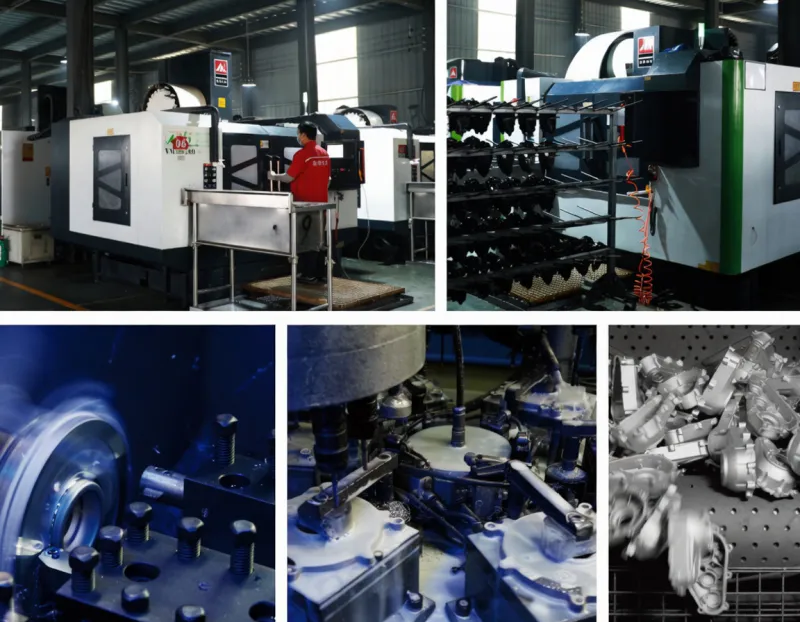
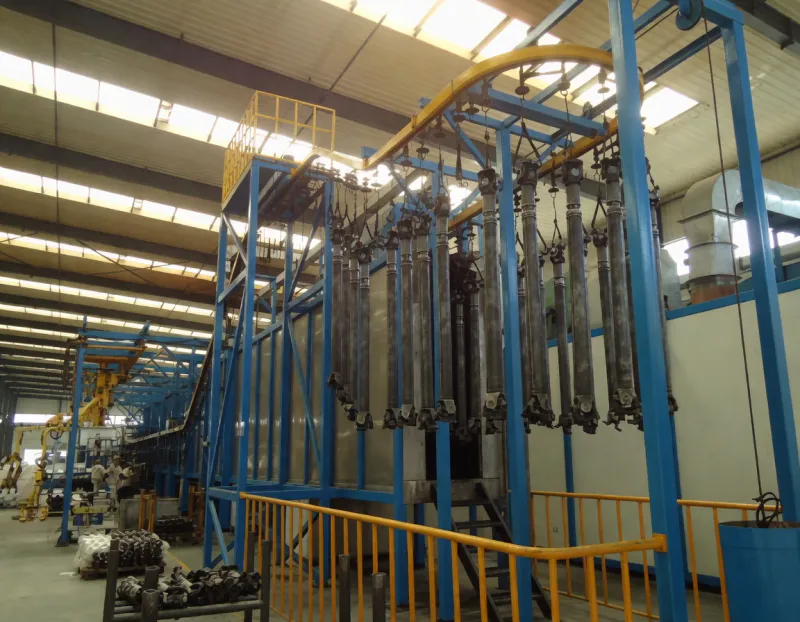
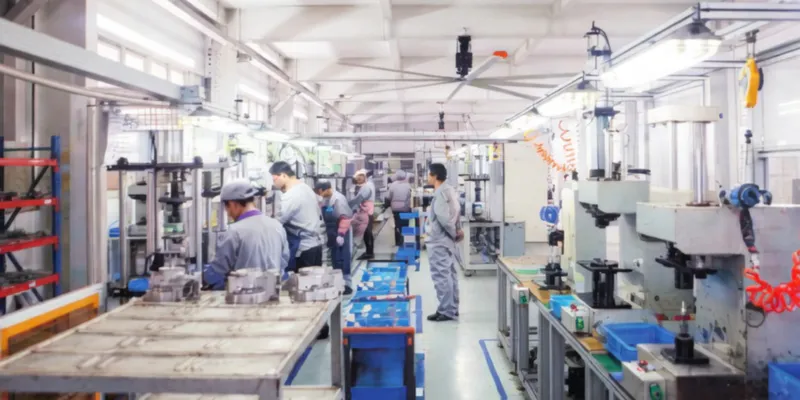
The manufacturing process is fully automated from raw material receiving through pressing, welding, coating, and final inspection, with SAP enterprise software managing quality traceability at every production stage.
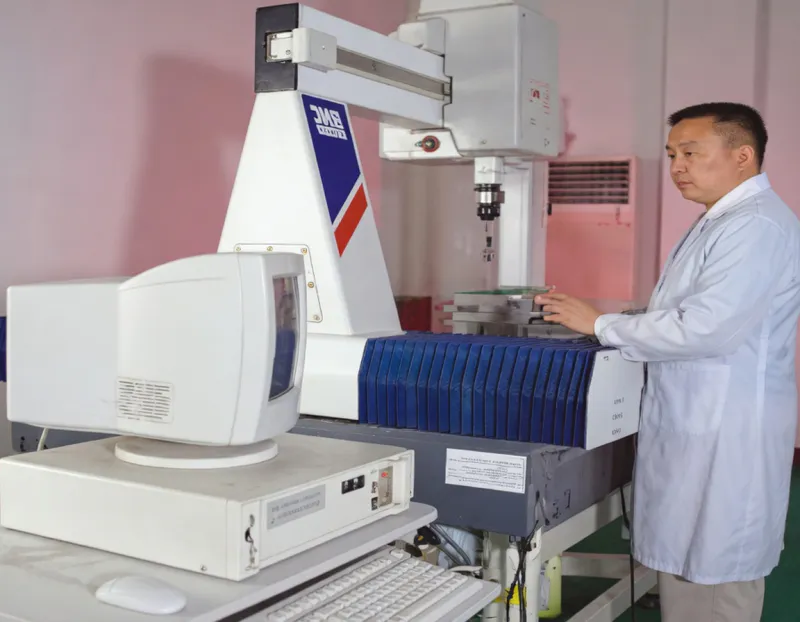
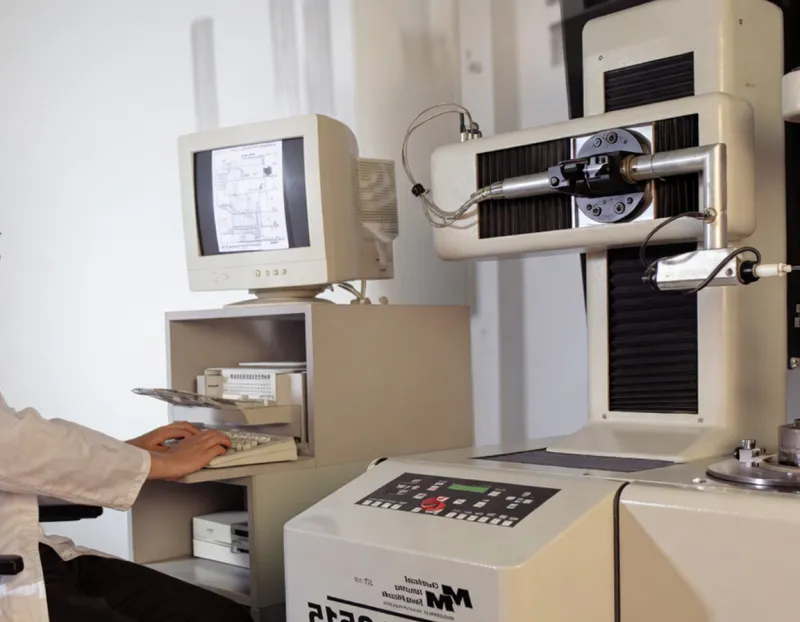
Our technical team includes engineers with decades of experience in wheel design, roll-forming metallurgy, and agricultural equipment compatibility. We operate a national-level testing centre equipped with German RMS cornering fatigue testers, American ITS radial fatigue machines, three-coordinate CMM inspection, salt spray chambers, coating adhesion testers, and sparking spectral analysers — giving us the in-house capability to validate every agricultural vehicle wheel model to the international standards demanded by major OEM customers.
ورکشاپ
9. متعلقہ مصنوعات
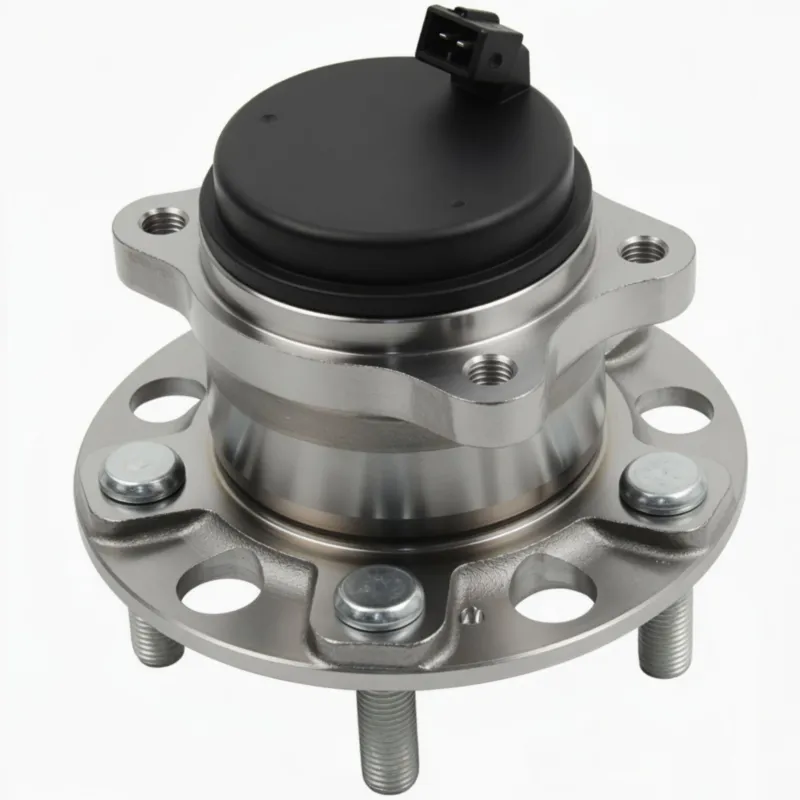
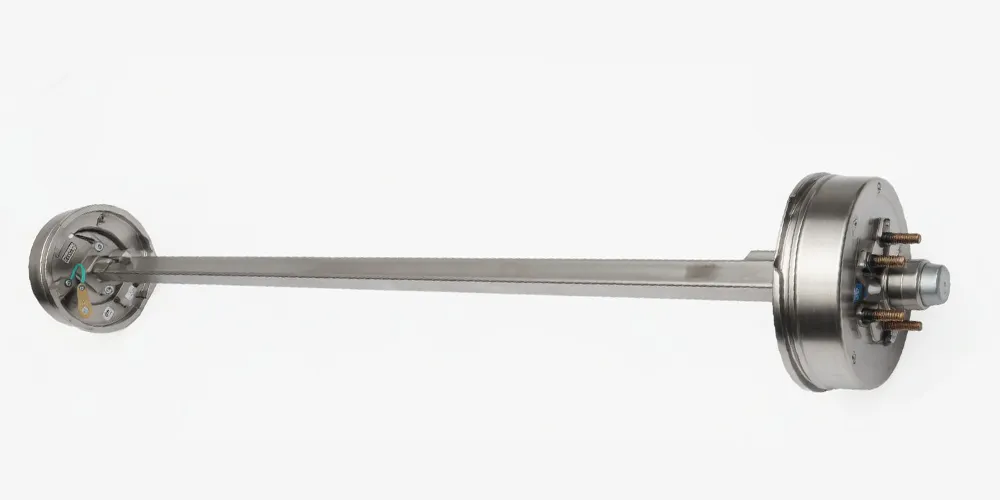
Complete your wheel-end system with our matching components. We supply a full range of agricultural wheel hubs, trailer axle beams, and spindle assemblies — all engineered to work together as a compatible system, simplifying your sourcing and ensuring dimensional compatibility from hub flange to rim bead seat.
اکثر پوچھے گئے سوالات
ایڈیٹر: PXY