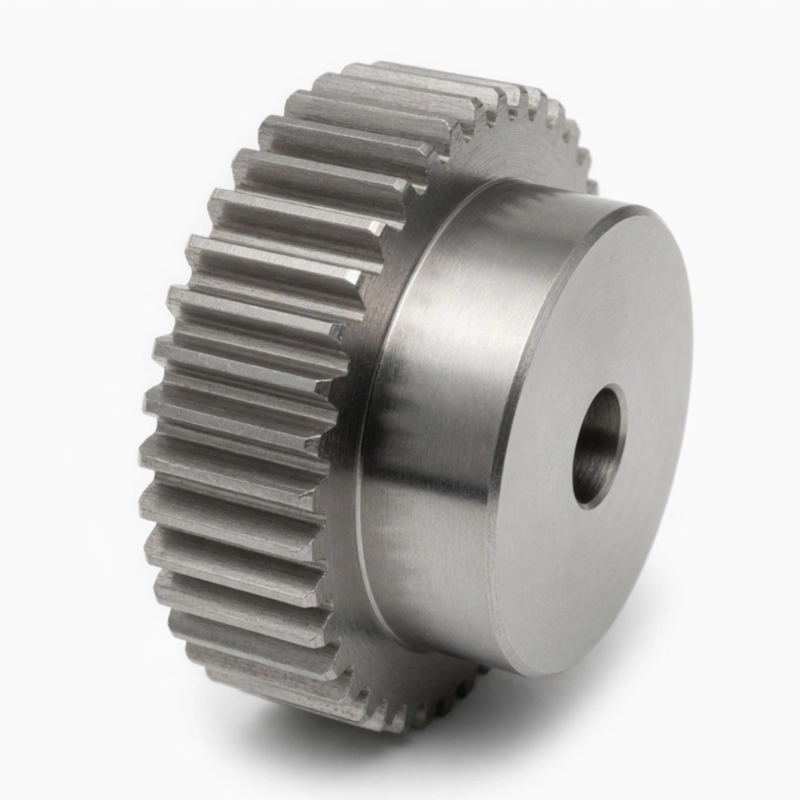
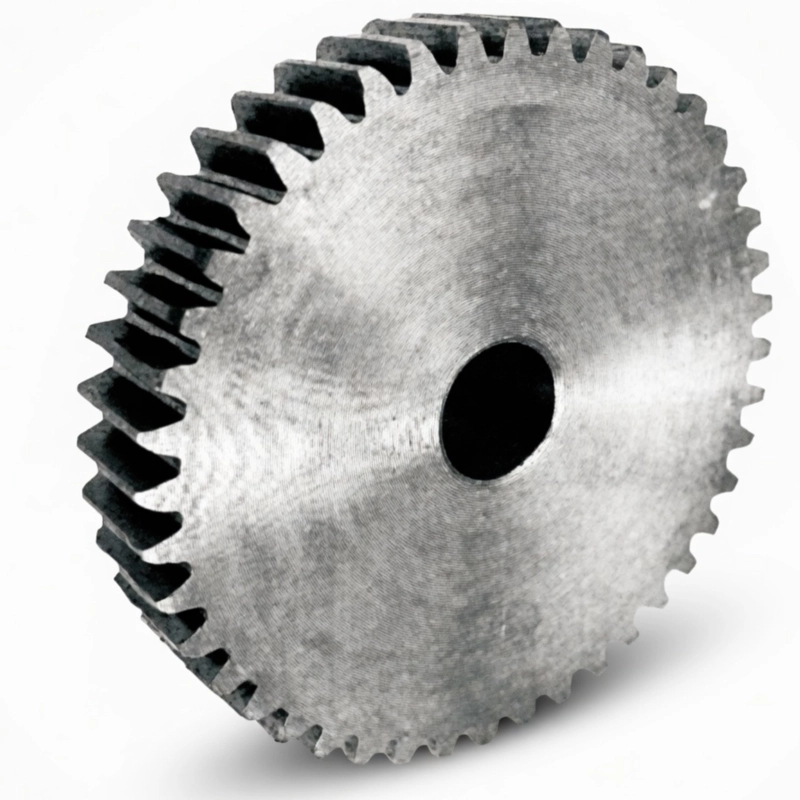
EP-europeisk standardserie kugghjul
EP European Standard-kugghjul är precisionskonstruerade för pålitlig kraftöverföring. Tillverkade av slitstarkt C45-stål med en tryckvinkel på 20°, har de moduler 1–2,5 och 12–127 kuggar, vilket säkerställer exakt kompatibilitet med europeiska drivsystem. Standardiserade kuggbredder (B: 15–25 mm, A: 25–45 mm) och exakt bearbetning ger smidig drift med lågt glapp. Dessa kugghjul är idealiska för industrimaskiner, transportband och automation och erbjuder konsekvent prestanda och lång livslängd.
Snabb sammanfattning
EP-European Standard Series Spiral Gear är ett precisionsbearbetat, raktandat cylindriskt kugghjul konstruerat enligt europeiska metriska standarder. Dessa stålkugghjul, tillgängliga i modul 1 till modul 2.5 (och senare), ger effektiv parallellaxlad kraftöverföring för industrimaskiner, jordbruksutrustning och automationssystem i Colombia och Latinamerika. Alla konfigurationer är tillverkade av C45-kolstål med en tryckvinkel på 20°, vilket ger konsekvent ingreppsgeometri och pålitlig momentöverföring i krävande driftsmiljöer.
1. Tekniska specifikationer – EP-kugghjul (modul 1 till modul 2.5)
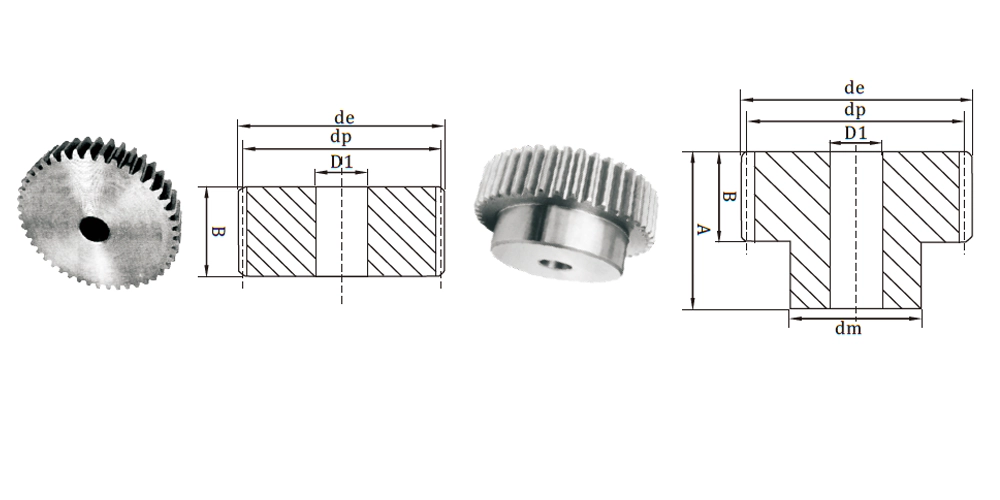
Tabellen nedan listar representativa måttdata för EP-European Standard Series för Mod.1, Mod.1.5, Mod.2 och Mod.2.5. Alla mått är i millimeter. Z = antal tänder; de = spetsdiameter; dp = stigningsdiameter; dm = rotdiameter; D1 = minsta håldiameter. Dessa metriska kugghjul har en tryckvinkel på 20° och är tillverkade av C45-stål.
| Z | Mod.1 | Mod.1.5 | Mod.2 | Mod.2.5 | ||||||||||||
|---|---|---|---|---|---|---|---|---|---|---|---|---|---|---|---|---|
| de | dp | direktmeddelande | D1 | de | dp | direktmeddelande | D1 | de | dp | direktmeddelande | D1 | de | dp | direktmeddelande | D1 | |
| 12 | 14 | 12 | 9 | – | 21.0 | 18.0 | 14 | 8 | 28 | 24 | 18 | 10 | 35.0 | 30.0 | 22 | 10 |
| 15 | 17 | 15 | 12 | – | 25.5 | 22.5 | 18 | 8 | 34 | 30 | 24 | 10 | 42.5 | 37.5 | 30 | 10 |
| 18 | 20 | 18 | 15 | 8 | 30.0 | 27.0 | 20 | 8 | 40 | 36 | 25 | 10 | 50.0 | 45.0 | 35 | 12 |
| 20 | 22 | 20 | 16 | 8 | 33.0 | 30.0 | 25 | 8 | 44 | 40 | 30 | 10 | 55.0 | 50.0 | 40 | 12 |
| 24 | 26 | 24 | 20 | 8 | 39.0 | 36.0 | 30 | 10 | 52 | 48 | 35 | 12 | 65.0 | 60.0 | 45 | 14 |
| 28 | 30 | 28 | 20 | 10 | 45.0 | 42.0 | 35 | 12 | 60 | 56 | 40 | 14 | 75.0 | 70.0 | 50 | 14 |
| 32 | 34 | 32 | 25 | 10 | 51.0 | 48.0 | 40 | 15 | 68 | 64 | 45 | 14 | 85.0 | 80.0 | 55 | 16 |
| 40 | 42 | 40 | 25 | 10 | 63.0 | 60.0 | 40 | 12 | 84 | 80 | 50 | 14 | 105.0 | 100.0 | 70 | 16 |
| 50 | 52 | 50 | 30 | 12 | 78.0 | 75.0 | 50 | 14 | 104 | 100 | 70 | 16 | 130.0 | 125.0 | 80 | 20 |
| 60 | 62 | 60 | 40 | 12 | 93.0 | 90.0 | 60 | 16 | 124 | 120 | 70 | 16 | 155.0 | 150.0 | 100 | 20 |
| 70 | 72 | 70 | 50 | 12 | 108.0 | 105.0 | 70 | 16 | 144 | 140 | 80 | 16 | 180.0 | 175.0 | – | 20 |
| 80 | 82 | 80 | 12 | 123.0 | 120.0 | 16 | 164 | 160 | 20 | 205.0 | 200.0 | 25 | ||||
| 100 | 102 | 100 | 12 | 153.0 | 150.0 | 16 | 204 | 200 | 20 | 255.0 | 250.0 | 25 | ||||
| 120 | 122 | 120 | 12 | 183.0 | 180.0 | 16 | 244 | 240 | 20 | 305.0 | 300.0 | 25 | ||||
Tandbredd "B" (mm)
Modul 1 = 15 | Modul 1.5 = 17
Modul 2 = 20 | Modul 2.5 = 25
Modul 3 = 30 | Modul 4 = 40
Modul 5 = 50 | Modul 6 = 60
Tandbredd "A" (mm)
Modul 1 = 25 | Modul 1.5 = 30
Modul 2 = 35 | Modul 2.5 = 45
Modul 3 = 50 | Modul 4 = 60
Modul 5 = 75 | Modul 6 = 80
2. Vad är ett kugghjul?
Ett cylindriskt kugghjul är en av de mest grundläggande och mest använda kugghjulstyperna inom maskinteknik. Ett cylindriskt kugghjul definieras av sina raka, parallella tänder som är radiellt skurna på en cylindrisk yta och överför rotationsrörelse och vridmoment mellan två parallella axlar med enkel och förutsägbar effektivitet. Till skillnad från spiralkugghjul – som har vinklade tänder som griper in gradvis – griper kugghjulet in längs hela kugglängden samtidigt, vilket ger en direkt och enkel kraftöverföring. Denna egenskap gör det exceptionellt enkelt att tillverka, enkelt att inspektera och enkelt att byta ut ute i fält, vilket är anledningen till att industrier som sträcker sig från livsmedelsbearbetning och textiltillverkning till transportbandssystem och jordbruksmaskiner har förlitat sig på denna kugghjulstyp i över ett sekel.
Termen "spår" hänvisar till de spårliknande utskjutande delarna – tänderna – som sticker ut från hjulets fälg. När två kugghjul griper in i varandra trycker drivkugghjulets tänder mot det drivna kugghjulets tänder och överför vridmoment i ett förhållande som är proportionellt mot skillnaden i kuggantal (Z-värde). Eftersom kontaktlinjen löper rakt över hjulets bredd utan axiell lastkomponent är radiallager allt som behövs för att stödja axeln – vilket förenklar husdesignen och håller de totala systemkostnaderna nere. Detta är en av de viktigaste anledningarna till att metalliska kugghjul fortfarande är det självklara valet för kompakta växellådor, hastighetsreducerare och kugghjulståg där axiellt utrymme är begränsat.
För köpare i Colombia och i hela Andinska regionen – oavsett om det gäller Bogotás tillverkningskorridorer, Medellins industriparker eller Calis agroindustriella anläggningar – innebär tillgång till lagerförda metriska kugghjul enligt europeisk standard snabbare utrustningsunderhåll, minskad maskindriftstid och smidigare leveranskedjor. Vår EP-europeiska standardserie täcker ett brett spektrum av modulstorlekar och kuggantal, vilket säkerställer att ingenjörer och inköpsteam kan få tag på exakt den specifikation som krävs utan anpassade ledtider eller dimensionella kompromisser. Dessa följer de metriska kugghjulskonventionerna i förhållande till de dimensionella konventioner som de flesta industriella OEM-tillverkare och underhållsteam känner igen.
3. EP-Europeisk standardserie kugghjul – Produktöversikt
EP-European Standard Series omfattar fyra primära modulgrupper — Mod.1, Mod.1.5, Mod.2 och Mod.2.5 — var och en med kuggantal (Z-värden) som börjar vid Z12 och sträcker sig till Z127 och bortom. Inom varje modul definierar tre viktiga dimensionsparametrar kugghjulets geometri: spetsdiametern (de), stigningsdiametern (dp) och rotdiametern (dm), kompletterade av en minsta borrdiameter (D1). Denna standardiserade layout gör det möjligt för ingenjörer att jämföra EP-seriens specifikationer direkt mot DIN 867 och ISO 54 metriska kugghjulskonventioner, vilket innebär att en befintlig design med europeiska metriska kugghjul kan uppdateras eller anskaffas med hjälp av EP-delar med tillförlitlig dimensionskompatibilitet.
Två distinkta ytbreddskonfigurationer – internt kallade typ A och typ B – tillgodoser olika krav på vridmomentkapacitet utan att ändra stiggeometrin. Typ B-tandbredderna sträcker sig från 15 mm vid modul 1 upp till 60 mm vid modul 6, medan typ A-tandbredderna börjar vid 25 mm för modul 1 och når 80 mm vid modul 6. Det innebär att en maskiningenjör som konstruerar en kompakt drivning för en förpackningsmaskin och en infrastrukturtekniker som specificerar ett stort reduktionssteg för transportband båda kan använda samma EP-seriekatalog och helt enkelt välja lämplig ytbreddsstorlek för sitt lastfall. Resultatet är en verkligt mångsidig serie av stålkugghjul som täcker små och stora kugghjul inom en enda, sammanhängande produktfamilj.
Varje cylindriskt kugghjul i EP-serien tillverkas med snäva toleranser för stigning, evolventprofil och koncentricitet. Stigningsprecisionen styr direkt hur smidigt kugghjulssatsen går och hur jämnt belastningen fördelas över kuggytan – en parameter som har direkt inverkan på kugghjulets utmattningstid och ljudnivå. Profiltoleranser säkerställer att den teoretiska evolventformen på kuggflanken matchar den faktiska bearbetade ytan inom angivna gränser, vilket minimerar glidfriktion och värmegenerering under ingreppet. Tillsammans bringar dessa kontroller EP-seriens kugghjulsmaterial till en kvalitetsnivå som stöder tillförlitlig drift i både lätta, intermittenta applikationer och kontinuerlig produktionsutrustning.
4. Arbetsprincip för kugghjulet
Denna typ av cylindriska kugghjul fungerar enligt principen om evolventa cylindriska kugghjul, där kuggflankprofilen härleds från evolventen i en bascirkel. När ett drivande kugghjul roterar, rör sig kontaktpunkten mellan ingripande tänder längs verkningslinjen – en rak linje som tangenterar båda bascirklarna – vid den standardmässiga 20° tryckvinkeln som används i EP-seriens delar. Denna geometri garanterar ett konstant hastighetsförhållande mellan ingående och utgående axlar under hela ingreppscykeln, vilket är grundläggande för en jämn, vibrationsfri kraftöverföring. Tryckvinkeln på 20° representerar den globala tekniska konsensusen för allmänna cylindriska kugghjulstillämpningar: den ger en balans mellan tandstyrka (tjockare tandrot jämfört med lägre tryckvinklar) och jämnt ingrepp (mindre känslighet för variationer i centrumavstånd jämfört med högre tryckvinklar).
Kontaktförhållandet – det genomsnittliga antalet tandpar som är i kontakt samtidigt – är en viktig prestandaparameter för alla kugghjulspar. I väl utformade metriska kugghjulsingrepp ligger kontaktförhållandet vanligtvis mellan 1,3 och 1,8, vilket innebär att ett till två tandpar delar den överförda lasten vid varje ögonblick under rotationen. Högre kontaktförhållanden fördelar lasten jämnare, minskar maximal tandspänning och lägre ljudnivåer. EP-seriens dimensionsstandarder, i kombination med 20° tryckvinkel och standardtilläggskoefficienter, är inställda för att uppnå kontaktförhållanden väl inom detta optimala intervall över hela Z12–Z127-tandspektrumet.
En viktig praktisk skillnad vid jämförelse av kugghjulskonstruktioner med spiralkugghjul: kugghjul genererar rent radiella kuggkrafter utan axial (axial) belastningskomponent. Detta förenklar valet av axel och lager avsevärt – vanliga spårkullager är tillräckliga i de flesta konfigurationer, och huskonstruktioner behöver inte rymma axialflänsar eller vinkelkontaktlagerpar. För industriella användare i Colombia och den bredare latinamerikanska marknaden som har stora lager av reservdelar är denna utbytbarhet av standardlagertyper en verklig driftsfördel. Det är också en anledning till att det mekaniska kugghjulet fortsätter att dominera kugghjulskonstruktioner där kostnad, reparationsmöjligheter och tillgänglighet av reservdelar är viktigare än absolut bullerreducering.
5. Fem viktiga fördelar med EP-europeisk standard kugghjul
① Fullständig överensstämmelse med europeiska metriska standarder
Måtten överensstämmer med DIN 867 och ISO 54, vilket gör dessa metriska kugghjul till en direkt anslutning till europeiskt konstruerade maskiner utan behov av anpassade adaptrar eller dimensionsjustering. Ingenjörer i Colombia och över hela Latinamerika som har produktionslinjer med europeiskt ursprung kan anskaffa ersättningskugghjul utan dimensionsrisk.
② C45-stål med värmebehandlingsalternativ
Basmaterialet, C45-stål med medelhög kolhalt, ger en utmärkt kombination av bearbetbarhet och strukturell hållfasthet. Normaliserade eller induktionshärdade versioner finns tillgängliga beroende på applikation, vilket förlänger kugghjulsparets effektiva livslängd under höga belastningsförhållanden som vanligtvis förekommer i industriella drivningar och jordbruksmaskiner.
③ Brett utbud från små till stora kugghjul
Från Z12 med en spetsdiameter på 14 mm (modul 1) till Z120 och däröver med diametrar över 300 mm (mod 2.5) täcker EP-serien små cylindriska kugghjul för kompakta mekanismer och stora cylindriska kugghjul för kraftiga reducerväxlar – allt inom en katalog, från en enda kugghjulsleverantör, med konsekventa kvalitetsstandarder.
④ Två konfigurationer för ansiktsbredd
Tillgängligheten av både typ A (bredare yta) och typ B (standard yta) konfigurationer för varje modul innebär att samma stigningsgeometri passar både standardinstallationer och installationer med ökad kapacitet. Köpare kan specificera den momentkapacitet de behöver utan att byta till en annan växeltyp eller köpa från en andra leverantör, vilket möjliggör effektivare upphandling och enklare reservdelshantering.
⑤ Lagerförsäljare för snabb leverans
Populära kuggtal i Mod.1–Mod.2.5 lagras med kugghjul för snabb leverans, vilket minskar ledtiderna för akuta underhållsbehov. Oavsett om du behöver en handfull små kugghjul för att återställa en produktionslinje eller en bulkorder för att lagerhålla ett regionalt distributionscenter i Bogotá, Medellín eller Cali, leder omedelbar tillgänglighet direkt till minskad maskindriftstid och lägre total ägandekostnad.
6. Material och konstruktion
Varje kugghjul i den här serien, som uppfyller EP-europeiska standarder, är tillverkat av C45-medelkolstål, ett material som ligger i skärningspunkten mellan god bearbetbarhet och solida mekaniska prestanda. C45 har en nominell kolhalt på 0,45% per vikt, vilket – efter lämplig värmebehandling – ger draghållfasthetsvärden i intervallet 620–850 MPa (normaliserat tillstånd) med en hårdhet som närmar sig HB 200–240. För applikationer som kräver större ytbeständighet kan kuggflankerna induktionshärdas till 45–55 HRC samtidigt som de bibehåller en segare, ohärdad kärna, en kombination som motstår både gropfrätning och initiering av utmattningssprickor under ytan. Alla original cylindriska kugghjul har en tryckvinkel på 20° som standard, och alla cylindriska kugghjul i stål i EP-serien är tillverkade mot en evolventprofiltoleransklass som är kompatibel med DIN 3963/ISO 1328 kvalitetsklass 8 eller bättre, beroende på modul.
Navhålsdimensionerna (D1) som anges i specifikationstabellen representerar minsta hålvärden vid bearbetning. För specialanpassade kugghjul kan hålen finbearbetas enligt kundspecificerade H7-toleranspassningar, och kilspår eller ställskruvhål kan bearbetas enligt DIN 6885 eller motsvarande standarder på begäran. Denna flexibilitet gör EP-serien lämplig både som en standardlösning för kugghjul och som bas för specialbearbetade drivkomponenter för OEM-maskinbyggare och systemintegratörer som är verksamma inom Colombias olika tillverkningssektorer – från livsmedels- och dryckesbearbetning i Valle del Cauca-regionen till gruvutrustning i Antioquia.
Tandytorna är finfrästa och avgradade, vilket säkerställer rena tandprofiler utan kvarvarande grader som kan påskynda smörjmedelsnedbrytning eller generera metallisk kontaminering i känsliga drivmiljöer. Vid behov finns sätthärdade eller nitrerade ytbehandlingar tillgängliga som premiumalternativ för applikationer som involverar högfrekventa cykler, gränssmörjningsförhållanden eller miljöer med förhöjda temperaturer. Resultatet är en kugghjulskomponent som fungerar tillförlitligt från initial installation till tusentals driftstimmar, underbyggd av material- och tillverkningsmetoder som stöder spårbar kvalitetsdokumentation för efterlevnadskänsliga industrier.
7. Tillämpningsscenarier
EP-Europeisk standard kugghjul används överallt där parallella axlar krävs och där enkelhet, underhållsvänlighet och flexibel inköpshantering är viktigt. Följande scenarier representerar de vanligaste användningsfallen som industriella köpare och underhållsingenjörer stöter på i Colombia och den bredare latinamerikanska marknaden.
Industriella transportörer och hanteringssystem
Dessa cylindriska kugghjul är arbetshästarna i transportbandsdrivhuvuden, tväröverföringar och ackumuleringsbord som finns i colombianska distributionscentraler, logistikhubbar och tillverkningsanläggningar. Deras höga effektivitet (vanligtvis 98–99% per nät) och enkla utbytesprocedur gör dem till det föredragna valet för underhållsteam som prioriterar snabbt och kostnadseffektivt underhåll av kontinuerliga system.
Jordbruks- och agroindustriella maskiner
Från såmaskiner och spannmålsskruvar till sockerrörsupptagare och bevattningspumpsdrifter är jordbruksmaskiner i Colombias kaffe-, socker- och bananodlingsregioner beroende av robusta, fältunderhållbara kugghjul. Att ha EP-seriens delar i lager innebär att reservdelar kan anskaffas regionalt utan långa internationella ledtider som leder till kostsamma grödförluster.
Förpacknings- och livsmedelsbearbetningsutrustning
Hastighetsreducerare och tidsstyrda drivenheter i fyllnings-, förseglings- och etiketteringsmaskiner förlitar sig på små cylindriska kugghjul med hög noggrannhet för att upprätthålla korrekt synkronisering mellan produkt och förpackning. Där livsmedelsklassade kugghjul i rostfritt stål krävs enligt hygienföreskrifter – såsom Colombias INVIMA-ramverk för livsmedelssäkerhet eller tillämpliga avsnitt i ISO 22000 – finns varianter i rostfritt stål tillgängliga på begäran.
Drivrutiner för tryckeri- och pappersindustrin
Arkmatade tryckpressar, pressar för pressplatta och lamineringslinjer använder precisionsmetriska kugghjul på flera punkter i pappersbanan för att bibehålla registernoggrannheten. De snäva evolventprofiltoleranserna som kan uppnås med EP-seriens kugghjul stödjer registrering med lågt glapp i flerfärgs- och stansningsapplikationer, där positionsfel på bara en halv millimeter kan göra en hel utskrift oanvändbar.
Bygg- och gruvutrustning
Stora kugghjul i Mod.2–Mod.2.5-serien, särskilt de i Z80–Z120, används i lyftmekanismer, vinschtrummor och matningsdrivningar för bergkrossar, vilka är vanliga i Colombias gruvkorridorer och infrastrukturbyggnadssektorer. Genom att välja den bredare typ A-profilbreddkonfigurationen för dessa tunga applikationer fördelas kuggbelastningen över ett större område, vilket förbättrar utmattningsbeständigheten och förlänger översynsintervallen.
8. Branschstandarder och regelverk
Upphandling och tillämpning av kugghjul i Colombia och i hela Anderna sker inom ett väldefinierat ramverk av både internationella tekniska standarder och lokala föreskrifter. Att förstå detta sammanhang hjälper upphandlingsingenjörer och efterlevnadschefer att fatta välgrundade inköpsbeslut och visa regelverksmässig lämplighet för inspektörer och revisorer.
Internationella standarder: De dimensionella konventionerna som används i EP-seriens kugghjul överensstämmer med ISO 54 (moduler och diametrala stigning för cylindriska kugghjul), DIN 867 (grundläggande kuggstångsprofil för metriska kugghjul), ISO 1328-1 (noggrannhetsklassdefinitioner för cylindriska kugghjulsflanker) och ISO 6336 (beräkning av lastkapacitet för cylindriska och spiralformade kugghjul). ISO 6336 ger i synnerhet den tekniska grunden för att välja lämplig modul- och ytbredd för en given kombination av vridmoment, hastighet och material – den metod som används under EP-seriens konstruktionsvalidering. Standardtryckvinkeln på 20° som används av EP-seriens kugghjul definieras i ISO 53 och AGMA 913.
Colombia och Anderna: ICONTEC (Instituto Colombiano de Normas Técnicas y Certificación) administrerar Colombias NTC-standardprogram (Norma Técnica Colombiana) och har antagit ett flertal ISO-maskintekniska standarder som är relevanta för upphandling av kugghjul. För maskinsäkerhet fastställer Resolución 1409 från 2012 (Ministerio de Trabajo) säkerhetskrav för arbete på höjd som påverkar kran- och lyftapplikationer som involverar stora cylindriska kugghjul, medan dekret 1072 från 2015 konsoliderar Colombias arbetsmiljöföreskrifter som gäller för underhåll av maskiner och utrustning. För livsmedelskontaktapplikationer styr INVIMA-resolution 2013019088 och det tillämpliga HACCP-ramverket materialval för kugghjulskomponenter i livsmedelsbearbetningsmiljöer – en relevant faktor vid specificering av cylindriska kugghjul i rostfritt stål. Ecuador, Peru och Bolivia, som CAN-medlemsstater (Andinska gemenskapen), delar harmoniserade tekniska handelsregler genom Decisión 562, vilket underlättar import och användning av internationellt standardiserade kugghjulskomponenter i hela blocket.
9. Om oss - Tillverkare av kugghjul
Vi är en specialiserad tillverkare och global leverantör av kugghjul med fokus på precisionskomponenter för kraftöverföring för industriella, jordbruks- och OEM-applikationer. Vårt ingenjörsteam har årtionden av praktisk erfarenhet av kugghjulsdesign, verktygsframställning och kvalitetssystem, vilket gör att vi kan producera metriska kugghjul, kedjehjul, kedjor och relaterade drivkomponenter som konsekvent uppfyller eller överträffar kundernas dimensions- och prestandaspecifikationer. Varje produktlinje vi har – inklusive EP-European Standard Series – backas upp av dokumenterade inspektionsdata och fullständig spårbarhet genom hela produktionsprocessen.
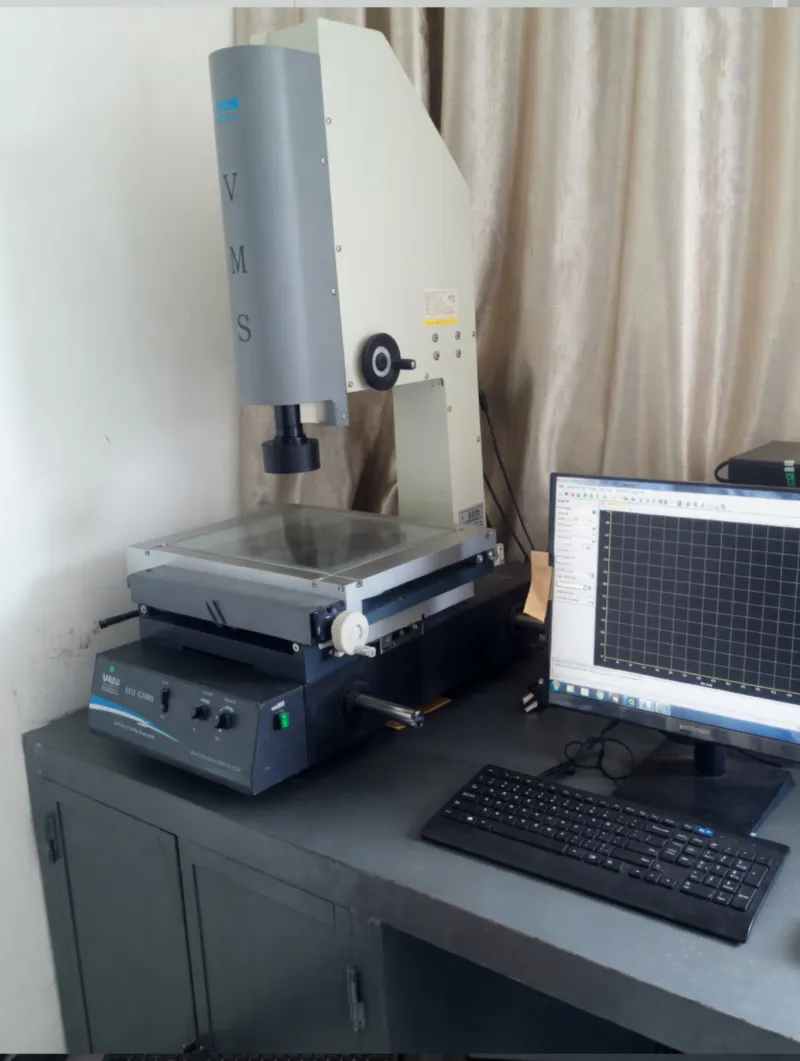
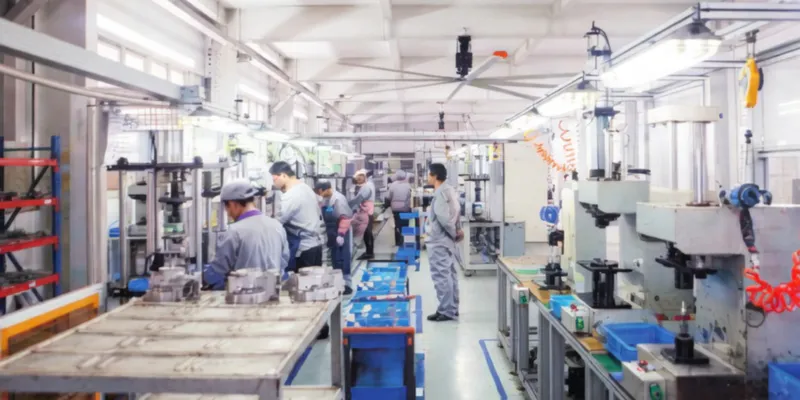
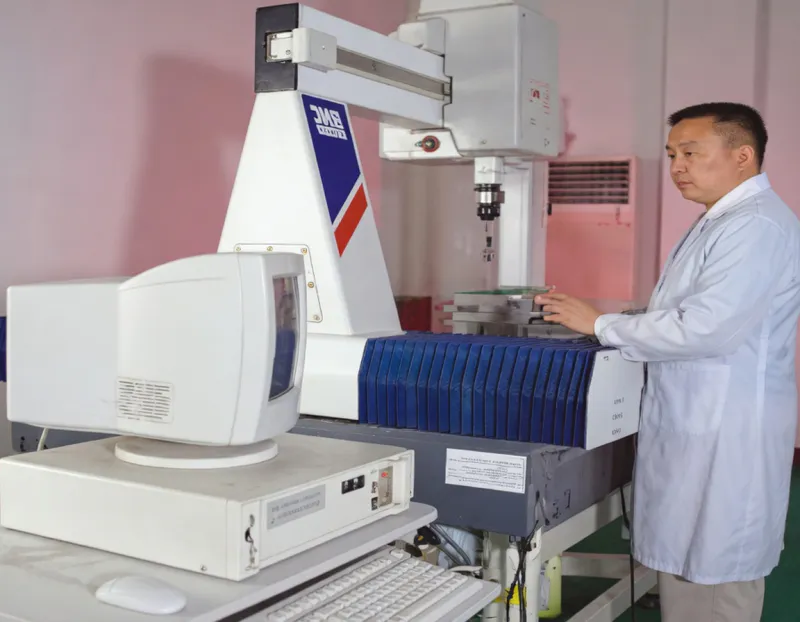
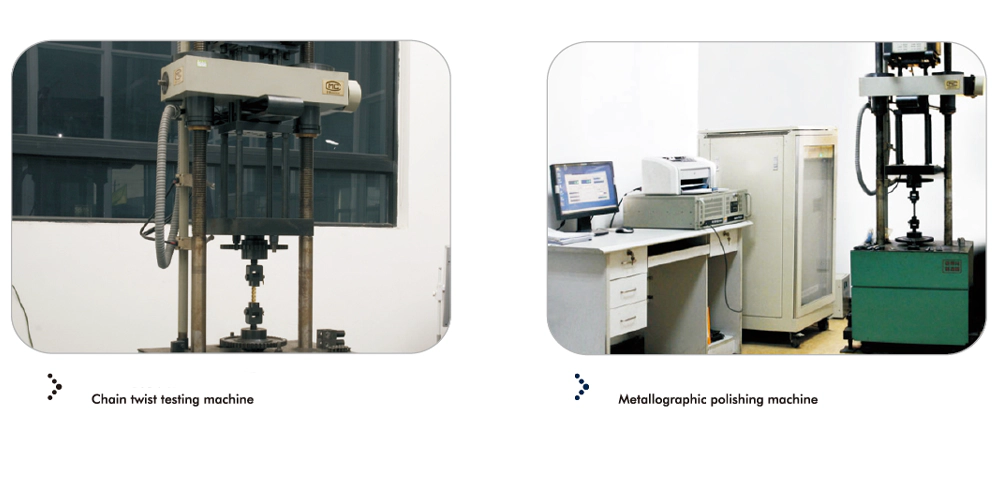
Verkstad
10. Relaterade produkter
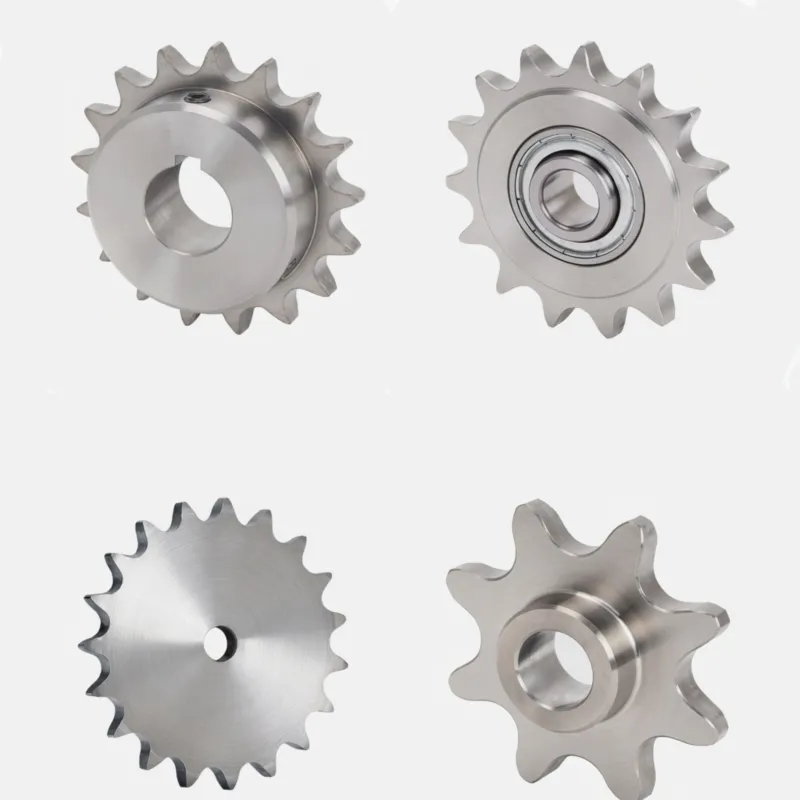
Kedjehjul
Vår precision kedjehjul är helt kompatibla med standarddrivkedjor och integreras sömlöst tillsammans med kugghjulssteg i blandade drivlinor. Genom att kombinera EP-seriens cylindriska kugghjul med vårt matchande kedjehjulssortiment får ingenjörer en komplett lösning för parallella axlar och kedjedriftsegment inom en enda maskin, vilket förenklar upphandling och säkerställer dimensionskompatibilitet i hela kraftöverföringssystemet.
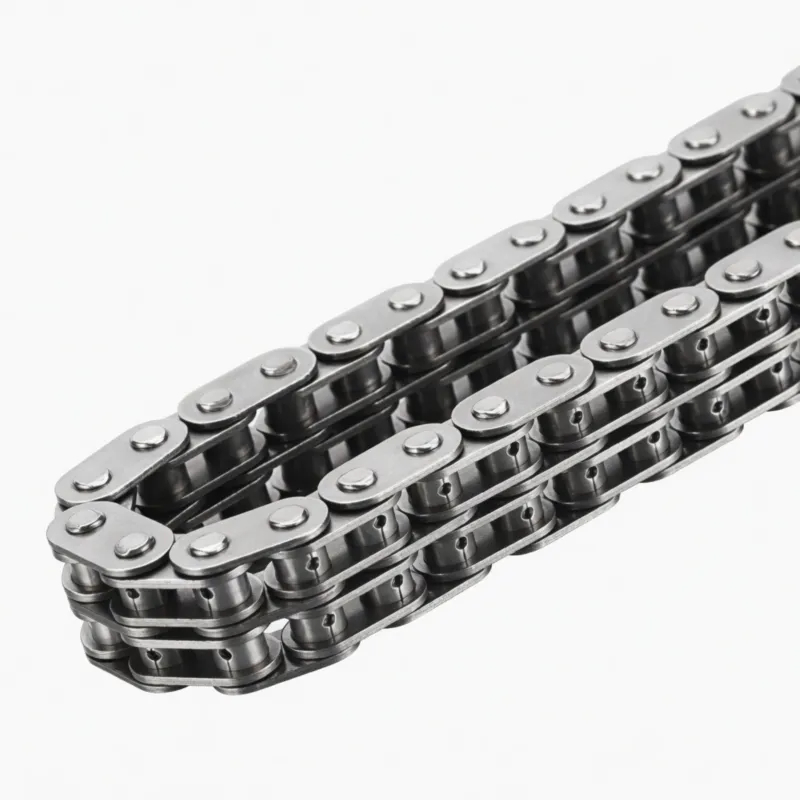
Komplettera ditt drivsystem med våra standard- och kraftiga rullkedjor, konstruerade för att fungera tillsammans med våra produktfamiljer för kedjehjul och cylindriska kugghjul. Att köpa kedjor, kedjehjul och cylindriska kugghjul från en enda leverantör innebär konsekventa kvalitetsklasser, matchade stigningsspecifikationer och enhetlig teknisk support – en verklig fördel med allt från en enda leverantör för industriella köpare som hanterar komplexa maskinparker i Colombia och i hela Anderna.
Vanliga frågor
Redaktör: PXY