विवरण
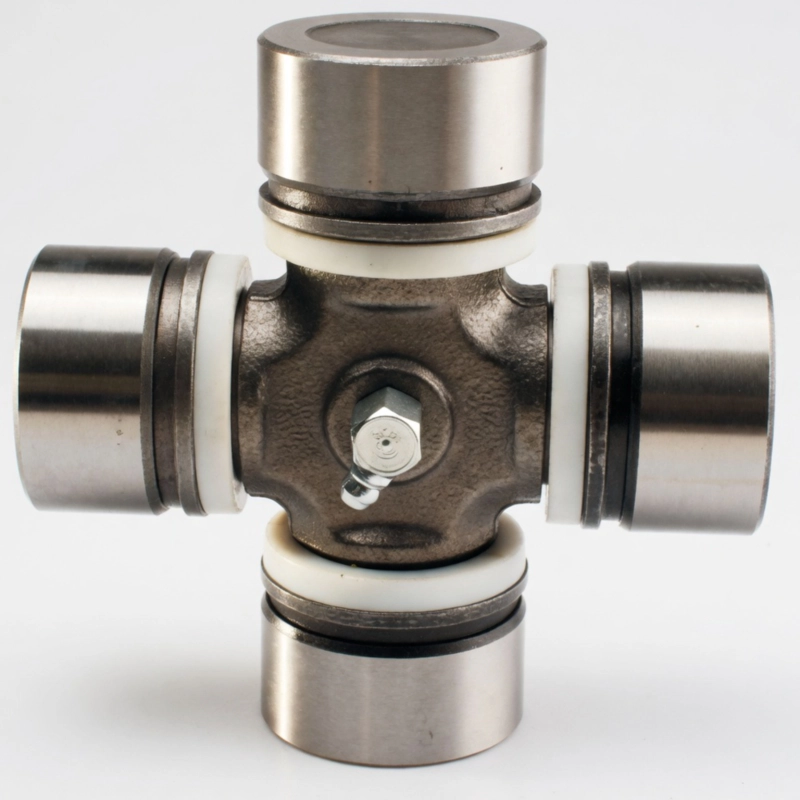
EP-HS222-486 Series — MERCEDES BENZ Universal Joint
Heavy-Duty Automotive U-Joint · FIG Type A & B · GKN Cross-Reference · OEM-Compatible Replacement
The EP-HS222-486 Series covers a carefully selected group of MERCEDES BENZ Universal Joint sizes engineered specifically for Mercedes-Benz commercial vehicle applications. The series takes its name from two key GKN reference numbers — HS222 and HS486 — that represent the most frequently sourced sizes within the Mercedes-Benz heavy truck and bus driveline range. Across the full series, journal (trunnion) diameters run from φ28 mm (HS446) through φ57 mm (HS289), covering an extensive spread of torque ratings to match the demands placed on light vans, medium-duty trucks, heavy long-haul tractors, and municipal bus chassis.
Each joint is manufactured to cross-reference directly against OEM Mercedes-Benz part numbers and GKN catalogue references, meaning that procurement teams working from workshop manuals or parts databases can confirm fitment quickly. The product is offered in two bearing configurations — FIG Type A (four plain round bearings with grooved cups) and FIG Type B (four grooved round bearings) — allowing selection of the most appropriate sealing and lubrication retention design for the operating environment.
1. Technical Specifications — EP-HS222-486 Series MERCEDES BENZ Universal Joint
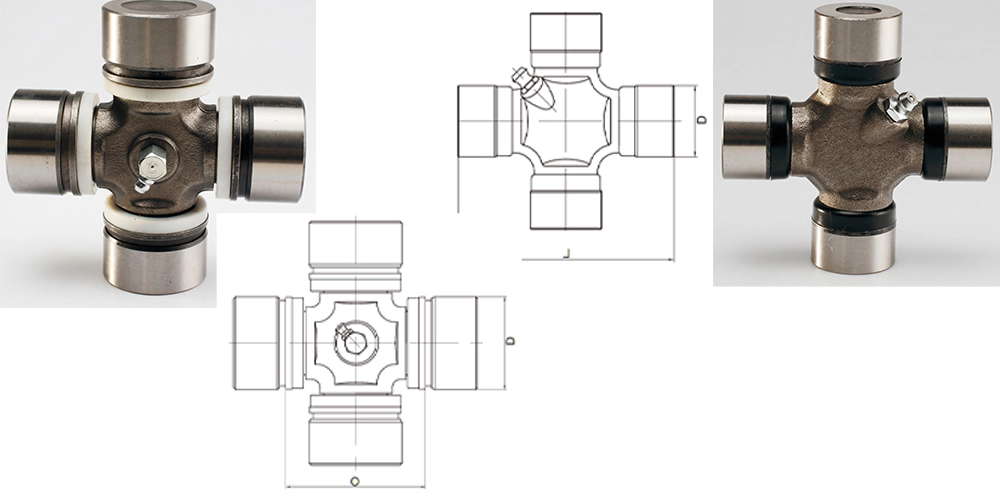
The table below lists all models in the EP-HS222-486 MERCEDES BENZ Universal Joint series with their GKN reference, bearing figure type, journal and cup dimensions, Mercedes-Benz OEM number, and original equipment cross-reference. Size dimensions are expressed as φD×L (mm) where D is the journal diameter and L is the overall snap-ring-to-snap-ring length across the assembly. FIG A = four plain round bearings with grooved cups; FIG B = four grooved round bearings.
| MERCEDES BENZ Universal Joint-GKN NO. | अंजीर | SIZE (φD×L mm) | SERIES | MERCEDES NO. | ORIGINAL NO. |
|---|---|---|---|---|---|
| HS446 | बी | φ28×49 | — | 1004100131 | 1123500028 |
| एचएस222 | ए | φ35×96.8 | — | 304100431 | 304101831 |
| एचएस480 | बी | φ38×57 | — | 3024100031 | 3124111331 |
| ए | Φ44×124.85 | — | 3104100031 | 3224110031 | |
| — | बी | Φ38×56 | — | 3854100231 | — |
| एचएस236 | ए | φ38.03×105.6 | — | 304102031 | — |
| HS486 | बी | φ42×66.4 | — | 3174100131 | 3374110031 |
| बी | φ42×66 | — | 3374100031 | 3854100131 | |
| HS259 | ए | φ45×118.1 | — | 304102231 | — |
| एचएस260 | ए | φ45×120.4 | — | 4100031 | 3044100031 |
| एचएस272 | ए | φ48.05×125.8 | 286.33 | 3604100232 | 3614100231 |
| ए | φ48×126 | — | 3814100231 | 3874100131 | |
| एचएस282 | ए | φ52×133 | 587.3 | 3354100031 | — |
| एचएस284 | ए | φ53×135 | 186.37 | 3634100631 | 3634100031 |
| एचएस289 | ए | φ57×152 | 587.42 | 3874100031 | 7186420617000 |
| ए | Φ52×147.2 | — | 3554100031 | 81391266020 |
Note: φD×L dimensions in mm. GKN NO. = GKN catalogue cross-reference. FIG A = plain round bearing cups; FIG B = grooved round bearing cups. MERCEDES NO. = Mercedes-Benz OEM part number. ORIGINAL NO. = alternate OEM or first-fit cross-reference. “—” denotes no series or cross-reference published for that variant.
2. What Is a Universal Joint?
ए सार्वभौमिक जोड़ — commonly shortened to U-joint — is a mechanical coupling that connects two rotating shafts whose axes are not perfectly aligned, allowing torque to be transmitted across a variable angular offset. The joint consists of a central cross-shaped spider (trunnion), four bearing caps filled with needle rollers, and two yokes that attach to the respective shafts. When the shafts form an angle to each other, the spider pivots within the bearing cups, maintaining continuous torque transmission while accommodating that misalignment. This mechanism makes the universal joint an essential component in virtually every rear-wheel-drive and four-wheel-drive drivetrain, as the propeller shaft must flex dynamically as the vehicle suspension moves through its travel range.
What is the main function of a universal joint? In the context of heavy commercial vehicles — trucks, buses, and the broad range of vehicles built on Mercedes-Benz platforms — the U-joint transfers engine torque from the gearbox output shaft through the prop shaft to the rear axle differential, all while absorbing the angular changes imposed by the suspension. Without a properly functioning MERCEDES BENZ Universal Joint, power delivery becomes erratic, vibration is transmitted into the cabin, and accelerated wear to the driveshaft, transmission output bearing, and differential input seal follows rapidly. Understanding this function is the starting point for any informed replacement decision.
3. सार्वभौमिक संयुक्त कार्य सिद्धांत
The सार्वभौमिक संयुक्त कार्य सिद्धांत is based on the Cardan mechanism, named after the Italian mathematician Gerolamo Cardano. At the heart of every MERCEDES BENZ Universal Joint is the cross-spider: a precision-machined forging with four trunnion journals ground to tight dimensional tolerances. Each journal fits inside a bearing cap that contains a complement of needle rollers, lubricated at assembly with high-performance lithium or moly-grease and retained by a lip seal or a ground cup face that prevents contamination ingress.
When torque is applied to the input yoke, it is transferred through the bearing caps and spider body to the output yoke, rotating the output shaft. Because the spider can pivot in both the fore-aft and lateral planes simultaneously, the joint accommodates angular misalignment in any direction within its designed working angle — typically up to 15° for heavy commercial vehicle applications. One characteristic of single-Cardan U-joints to be aware of is velocity fluctuation: at operating angles greater than 3–5°, the output shaft speed fluctuates twice per revolution relative to the input. In a properly designed driveshaft assembly, this is corrected by phasing two U-joints in series at equal angles, which cancels the velocity variation and delivers smooth, constant rotational output to the axle.
4. Five Key Product Advantages of MERCEDES BENZ Universal Joint
① Precise OEM Cross-Reference Compatibility
Every joint in the EP-HS222-486 series MERCEDES BENZ Universal Joint is dimensionally verified against both the GKN catalogue number and the corresponding Mercedes-Benz OEM part number. Journal diameter, cup outer diameter, cup depth, snap ring groove location, and overall assembled length are all held to tolerances that ensure direct drop-in fitment into OEM yokes. This removes any guesswork during installation and eliminates the risk of premature failure caused by dimensional mismatches — a critical advantage for fleet workshops and independent repair shops undertaking mercedes benz hs universal joint replacement in commercial service environments.
② Premium Alloy Steel Spider Construction
The cross-spider is forged from high-quality alloy steel and subjected to a controlled heat treatment cycle that develops a hard, wear-resistant case over a tough, impact-absorbing core. This combination — typically a surface hardness of 58–62 HRC over a core hardness of 35–45 HRC — gives the journal surface long resistance against the micro-pitting and spalling that end service life in heavy truck U-joints. For routes through the Colombian Andes, the Llanos, or coastal regions where loads and road shocks vary dramatically, this metallurgical balance translates directly into longer intervals between mercedes benz universal joint replacement events.
③ Sealed Bearing System for Extended Service Life
All bearing caps are fitted with precision lip seals that prevent water, road salt, mud, and abrasive particles from entering the needle bearing assembly. In tropical and high-humidity environments such as Colombia’s Pacific coast and Amazon basin regions, this sealed design is particularly important: unsealed or inadequately sealed joints are the single most common cause of early U-joint failure in vehicles operating in wet conditions. The grease fill is selected for wide temperature stability, ensuring consistent viscosity and film thickness whether the vehicle is starting cold in Bogotá at high altitude or running at full load in the tropical lowlands.
④ Full Series Coverage — φ28 mm to φ57 mm
The EP-HS222-486 MERCEDES BENZ Universal Joint range covers ten distinct GKN sizes from the small HS446 (φ28×49) through the heavy-duty HS289 (φ57×152), addressing every position in the Mercedes-Benz driveline from light van to heavy-haul truck. Having a single supplier source for all sizes in the range simplifies procurement, reduces the number of supplier relationships that need to be maintained, and enables fleet workshops to rationalise their U-joint stock into a single catalogued product family. This is especially valuable for logistics companies and bus operators running diverse Mercedes-Benz fleets across Colombian cities and intercity routes.
⑤ Strict Quality Validation and Traceability
Each batch is tested for dimensional conformity, surface hardness, needle bearing radial play, and grease distribution before packaging. Traceability records link every production lot to raw material certificates and heat treatment charts, supporting the documentation requirements that arise when supplying to OEM Tier 1 assemblers, certified fleet operators, or government transport agencies. This level of quality process control gives maintenance managers confidence that the joint they are installing meets or exceeds the performance of the original component — not just in its initial specifications, but over the full expected service cycle. For transport operators in Colombia subject to Ministerio de Transporte (MinTransporte) vehicle safety compliance requirements, documented quality assurance is an important factor in component selection.
5. Material & Manufacturing Process of MERCEDES BENZ Universal Joint
The cross-spider — the load-bearing heart of every MERCEDES BENZ Universal Joint — is forged from medium-high alloy steel, typically 20CrMnTi or an equivalent grade, selected for its combination of hardenability, toughness, and dimensional stability through the heat treatment cycle. The forging process eliminates internal voids and aligns the grain structure along the load path of each trunnion journal, giving the raw spider a fatigue resistance advantage over machined-from-bar alternatives. After rough machining, the journals are carburised and case-hardened to achieve a surface hardness of 58–62 HRC to a case depth of 0.8–1.2 mm, while the core retains a toughness of 35–45 HRC to absorb impact without cracking under shock loading.
The bearing cups are deep-drawn from low-carbon steel strip, then case-hardened and finish-ground on the outer diameter to press-fit into the yoke bores with a controlled interference. Needle rollers are manufactured from bearing-grade 100Cr6 (52100) chromium steel, hardened to 62–66 HRC for maximum contact fatigue life. Yokes, where supplied, are forged from medium-carbon steel and normalised to provide the strength and machinability needed for precision bore work. All metallic surfaces exposed to the needle bearing contact zone are ground to a surface roughness of Ra 0.4 μm or better to ensure correct oil film formation and minimise running-in wear. The entire assembly is packed with NLGI Grade 2 lithium-complex or lithium-molybdenum grease rated for the temperature range expected across Colombian operating environments, from Bogotá’s high-altitude cool nights to the hot lowland routes of the Magdalena valley.
6. MERCEDES BENZ Universal Joint Application Scenarios
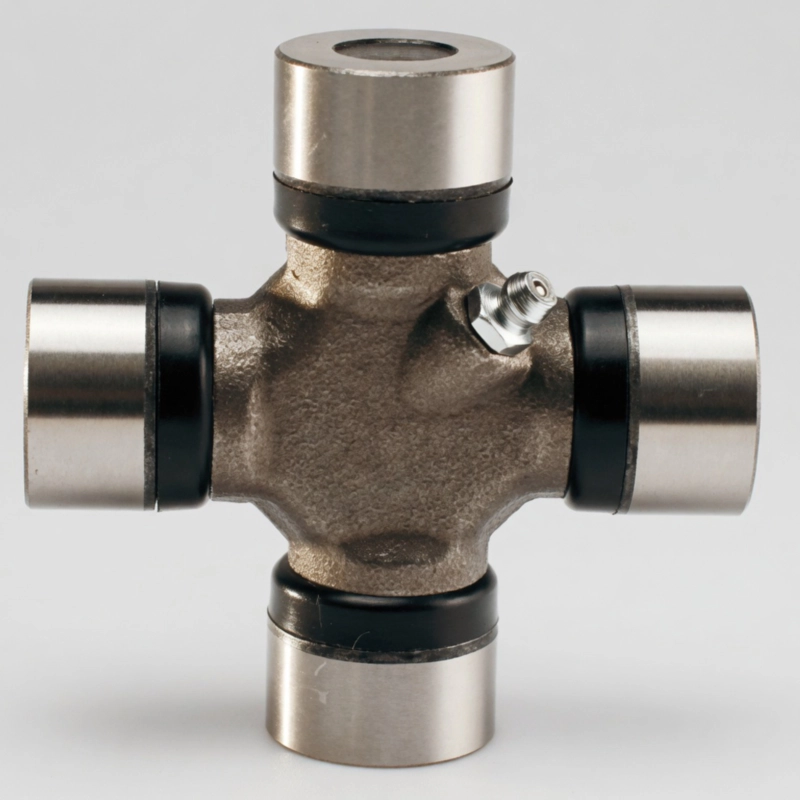
The कार में यूनिवर्सल जॉइंट and commercial vehicle applications is one of the most widely distributed mechanical components in the automotive world. The EP-HS222-486 series MERCEDES BENZ Universal Joint is specifically matched to the torque ratings and dimensional requirements of Mercedes-Benz vehicle platforms, and the applications described below represent the primary deployment contexts where this series is sourced and installed.
Heavy-Duty Truck Prop Shafts
Long-haul trucks operating the Bogotá–Buenaventura, Bogotá–Medellín, and Trans-Caribbean routes typically run Mercedes-Benz Actros or Axor platforms whose main prop shafts use HS272, HS282, HS284, or HS289 joints. These large-diameter MERCEDES BENZ Universal Joint units handle the high torque output of the OM 460 and OM 470 engine families across steep Andean gradients where combined grade resistance and payload tonnage place extreme cyclic stress on the driveline. The यूनिवर्सल जॉइंट ट्रक application in this context demands maximum fatigue life and sealed bearing retention.
Urban & Intercity Bus Drivelines
Mercedes-Benz O500 and Marcopolo-bodied bus fleets serving Bogotá’s Transmilenio BRT network, Medellín’s intercity routes, and coastal city transit systems use MERCEDES BENZ Universal Joint models HS222, HS236, HS259, and HS260 in their propeller shafts and inter-axle shafts. Buses accumulate very high annual mileages in stop-start urban duty cycles that impose frequent torque reversals and high lateral joint angles at the axle end, accelerating wear relative to highway driving. The sealed bearing design and premium grease specification of the EP series directly address the elevated maintenance demands of bus fleet operations.
Light Commercial Vans
Mercedes-Benz Sprinter and Vito vans — widely used by Colombian courier services, medical supply chains, and food distribution networks — use the smaller MERCEDES BENZ Universal Joint sizes in this series, particularly HS446 (φ28×49) and HS222 (φ35×96.8). In van applications, the prop shaft joint often operates at a relatively steep angle because of the low floor height and rear-drive configuration, meaning that correct joint phase angle and assembly alignment are important during सार्वभौमिक संयुक्त प्रतिस्थापन to avoid driveshaft vibration after the repair.
Steering Column U-Joints
Beyond the prop shaft, Mercedes-Benz steering systems use स्टीयरिंग यूनिवर्सल जॉइंट components in the intermediate shaft between the steering column and the rack-and-pinion or recirculating-ball steering gear. The MERCEDES BENZ Universal Joint used in steering columns operates at lower torques than prop shaft units but requires very low angular play (backlash) to preserve steering precision and prevent shimmy. The smaller joints in the EP MERCEDES BENZ Universal Joint series are dimensionally appropriate for these applications, and the tight manufacturing tolerances maintained ensure backlash values stay within OEM specifications.
Agricultural & Construction Equipment
Mercedes-Benz power units are also found in a range of agricultural machinery and light construction equipment operating in Colombia’s coffee-growing regions of Antioquia and the Eje Cafetero, as well as construction sites in the oil and gas corridor near Barrancabermeja. In PTO-driven and vehicle-mounted applications, the MERCEDES BENZ Universal Joint models HS480 (φ38×57 and Φ44×124.85) and HS486 (φ42×66.4) serve intermediate shaft positions where angular variation is higher and impact loading from rough terrain demands robust joint construction. Correct grease specification for high-pressure contact conditions is essential in these applications.
Specialty & Emergency Vehicles
Fire trucks, ambulances, military vehicles, and armoured transport units built on Mercedes-Benz commercial chassis platforms are operated by Colombian government agencies and private security operators across the country. These vehicles are characterised by infrequent but operationally critical use — a MERCEDES BENZ Universal Joint failure in an emergency vehicle is never acceptable. The combination of premium alloy steel, controlled heat treatment, sealed bearings, and OEM-level dimensional verification makes the EP-HS222-486 MERCEDES BENZ Universal Joint series a reliable choice for these high-consequence applications where parts availability and known quality documentation matter most.
7. नियामक अनुपालन और उद्योग मानक
Automotive drivetrain components including the MERCEDES BENZ Universal Joint are subject to a layered set of standards spanning materials, dimensional accuracy, safety certification, and import/customs compliance. Understanding this framework is important for procurement officers, fleet managers, and workshop owners in Colombia and across Latin America who need to ensure that the replacement parts they source meet legal and operational requirements.
आईएसओ मानक: ISO 8653 covers the specification and acceptance testing of universal joints for automotive applications. ISO 9001 quality management system certification is relevant for the manufacturing facility level, ensuring that design controls, process controls, and inspection procedures are documented and consistently applied. Material testing standards such as ISO 6507 (Vickers hardness) and ISO 683-17 (heat-treatable steels) underpin the material verification processes applied to spider forgings and bearing cups.
Colombia (MinTransporte / ICONTEC): In Colombia, the Ministerio de Transporte (MinTransporte) sets the technical requirements for vehicle roadworthiness through Código Nacional de Tránsito (Law 769/2002) and complementary resolutions governing vehicle inspections (Revisión Técnico-Vehicular, RTV). Driveshaft integrity — which depends on the condition of U-joints — is assessed during the periodic technical inspection. The ICONTEC standard NTC ISO 9001 provides the quality system reference that most Colombian government fleet suppliers are required to demonstrate. Replacement drivetrain parts must be traceable and meet the dimensional specifications of the OEM component being replaced.
यूरोपीय संघ: Mercedes-Benz vehicles sold into the EU market are type-approved under EU Regulation 2018/858 (replacing Directive 2007/46/EC), which governs vehicle safety and environmental performance. While individual components like U-joints do not carry standalone CE marking, their design and material specifications must satisfy the type-approval dossier maintained by Mercedes-Benz AG. Aftermarket replacement parts claiming OEM equivalency must meet the same dimensional and performance specifications as the first-fit component.
United States (SAE/ANSI): The Society of Automotive Engineers (SAE) publishes SAE J901 covering universal joints and driveshafts for commercial vehicles. ANSI/AGMA standards for gear and coupling materials provide additional reference for the steel grades and heat treatment processes used in U-joint manufacture. These standards are referenced by US Tier 1 driveshaft manufacturers and are accepted as technical baselines by international fleet operators.
Brazil (ABNT / DENATRAN): Brazil’s DENATRAN (now SENATRAN/SENATRAN-SE) requires vehicle safety compliance testing, and Brazilian-registered Mercedes-Benz trucks operating across the Mercosur region including Colombia’s border crossings must maintain driveline components within OEM specification. ABNT NBR standards for automotive steel components and fasteners provide the Brazilian national reference framework.
8. About Us- MERCEDES BENZ Universal Joint Manufacturer
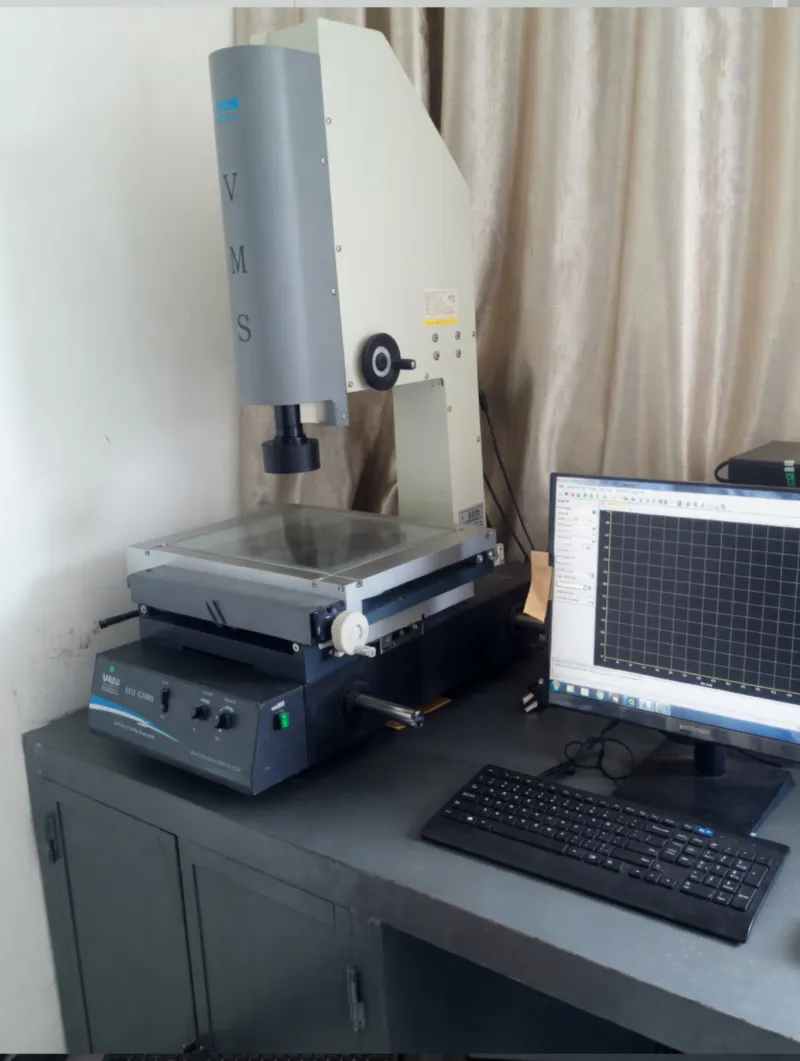
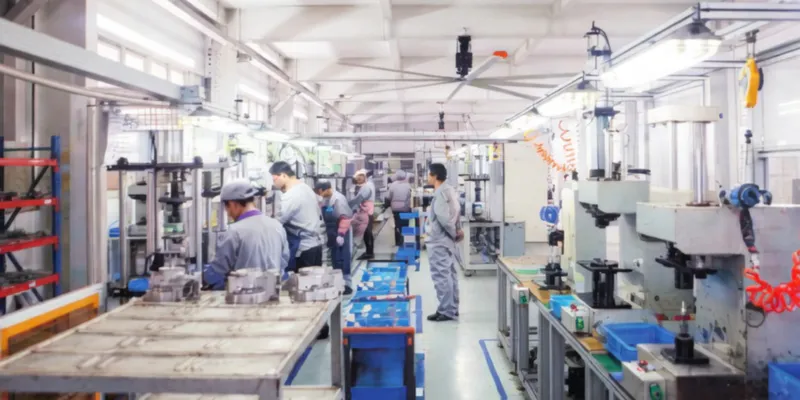
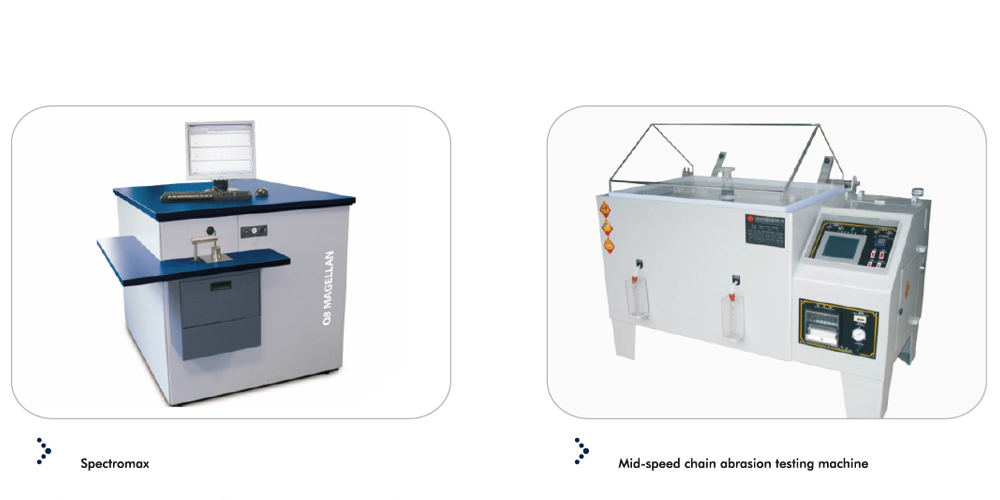
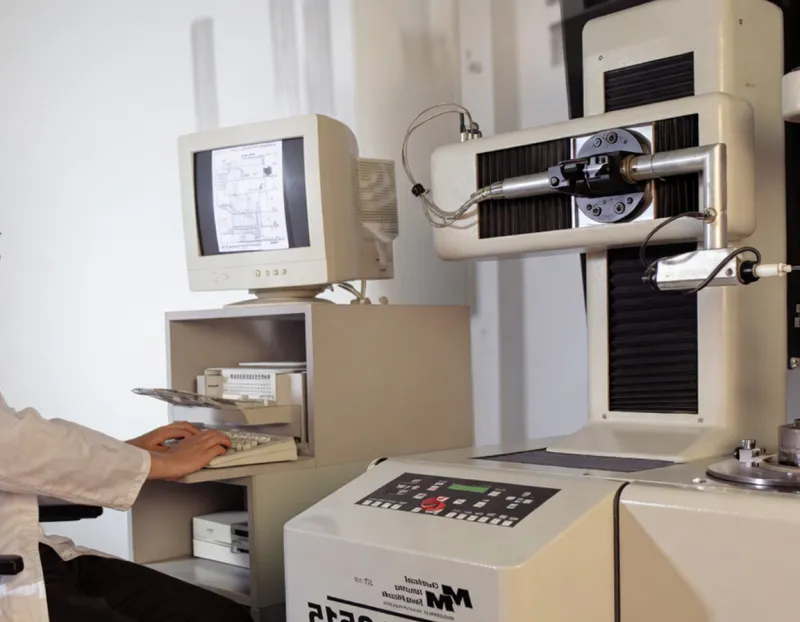
We are a specialist manufacturer and global distributor of automotive power transmission components, with over two decades of focused experience in driveshaft joints, wheel hub units, axle components, and related drivetrain products. Our manufacturing operations are built around CNC precision machining centres, automated heat treatment lines, and coordinate measuring machine (CMM) inspection cells that collectively ensure dimensional conformity and surface quality across every batch we produce.
Our product range covers MERCEDES BENZ Universal Joint applications as well as joints for Volvo, DAF, Scania, Komatsu, and a wide range of other commercial vehicle and construction equipment brands. We maintain an extensive cross-reference database linking OEM part numbers, GKN catalogue numbers, and Spicer references, making it straightforward for our customers — whether distributors, fleet workshops, or independent mechanics — to identify and source the correct joint for their application.
कार्यशाला
9. संबंधित उत्पाद — संपूर्ण ड्राइवट्रेन समाधान
ए MERCEDES BENZ Universal Joint operates as part of a broader drivetrain assembly. Replacing the joint without checking the condition of the companion components — particularly the wheel hub unit and the axle shafts — risks returning a vehicle to service with undetected wear that will shorten the life of the new joint or cause a secondary failure shortly after. We supply the full range of Mercedes-Benz drivetrain components, giving fleet workshops and distributors a single procurement source for the entire driveline.
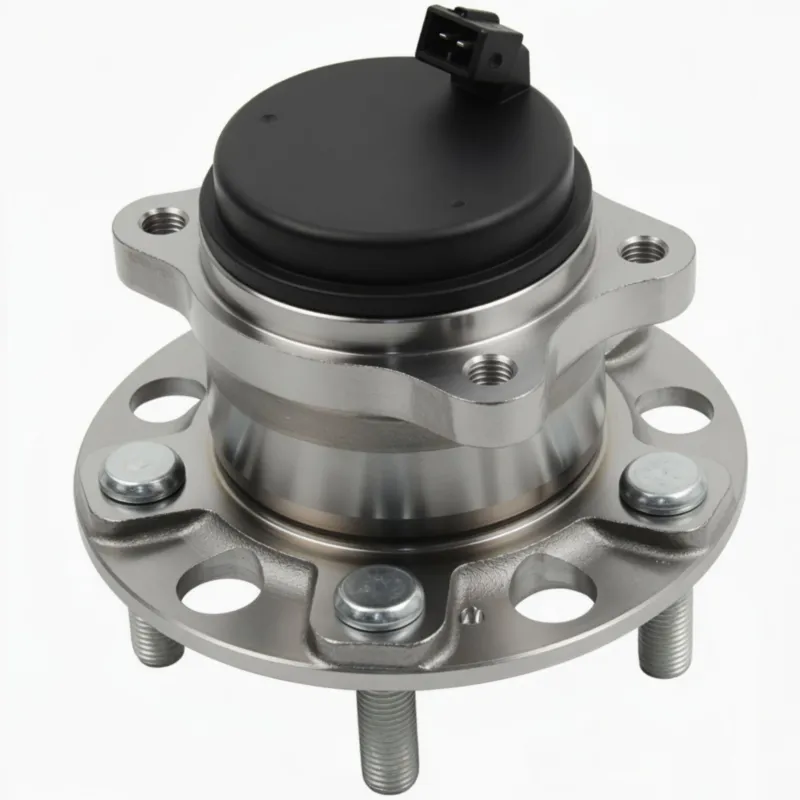
व्हील हब यूनिट
The wheel hub unit carries the wheel bearing, ABS sensor ring (where fitted), and the hub flange that connects the axle shaft to the road wheel. On driven axles, the hub unit works in direct series with the driveshaft and U-joints — if the hub bearing develops play, the resulting angular misalignment at the axle stub increases the operating angle of the outboard U-joint, accelerating its wear. We supply complete automotive wheel bearing and hub unit assemblies for Mercedes-Benz front and rear axle applications, with OEM and aftermarket cross-references available.
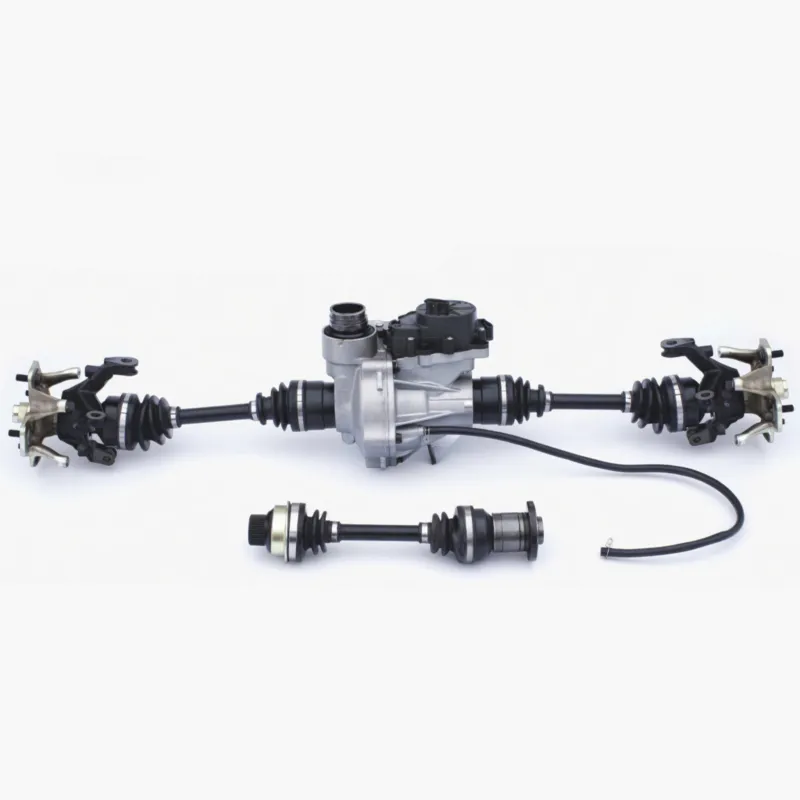
Axles & Axle Shafts
Rear axle half-shafts on Mercedes-Benz trucks and buses transmit final drive torque from the differential to the wheel hub flanges. Any fatigue crack, spline wear, or torsional damage to the axle shaft changes the dynamic load distribution on the adjacent U-joints and the differential output bearings. We source and supply replacement axle shafts for a range of Mercedes-Benz commercial vehicle axle types, manufactured to OEM dimensional specifications with spline form and hardness profiles matched to the original component. Pairing a new axle shaft with a fresh U-joint during a major driveline service is the most efficient way to reset the entire assembly’s fatigue life clock.
अक्सर पूछे जाने वाले प्रश्नों
संपादक: पीएक्सवाई