描述
EP-CZ Series · U-Joint Product Line|u-joint replacement Colombia
EP-CZ Series Brasil Vehicles Universal Joint
Engineered for the demanding road conditions and diverse vehicle platforms found across South America, the EP-CZ Series delivers consistent driveshaft performance wherever Brazilian and regional vehicles operate.
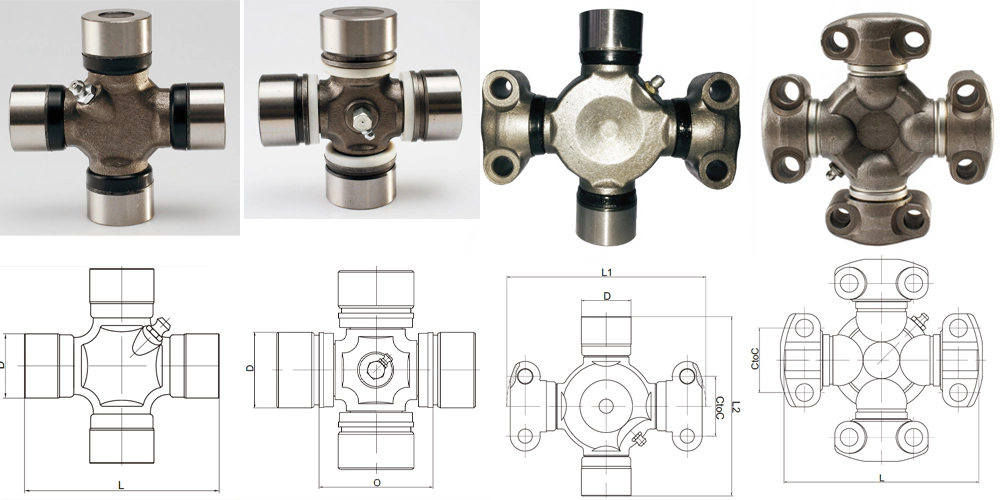
1. Brasil Vehicles Universal Joint Technical Parameters — FIGURA-A (Round Bearing Type)
The Figura-A configuration uses a standard four-point round-bearing design, with “D” representing the trunnion journal diameter and “Ø*L” representing the bearing cup outside diameter and length. This table covers the primary CZ-series part numbers applicable to Brazilian passenger cars, light commercials, and medium trucks.
| PART NO. | “D” (MM) | Ø*L (MM) | PART NO. | “D” (MM) | Ø*L (MM) | PART NO. | “D” (MM) | Ø*L (MM) |
|---|---|---|---|---|---|---|---|---|
| CZ-101 | 61.2 | 23.8 | CZ-232 | 163.0 | 60.0 | CZ-182 | 93.0 | 34.9 |
| CZ-102 | 70.0 | 27.0 | CZ-251 | 149.0 | 44.0 | CZ-183 | 71.0 | 27.0 |
| CZ-105 | 128.3 | 41.3 | CZ-252 | 92.0 | 27.0 | CZ-184 | 96.7 | 35.0 |
| CZ-116 | 82.5 | 30.0 | CZ-254 | 106.1 | 34.9 | CZ-185 | 97.5 | 35.0 |
| CZ-117 | 70.1 | 27.0 | CZ-255 | 164.0 | 50.0 | CZ-186 | 81.6 | 30.2 |
| CZ-120 | 61.9 | 27.0 | CZ-256 | 126.1 | 34.9 | CZ-187 | 70.4 | 27.0 |
| CZ-121 | 81.7 | 27.0 | CZ-259 | 48.2 | 19.0 | CZ-188 | 97.0 | 34.0 |
| CZ-122 | 61.2 | 23.8 | CZ-265 | 160.9 | 48.0 | CZ-189 | 70.9 | 27.0 |
| CZ-127 | 74.6 | 27.0 | CZ-268 | 77.8 | 24.0 | CZ-201 | 74.6 | 27.0 |
| CZ-134 | 75.6 | 27.0 | CZ-271 | 126.1 | 41.2 | CZ-204 | 48.2 | 19.0 |
| CZ-135 | 71.3 | 27.0 | CZ-277 | 163.9 | 57.0 | CZ-205 | 45.4 | 17.0 |
| CZ-137 | 83.1 | 30.0 | CZ-279 | 125.6 | 48.0 | CZ-208 | 92.0 | 30.1 |
| CZ-138 | 62.0 | 23.8 | CZ-280 | 189.7 | 65.0 | CZ-220 | 126.0 | 44.0 |
| CZ-140 | 75.7 | 32.0 | CZ-286 | 135.0 | 53.0 | CZ-221 | 141.9 | 41.2 |
| CZ-148 | 82.5 | 30.0 | CZ-287 | 147.8 | 38.0 | CZ-228 | 120.3 | 45.0 |
| CZ-149 | 70.1 | 27.0 | CZ-289 | 171.8 | 65.0 | CZ-229 | 125.6 | 48.0 |
| CZ-170 | 80.0 | 27.0 | CZ-290 | 138.8 | 49.2 | CZ-230 | 132.9 | 52.1 |
| CZ-181 | 62.0 | 23.8 | CZ-302 | 56.0 | 18.0 | CZ-231 | 152.1 | 57.0 |
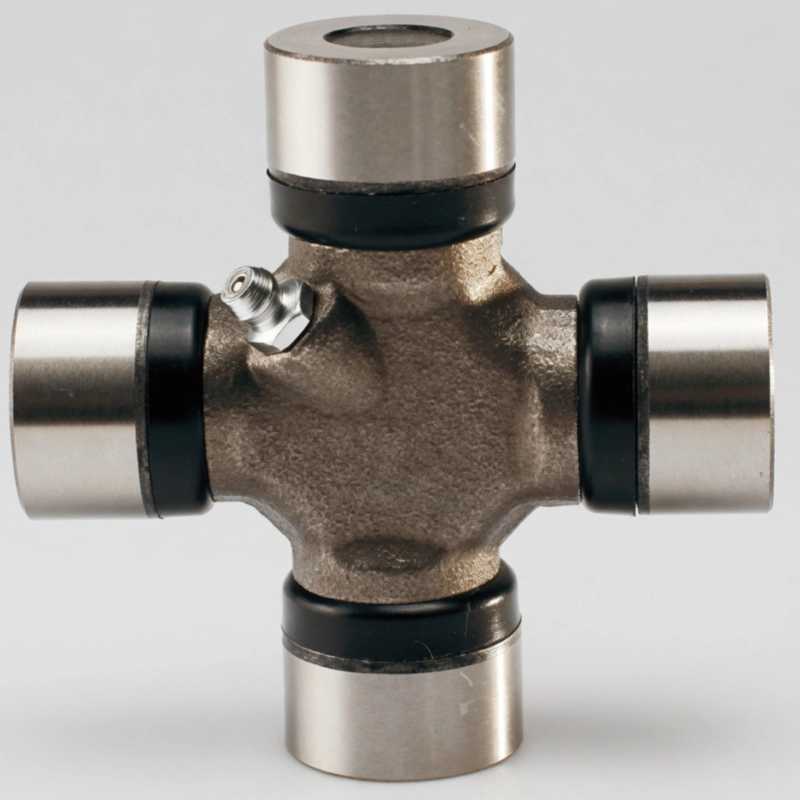
1.2. Brasil Vehicles Universal Joint — FIGURA-B
The Figura-B type represents a compact cross-bearing design where “D” is the trunnion journal diameter and “Ø*O” denotes the outer cup diameter. These are commonly found in lighter passenger vehicle and small commercial van driveshafts within the Brazilian vehicle range.
| PART NO. | “D” (MM) | Ø*O (MM) |
|---|---|---|
| CZ-104 | 24.6 | 38.8 |
| CZ-106 | 24.6 | 38.8 |
| CZ-136 | 27.4 | 50.2 |
| CZ-171 | 26.5 | 47.2 |
| CZ-172 | 32.0 | 56.9 |
| CZ-180 | 30.1 | 52.8 |
| CZ-226 | 27.0 | 52.6 |
| CZ-227 | 38.0 | 57.2 |
| CZ-276 | 68.0 | 89.0 |
| CZ-288 | 42.0 | 66.3 |
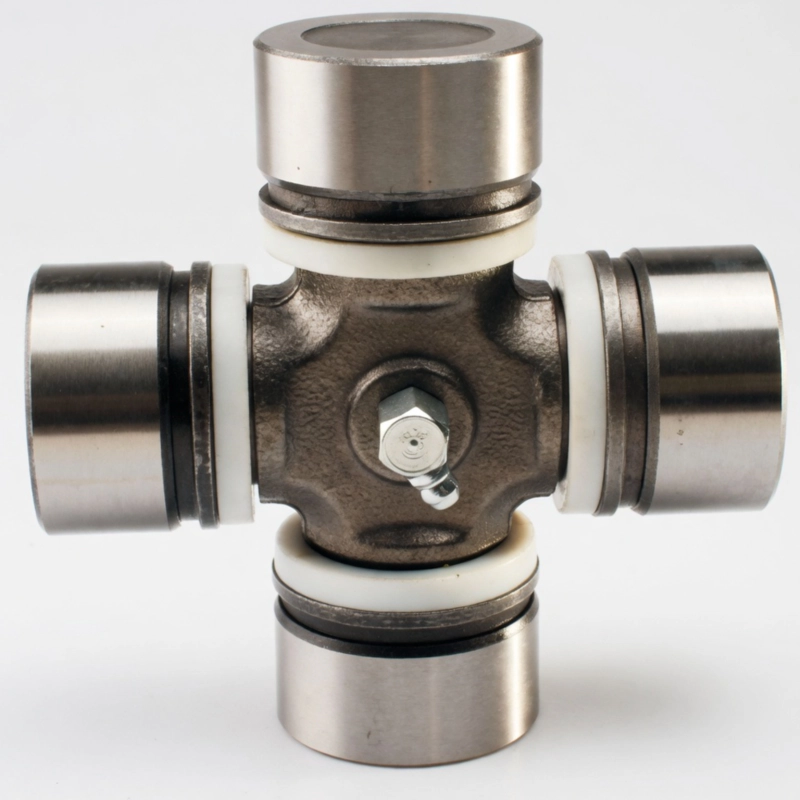
1.3. Brasil Vehicles Universal Joint — FIGURA-F (Flange Shaft Type)
The Figura-F design integrates a shaft extension with the cross bearing assembly — parameters include L2 (overall length), Ø*D (bearing cup OD), C (cross dimension), L1 (flange end length), E (ear-to-ear span), and Ø*F (flange bore where applicable). This configuration is typical in Brazilian-market trucks and four-wheel-drive vehicles where the driveshaft design demands an integrated yoke-shaft assembly. The universal joint truck aftermarket in South America relies heavily on this type.
| PART NO. | “L2” (MM) | Ø”D” (MM) | “C” (MM) | “L1” (MM) | “E” (MM) | Ø”F” |
|---|---|---|---|---|---|---|
| CZ-108 | 126.1 | 34.9 | 42.8 | 140.5 | 114.8 | — |
| CZ-112 | 106.2 | 30.1 | 36.5 | 107.9 | 87.2 | — |
| CZ-114 | 126.1 | 34.9 | 42.8 | 140.5 | 114.8 | UNF 3/8″ |
| CZ-128 | 141.9 | 41.2 | 49.1 | 148.3 | 117.4 | — |
| CZ-176 | 106.1 | 34.9 | 42.8 | 115.0 | 89.0 | — |
| CZ-177 | 106.1 | 34.9 | 42.8 | 115.0 | 89.0 | UNF 3/8″ |
| CZ-250 | 141.9 | 41.2 | 49.1 | 148.3 | 117.4 | — |
| CZ-266 | 106.2 | 30.1 | 42.5 | 115.0 | 89.0 | — |
| CZ-107 | 59.4 | 25.4 | 33.3 | 79.2 | 59.5 | UNF 5/16″ |
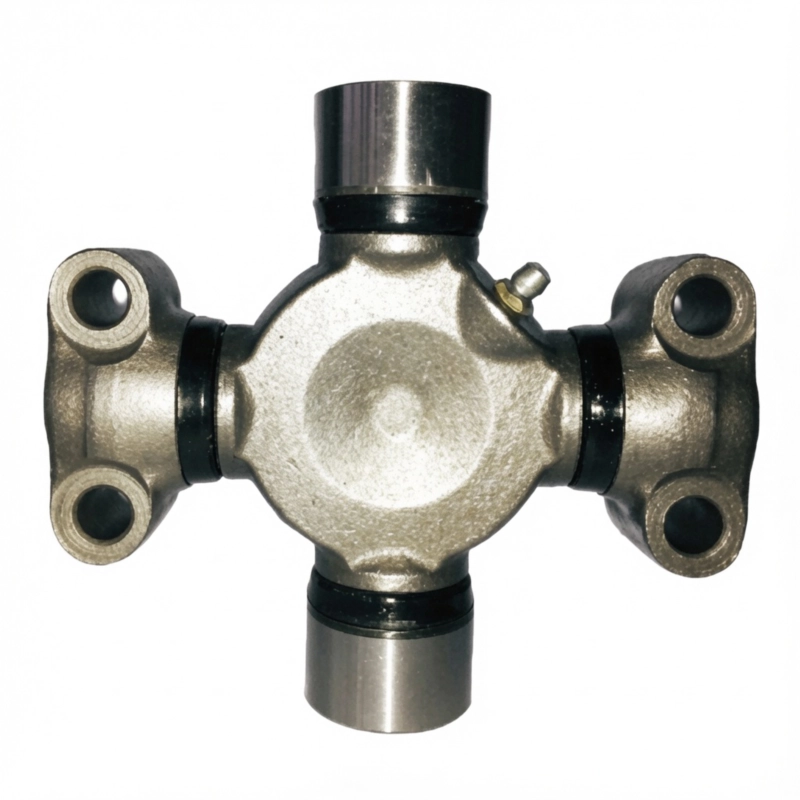
1.4. Brasil Vehicles Universal Joint — FIGURA-G
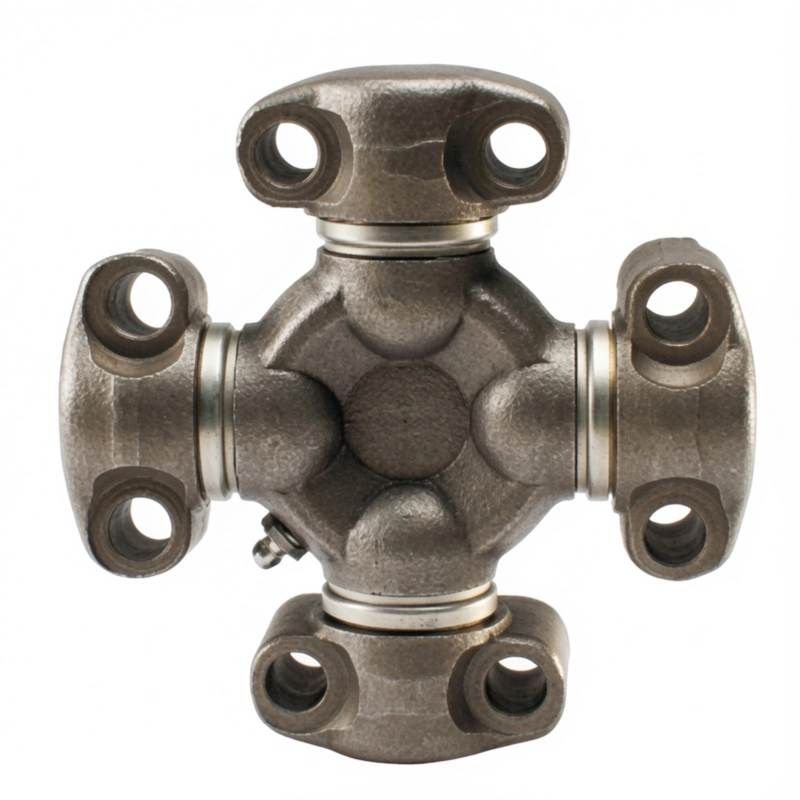
Figura-G parts are characterised by their “C” measurement (cross trunnion span), “Ø*L” (bearing cup OD × length), “E” (ear-to-ear on the yoke), and “Ø*F” (grease fitting or thread specification). These appear extensively in Brazilian medium and heavy commercial vehicles and represent some of the most widely circulated brasil vehicles universal joint replacement parts across the Colombian aftermarket.
| PART NO. | “C” (MM) | Ø”L” (MM) | “E” (MM) | Ø”F” |
|---|---|---|---|---|
| CZ-109 | 42.5 | 140.5 | 114.8 | 10.4 |
| CZ-110 | 36.5 | 107.9 | 86.9 | 9.0 |
| CZ-111 | 49.1 | 148.3 | 117.4 | UNF 7/16″ |
| CZ-113 | 49.1 | 148.3 | 117.4 | 13.5 |
| CZ-115 | 42.5 | 115.0 | 89.0 | 10.4 |
| CZ-123 | 42.5 | 115.0 | 89.0 | 10.4 |
| CZ-125 | 33.3 | 79.2 | 59.5 | UNF 5/16″ / 8.5 |
| CZ-131 | 36.5 | 107.9 | 87.2 | 9.2 |
| CZ-132 | 36.5 | 107.9 | 87.2 | UNF 5/16″ / 9.2 |
| CZ-142 | 71.5 | 209.5 | 167.5 | 14.0 |
| CZ-143 | 71.5 | 165.1 | 123.8 | 14.0 |
| CZ-173 | 36.5 | 90.5 | 69.6 | 9.0 |
| CZ-174 | 42.5 | 115.0 | 89.0 | UNF 3/8″ |
| CZ-175 | 36.5 | 107.9 | 87.2 | UNF 5/16″ |
| CZ-178 | 42.5 | 140.5 | 114.6 | UNF 3/8″ / 10.5 |
| CZ-179 | 33.3 | 79.5 | 59.5 | 8.5 |
2. What Is a Brasil Vehicles Universal Joint?
一个 brasil vehicles universal joint — commonly known as a u-joint or BRASIL VEHICLES u-joint — is a mechanical coupling device that transmits rotational torque between two shafts that are not perfectly aligned. In virtually every rear-wheel-drive truck, SUV, and passenger vehicle manufactured for the Brazilian market, this small but essential component sits at the heart of the driveshaft assembly, allowing the engine’s power to reach the wheels even as the suspension moves up and down and the drivetrain angles shift during acceleration, cornering, and load changes. Without a properly functioning universal joint car component, vibration, noise, and eventual catastrophic driveshaft failure are the only possible outcomes.
The EP-CZ Series was developed specifically to meet the build tolerances and operating patterns of vehicle manufacturers in Brazil and the broader South American automotive ecosystem. Whether the vehicle is a Brazilian-assembled light pickup navigating cobblestone urban streets in Bogotá or a heavy-duty truck hauling goods across Colombia’s Andean corridors, the EP-CZ u-joint provides reliable angular motion transfer over the full service life of the drivetrain. The series covers Figura-A, Figura-B, Figura-F, and Figura-G configurations, each representing a different bearing and yoke geometry suited to distinct vehicle platforms and torque requirements.
3. Five key product advantages of brasil vehicles universal joint
These are the reasons procurement teams from Colombia to Argentina continue to specify the EP-CZ Series for their service requirements — not just for price, but because the engineering substance holds up under real-world scrutiny.
① Broad Cross-Reference Coverage
The EP-CZ parts catalogue spans dozens of CZ-numbered references (CZ-101 through CZ-302) covering Figura-A, B, F, and G dimensional standards. This eliminates the need to source multiple brands for a mixed fleet, simplifying inventory management for distributors and workshops in Colombia, Venezuela, and neighboring markets that receive Brazilian-platform vehicles.
② Precision Dimensional Tolerances
Every bearing cup diameter, trunnion length, and flange bore dimension in the CZ Series is held to tight tolerances that match or exceed OEM specifications. The Figura-F type, for example, carries dual-dimension L1/L2 and C/E measurements that demand sub-millimetre precision — a standard we maintain across every batch to ensure drop-in fitment and smooth driveshaft rotation from the first kilometre.
③ High-Grade Alloy Steel Construction
The trunnion cross and bearing cups are machined from case-hardened alloy steel that undergoes controlled heat treatment. This yields a surface that resists wear from bearing roller contact while maintaining a tough, ductile core capable of absorbing the shock loads common in heavy-duty truck service — a critical requirement given the punishing road infrastructure across much of South America.
④ Multiple Configuration Types
From simple round-bearing Figura-A types to the more complex Figura-F flange-and-shaft designs, the EP-CZ series supports diverse drivetrain architectures. Workshops servicing a mixed fleet — light SUVs, medium commercial vans, and heavy trucks — can consolidate purchasing across a single supplier catalogue rather than maintaining multiple relationships, reducing lead time and administrative overhead.
⑤ Grease Retention & Service Life
Bearing cup seals in the EP-CZ Series are designed to retain lubricant effectively under the axial and radial forces generated at the operating angles typical of truck and SUV driveshafts. Extended grease life between service intervals lowers total cost of ownership — an important consideration for fleet operators in Colombia and other markets where vehicle downtime directly impacts logistics profitability.
4. Universal Joint Working Principle
了解 universal joint working principle helps both engineers and service technicians appreciate why component quality matters so much. At its core, a u-joint for brasil vehicles consists of a cross-shaped trunnion body — sometimes called a spider — whose four arms are fitted with needle-roller bearing cups that seat inside matching yoke bores on the shafts being connected. When the driving shaft rotates, it forces the trunnion to pivot, which in turn drives the output yoke and attached shaft. Because the trunnion can pivot in two perpendicular planes simultaneously, it accommodates angular misalignment between the input and output shafts across a practical operating range.
In a conventional rear-wheel-drive driveshaft assembly, two or sometimes three universal joints work together to link the transmission output to the rear differential input. The front joint handles the angular change created by engine and transmission movement relative to the chassis, while the rear joint manages the continuous angular variation caused by rear axle travel during suspension articulation. In heavy trucks, transfer cases add additional joints in the front driveshaft circuit as well. The universal joint in car applications often includes a double-Cardan or constant-velocity version at the front of four-wheel-drive vehicles to eliminate the speed fluctuation inherent in a single Hooke-joint design operating at high angles. The EP-CZ series caters to all these scenarios through its varied dimensional series.
Every genuine brasil vehicles universal joint in the EP-CZ lineup is engineered around these mechanical realities, with dimensional accuracy and material quality chosen to suit the specific torque, angle, and lubrication conditions of the application it serves. What distinguishes a 转向万向节 from a standard propshaft joint is primarily scale and packaging. Steering column universal joints — sometimes called universal steering joints — are smaller, designed for lower-torque steering column applications, and often incorporate a slip function to manage column length variation. The EP-CZ lineup includes dimensions that bridge propshaft and steering applications, reflecting the breadth of vehicle types covered under the BRASIL VEHICLES classification.
5. Material & Construction Of Brasil Vehicles Universal Joint
任何表现 brasil vehicles universal joint — or any universal joints product broadly — is ultimately determined by the materials and processes behind it. The EP-CZ Series trunnion crosses are forged from medium-carbon alloy steel with chromium and molybdenum additions for enhanced hardenability and fatigue resistance. The forging process aligns the grain flow of the steel to follow the trunnion geometry, which produces a component significantly tougher under cyclical bending stress than a machined-from-bar alternative. After forging, each cross is machined to dimensional specification and subjected to case-hardening — typically through carburising or induction hardening — to create a wear-resistant surface layer while preserving core toughness.
The bearing cups that house the needle rollers are formed from case-hardening steel strip, drawn to precise bore diameters and heat-treated independently before assembly. The needle rollers themselves are manufactured from through-hardened bearing steel to exacting diameter and length tolerances, ensuring even load distribution around the cup bore. Seal lips are moulded from elastomers selected for compatibility with lithium-complex or molybdenum-disulphide greases, which are the most common lubricants used during assembly. Snap rings, where applicable, are heat-treated carbon spring steel to maintain secure axial retention across the full temperature and load range encountered in service.
This combination of materials is not accidental — it reflects the consensus that has emerged across the global automotive aftermarket about what is required to achieve the service life that fleet operators, mechanics, and distributors in Colombia and across Latin America have come to expect from quality brasil vehicles u-joint components.
6. Symptoms of a Worn Universal Joint & When to Replace
Knowing what are the symptoms of a bad universal joint can save a vehicle owner from a roadside breakdown — and when it comes to a brasil vehicles universal joint specifically, acting on early warning signs is even more important given the cost and availability of specialist service in remote areas of Colombia. Because a universal joint car component wears progressively, early warning signs are easy to miss if you don’t know what to look for. The most characteristic symptom is a clunking or thudding sound — usually heard during initial acceleration or when shifting from drive to reverse — that originates from beneath the vehicle, approximately at driveshaft level. As wear progresses, this clunk becomes more pronounced and may be accompanied by a squeaking or squealing noise if the bearing has lost its lubricant. Vibration is another reliable indicator: a failing u-joint introduces an imbalance into the driveshaft that manifests as a vibration felt through the floor, particularly at highway speeds.
Universal joint replacement on Brazilian-platform vehicles is a straightforward procedure for a skilled technician, but timing matters. Delaying replacement after symptoms appear risks accelerating wear on adjacent components — including the driveshaft tube, differential pinion bearing, and transmission output bearing — leading to a repair bill that far exceeds the cost of a timely u-joint swap. The EP-CZ Series is designed for direct replacement, with dimensions that match OEM yoke bores precisely, so a mechanic working on a Brazilian truck or SUV in Colombia can complete the job without modification or adaptation.
7. 法规遵从性和行业标准
The import and use of automotive drivetrain components including brasil vehicles universal joint parts are subject to a range of national and regional regulatory frameworks. Any supplier or distributor should be familiar with the applicable standards before placing product on the market.
Colombia (ICONTEC / MinTransporte): Colombia’s vehicle homologation framework — overseen by the Ministerio de Transporte through Resolution 3500 de 2005 and subsequent updates — sets roadworthiness standards for in-service vehicles. Replacement drivetrain components must be fit for purpose and must not degrade the vehicle’s original safety characteristics. ICONTEC (Instituto Colombiano de Normas Técnicas y Certificación) issues national standards aligned with ISO norms for mechanical components used in automotive applications.
Brazil (ABNT / INMETRO / DENATRAN): Given that the EP-CZ Series covers vehicles designed and assembled in Brazil, ABNT (Associação Brasileira de Normas Técnicas) standards govern dimensional and performance requirements for drivetrain components. INMETRO certification may be required for certain categories of safety-critical components. DENATRAN (now SENATRAN) regulations address vehicle roadworthiness, and replacement parts used in licensed vehicles in Brazil are expected to comply with applicable ABNT NBR standards.
ISO Standards (Global): ISO 7669 and related driveshaft standards define dimensional and performance specifications for universal joints used in automotive drivetrain assemblies. Compliance with these international standards ensures interoperability and acceptance across export markets throughout Latin America and beyond.
European Union (ECE/UN Regulations): For vehicles of European origin or design sold into South American markets (including several Brazilian-assembled platforms based on European designs), ECE Regulation No. 34 and related regulations governing vehicle construction and safety are relevant. Although EU regulations do not directly govern Colombian or Brazilian aftermarket commerce, many OEM specifications reference ECE standards, making compliance advantageous for export-oriented aftermarket suppliers.
United States SAE Standards: SAE J901 and related Spicer/Dana driveshaft standards influence much of the global aftermarket catalogue, including the cross-reference numbering system used in the EP-CZ series tables. Many Brazilian vehicle manufacturers historically sourced driveshaft components under SAE-aligned specifications, meaning SAE J901 remains a practical engineering reference for u-joint dimensional tolerances.
8. Application Scenarios Of Brasil Vehicles Universal Joint
这 universal joint application range of the EP-CZ Series covers a wide spectrum of vehicle types operating across diverse real-world environments. Below are the primary use scenarios where these joints are specified and installed.
Light Passenger Cars & SUVs
Brazilian-assembled passenger cars — sedans, hatchbacks, and compact SUVs — that use rear or four-wheel drive configurations rely on Figura-A and Figura-B series joints at both ends of the propshaft. The EP-CZ range’s coverage of multiple OD sizes from 23.8 mm through 65.0 mm Ø*L ensures fitment compatibility across a wide generation range of these vehicles, which form the core of the Colombian used-vehicle import market.
Medium & Heavy Commercial Trucks
Brazilian truck platforms from major assemblers in the São Paulo and Paraná industrial corridors demand larger trunnion journals — Figura-G types like CZ-142 (71.5 mm C / 209.5 mm Ø*L) and CZ-143 represent the upper end of the EP-CZ dimensional range. These trucks operate on Colombian inter-city cargo routes and require universal joint truck components that sustain high continuous torque loads without galling or accelerated bearing wear.
4WD Off-Road & Agricultural Vehicles
Four-wheel-drive pickup trucks and light utility vehicles — particularly models popular in Brazil’s agricultural interior — are widely exported and used across Colombia’s coffee and cattle regions. The Figura-F type joints (CZ-108, CZ-114, CZ-128 etc.) with their longer shaft dimensions accommodate the double-joint front driveshaft assemblies found in these platforms, which operate at particularly demanding angles during off-road articulation.
Urban Bus & Minibus Fleets
Brazilian-built urban buses and school buses are present in significant numbers in mid-sized Colombian cities. Their driveshaft systems typically use large-diameter Figura-G joints, and the frequency of daily stop-start operation combined with continuous full-load running makes u-joint service life a key maintenance cost driver. The EP-CZ Series addresses this through premium heat treatment and seal designs that extend re-lubrication intervals under high-cycle conditions.
Steering Column Applications
Smaller diameter joints in the EP-CZ range serve as steering universal joints in the intermediate and lower steering column assemblies of Brazilian-platform vehicles. These 转向柱万向节 components must accommodate the packaging constraints of modern steering columns while transmitting precise driver inputs through variable angles. EP-CZ’s precision tolerances on the smaller CZ series (e.g., CZ-204: 48.2 mm D / 19.0 mm Ø*L) ensure minimal backlash and smooth steering feel.
9. About Us
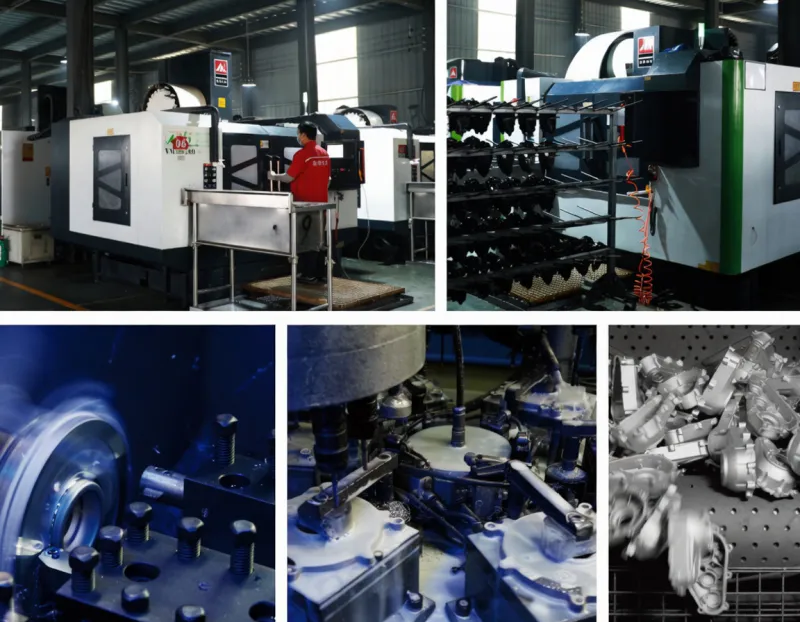
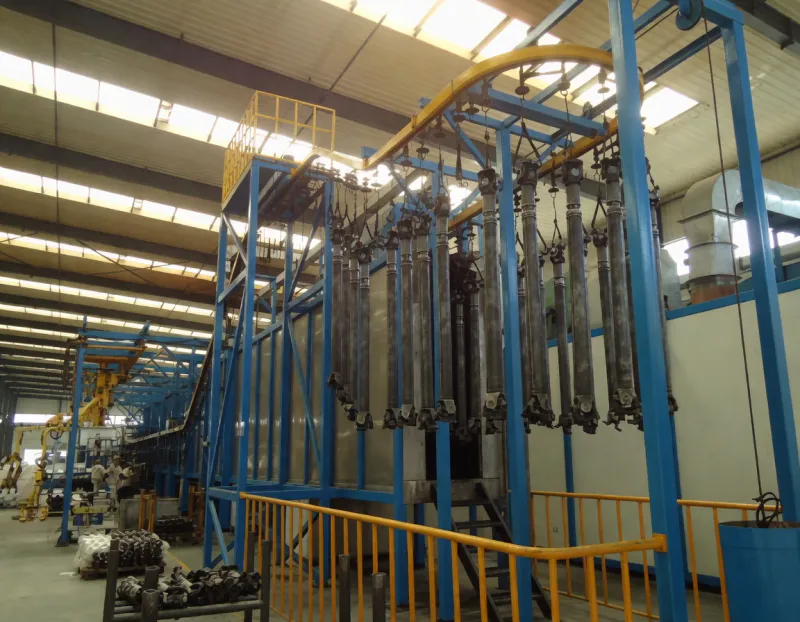
We are a dedicated automotive drivetrain components specialist with extensive experience supplying BRASIL VEHICLES Universal Joint products to the global aftermarket. Our team combines deep engineering knowledge of Brazilian and South American vehicle platforms with the quality management infrastructure required to consistently deliver parts that meet or exceed OEM dimensional and material specifications. Every EP-CZ Series joint leaves our facility with full traceability and dimensional verification, giving distributors and end-users in Colombia and across the continent the confidence that comes from transparent, documented quality.
Our supply relationships span the full automotive drivetrain spectrum — from brazil vehicle u-joint cross assemblies to driveshaft slip yokes, flanges, and centre bearing assemblies. This breadth means our customers can consolidate their sourcing and reduce the logistical complexity that comes with managing multiple part suppliers for a single drivetrain system. We back our products with technical support for part identification and fitment confirmation — a resource particularly valued by importers and mechanics working with unfamiliar Brazilian vehicle models entering regional markets for the first time.
车间
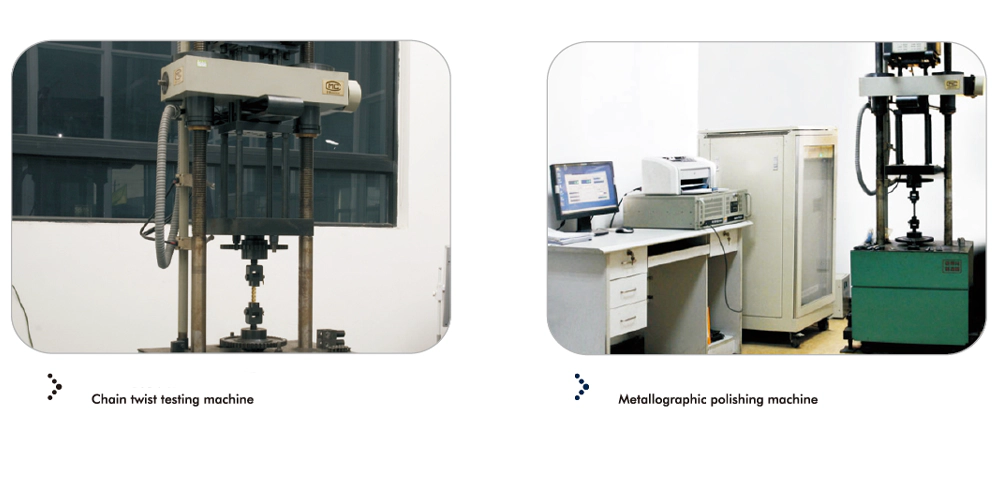
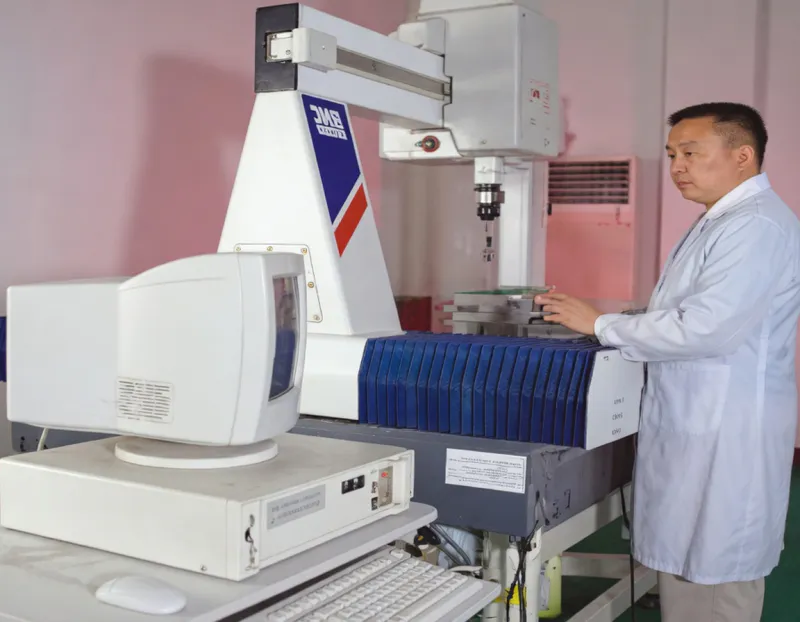
10. Related Products & System Compatibility
A drivetrain is only as reliable as its weakest link. The EP-CZ Series brasil vehicles universal joint performs best when paired with equally high-quality components throughout the driveshaft and wheel-end system. We offer a full range of compatible drivetrain parts to support one-stop procurement for fleet workshops and parts distributors.
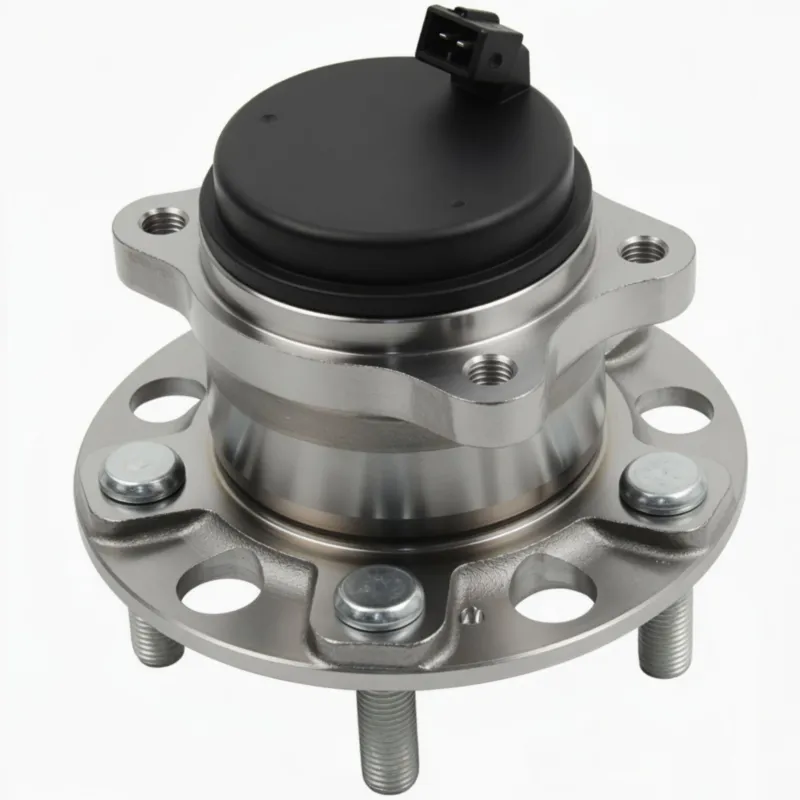
轮毂单元
Proper hub geometry and bearing preload directly influence the angular accuracy presented to the outboard universal joint in car applications. Our Wheel Hub range is engineered for compatibility with Brazilian vehicle platform bearing sizes and stud patterns, ensuring that u-joint and wheel-end components work together as a system rather than as a collection of unrelated parts.
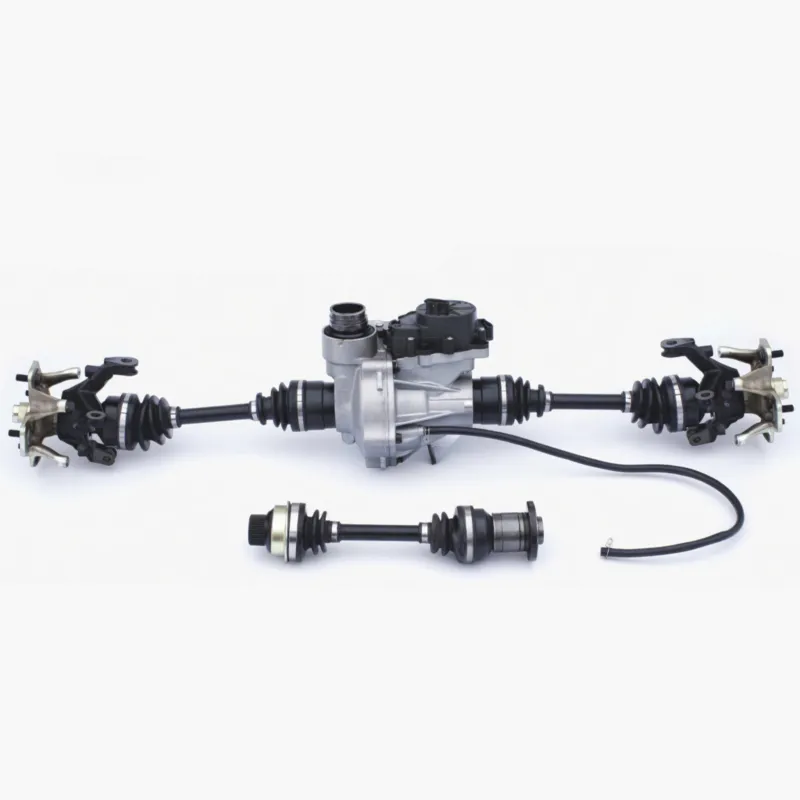
车轴
The rear axle shaft connects the differential side gear to the wheel hub, and on some Brazilian vehicle architectures it also incorporates an inner u-joint connection point. Our axle shaft range covers both fully-floating and semi-floating configurations common on Brazilian trucks and SUVs, and dimensions are coordinated with EP-CZ joint specifications for seamless assembly compatibility and one-stop supply.
常见问题解答
Q1. What exactly does a brasil vehicles universal joint do on a rear-wheel-drive car or truck?
A brasil vehicles universal joint transmits rotational torque between the transmission output shaft and the rear differential input shaft while accommodating the angular misalignment between these two components. Without it, a rigid shaft connection would crack or bind whenever the rear suspension moved, the engine torqued on its mounts, or the vehicle cornered. The u-joint’s cross-and-cup design allows continuous rotation through variable angles, making smooth power delivery possible across all driving conditions.
Q2. How do I know which EP-CZ Series part number fits my Brazilian vehicle in Colombia?
The best approach is to measure the existing joint’s bearing cup outside diameter (Ø*L for Figura-A types, or Ø*O for Figura-B) and the trunnion-to-trunnion dimension (“D” or “C” depending on figure type), then cross-reference against the EP-CZ dimensional tables. Alternatively, you can provide the original OEM part number — many Brazilian vehicle assemblers use standard industry references — and our technical team can confirm the correct CZ part number from the cross-reference data in the catalogue.
Q3. What are the early warning symptoms of a bad universal joint on a Brazilian truck operating in Colombia?
The first symptom most drivers notice is a clunking noise when engaging drive from a standstill or when transitioning between acceleration and engine braking. A squeaking sound from the driveshaft area — particularly when the vehicle is moving slowly — suggests the bearing cups have lost lubrication. At higher speeds, a u-joint with significant wear produces a perceptible vibration through the floor. Any of these symptoms warrants immediate inspection, as operating with a failing joint risks catastrophic driveshaft separation.
Q4. How long does a universal joint replacement typically take for a Brazilian vehicle at a Colombian workshop?
For a standard rear propshaft universal joint replacement on a typical Brazilian-platform rear-wheel-drive vehicle — sedan, light truck, or SUV — an experienced mechanic should complete the job in 45 minutes to 90 minutes including driveshaft removal, u-joint pressing, reassembly, and a short test drive to confirm vibration-free operation. The EP-CZ Series’ precise OEM-matched dimensions eliminate the fitting adjustments that would otherwise add time.
Q5. What is the difference between a Figura-A, Figura-B, Figura-F, and Figura-G brasil vehicles universal joint?
Figura-A is the standard four-round-bearing type defined by trunnion journal diameter (D) and bearing cup OD×length (Ø*L) — the most common configuration on Brazilian passenger and light commercial vehicles. Figura-B is a similar round-bearing design but defined by overall cup OD (Ø*O), typically smaller and used in compact platforms. Figura-F incorporates a shaft stub extending from the cross assembly (flange-shaft type), characterised by L1, L2, C, and E dimensions — used in trucks requiring an integrated yoke-shaft. Figura-G is defined by cross span (C), cup dimensions (Ø*L), ear span (E), and fitting specification (Ø*F), serving medium and heavy vehicles with specific grease fitting requirements.
Q6. Which universal joint types are available for Brazilian heavy trucks with grease nipple fittings versus sealed for life?
In the EP-CZ Series, Figura-G parts that carry an Ø*F specification (e.g., CZ-109: 10.4 mm, CZ-111: UNF 7/16″, CZ-113: 13.5 mm, CZ-178: UNF 3/8″) are greaseable types with provision for a nipple fitting that allows field re-lubrication over the service life of the joint. Parts where the Ø*F column shows “—” are sealed-for-life designs. For heavy truck and bus applications in Colombia, the greaseable versions are generally preferred where service intervals allow regular greasing, as this extends bearing life significantly under high-load continuous operation.
编辑:PXY