描述
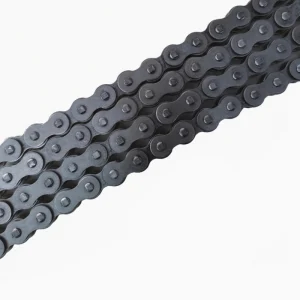
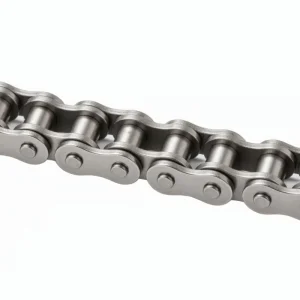
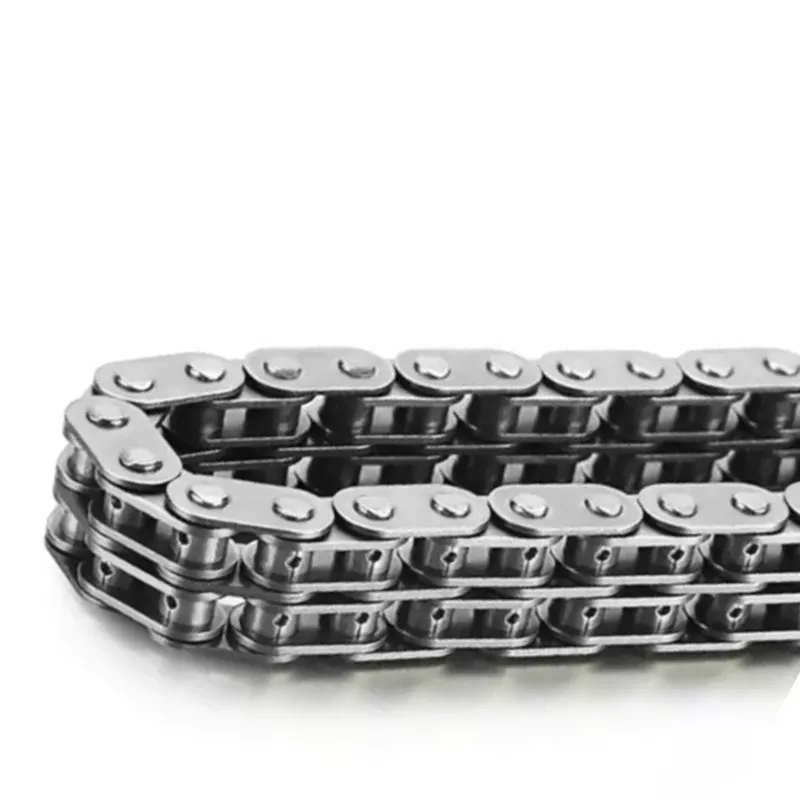
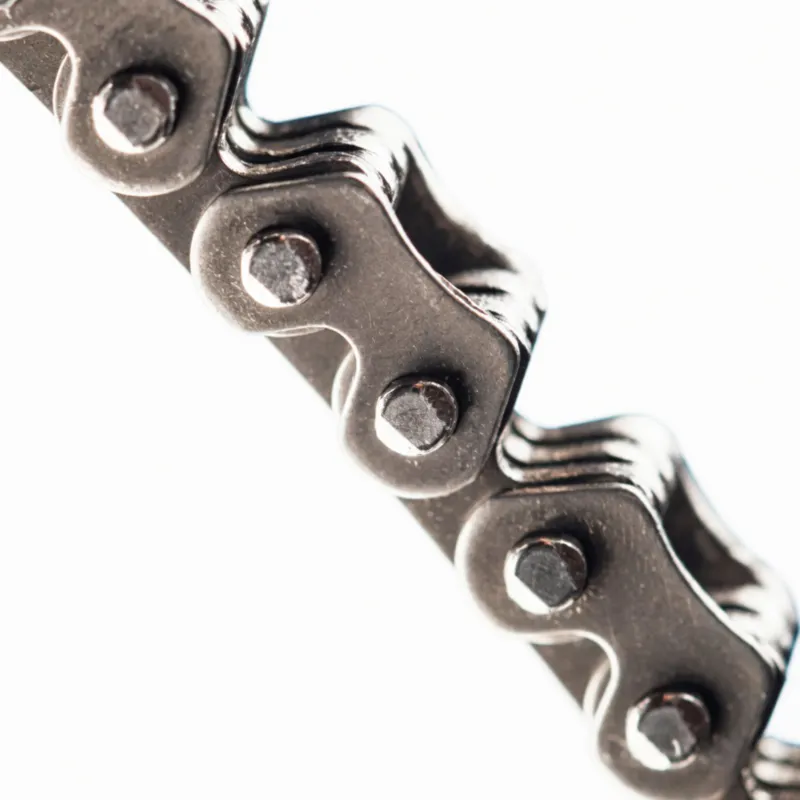
EP-汽车发动机正时滚子链
05E · 05BT · 06AT · 06BT · 06BT-2 · 06BTH-2 Series
Precision-engineered automobile roller chains designed specifically for engine timing systems, balance shaft drives, oil pump mechanisms, and fuel injection systems. Our EP series timing chains deliver exceptional strength, durability, and reliability in the most demanding automotive powertrain applications across Colombia and international markets.
1. Technical Specifications — Automobile Roller Chains for Engine Timing
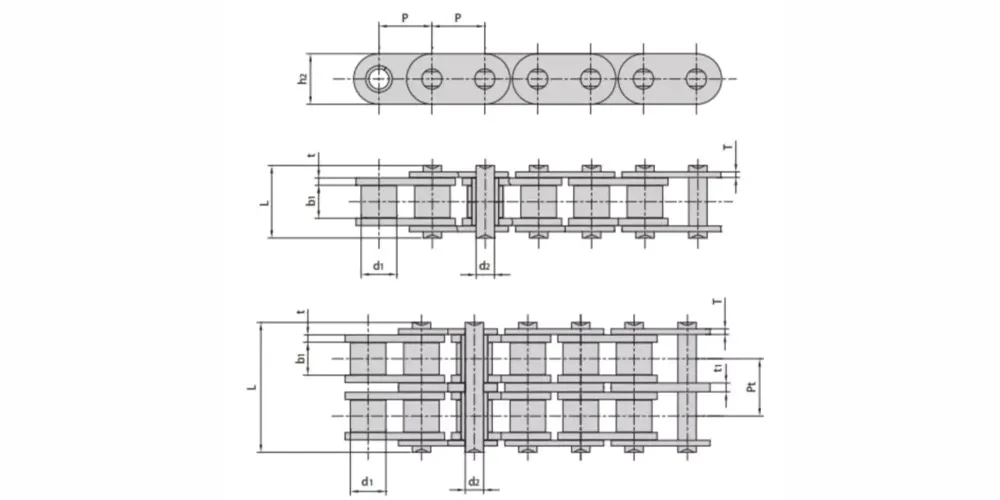
Complete dimensional and performance specifications for the EP Series Automobile Roller Chain. All measurements in millimeters unless otherwise noted.
| 链号 | 螺距 P(毫米) | Roller Dia. d₁ max (mm) | 宽度 b₁ min (mm) | Pin Dia. d₂ max (mm) | 引脚长度 L 最大值 (mm) | Inner Plate Depth h₂ max (mm) | Plate Thickness t/t₁ max (mm) | Transverse Pitch T max (mm) | Ultimate Tensile Strength (kN/lbf) | Weight per Meter (kg/m) |
|---|---|---|---|---|---|---|---|---|---|---|
| 05E | 8.000 | 5.65 | 4.60 | 3.05 | 12.3 | 7.65 | 1.3 / 1.04 | — | 7.0 / 1574 | 0.38 |
| 05BT | 8.000 | 5.65 | 4.60 | 3.05 | 12.3 | 7.65 | 1.3 / 1.20 | — | 8.5 / 1912 | 0.41 |
| 06AT | 9.525 | 6.35 | 3.94 | 3.28 | 10.5 | 8.20 | 1.3 / 1.04 | — | 8.9 / 2002 | 0.34 |
| 06BT | 9.525 | 6.35 | 5.72 | 3.28 | 12.5 | 8.20 | 1.3 / 1.04 | — | 9.0 / 2045 | 0.38 |
| 06BT-2 | 9.525 | 6.35 | 5.72 | 3.28 | 22.9 | 8.20 | 1.3 / 1.6 | 10.24 | 16.9 / 3802 | 0.67 |
| 06BTH-2 | 9.525 | 6.35 | 5.72 | 3.28 | 25.1 | 8.20 | 1.6 / 1.20 | 10.24 | 17.8 / 4045 | 0.84 |
Note: All dimensions conform to international roller chain standards. Ultimate tensile strength values represent minimum breaking load under controlled test conditions. Weight per meter calculated for standard chain without special coatings.
2. 五大产品优势
Unlike rubber timing belts that require replacement every 60,000-100,000 kilometers, automobile roller chains for engine timing are engineered for the life of the engine itself. The hardened steel construction resists stretching and wear far better than elastomeric materials, eliminating scheduled replacement intervals and dramatically reducing total cost of ownership for fleet operators and individual vehicle owners throughout Colombia’s diverse operating environments.
Each automobile roller chain in our EP Series Automobile Roller Chain delivers ultimate tensile strength ranging from 7.0 kN (05E) to 17.8 kN (06BTH-2) while maintaining remarkably low mass per meter — 0.34 kg/m to 0.84 kg/m depending on configuration. This exceptional strength-to-weight ratio minimizes rotational inertia in the timing system, allowing engines to rev more freely and respond more quickly to throttle inputs, which directly translates to improved fuel efficiency and throttle response in everyday driving conditions.
The roller diameter specifications for our timing chains are held to extremely tight tolerances: 5.65 mm for 05-series and 6.35 mm for 06-series configurations. This precision ensures smooth engagement with sprocket teeth throughout the chain’s service life, minimizing noise generation and preventing the premature wear patterns that occur when roller-to-tooth contact geometry deviates from design specifications. Precision manufacturing is particularly critical for bush roller chain designs where even 0.05 mm diameter variation can cause measurable increases in operating noise and vibration.
The EP series offers both single-strand (05E, 05BT, 06AT, 06BT) and duplex configurations (06BT-2, 06BTH-2) to match specific engine torque and displacement requirements. Duplex roller timing chains feature two parallel chain strands with increased transverse pitch dimensions (10.24 mm for 06BT-2 and 06BTH-2), effectively doubling load capacity while maintaining the same pitch length. This design flexibility allows engineers to specify the optimal chain configuration for applications ranging from compact four-cylinder engines to larger V6 and inline-six powertrains common in Colombian commercial vehicles.
All EP Series automobile roller chains are designed to work seamlessly with modern hydraulic automatic tensioners that maintain optimal chain tension throughout the engine’s service life. The consistent pitch accuracy and minimal elongation characteristics of steel roller chains enable reliable long-term operation with self-adjusting tensioning systems, eliminating the manual adjustment intervals required by older chain designs and ensuring that valve timing remains precise even as the engine accumulates hundreds of thousands of kilometers of operation.
3. How Engine Timing Chains Work
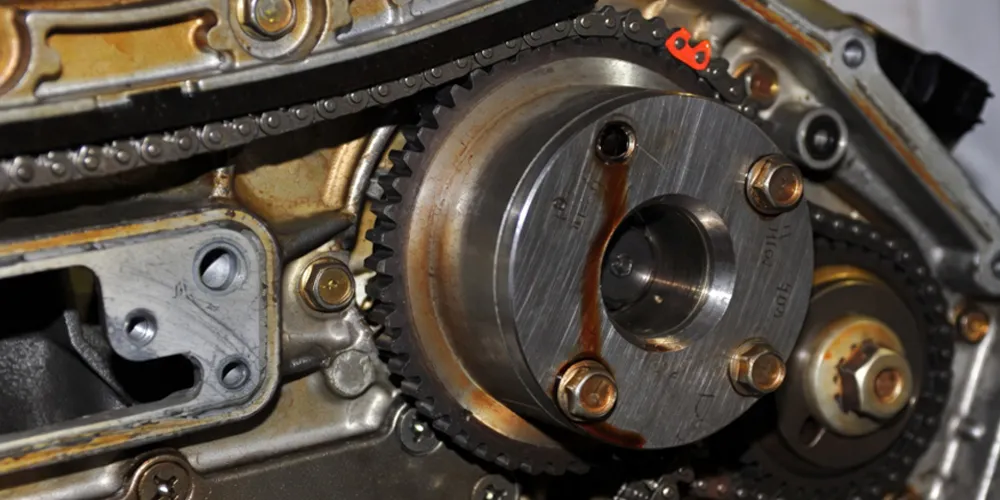
The fundamental operating principle of a roller timing chain within an automobile engine is elegantly simple yet mechanically sophisticated. The crankshaft, rotating at engine speed, drives a timing sprocket (typically 20-30 teeth depending on engine configuration) which engages with the precision rollers of the timing chain. This chain then transmits rotational motion to one or more camshaft sprockets, which are larger in diameter (typically 40-60 teeth) to achieve the required 2:1 speed reduction ratio mandated by four-stroke engine thermodynamics — the camshaft must rotate exactly once for every two crankshaft rotations to properly sequence intake, compression, power, and exhaust strokes.
Each link in the automobile roller chain consists of several precisely manufactured components working in concert: inner plates that carry the bushings, outer plates that carry the pins, cylindrical bushings that provide the articulation surface for chain flexibility, hardened pins that connect the outer plates and serve as the load-bearing pivots, and precision-ground rollers that ride on the bushings and engage with the sprocket teeth. As the chain articulates around each sprocket, the rollers contact the sprocket tooth faces and transmit driving force through pure rolling contact rather than sliding friction. This rolling contact mechanism — the defining characteristic of a roller chain versus a simpler bush chain — dramatically reduces friction losses and wear rates, which is why roller timing chains are universally preferred for engine timing applications where efficiency and longevity are paramount.
The pitch dimension (8.000 mm for 05-series, 9.525 mm for 06-series) determines the spacing between adjacent rollers and must match exactly with the sprocket tooth pitch to ensure proper meshing. When a roller enters the engagement zone at the sprocket’s pitch diameter, it must seat precisely into the valley between two sprocket teeth without interference. The roller diameter, width between inner plates, and pin diameter are all carefully coordinated to achieve this precise engagement geometry. For example, the 06BT configuration with 6.35 mm roller diameter and 5.72 mm inner plate width provides an optimal balance between load capacity and compact packaging that has made it the most popular choice for mid-size passenger car engines in the 1.6L to 2.5L displacement range.
One critical aspect of roller chain drive operation in engine timing systems is the management of tension variations. As the camshaft opens and closes valves against spring pressure, resistance torque fluctuates cyclically, creating alternating tight-side and slack-side tension conditions in the chain. Modern engines employ sophisticated hydraulic tensioners on the slack side of the chain to maintain consistent tension and prevent chain slap against the timing cover, while fixed guides on the tight side provide lateral support. The bush roller chain design inherently accommodates these dynamic tension variations through the articulation at each pin-bushing interface, allowing the chain to flex smoothly around the sprockets while maintaining precise pitch spacing and timing accuracy over millions of engine cycles.
4. Materials & Manufacturing Quality
The material selection and heat treatment processes employed in EP series automobile roller chains for engine timing directly determine their ability to withstand the extreme operating conditions within modern high-performance engines. Every component undergoes carefully controlled manufacturing steps to achieve the mechanical properties required for reliable long-term operation:
Manufactured from case-hardening alloy steel grades (SAE 8620 or equivalent) that undergo carburizing heat treatment to develop a hard, wear-resistant surface layer (58-62 HRC surface hardness) while maintaining a tough, ductile core (30-40 HRC) that resists shock loading and fatigue crack propagation. The precise pin diameter tolerance of +0.000/-0.008 mm ensures consistent press-fit retention in the outer plates throughout the chain’s service life.
Precision-ground from through-hardened carbon steel bar stock, then heat-treated to achieve uniform 50-55 HRC surface hardness. The cylindrical roller profile is ground to within ±0.013 mm diameter tolerance to ensure smooth engagement with sprocket teeth and minimize impact loading during meshing. Each roller is inspected for roundness and surface finish defects that could initiate premature wear or generate excessive operating noise.
Precision-blanked from high-carbon steel sheet (typically AISI 1050 or 1060 grade) using progressive stamping dies that maintain hole-to-hole pitch dimensions within ±0.05 mm across the entire plate length. Following blanking, plates undergo heat treatment (quenching and tempering) to develop 45-50 HRC hardness, providing the optimal balance between tensile strength and impact resistance needed to absorb cyclic loading from valve train dynamics without fracture or permanent deformation.
All chain components receive protective surface treatments to resist corrosion in the oil-contaminated, high-humidity environment inside engine timing covers. Standard treatment includes zinc phosphate coating followed by oil impregnation. During assembly, chains are pre-lubricated with engine oil-compatible grease at all articulation points. This factory lubrication provides critical protection during initial engine start-up before the engine’s lubrication system establishes oil pressure and continuous lubrication flow to the timing chain.
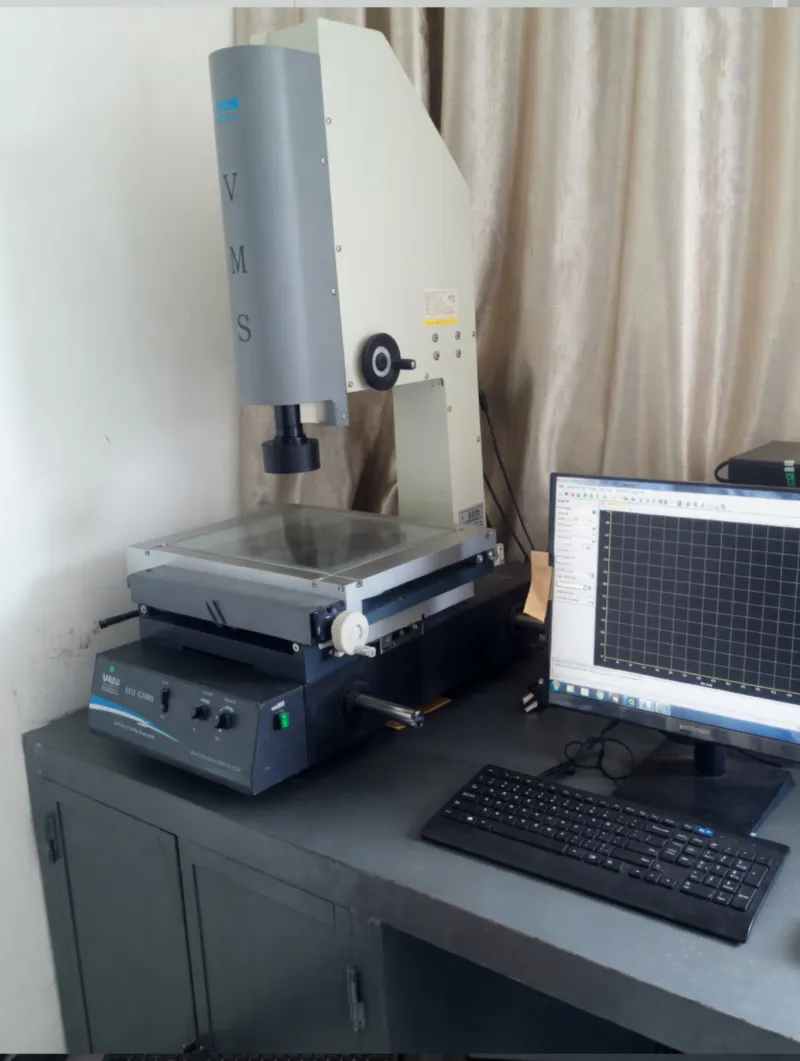
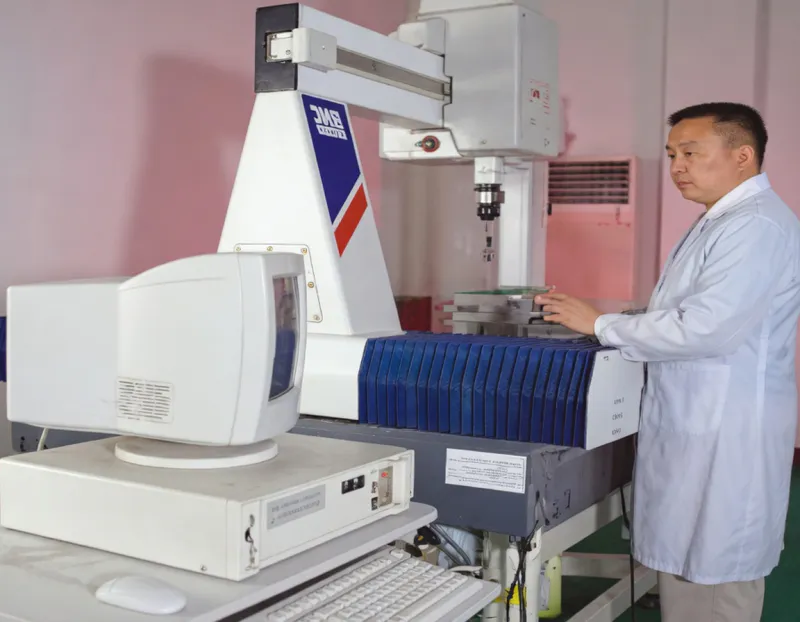
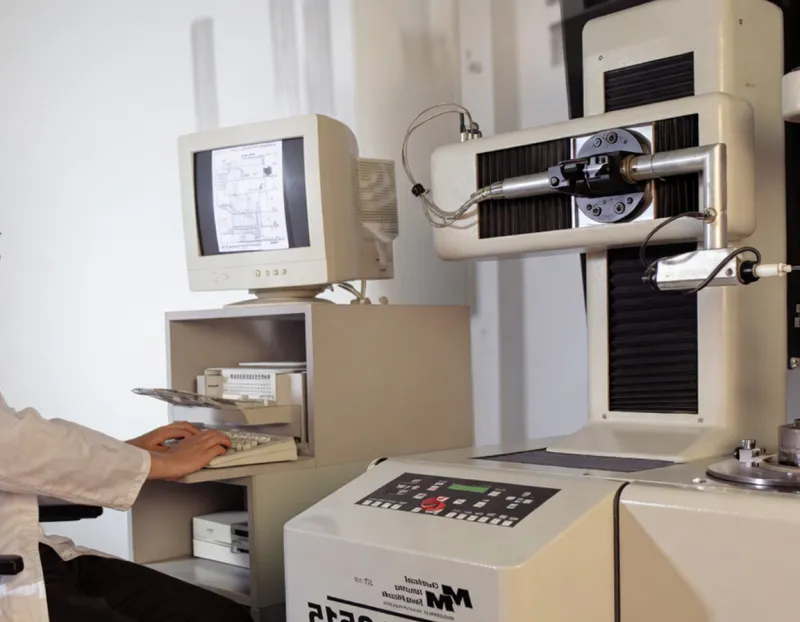
Every production batch undergoes dimensional verification on coordinate measuring machines, hardness testing on representative samples, and destructive tensile testing to verify ultimate tensile strength exceeds specified minimums. Sample chains from each lot are subjected to accelerated fatigue testing on dedicated test rigs that simulate millions of engine cycles to validate fatigue life performance. These comprehensive quality control protocols ensure that every automobile roller chain shipped meets or exceeds OEM specifications for timing system applications.
5. Application Scenarios of Automobile Roller Chain
EP series automobile roller chains for engine timing serve critical functions across multiple powertrain subsystems in both gasoline and diesel engines. The following applications represent the primary deployment scenarios in Colombia’s automotive sector:
The primary application for roller timing chains is synchronizing crankshaft and camshaft rotation in four-stroke engines. In Colombia’s popular passenger vehicle platforms — including Toyota, Chevrolet, and Renault models that dominate the market — single-strand 06BT chains typically drive DOHC configurations in 1.6L-2.0L engines, while duplex 06BT-2 chains serve larger 2.5L-3.5L V6 powertrains common in SUVs and pickup trucks used throughout the country’s agricultural and construction sectors.
Modern four-cylinder engines incorporate contra-rotating balance shafts to cancel secondary vibration harmonics inherent in inline-four configurations. These balance shafts typically rotate at twice crankshaft speed, driven by a dedicated roller chain separate from the main timing chain. The compact 05E and 05BT automobile roller chains are ideal for this application due to their lightweight construction and low rotational inertia, which minimizes parasitic power losses in the balance shaft drive system.
High-pressure oil pumps in modern engines — particularly variable-displacement designs — require reliable mechanical drive from the crankshaft. Roller chains provide a compact, efficient drive solution that operates continuously at crankshaft speed within the oil-wetted environment of the engine’s lubrication system. The 05BT and 06AT chains are commonly specified for oil pump drive applications where space constraints and the need for lifetime durability make them preferable to gear drives or belt drives.
Common-rail diesel engines — prevalent in Colombia’s commercial truck and bus fleets — employ high-pressure fuel injection pumps that must maintain precise timing synchronization with crankshaft position. The extreme pressures generated by these pumps (2,000+ bar) create substantial cyclic loading on the drive chain. Heavy-duty 06BT and 06BTH-2 configurations provide the strength and wear resistance required for these demanding applications, operating reliably over 500,000+ kilometer service intervals typical of commercial diesel powertrains.
Advanced engines with continuously variable valve timing systems often incorporate secondary chain drives within the cylinder head to connect the VVT actuator to the exhaust camshaft. These compact drive systems require the smallest automobile roller chain sizes (05E, 05BT) to fit within the limited space envelope of modern cylinder head designs. The precision timing and low-noise operation of roller chains make them particularly well-suited for VVT applications where timing accuracy directly impacts engine emissions and fuel economy performance.
The Colombian automotive aftermarket represents a substantial portion of roller timing chain demand, as vehicle owners and repair shops replace worn or damaged chains during engine overhaul procedures. The EP series provides OEM-equivalent quality at competitive pricing for repair facilities servicing the diverse vehicle population operating throughout Colombia — from high-mileage taxi fleets in urban centers to heavy-duty commercial vehicles operating in the demanding conditions of inter-city cargo transport and agricultural service in rural regions.
6. 法规遵从性和行业标准
Automobile roller chains for engine timing applications must conform to rigorous quality, safety, and performance standards established by automotive industry organizations and national regulatory authorities. The following framework applies to the Colombian market and key export destinations:
Automotive components sold in Colombia for original equipment or aftermarket applications must comply with Resolution 3500 of 2005 and subsequent updates governing automotive parts quality and safety. While timing chains themselves are not individually certified, they must be manufactured to standards that support vehicle manufacturers’ compliance with Colombian vehicular technical regulations (RTAs) covering emissions, safety, and durability requirements for vehicles operated within Colombian jurisdiction.
EP series chains are manufactured under ISO 9001:2015 certified quality management systems that ensure consistent product quality through documented manufacturing procedures, statistical process control, and comprehensive product testing protocols. This certification demonstrates our commitment to delivering automobile roller chains that meet customer specifications and regulatory requirements consistently across all production batches, which is particularly important for aftermarket distributors serving Colombia’s diverse vehicle population.
For supply to original equipment manufacturers (OEMs) operating in Colombia and throughout Latin America, timing chain production facilities maintain IATF 16949:2016 certification — the automotive industry-specific quality management standard that supplements ISO 9001 with requirements for continuous improvement, defect prevention, and supply chain management specific to automotive component manufacturing.
EP series chains comply with EU Directive 2011/65/EU (RoHS — Restriction of Hazardous Substances) and REACH regulation EC 1907/2006 governing chemical substances. While Colombia does not directly enforce EU regulations, many vehicles and components sold in Colombia are manufactured to EU specifications, making RoHS and REACH compliance commercially advantageous for components integrated into internationally-traded vehicles and agricultural machinery common throughout Colombia’s export-oriented agricultural sector.
All pitch, roller diameter, width, and strength specifications conform to international roller chain standards ISO 606 (Short Pitch Transmission Precision Roller and Bush Chains) and DIN 8187 (Roller Chains), ensuring dimensional interchangeability with timing sprockets and engine components manufactured worldwide. This standardization is critical for aftermarket applications where chains must reliably fit engines produced by multiple OEMs operating in Colombia’s diverse automotive market.
7. 关于我们
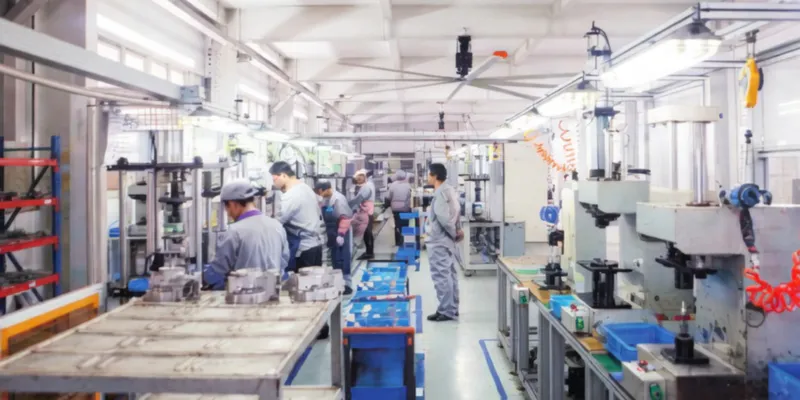
We are a specialized manufacturer of precision roller chains serving the global automotive and industrial power transmission markets. Our manufacturing facilities employ advanced progressive stamping, heat treatment, and automated assembly systems to produce automobile roller chains that meet the exacting dimensional tolerances and mechanical property requirements demanded by modern engine timing applications.
Operating under ISO 9001:2015 and IATF 16949:2016 certified quality systems, we implement comprehensive incoming material inspection, in-process statistical process control, and finished product testing protocols to ensure that every automobile roller chain we ship delivers the reliability and performance our customers expect.
车间
8. Related Products
Our chain drive system expertise extends beyond timing chains to include complementary drivetrain components. Complete your powertrain solution with our precision sprockets and gears designed for optimal compatibility with EP series chains.
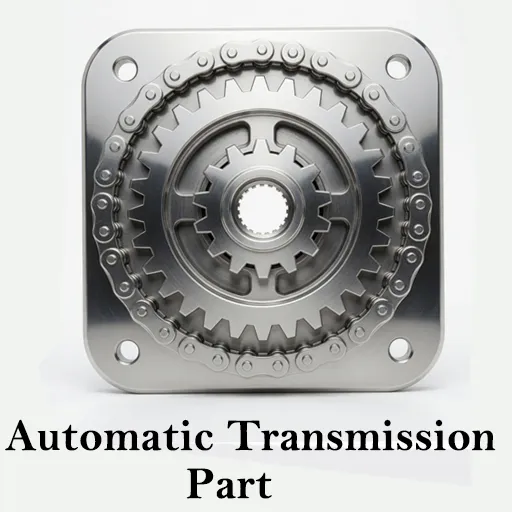
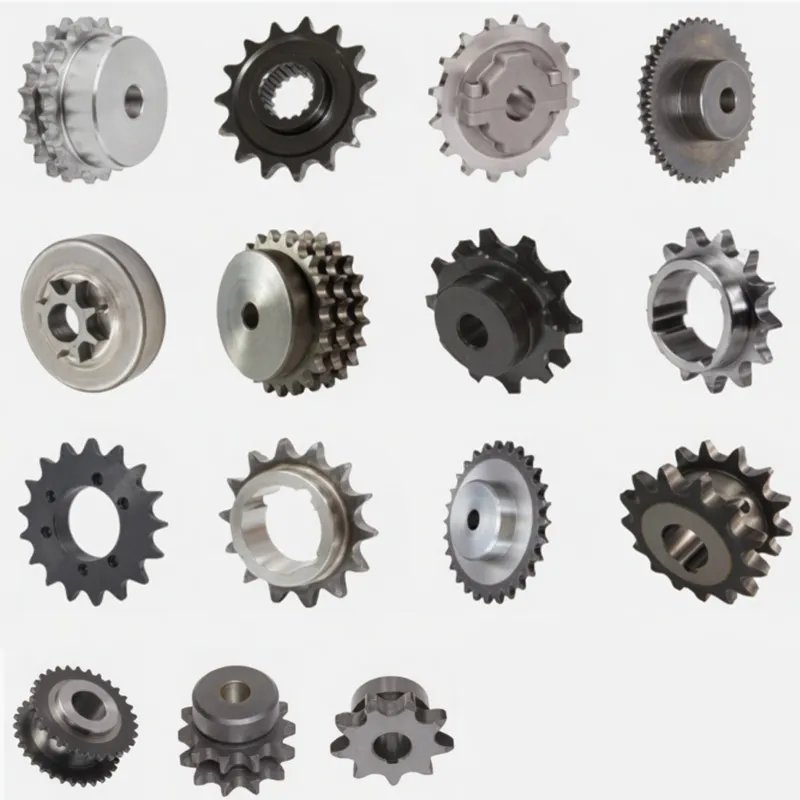
Precision-machined timing sprockets engineered specifically for use with our automobile roller chains ensure optimal tooth engagement geometry and load distribution. Our sprocket product line includes crankshaft, camshaft, and intermediate shaft sprockets matching all EP Series Automobile Roller Chain specifications. Manufactured from case-hardened alloy steel with induction-hardened tooth surfaces, these sprockets deliver wear life matching or exceeding the timing chains they drive.
常见问题解答
编辑:PXY