Сипаттама
EP European Standard Series Cast Iron Sprockets — DIN 8187 / ISO/R 606
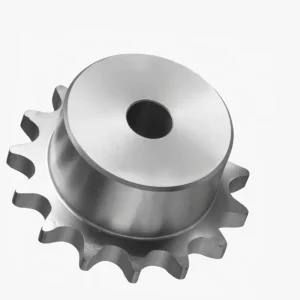
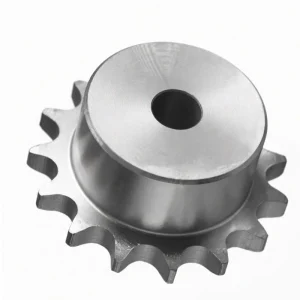
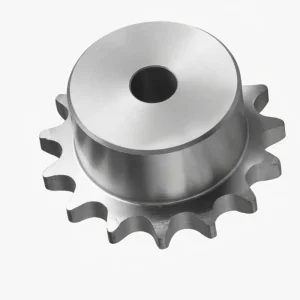
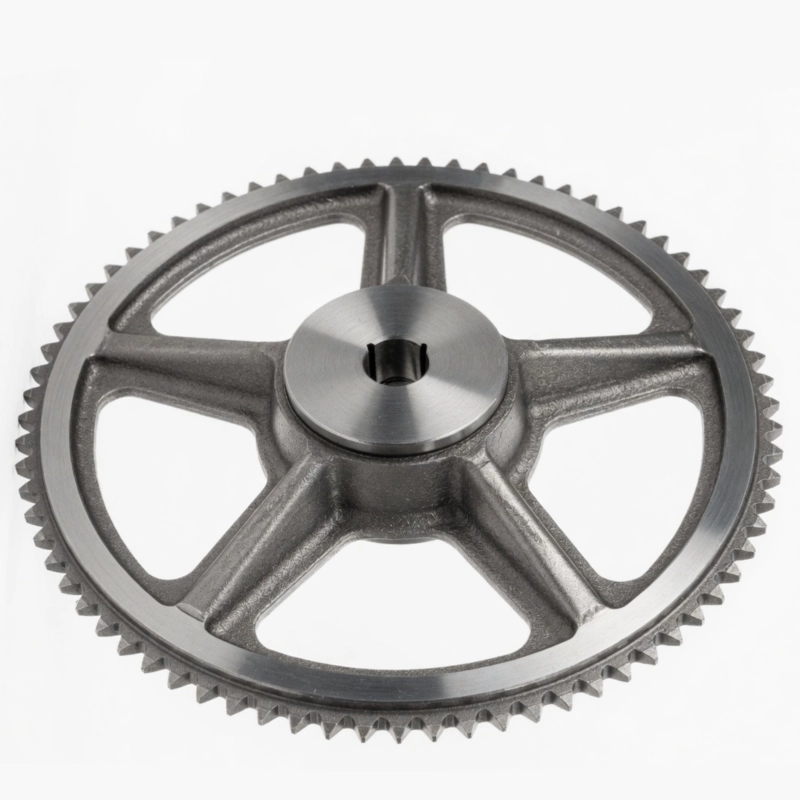
Our EP-series Cast Iron Sprockets conforming to the European Standard are precision-manufactured transmission components designed for use with roller chains meeting DIN 8187 and ISO/R 606 specifications. Produced from high-grade grey cast iron (GG22–GG25), these European Standard Cast Iron Sprockets combine reliable wear resistance with the dimensional consistency demanded by industrial chain drive systems across every sector — from manufacturing and mining to agricultural equipment and port logistics. Available in seven pitch series spanning 06B through 24B, and in Simplex, Duplex, and Triplex strand configurations, the cast iron sprocket range covers a broad spectrum of power transmission requirements without compromising on quality or interchangeability.
Each cast iron sprocket in this series is dimensioned strictly to the ISO/R 606 tooth profile standard, ensuring accurate engagement with the chain rollers and uniform load distribution across the tooth flank. The stock bore design accommodates a wide range of shaft diameters and can be machined to final bore and keyway dimensions at the point of installation.
1. Technical Specifications — Cast Iron Sprockets European Standard Series
All dimensional data below is for European Standard Cast Iron Sprockets conforming to DIN 8187 and ISO/R 606. Material: GG22–GG25 Grey Cast Iron. All dimensions in millimetres (mm). de = tip diameter; dp = pitch circle diameter; dm = hub bore; D₁/D₂/D₃ = hub outer diameter for Simplex/Duplex/Triplex; A = hub length; Z = number of teeth.
| Series | Pitch Size | Tooth r₃ (mm) | Chain Pitch (mm) | Int. Width (mm) | Roller Φ (mm) | Z Range |
|---|---|---|---|---|---|---|
| 06B-1-2-3 | 3/8″ × 7/32″ | 10 | 9.525 | 5.72 | 6.35 | 38–150 |
| 08B-1-2-3 | 1/2″ × 5/16″ | 13 | 12.7 | 7.75 | 8.51 | 38–114 |
| 10B-1-2-3 | 5/8″ × 3/8″ | 16 | 15.875 | 9.65 | 10.16 | 38–114 |
| 12B-1-2-3 | 3/4″ × 7/16″ | 19 | 19.05 | 11.68 | 12.07 | 38–114 |
| 16B-1-2-3 | 1″ × 17.02 mm | 26 | 25.4 | 17.02 | 15.88 | 30–114 |
| 20B-1-2-3 | 1¼″ × 3/4″ | 32 | 31.75 | 19.56 | 19.05 | 30–76 |
| 24B-1-2-3 | 1½″ × 1″ | 38 | 38.1 | 25.4 | 25.4 | 30–76 |
06B-1-2-3 — SPROCKETS 3/8″ × 7/32″ | DIN 8187 / ISO/R 606
Sprocket parameters: Tooth width B₁=5.3 mm, b₁=5.2 mm, B₂=15.4 mm, B₃=25.6 mm, Radius width C=1 mm
| Z | de (mm) | dp (mm) | SIMPLEX | DUPLEX | TRIPLEX | ||||||
|---|---|---|---|---|---|---|---|---|---|---|---|
| dm | D₁ | А | dm | D₂ | А | dm | D₃ | А | |||
| 38 | 119.5 | 115.35 | 70 | 20 | 32 | 80 | 20 | 40 | 90 | 24 | 56 |
| 45 | 140.7 | 136.55 | 70 | 20 | 32 | 80 | 20 | 40 | 90 | 24 | 56 |
| 57 | 176.9 | 172.91 | 70 | 20 | 32 | 80 | 20 | 40 | 90 | 24 | 56 |
| 76 | 234.9 | 230.49 | 70 | 20 | 32 | 80 | 20 | 40 | 100 | 24 | 56 |
| 95 | 292.5 | 288.08 | 80 | 20 | 40 | 90 | 20 | 45 | 100 | 24 | 56 |
| 114 | 349.6 | 345.68 | 80 | 20 | 40 | 95 | 20 | 45 | 100 | 24 | 56 |
| 150 | 459.2 | 454.82 | 90 | 24 | 45 | 100 | 24 | 50 | 125 | 24 | 60 |
08B-1-2-3 — SPROCKETS 1/2″ × 5/16″ | DIN 8187 / ISO/R 606
B₁=7.2 mm, b₁=7 mm, B₂=21 mm, B₃=34.9 mm, C=1.3 mm
| Z | de (mm) | dp (mm) | SIMPLEX | DUPLEX | TRIPLEX | ||||||
|---|---|---|---|---|---|---|---|---|---|---|---|
| dm | D₁ | А | dm | D₂ | А | dm | D₃ | А | |||
| 38 | 158.6 | 153.80 | 70 | 20 | 40 | 90 | 24 | 50 | 100 | 24 | 60 |
| 45 | 188.0 | 182.07 | 70 | 20 | 40 | 90 | 24 | 50 | 100 | 24 | 60 |
| 57 | 236.4 | 230.54 | 70 | 20 | 40 | 90 | 24 | 50 | 100 | 24 | 60 |
| 76 | 313.3 | 307.33 | 80 | 24 | 40 | 100 | 24 | 56 | 100 | 24 | 60 |
| 95 | 390.1 | 384.11 | 80 | 24 | 45 | 100 | 24 | 56 | 120 | 24 | 67 |
| 114 | 466.9 | 460.90 | 80 | 24 | 45 | 100 | 24 | 63 | 120 | 24 | 67 |
10B-1-2-3 — SPROCKETS 5/8″ × 3/8″ | DIN 8187 / ISO/R 606
B₁=9.1 mm, b₁=9 mm, B₂=25.5 mm, B₃=42.1 mm, C=1.6 mm
| Z | de (mm) | dp (mm) | SIMPLEX | DUPLEX | TRIPLEX | ||||||
|---|---|---|---|---|---|---|---|---|---|---|---|
| dm | D₁ | А | dm | D₂ | А | dm | D₃ | А | |||
| 38 | 199.2 | 192.24 | 80 | 20 | 40 | 100 | 30 | 50 | 100 | 32 | 60 |
| 45 | 235.0 | 227.58 | 80 | 20 | 40 | 100 | 30 | 50 | 100 | 32 | 60 |
| 57 | 296.0 | 288.18 | 90 | 24 | 45 | 100 | 30 | 56 | 100 | 32 | 63 |
| 76 | 392.1 | 384.16 | 90 | 24 | 50 | 100 | 30 | 63 | 110 | 35 | 67 |
| 95 | 488.5 | 480.14 | 100 | 24 | 56 | 110 | 30 | 63 | 125 | 35 | 70 |
| 114 | 584.1 | 576.13 | 100 | 24 | 56 | 125 | 30 | 70 | 125 | 35 | 80 |
12B-1-2-3 — SPROCKETS 3/4″ × 7/16″ | DIN 8187 / ISO/R 606
B₁=11.1 mm, b₁=10.8 mm, B₂=30.3 mm, B₃=49.8 mm, C=2 mm
| Z | de (mm) | dp (mm) | SIMPLEX | DUPLEX | TRIPLEX | ||||||
|---|---|---|---|---|---|---|---|---|---|---|---|
| dm | D₁ | А | dm | D₂ | А | dm | D₃ | А | |||
| 38 | 239.0 | 230.69 | 100 | 24 | 56 | 110 | 30 | 63 | 140 | 30 | 70 |
| 45 | 282.5 | 273.10 | 100 | 24 | 56 | 110 | 30 | 63 | 140 | 30 | 70 |
| 57 | 354.0 | 345.81 | 100 | 30 | 56 | 120 | 30 | 63 | 140 | 40 | 70 |
| 76 | 469.9 | 460.99 | 100 | 30 | 56 | 135 | 30 | 63 | 160 | 40 | 75 |
| 95 | 585.1 | 576.17 | 100 | 30 | 65 | 135 | 30 | 70 | 170 | 40 | 82 |
| 114 | 700.6 | 691.36 | 100 | 30 | 65 | 135 | 30 | 70 | 170 | 50 | 82 |
16B-1-2-3 — SPROCKETS 1″ × 17.02 mm | DIN 8187 / ISO/R 606
B₁=16.2 mm, b₁=15.8 mm, B₂=47.7 mm, B₃=79.6 mm, C=2.5 mm
| Z | de (mm) | dp (mm) | SIMPLEX | DUPLEX | TRIPLEX | ||||||
|---|---|---|---|---|---|---|---|---|---|---|---|
| dm | D₁ | А | dm | D₂ | А | dm | D₃ | А | |||
| 30 | 254.0 | 243.00 | 110 | 30 | 65 | 125 | 40 | 75 | 145 | 40 | 90 |
| 38 | 320.0 | 307.59 | 110 | 30 | 65 | 140 | 40 | 75 | 160 | 45 | 100 |
| 45 | 377.0 | 364.13 | 125 | 30 | 70 | 150 | 40 | 75 | 160 | 45 | 100 |
| 57 | 474.0 | 461.08 | 125 | 35 | 70 | 170 | 40 | 90 | 165 | 45 | 100 |
| 76 | 627.0 | 614.65 | 140 | 35 | 80 | 175 | 40 | 95 | 200 | 45 | 110 |
| 95 | 781.0 | 768.22 | 140 | 40 | 80 | 175 | 45 | 95 | 200 | 50 | 110 |
| 114 | 933.0 | 921.81 | 140 | 40 | 80 | 175 | 45 | 95 | 200 | 50 | 115 |
20B-1-2-3 — SPROCKETS 1¼″ × 3/4″ | DIN 8187 / ISO/R 606
B₁=18.5 mm, b₁=18.2 mm, B₂=54.6 mm, B₃=91 mm, C=3.5 mm
| Z | de (mm) | dp (mm) | SIMPLEX | DUPLEX | TRIPLEX | ||||||
|---|---|---|---|---|---|---|---|---|---|---|---|
| dm | D₁ | А | dm | D₂ | А | dm | D₃ | А | |||
| 30 | 318.9 | 303.75 | 115 | 35 | 70 | 130 | 40 | 80 | 160 | 50 | 100 |
| 38 | 399.6 | 384.49 | 125 | 35 | 70 | 140 | 45 | 90 | 180 | 56 | 110 |
| 45 | 470.3 | 455.17 | 125 | 35 | 70 | 140 | 45 | 90 | 180 | 56 | 110 |
| 57 | 591.5 | 576.36 | 135 | 40 | 80 | 160 | 50 | 100 | 180 | 60 | 125 |
| 76 | 783.5 | 768.32 | 140 | 40 | 90 | 180 | 50 | 100 | 200 | 60 | 140 |
24B-1-2-3 — SPROCKETS 1½″ × 1″ | DIN 8187 / ISO/R 606
B₁=24.1 mm, b₁=23.6 mm, B₂=72 mm, B₃=120.3 mm, C=4 mm
| Z | de (mm) | dp (mm) | SIMPLEX | DUPLEX | TRIPLEX | ||||||
|---|---|---|---|---|---|---|---|---|---|---|---|
| dm | D₁ | А | dm | D₂ | А | dm | D₃ | А | |||
| 30 | 379.5 | 364.50 | 130 | 40 | 85 | 160 | 40 | 95 | 180 | 60 | 150 |
| 38 | 476.2 | 461.39 | 140 | 45 | 90 | 180 | 45 | 100 | 200 | 60 | 150 |
| 45 | 561.2 | 546.20 | 140 | 45 | 90 | 180 | 45 | 100 | 200 | 60 | 150 |
| 57 | 706.5 | 691.63 | 160 | 45 | 100 | 200 | 55 | 110 | 200 | 70 | 150 |
| 76 | 936.9 | 921.98 | 170 | 45 | 100 | 220 | 55 | 120 | 250 | 70 | 150 |

2. Five Key Advantages of EP European Standard Cast Iron Sprockets
Selecting the right cast iron sprockets for a chain drive application involves evaluating not only dimensional fit but also material quality, configuration range, standard compliance, and long-term reliability. The following five advantages explain what distinguishes the EP European Standard Series — from mechanical engineers specifying new machinery in Bogotá to maintenance teams replacing components on Colombia’s agricultural and mining equipment fleets.
① Grey Cast Iron GG22–GG25 Material — Optimised for Wear and Damping
The use of grey cast iron grades GG22 and GG25 (equivalent to EN-GJL-220 and EN-GJL-250 respectively) is a deliberate engineering choice for cast iron sprockets used in moderate-speed, high-shock industrial applications. Grey cast iron’s graphitic microstructure provides inherent vibration damping — a significant advantage in chain drives that operate with cyclic loading and periodic chain engagement impacts. The material’s hardness profile supports good tooth face wear resistance while remaining easily machinable, allowing bore and keyway finishing without risk of cracking during machining operations. For applications where noise and vibration reduction are as important as load capacity — such as packaging machinery, conveyor drives, and agricultural equipment drivelines — the damping characteristics of these European Standard Cast Iron Sprockets provide a measurable operational benefit over steel-only alternatives at comparable cost.
② Full DIN 8187 and ISO/R 606 Compliance Across Seven Pitch Series
Әр cast iron sprocket in the EP European Standard Series is manufactured to the tooth profile and dimensional requirements of DIN 8187 and ISO/R 606. This compliance ensures direct chain-to-sprocket engagement compatibility with any DIN 8187-standard roller chain of the corresponding pitch series — regardless of the chain manufacturer. For procurement managers and maintenance engineers working with mixed-supplier equipment fleets in Colombia, this interchangeability greatly simplifies the parts sourcing process: any 06B, 08B, 10B, 12B, 16B, 20B, or 24B cast iron sprocket from this EP series can be confirmed as dimensionally compatible with the corresponding DIN 8187 chain without requiring individual fitment trials. This catalogue-level certainty reduces procurement lead time and minimises the risk of costly incorrect fitment in the field.
③ Simplex, Duplex, and Triplex Configurations in One Product Family
A single EP product family delivers cast iron sprockets in Simplex (single-strand), Duplex (double-strand), and Triplex (triple-strand) configurations across all seven pitch series. This means that a designer specifying a chain drive system — whether a light-duty Simplex layout or a high-torque Triplex arrangement requiring three parallel chain strands — can source all sprocket components from a single, consistent product range. For distributors serving Colombia’s industrial aftermarket, stocking the EP European Standard Cast Iron Sprockets range provides comprehensive coverage of the most common European Standard sprocket Simplex Cast iron chain and multi-strand applications without maintaining separate product lines. The dimensional data for all three configurations is provided in the specification tables below, enabling rapid selection and verification.
④ Wide Tooth Count (Z) Range for Precise Transmission Ratio Control
EP Еуропалық стандартты сериялы шойын жұлдызшалар are available with tooth counts ranging from Z=30 in larger pitch series up to Z=150 in the 06B series, covering the full spectrum of practical gear ratios achievable in roller chain drives. A wider range of available tooth counts allows the designer to achieve closer approximations to the desired drive ratio without resorting to compound drive arrangements. In conveyor and process machinery applications where speed accuracy directly affects product quality — such as food processing lines and textile machinery operating in Colombia’s manufacturing zones — the availability of the right tooth count in a stock-bore industrial cast iron sprocket reduces lead time and design iteration time significantly.
⑤ Stock Bore Design for Flexible On-Site Shaft Fitting
All cast iron sprockets in this series are supplied in stock bore (as-cast bore) condition, with the hub bore pre-machined to a standard diameter that can be enlarged and keyway-cut at the workshop to match the specific shaft diameter on which the sprocket will be installed. This stock bore approach is standard practice for European Standard Sprockets with Cast Iron and offers practical flexibility: the same sprocket can be fitted to different shaft sizes by different end users without requiring custom-ordered bore sizes. For distributors in Colombia supplying multiple equipment sectors — from mining to agri-food processing — this eliminates the need to hold separate bore-specific inventory lines, simplifying stocking logistics while still delivering ready-to-install components to the end user.
3. How Cast Iron Sprockets Work in a Chain Drive System
А cast iron sprocket operates as the toothed driving or driven wheel in a roller chain transmission. The teeth of the sprocket are precisely profiled to engage sequentially with the rollers or bushings of the chain as the drive rotates. When the driving sprocket turns, each tooth lifts the approaching chain link out of the approaching path, accelerates it into the tooth form, and then releases it smoothly as the link exits the tooth engagement zone. This sequential engagement and disengagement repeats with every tooth for every revolution, and the resulting torque transmission can be both positive (no slip) and highly efficient — typically 97–99% mechanical efficiency in well-maintained roller chain drives. The ISO/R 606 tooth profile used in these European Standard Cast Iron Sprockets is specifically designed to minimise the impact velocity when each roller engages a tooth, directly reducing tooth and chain wear. Well-specified cast iron sprockets operating within their rated load range will typically outlast two to three chain replacements before tooth profile wear necessitates sprocket renewal.
In a Simplex drive, a single chain strand engages one row of teeth across the sprocket face. Duplex and Triplex configurations use two or three parallel chain strands engaging corresponding rows of teeth machined into the wider sprocket hub. The hub dimensions D1, D2, and D3 tabulated in the specification section reflect the increasing hub diameter needed to accommodate the additional strand widths — B₂ for Duplex and B₃ for Triplex chains. The overall hub length (dimension A) similarly increases with strand count. Understanding these dimensional relationships allows engineers to correctly specify the sprocket for the available hub space on the shaft, avoiding interference with adjacent components or support bearings. When designing a chain drive using these cast iron sprockets, the pitch diameter (dp) is the critical engagement dimension, as it determines the chain velocity and drive ratio in combination with the tooth count.
Proper sprocket alignment and adequate chain tension are the two most important installation factors for ensuring long service life of cast iron sprockets. A misaligned heavy-duty cast iron sprocket drives the chain sideways across the tooth width, causing accelerated tooth flank wear and premature chain link wear. Correct tension keeps the slack strand of the chain from sagging sufficiently to cause rollers to skip or jump teeth, particularly at low speed under high torque loading. Periodic inspection of tooth wear — specifically monitoring for the classic “hooked” wear profile on the leading tooth flank of cast iron sprockets — and chain elongation measurement are the routine maintenance tasks that extend drive service life most effectively. For cast iron sprocket applications in Colombia’s industrial facilities and construction sites, where dust and moisture are common environmental factors, regular lubrication of the chain drive and post-inspection sprocket replacements are the practical foundation of a reliable preventive maintenance program.
4. Material — Grey Cast Iron GG22–GG25
EP European Standard Cast Iron Sprockets are produced from grey cast iron conforming to GG22 and GG25 grades, equivalent to EN-GJL-220 and EN-GJL-250 under current European standard designation. Grey cast iron is the material of choice for these cast iron sprockets because of a combination of properties that are difficult to replicate in steel-only alternatives at the same cost: inherent vibration and noise damping, good compressive strength, excellent machinability for bore and keyway finishing, and reasonable wear resistance at moderate surface pressures. These properties collectively make grey cast iron ideally suited for cast iron sprocket applications in the low-to-moderate speed range that represents the majority of industrial conveyor, elevator, and process machinery installations.
GG22 (minimum tensile strength 220 MPa) is appropriate for light- to medium-duty cast iron sprocket applications where static and dynamic loads are moderate. GG25 (minimum tensile strength 250 MPa) is used in applications requiring higher tooth load capacity and greater resistance to surface fatigue — such as larger pitch series (16B through 24B) with heavier chain loads, or slow-speed, high-torque drives in mining conveyor systems and heavy process equipment. The graphite flakes dispersed throughout the matrix of grey cast iron act as natural lubricant reservoirs that reduce adhesive wear at the tooth-roller contact interface, extending surface life without requiring complex surface treatments. For roller chain cast iron sprocket applications in the agricultural and food processing sectors — where lubricant contamination is a concern — this self-lubricating characteristic of the grey cast iron matrix provides an additional operational benefit. Bore machining of these cast iron sprockets can be performed using standard HSS or carbide tooling without special precautions, and the material supports keying, taper locking, and interference fit hub arrangements. When comparing cast iron sprockets with alternative materials for the same application, the total cost of ownership — including procurement cost, machining time, and service interval — consistently favours grey cast iron in moderate-speed, moderate-load chain drives.
5. Application Scenarios for Cast Iron Sprockets
The industrial cast iron sprocket is one of the most versatile power transmission components in the mechanical engineer’s toolkit. Across Colombia and throughout Latin America’s rapidly expanding industrial and agro-industrial sectors, these cast iron sprockets appear in an exceptionally broad range of machinery. Understanding where cast iron sprockets deliver the greatest value helps engineers and buyers select the right pitch series and configuration for their specific application. The following application areas represent the primary markets for this European Standard series.
Industrial Conveyor Systems
Horizontal and inclined belt conveyors, bucket elevators, and apron feeders operating in Colombia’s cement plants, quarries, and aggregate processing facilities rely on cast iron sprockets in their chain drives for consistent, low-maintenance operation. The 16B and 20B series are widely used in these applications where the drive pitch and tooth count combination must achieve a specified conveyor speed within the available motor and gearbox output range. The vibration damping of grey cast iron reduces chain impact noise in these often-unenclosed industrial environments, a practical benefit appreciated by maintenance teams working near the machinery. Cast iron sprockets per European Standard interchangeability allows conveyor operators to source replacement parts from multiple suppliers without custom fabrication.
Agricultural Equipment & PTO Drives
In Colombia’s agricultural heartlands — the Valle del Cauca sugarcane belt, Cundinamarca potato regions, and the banana and palm oil processing zones of Urabá and Meta — cast iron sprockets are used in seed drills, grain elevators, crop washing equipment, and PTO-driven machinery. The stock bore design of these European Standard Sprockets with Cast Iron allows workshop fitting to the specific shaft sizes encountered on different tractor brands and implement models. The smaller pitch series (06B, 08B, 10B) are commonly used in light agricultural implement drives, while the 12B and 16B series cast iron sprockets handle the heavier loads of grain processing equipment and root crop harvesters.
Mining & Quarrying Operations
Colombia’s coal mining operations in the Cesar and La Guajira departments and the gold and mineral processing facilities in Antioquia make extensive use of heavy-duty cast iron sprocket assemblies in scraper chain conveyors, flight conveyors, and drag chain systems. In these abrasive, wet, and heavily loaded environments, the 20B and 24B series cast iron sprockets are specified for their robustness under sustained high-torque, low-speed operation. Regular inspection and timely replacement of worn cast iron sprockets is a key element of the preventive maintenance programs used by Colombian mining operators to avoid unplanned production stoppages.
Food & Beverage Processing Lines
In food and beverage processing facilities — the palm oil mills of the Colombian llanos, palm sugar refineries, and bottling plants across the country’s industrial zones — cast iron sprockets drive conveyor chains that transport goods through washing, sorting, filling, and packaging stages. Grey cast iron’s resistance to moderate chemical cleaning agents and its self-lubricating surface characteristics make European Standard Cast Iron Sprockets acceptable in process areas where the cleanliness requirements are not at the highest food-grade standard. For critical food contact zones, the European Standard sprocket Simplex Cast iron chain configuration is often the preferred choice for its simplicity and ease of inspection during routine hygiene checks.
Packaging & Material Handling
Automated packaging lines, palletising systems, and warehouse conveyor networks in Colombia’s distribution centres and consumer goods manufacturing plants use smaller-pitch cast iron sprockets — particularly the 06B, 08B, and 10B series — in light-to-medium duty chain drives. These applications require dimensional precision to ensure smooth chain engagement at higher operating speeds, accurate positioning of conveyor elements, and quiet operation in enclosed factory environments. The ISO/R 606 tooth profile of these cast iron sprocket manufacturers standard parts ensures that chain-sprocket engagement noise and vibration are minimised across a wide range of operating speeds and load levels.
General Industrial Machinery
Across the full breadth of general industrial machinery — printing presses, woodworking equipment, textile looms, pumping stations, and automated assembly lines found in Colombia’s manufacturing clusters around Bogotá, Medellín, and Cali — cast iron sprockets per European Standard provide an economical and reliable solution for a huge variety of chain drive speed reduction and power transmission requirements. The availability of the full 06B–24B pitch series from a single supplier simplifies the procurement process for machinery manufacturers and MRO (maintenance, repair, and operations) distributors who need to stock a single coherent range of cast iron sprocket components to service a diverse customer base. The standardised tooth geometry of these cast iron sprockets also means that end users can perform their own in-house bore machining to fit the sprocket to any available shaft diameter, minimising downtime during maintenance replacements.
6. Реттеуші сәйкестік және салалық стандарттар
The procurement and application of cast iron sprockets in industrial machinery and vehicles operates within a regulatory and standards framework that varies by country and end-use application. Understanding the relevant standards helps engineers, procurement managers, and maintenance professionals in Colombia and the broader Latin American market make informed sourcing decisions.
Colombia — ICONTEC and Machinery Safety Regulations
In Colombia, industrial machinery safety — including power transmission components such as cast iron sprockets — falls under the jurisdiction of the Ministerio de Trabajo and is guided by the Sistema General de Riesgos Laborales framework. Employers operating chain drive machinery must ensure that mechanical transmission components are correctly guarded in compliance with Resolution 2400 of 1979 (General Industrial Safety Statute) and subsequent updates, which specify guarding requirements for exposed chain and sprocket drives. ICONTEC (Instituto Colombiano de Normas Técnicas y Certificación) administers NTC (Norma Técnica Colombiana) standards, some of which align with ISO and DIN standards relevant to mechanical power transmission. Importers of industrial components into Colombia are subject to DIAN customs classifications, and documentation of dimensional compliance with DIN 8187 and ISO/R 606 can support declaration of conformity for institutional procurement purposes.
European Union — Machinery Directive and EN Standards
In the EU, power transmission components used in machinery fall under the scope of Directive 2006/42/EC (Machinery Directive), which requires that machinery placed on the EU market is safe and that technical documentation supports the CE marking declaration of conformity. The DIN 8187 standard for roller chains and associated components is harmonised with ISO 606 under CEN (European Committee for Standardisation), ensuring that European Standard Cast Iron Sprockets dimensioned to these specifications are compatible with chains and machinery manufactured to the same standards across EU member states. Material standards for grey cast iron — EN 1561 (grey iron castings) — define the mechanical properties and chemical composition requirements for GG22/GG25 grades.
United States — ASME and ANSI Power Transmission Standards
In the United States, roller chain and sprocket specifications are covered primarily by ASME B29.1 (roller chain drives) and ANSI standards for sprocket dimensions. While U.S. chains use ANSI pitch designations (e.g. #40, #50, #60) rather than metric DIN designations, the European Standard Cast Iron Sprockets described here are dimensioned to DIN 8187 / ISO/R 606 and are specifically intended for use with European-standard chains. U.S.-based machinery builders exporting equipment to Colombia or specifying cast iron sprockets for Latin American markets should be aware of this distinction when selecting chain and sprocket combinations.
ISO International Standards
ISO 606 (formerly ISO/R 606) is the primary international standard governing the dimensions of sprockets for short-pitch precision roller chains. This standard defines the tooth profile, hub dimensions, and chain compatibility requirements that all cast iron sprocket manufacturers producing ISO/R 606-compliant products must satisfy. ISO 9001 quality management system certification provides a framework for consistent production quality in cast iron sprocket manufacturing, and ISO 3294 specifies terminology and definitions for chain drives. Together, these ISO standards give engineers and procurement professionals the confidence that any ISO-compliant cast iron sprocket from this European Standard series will perform as documented in the dimensional and material specifications. These standards collectively provide the technical foundation for global interchangeability of cast iron sprocket and chain components across different manufacturers and markets.
7. Біз туралы
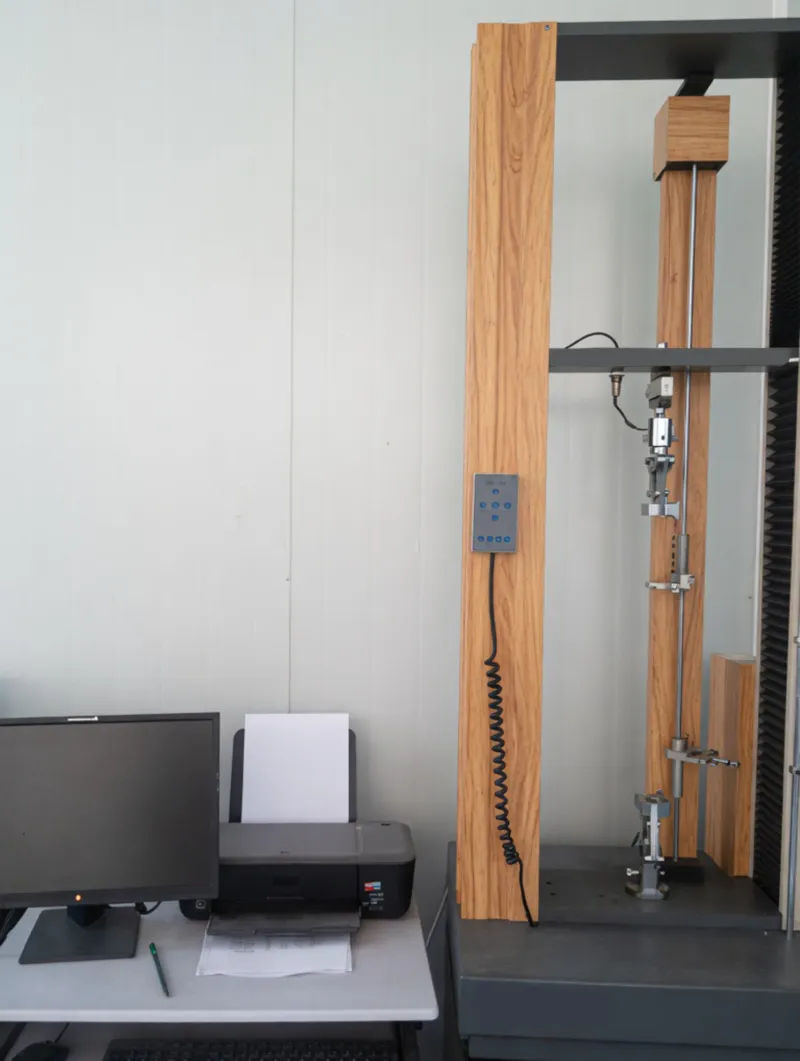
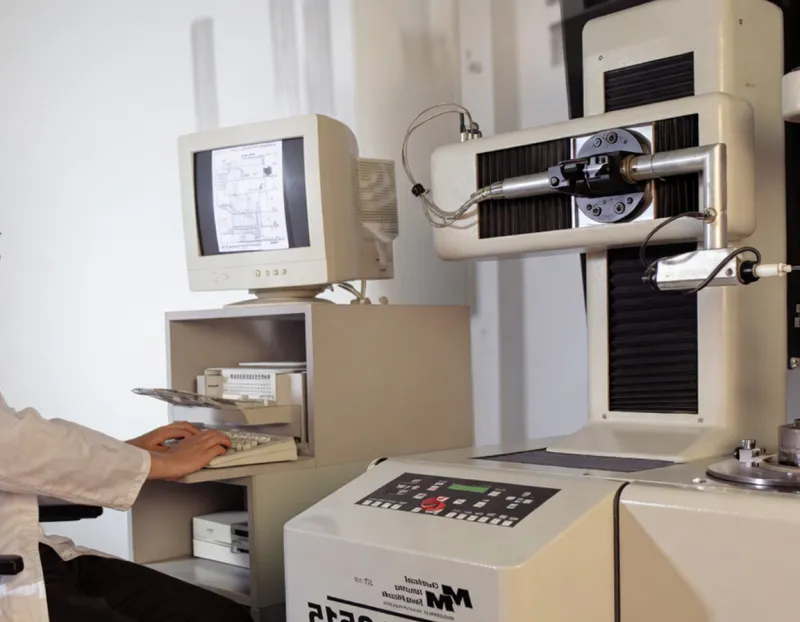
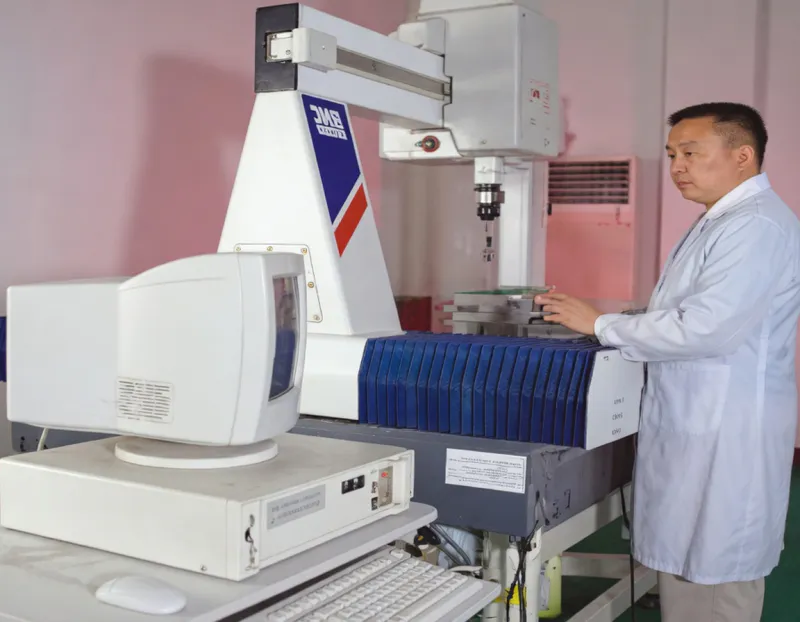
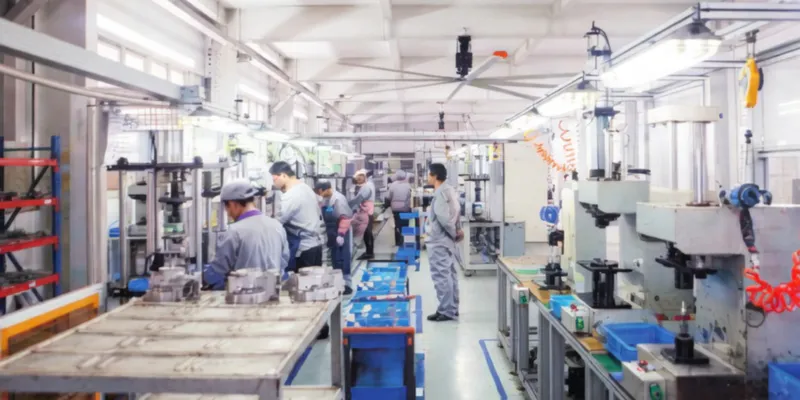
We are a specialist manufacturer and global supplier of precision power transmission components, with a comprehensive product range that includes cast iron sprockets for European and American standards, roller chains, gearboxes, wheel hubs, and a wide range of complementary mechanical drive components. Our production facilities operate under rigorous quality management protocols encompassing raw material certification, dimensional inspection with three-axis coordinate measurement equipment, surface and hardness testing, and full traceability from incoming material to finished goods dispatch.
Our European Standard Series Cast Iron Sprockets are among the core products in our catalogue, reflecting decades of expertise in producing DIN 8187 and ISO/R 606 compliant chain drive components that serve the full range of industrial, agricultural, and process machinery applications. Every cast iron sprocket we produce passes dimensional verification against master gauges traceable to international metrology standards, ensuring that the stock bore profiles, pitch circle diameters, and tooth forms in every shipment match the catalogue specifications on which customers base their design and procurement decisions. Our quality assurance team performs random batch sampling on all cast iron sprockets leaving the production facility, with records retained for full traceability from raw material to finished product.
Шеберхана
8. Related Products — Complete Chain Drive System Solutions
A high-performance chain drive system is more than just a cast iron sprocket — it requires correctly matched chain, properly selected gearbox or reducer, and appropriate shaft and coupling components. We manufacture and supply a comprehensive range of complementary drivetrain products that pair directly with our European Standard Cast Iron Sprockets, supporting one-stop procurement for complete system assemblies and simplifying the supply chain for distributors and machine builders in Colombia and across Latin America. Whether you need a single replacement cast iron sprocket or a complete set of chain drive components for a new installation, our product range provides everything required.
Roller Chains
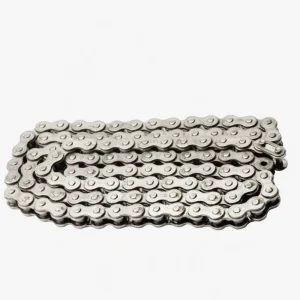
Біздің шынжыр product range includes standard roller chains in DIN 8187 / ISO 606 pitch series that are designed to work directly with these cast iron sprockets. Selecting matching chain and cast iron sprocket components from the same supplier ensures dimensional compatibility at the pitch and roller diameter level, which directly impacts engagement quality, noise levels, and wear distribution across both chain and cast iron sprocket surfaces. We offer roller chains in Simplex, Duplex, and Triplex configurations matching the 06B through 24B series, enabling true system-level procurement for new build and replacement applications across Colombia’s industrial aftermarket.
Gearboxes & Speed Reducers
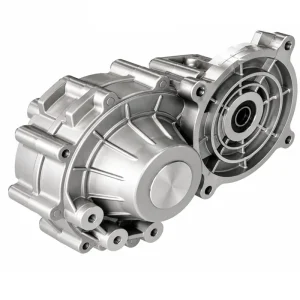
Pairing a well-selected Gearbox or speed reducer with the correct cast iron sprocket and chain combination is the foundation of an efficient, long-life chain drive system. Our gearbox range covers a wide selection of output shaft diameters and torque ratings compatible with the 12B–24B series cast iron sprockets used in the heavier duty industrial applications common in Colombia’s mining, agri-industrial, and manufacturing sectors. Specifying the gearbox and sprocket from a single supplier with matched dimensional data reduces the design verification workload and ensures that the output shaft-to-bore fit of the cast iron sprocket is correctly sized for the transmitted torque and overhung load.
Жиі қойылатын сұрақтар
Редактор: PXY