설명
EP Series · European Standard · Industrial Grade
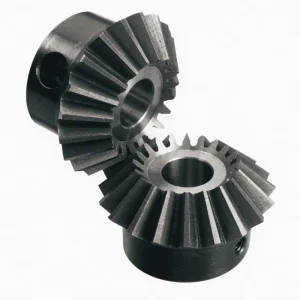
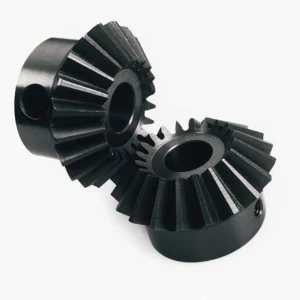
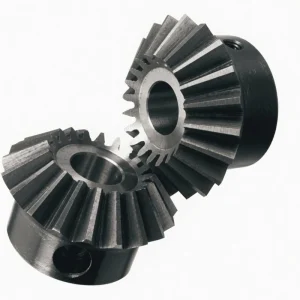
EP-Type B Bevel Gear — European Standard Series
Ratio 1:4 | Pressure Angle 20° | Material: C45 Steel | Module Range M1–M5 | Industrial Bevel Gear Colombia
Engineered for demanding power-transmission applications, this bevel gear delivers precision angular torque transfer across heavy industrial machinery, agricultural drives, conveyor systems, and automation equipment. Built to European DIN standards with tight tolerance machining, it meets the rigorous requirements of markets throughout Latin America, including Colombia, Peru, Chile, and beyond.
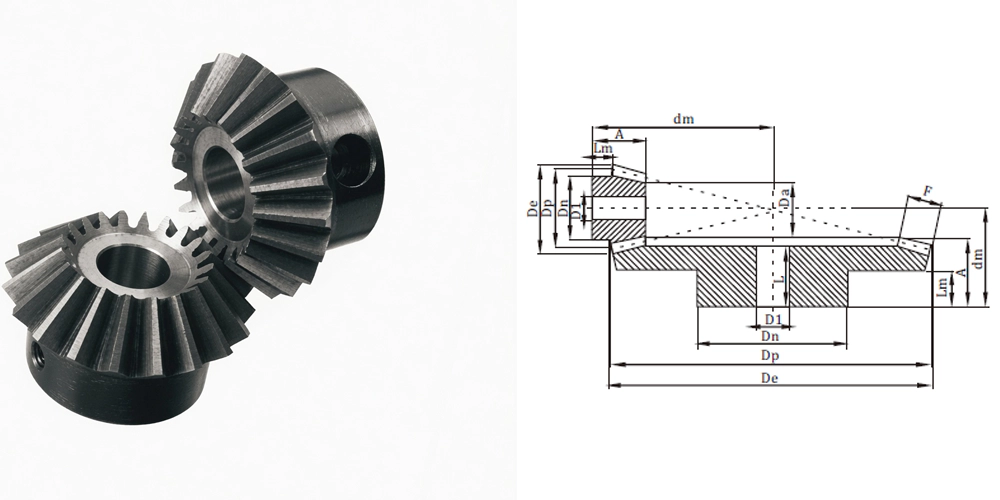
1. Technical Specifications — EP-Type B Bevel Gear (Ratio 1:4, Pressure Angle 20°, C45)
All dimensions are in millimeters (mm). De = Outer Diameter; Dp = Pitch Diameter; A = Cone Distance; F = Face Width; Dn = Inner Diameter; D1 = Bore Diameter; dm = Mean Pitch Diameter; Da = Addendum; L = Hub Length; Dm = Mean Pitch Diameter (wheel). The “–” symbol indicates that this parameter is not applicable or not specified for the given configuration.
| M | 지 | De (mm) | Dp (mm) | (mm) | F (mm) | Dn (mm) | D1 (mm) | dm (mm) | Da (mm) | L (mm) | Dm (mm) |
|---|---|---|---|---|---|---|---|---|---|---|---|
| 1 | 15 | 17.8 | 15.0 | 17.2 | 9.3 | 13.3 | 4 | 38 | 8 | — | 7.7 |
| 60 | 60.3 | 60.0 | 17.1 | 9.3 | 30.3 | 8 | 22 | — | 15 | 10 | |
| 1.5 | 15 | 26.7 | 22.5 | 23.0 | 11 | 20.3 | 8 | 57 | 15 | — | 11.7 |
| 60 | 90.4 | 90.0 | 34 | 11 | 50.3 | 15 | 42 | — | 31 | 25 | |
| 2 | 15 | 35.6 | 30.0 | 31 | 16 | 25.3 | 8 | 75 | 20 | — | 14.4 |
| 60 | 120.6 | 120.0 | 37.6 | 16 | 60.3 | 16 | 48 | — | 34 | 25 | |
| 2.5 | 15 | 44.5 | 37.5 | 38.1 | 19 | 32.3 | 14 | 94 | 25 | — | 18.4 |
| 60 | 150.7 | 150.0 | 44.8 | 19 | 60.3 | 20 | 58 | — | 40 | 30 | |
| 3 | 15 | 53.3 | 45.0 | 48.1 | 23 | 40.3 | 15 | 115 | 30 | — | 24.5 |
| 60 | 180.8 | 180.0 | 53.2 | 23 | 80.3 | 20 | 69 | — | 48 | 35 | |
| 3.5 | 15 | 62.2 | 52.5 | 52.1 | 26 | 45.3 | 15 | 131 | 36 | — | 25.1 |
| 60 | 211.0 | 210.0 | 60.4 | 26 | 90.3 | 25 | 79 | — | 54 | 40 | |
| 4 | 15 | 71.1 | 60.0 | 55.1 | 30 | 50.3 | 20 | 145 | 37.5 | — | 23.8 |
| 60 | 241.1 | 240.0 | 60.8 | 30 | 90.3 | 28 | 82 | — | 53 | 40 | |
| 4.5 | 15 | 79.9 | 67.5 | 59.1 | 34 | 60.3 | 20 | 160 | 45.2 | — | 24.1 |
| 60 | 271.2 | 270.0 | 68.2 | 34 | 100.3 | 30 | 92 | — | 61 | 40 | |
| 5 | 15 | 88.8 | 75.0 | 68.1 | 38 | 70.3 | 20 | 180 | 50.1 | — | 29.4 |
| 60 | 301.3 | 300.0 | 73.5 | 38 | 110.3 | 30 | 100 | — | 66 | 40 |
Note: All Z=15 rows represent the pinion gear; Z=60 rows represent the mating wheel gear. Pairs must be used together to form a complete bevel gear set.
2. What Is a Bevel Gear?
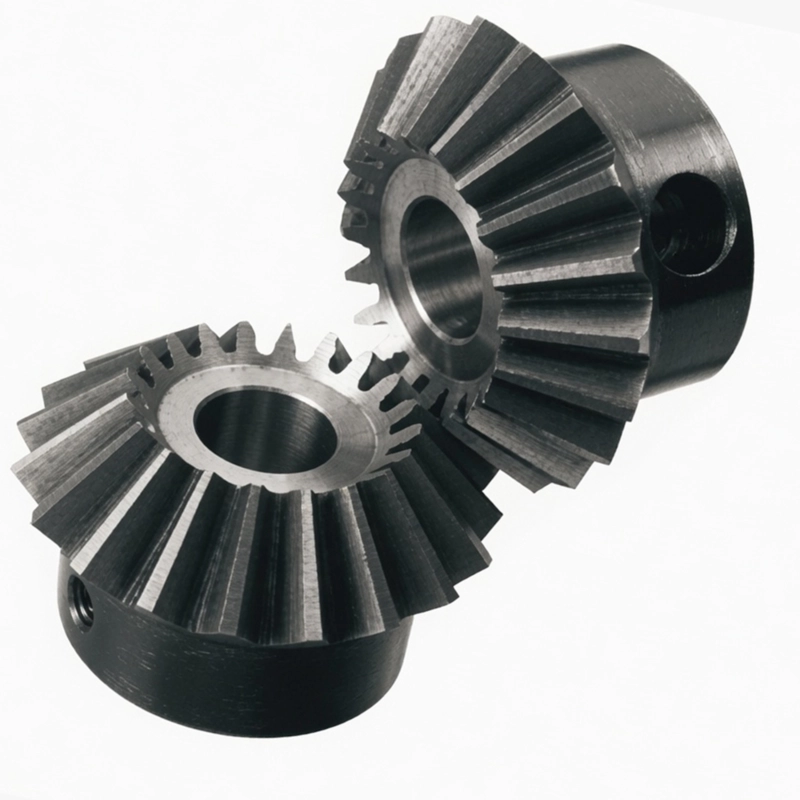
에이 bevel gear is a precision-machined gear component with teeth cut on a conical surface, specifically designed to transmit rotation and torque between two shafts that intersect at an angle — most commonly 90 degrees. Unlike spur or helical gears, which transmit motion between parallel shafts, bevel gears excel in applications where the direction of drive must be changed. The conical shape and angled tooth profile allow smooth, efficient engagement even under significant radial and axial loads.
그만큼 EP-Type B Bevel Gear in this European Standard Series features a 20° pressure angle, a configuration widely adopted in industrial design for its superior load distribution across the tooth face. At a ratio of 1:4, the pinion gear drives a larger gear wheel at one-quarter the input speed, multiplying torque output — a characteristic that is indispensable in speed-reduction drive systems, right-angle gearboxes, and high-torque machinery.
From understanding how metal bevel gear works to selecting the right module for your drivetrain, this product page provides all the technical guidance and dimensional data you need to make a confident procurement decision for your engineering project or production line.
3. 제품의 5가지 핵심 장점
① European DIN Standard Compliance
Manufactured to DIN 868 and related European gear standards, this metal bevel gear ensures dimensional consistency, reliable tooth geometry, and interchangeability across supplier chains. Engineers specifying equipment for the EU export market, or sourcing replacement parts for European-origin machinery, will find the EP Series a direct-compatible solution requiring zero adaptation.
② C45 Medium Carbon Steel Construction
The C45 steel grade provides an excellent balance of tensile strength, machinability, and surface hardness. After heat treatment, the tooth flanks achieve high wear resistance, while the core retains enough toughness to absorb shock loads without fracturing — a critical requirement in heavy mining, quarrying, and construction drive systems common in the Colombian Andes region and throughout South American industrial environments.
③ 20° Pressure Angle for Maximum Load Capacity
The 20° pressure angle tooth profile is the global industry standard for general-purpose power transmission. Compared to 14.5° designs, the 20° geometry shortens tooth height while widening the base, significantly increasing the load-bearing cross-section. This translates directly into a higher high power metal bevel gear capacity per unit module size — particularly advantageous when installation space is constrained but duty cycles are demanding.
④ Full Module Range M1–M5 Available
Offered across module sizes 1 through 5, from compact mini metal bevel gear configurations suitable for instrumentation and light automation, up to M5 units for heavy industrial gearboxes. Each module step covers both 15-tooth pinion and 60-tooth wheel variants, enabling engineers to select the precise torque capacity and gear size to match their application without over- or under-engineering the drivetrain.
⑤ Consistent Quality Control & Global Export Ready
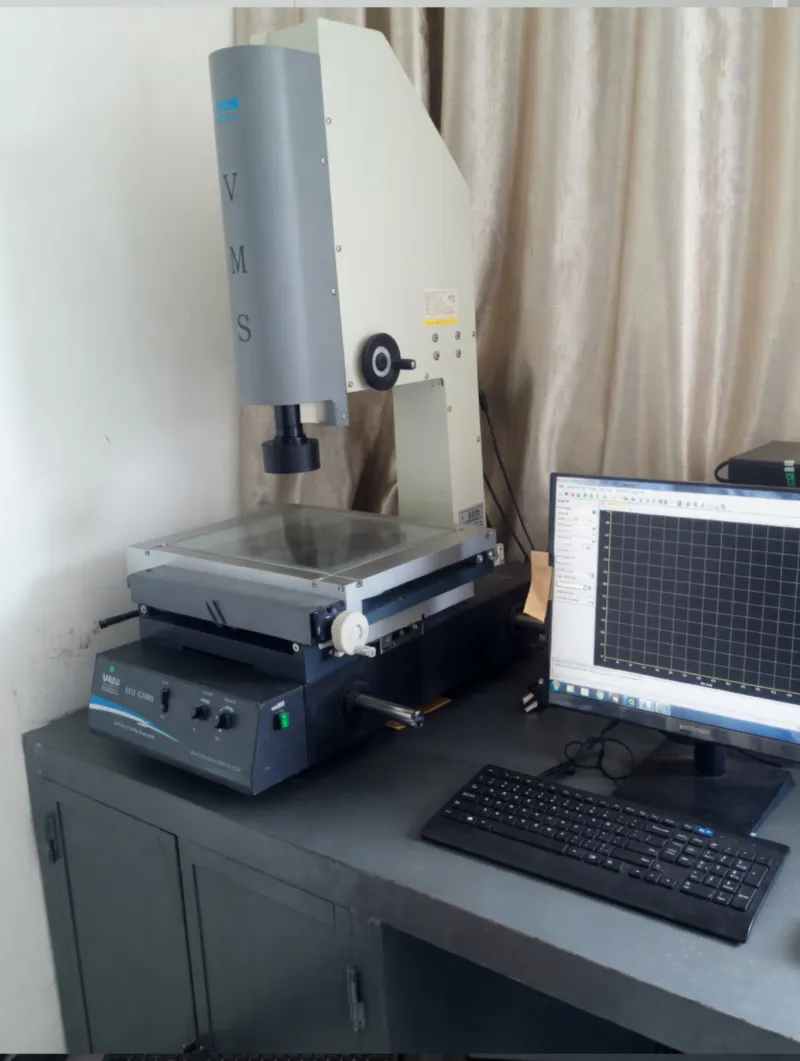
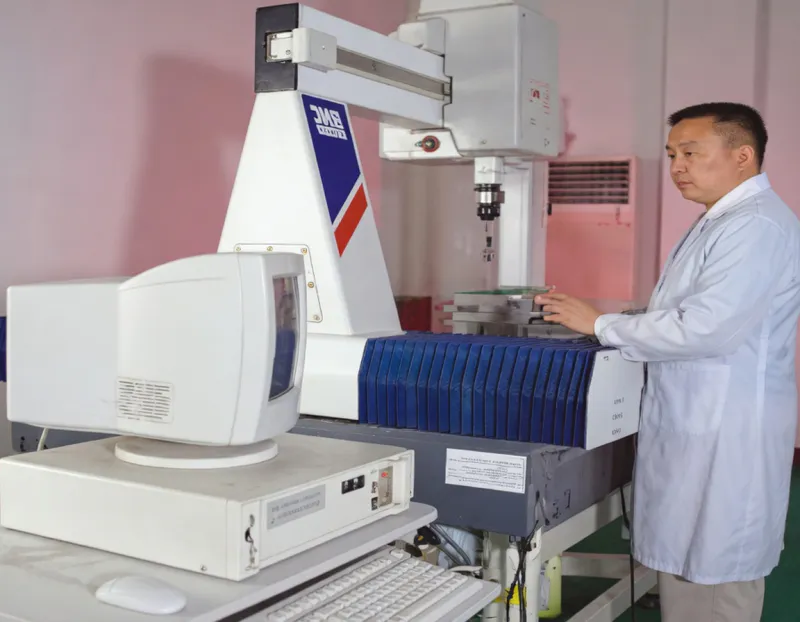
모든 metal bevel gear set passes through dimensional inspection using calibrated CMM equipment and surface finish verification. Documentation packages including material certificates, inspection reports, and packing lists are available upon request. This ensures smooth customs clearance and quality sign-off for industrial procurement departments in Colombia, Ecuador, Brazil, Mexico, and other major Latin American markets, as well as customers in the United States, Europe, and Southeast Asia.
4. How Does a Metal Bevel Gear Work?
The operating principle of a bevel gear is rooted in the geometry of intersecting cones. When two conical gear blanks are mated at their apex, the pitch cones roll on each other without slipping — this is what makes the angular power transmission theoretically lossless at the pitch point. In practice, the teeth are cut into the conical surface following the involute tooth form, which maintains a constant velocity ratio throughout the mesh cycle regardless of minor misalignment or manufacturing deviations within tolerance bands.
In the EP-Type B configuration with a 1:4 ratio, the smaller pinion (Z=15 teeth) meshes with the larger wheel (Z=60 teeth). For every four rotations of the pinion shaft, the wheel shaft completes exactly one rotation. This quadruples the available torque at the output shaft while reducing rotational speed proportionally — following the fundamental law of simple machines that states power output cannot exceed power input (minus mechanical losses). The 20° pressure angle ensures that the resultant contact force between mating teeth is directed at a favorable angle, minimizing bearing side loads while maximizing the tangential driving force.
Lubrication plays a vital role. In enclosed gearbox housings, splash lubrication is typically used for peripheral speeds up to approximately 12 m/s; forced pressure lubrication is recommended above that threshold. For open-drive or slow-running applications, a mineral grease of NLGI consistency 2 applied directly to the tooth flanks every maintenance interval is standard practice. Correct lubricant selection is particularly important in tropical climates — such as those found in Colombia’s coastal regions — where ambient temperatures can accelerate oil oxidation and viscosity breakdown.
Noise and vibration characteristics of straight-tooth bevel gears like the Type B design are well understood and straightforward to manage. Tooth contact occurs along a line that shifts as rotation proceeds; this line contact (rather than the point contact of a hypoid gear) means load is spread efficiently at moderate speeds, making these gears particularly suitable for right-angle drives that run intermittently or at medium duty.
5. Material — C45 Medium Carbon Steel
The material specification for this metal bevel gear is C45 steel, designated under EN 10083-2 (European standard) and equivalent to AISI 1045 in the American system. C45 is one of the most widely trusted materials for general-purpose gear manufacturing precisely because it offers a predictable and well-documented performance envelope — it’s the kind of material that engineers have been relying on for decades without surprises.
In its normalized or quenched-and-tempered condition, C45 achieves tensile strength in the range of 700–850 MPa with a yield strength of approximately 490 MPa and elongation at break around 16%. For gear applications specifically, the material’s surface can be induction hardened to reach 50–55 HRC on the tooth flanks while the core remains at 25–35 HRC — providing the wear-resistant surface layer and tough impact-absorbing core that power transmission demands. This dual-zone hardness profile is what separates a professional-grade industrial gear from a simple machined component.
Compared to stainless steel bevel gears (typically 316 or 420 grades), C45 offers superior machinability and significantly better fatigue life under alternating bending stress — the dominant stress mode in bevel gears during normal operation. Stainless grades are preferred only when corrosion resistance is the primary constraint, such as in food processing or marine environments. For industrial drive systems in mining, agriculture, manufacturing, and construction — sectors that dominate the Colombian and broader Andean industrial base — C45 remains the optimum balance of performance and cost.
The manufacturing process for these metal bevel gear parts follows a sequence of rough turning, gear hobbing or milling, heat treatment, and finish grinding of mating surfaces. Gear teeth are cut using precision hobbing machines calibrated to DIN quality grade 8 or better, ensuring tooth profile accuracy and surface finish consistent with the European standard series designation.
6. Metal Bevel Gear Application Scenarios
The EP-Type B bevel gear series finds use wherever a reliable change of shaft direction is needed in a compact, maintainable package. Below are the principal metal bevel gear application areas served by this product line.
🏗 Industrial Machinery & Automation
Right-angle gearboxes in conveyor drives, machine tool indexing heads, and robotic joint actuators routinely incorporate straight-tooth bevel gears at the final output stage. The Type B profile’s predictable contact geometry makes it the default choice for machine designers who need consistent performance across multiple production shifts without frequent maintenance interventions. In Colombian industrial zones around Bogotá, Medellín, and Cali, manufacturing automation increasingly relies on such standardized European-format components as facilities modernize their production lines.
🌾 Agricultural Equipment
Rotary tillers, seed drills, harvester header drives, and irrigation pump heads all require angular drive components that can absorb variable shock loads and operate in dust-contaminated environments with minimal maintenance. The 1:4 reduction ratio of this metal bevel gear set is well-suited for PTO-driven attachments on tractors, where reducing the 540 RPM PTO speed to 135 RPM for a specific implement working speed is a common requirement. Agricultural applications across the Colombian coffee-growing regions, the Llanos plains, and the coastal banana plantations each present distinct operating conditions that C45 bevel gears handle reliably.
⛏ Mining & Heavy Extraction
Colombia’s significant coal, gold, and emerald mining sectors depend on robust drivetrain components for ventilation fans, ore conveyor drives, and drilling equipment. Heavy metal bevel gears — specifically the M4 and M5 modules in this series — deliver the torque multiplication and directional change needed in underground and open-cast applications. The C45 material’s toughness under impact loading is particularly valued in this sector, where gear failure translates directly into costly unplanned downtime. The 60-tooth wheel in the M5 series, with its 300 mm pitch diameter, handles the torque levels typical of secondary crushing and classification equipment.
🔧 Construction Equipment
Tower crane slewing drives, concrete mixer drum drives, and compactor vibration drives all incorporate bevel gear stages in their powertrain. The EP-Type B gear’s compatibility with standard European-format housings means it can serve as a drop-in replacement for OEM parts in equipment imported from European manufacturers — a significant advantage for maintenance teams managing mixed fleets of construction machinery throughout Colombia and the broader Andean construction market, where infrastructure investment has grown substantially in recent years.
⚡ Power Generation & Energy
Small hydropower installations, wind turbine yaw drives, and auxiliary drives on diesel generator sets utilize bevel gear stages for direction change and speed matching. The EP series bevel gear’s dimensional accuracy and tight backlash control are important in these applications, where gear wear translates into efficiency losses and noise increases that are closely monitored. As Colombia expands its renewable energy portfolio — including run-of-river hydro projects in the Andes — reliable gear components for ancillary drive systems are an area of growing demand.
🔬 Precision Instruments & Light Drives
At the smaller module end — M1 and M1.5 — these compact small metal bevel gears serve precision instruments, medical positioning equipment, laboratory automation, and specialized optical systems. The involute tooth form and accurate pitch ensure smooth, low-noise operation at higher speeds. While the torque levels here are modest compared to industrial mining applications, the dimensional precision requirements are often equally stringent, and the EP European Standard designation provides the traceability and documentation that quality-managed facilities require.
7. Regulatory & Standards Compliance — Colombia and International
Procurement of industrial mechanical components such as bevel gears is subject to a range of technical standards, import regulations, and sector-specific safety codes depending on the country and end-use application. Understanding the applicable framework is essential for compliant procurement and risk management.
Colombia (ICONTEC / INVIMA / Ministerio de Comercio)
In Colombia, mechanical components intended for industrial machinery are subject to the technical standards published by ICONTEC (Instituto Colombiano de Normas Técnicas y Certificación), which frequently adopts international ISO and DIN standards by reference. Importation of industrial machinery parts falls under DIAN (Dirección de Impuestos y Aduanas Nacionales) customs classification. Gear components typically enter under HS Code 8483.90, which covers parts of transmission equipment. Buyers should ensure that import documentation includes material certificates, dimensional inspection reports, and country-of-origin documentation to facilitate smooth customs clearance.
ISO 국제 표준
The relevant ISO standards for bevel gear specification and quality include ISO 23509 (Bevel and hypoid gear geometry), ISO 10300 (Load capacity calculation of bevel gears — Parts 1, 2, 3), and ISO 1328 (Cylindrical gears — ISO system of flank tolerance). While the EP series follows the DIN European standard, the underlying gear geometry calculations are fully compatible with ISO 23509 definitions, enabling international engineers to apply load capacity calculations using standard methodology.
European Union (CE, Machinery Directive 2006/42/EC)
For equipment assembled in or exported to European Union member states, mechanical power transmission components may fall within the scope of the Machinery Directive 2006/42/EC when incorporated into complete machines. The directive does not require CE marking of individual gear components as such — it applies to the completed machine — but machine builders must select components that comply with applicable harmonized standards to substantiate the CE Declaration of Conformity for their final product. The DIN-compliant specification of the EP series supports this documentation chain.
United States (AGMA Standards)
In the North American market, the American Gear Manufacturers Association (AGMA) publishes the principal gear quality and rating standards, including AGMA 2003 (Rating the pitting resistance and bending strength of generated straight bevel gears). While the EP series uses DIN/ISO module-based specifications rather than AGMA diametral pitch, conversion between systems is well established, and AGMA-based engineers can readily verify compatibility using standard conversion tables.
China (GB Standards)
Chinese national standard GB/T 12369 covers straight bevel gears for general and heavy machinery, and GB/T 6443 addresses the basic rack profile. The EP European Standard series is designed to be dimensionally and geometrically consistent with the internationally harmonized framework, facilitating cross-border sourcing and technical comparison by procurement engineers who regularly work across multiple supply geographies.
Environmental and Material Regulations (REACH / RoHS)
C45 steel used in this product range is fully compliant with the EU REACH Regulation (EC No 1907/2006) regarding restrictions on hazardous substances. It contains no restricted substances listed under SVHC (Substances of Very High Concern) at concentrations above regulatory thresholds. This makes the product suitable for supply chains with environmental compliance requirements, including European OEM supply chains and multinational industrial companies operating under global corporate ESG policies.
8. About Us-Precision Bevel Gear Manufacturer
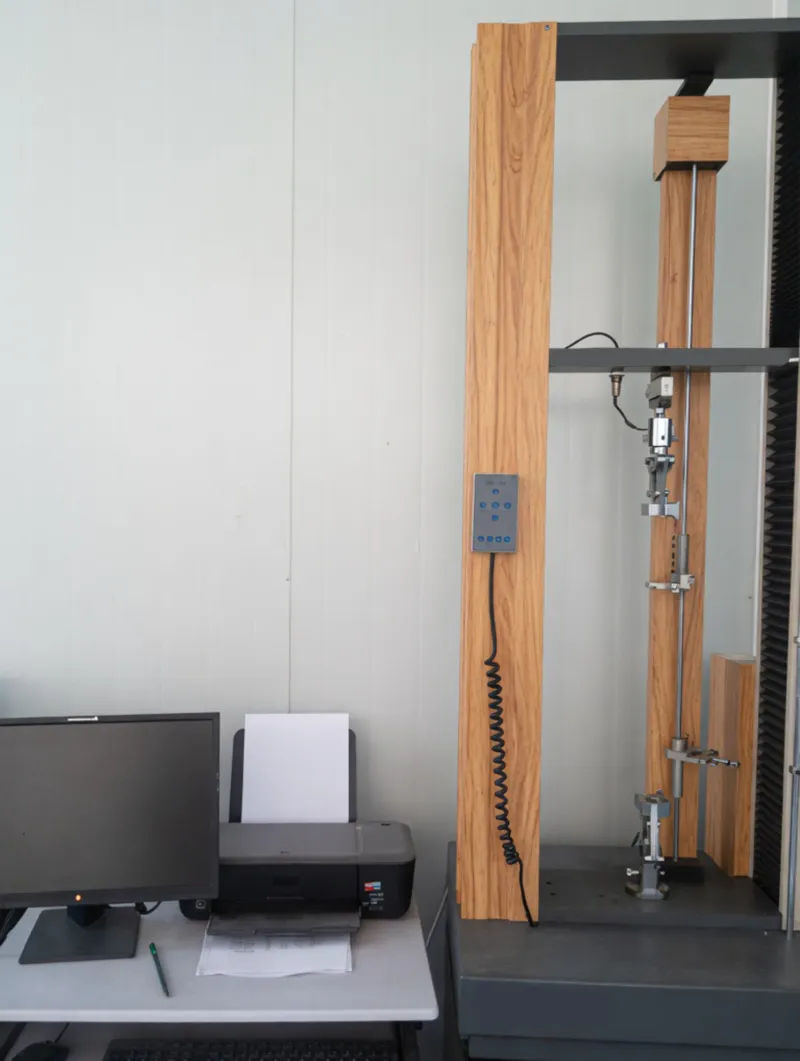
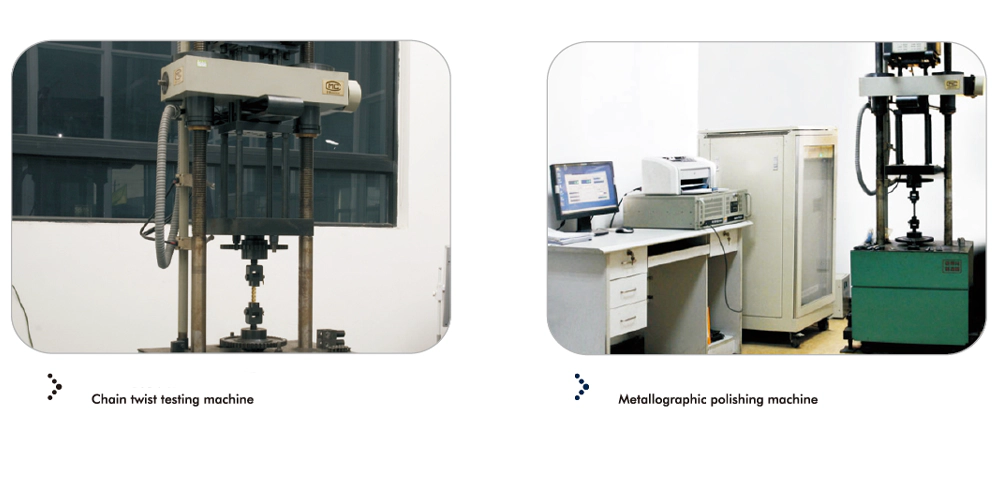
We are a specialized manufacturer and exporter of industrial power transmission components, with a production focus on the full Gear series including straight bevel gears, spur gears, helical gears, worm gears, and rack-and-pinion sets, alongside Sprockets, roller chains, and related drivetrain accessories. Our manufacturing base is equipped with dedicated gear hobbing lines, CNC turning centers, precision heat treatment furnaces, and CMM inspection stations, enabling us to deliver consistent quality across the complete module range.
Our engineering team supports customers through component selection, application engineering queries, and documentation preparation for import compliance and machinery certification. We export to over 40 countries, with established distribution relationships across Latin America — including Colombia, Peru, Ecuador, Chile, Argentina, Mexico, and Brazil — as well as North America, Southeast Asia, the Middle East, and Europe.
A core principle of our operation is one-stop supply: rather than sourcing gears, sprockets, and chains from three separate vendors, customers can consolidate their drivetrain component procurement with a single, technically qualified supplier — reducing lead times, simplifying quality management, and improving system compatibility assurance across the full power transmission assembly.
작업장
9. Related Products — Complete Drivetrain Solutions
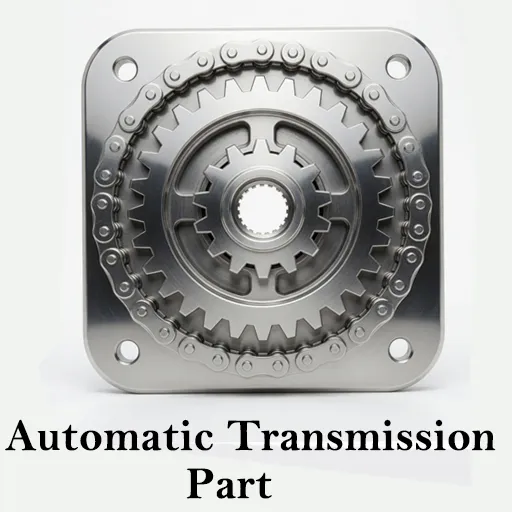
에이 bevel gear set is only one part of a complete power transmission system. We also manufacture compatible sprockets and roller chains designed to work in conjunction with our gear product range, offering you a fully integrated, verified drivetrain solution from a single supplier.
Sprockets
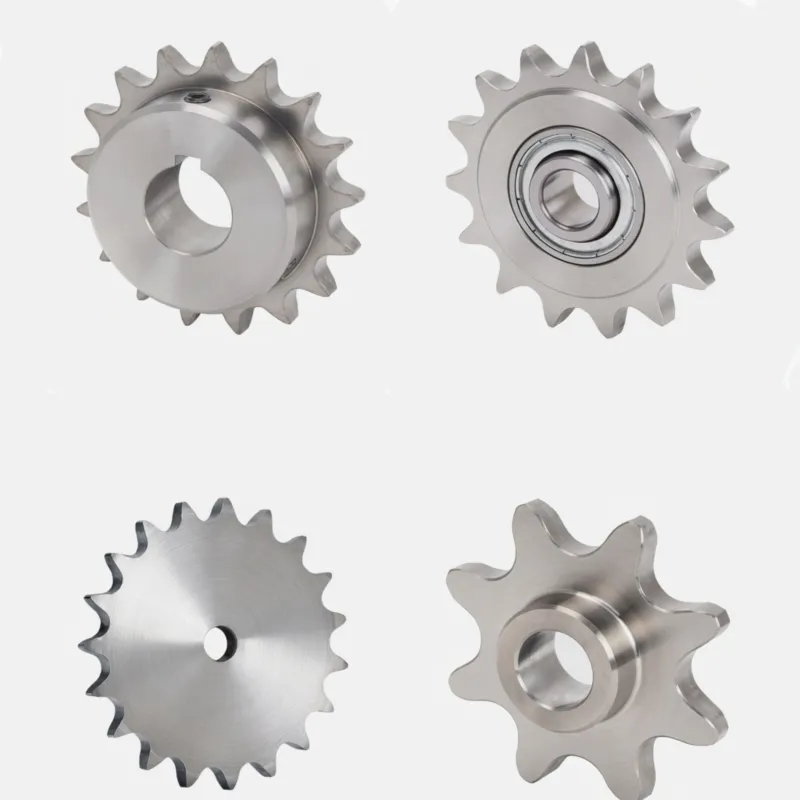
Our Sprockets range covers standard ANSI and DIN simplex, duplex, and triplex configurations across a wide bore and pitch variety. Designed to mate directly with our roller chain line, these sprockets share the same precision machining processes as the gear series — ensuring consistent quality across your complete drivetrain. Ideal for pairing with custom bevel gears in multi-stage reduction systems where chain-and-sprocket final drives complement the gear stage.
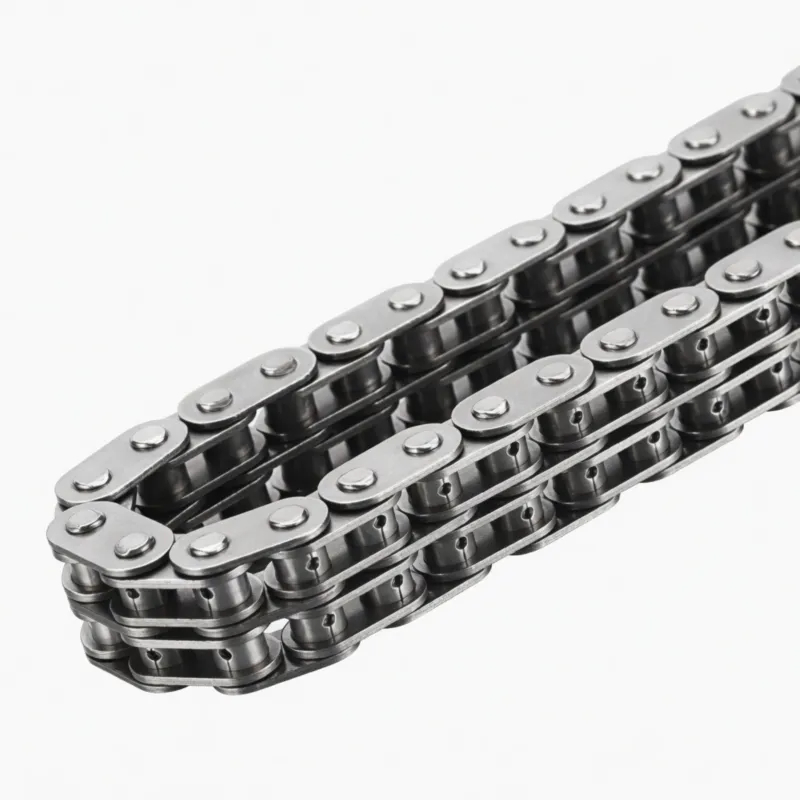
Our roller chain product line covers standard ANSI 40 through 240 series and ISO/DIN equivalent pitches, including stainless steel, heavy-duty, and self-lubricating variants. Sourcing your chain and sprockets alongside your metal bevel gear drivetrain components from a single supplier eliminates compatibility uncertainty, simplifies incoming inspection, and reduces the number of vendor relationships your procurement team must manage. This is the one-stop drivetrain supply advantage that distinguishes us from component distributors.
자주 묻는 질문
Q1. What is a bevel gear and how does it differ from a standard spur gear in industrial drive systems? ▼
Q2. Which module size of metal bevel gear is right for a heavy-duty mining conveyor application in Colombia? ▼
Q3. How does the 20° pressure angle on this bevel gear set affect load capacity compared to older 14.5° designs? ▼
Q4. Where can I find a reliable metal bevel gear manufacturer or supplier for agricultural equipment in Colombia? ▼
Q5. What is the difference between C45 and stainless steel bevel gears, and when should I choose each type? ▼
Q6. Which international standards should procurement engineers in Latin America reference when specifying bevel gears for machinery imports? ▼
Q7. How should I properly lubricate a straight-tooth metal bevel gear in a tropical climate gearbox application? ▼
Q8. What are the main types of metal bevel gear available and when is a straight-tooth Type B the best choice? ▼
Q9. Can I source both the bevel gear set and compatible roller chain or sprocket from the same supplier for a complete conveyor drivetrain in Medellín? ▼
편집자: PXY