Deskripsi
Sambungan Universal EP-MAZDA — Seri GUMZ Pengganti Langsung
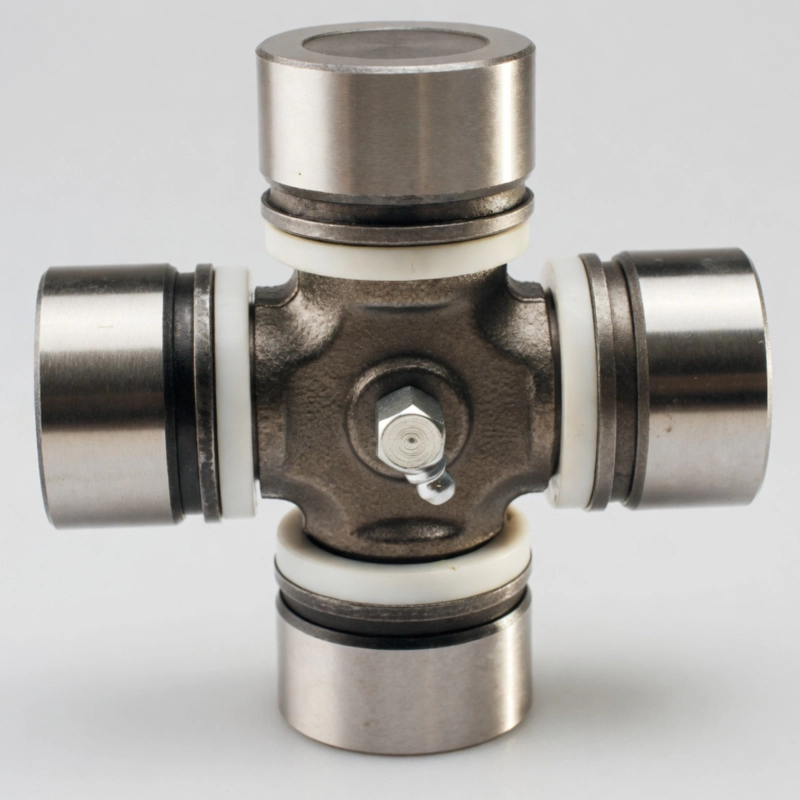
The EP-MAZDA Universal Joint covers the complete Mazda GUMZ Series (GUMZ-1 through GUMZ-12), providing precision-manufactured cross-and-bearing assemblies for steering columns, propeller shafts, and driveline positions across Mazda passenger cars, commercial vehicles, and the Mazda Drifter platform. Each unit is cross-referenced to KOYO TM-series and MATSUBA UJ-series OEM standards available for direct export to Colombia, Peru, Ecuador, and the broader Andean market.
OEM Cross-Reference
Colombia & Andean Supply
Steering & Propeller Shaft Types
Ringkasan Singkat
The EP-MAZDA Universal Joint is a precision Cardan-joint assembly serving as a direct OEM-equivalent replacement for the Mazda GUMZ Series, spanning twelve part numbers with journal diameters from 22.02 mm to 37 mm.
Every unit in the range is manufactured from induction-hardened alloy steel, with needle-roller bearing cups sealed and pre-greased for installation-ready delivery to workshops in Colombia and across Latin America.
Full three-way cross-referencing — Mazda OEM, KOYO, and MATSUBA — makes each joint easy to verify against existing parts databases, eliminating guesswork for importers and fleet buyers in the Andean region.
1. MAZDA Universal Joint — GUMZ Series Technical Specifications Table
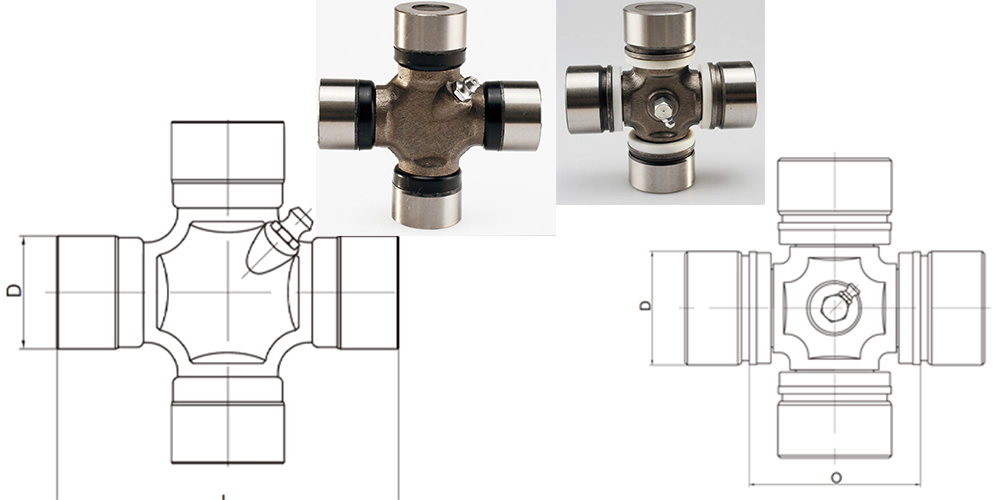
The table below presents the complete dimensional and cross-reference data for all MAZDA Universal joint GUMZ series part numbers. Dimensions are in millimeters. D = journal (trunnion) diameter; O = outer bearing cup diameter; L = overall cross length. The Original No. column lists Mazda OEM part numbers; KOYO and MATSUBA columns list corresponding aftermarket equivalents that can be used to verify MAZDA Universal joint compatibility in your parts catalog.
| ARA | NOMOR BAGIAN | D (mm) | O (mm) | L (mm) | ORIGINAL NO | KOYO | MATSUBA |
|---|---|---|---|---|---|---|---|
| A | GUMZ-1 | 25 | — | 63.8 | 0136-25-060 | TM2564A | UJ410(411) |
| A | GUMZ-2 | 22.02 | — | 55 | 0180-25-060 | TM2055 | UJ412 |
| B | GUMZ-3 | 32 | 57 | — | 0164-25-060 | TM3293 | UJ414 |
| B | GUMZ-6 | 28 | 55.8 | 80.4 | 0706-89-251 | TM2880 | UJ415 |
| B | GUMZ-7 | 25.02 | 41 | — | 0259-25-060 | TM2564B | UJ413 |
| B | GUMZ-8 | 37 | 67 | — | 0727-25-060 | TM37104 | UJ416 |
| B | GUMZ-9 | 26.53 | 48 | 71 | 1757-89-251 | — | UJ417 |
| B | GUMZ-10 | 22.5 | 35 | — | 3919-89-251 | — | UJ418 |
| A | GUMZ-11 | 22.06 | — | 59.6 | — | — | — |
| A | GUMZ-12 | 24.06 | — | 71.6 | — | — | — |
D = journal diameter (mm); O = outer cup diameter (mm); L = overall cross length (mm). “—” indicates not applicable for that figure type or no current cross-reference listed. Always confirm MAZDA Universal joint dimensions by measuring the removed joint before placing an order.
2. MAZDA Universal Joint — Key Facts at a Glance
✓ 12 GUMZ Part Numbers
GUMZ-1 to GUMZ-12 covering all Mazda journal sizes from 22.02 mm to 37 mm
✓ OEM Cross-Reference
Each unit verified against KOYO TM-series and MATSUBA UJ-series standards
✓ Dual-Type Design
Fig A (snap ring) and Fig B (flange cap) configurations for steering column and propeller shaft positions
✓ Alloy Steel Construction
Cross trunnion heat-treated with sealed needle-roller bearing caps
✓ Multi-Platform Coverage
Applications cover Mazda 2, Mazda 3, Mazda 6, and Drifter platforms
3. What Is a MAZDA Universal Joint?
A MAZDA Universal joint — also called a U-joint, Cardan joint, or Hardy Spicer joint — is a mechanical coupling that transmits rotational torque between two shafts not in perfect axial alignment. In Mazda drivetrains, shafts rarely travel in a straight line; suspension movement, differential mounting angles, and steering articulation all create angular displacement between the driving and driven ends. The MAZDA Universal joint resolves this problem by allowing the transmitted angle to vary continuously while still transferring power efficiently and reliably.
The core of a MAZDA Universal joint consists of a cross-shaped trunnion (the spider), four needle-roller bearing cups pressed into the yoke ears, and snap rings or flange caps to lock the assembly in place. When one shaft rotates, the spider pivots simultaneously in two perpendicular planes, accommodating misalignment angles typically up to 30–35 degrees depending on MAZDA Universal joint size and torque capacity. In the Mazda GUMZ Series, cross trunnion dimensions are held to tight tolerances so that replacement replacement units fit directly without modification to existing yokes.
Modern Mazda passenger cars like the Mazda 2 and Mazda 3 rely on at least two MAZDA Universal joint assemblies in the propeller shaft, plus a separate smaller-diameter mazda 2 steering universal joint — or mazda 2 steering column universal joint — in the steering column. Both positions demand different performance criteria: propeller shaft positions require a MAZDA Universal joint capable of handling higher torque at speed, whereas the steering column MAZDA Universal joint prioritizes low backlash and smooth feel for direct driver feedback. Understanding these differences is essential when selecting the correct GUMZ part number for any specific repair or replacement job.
4. EP-MAZDA Universal Joint — Product Overview and Series Details
The EP-MAZDA Universal joint range is engineered specifically to serve the Mazda vehicle lineup as a direct OEM-equivalent replacement. The GUMZ designation mirrors the original Mazda part coding, and every unit in the series has been measured and validated against the original manufacturer’s dimensional drawings. Whether completing a mazda universal joint replacement on a daily driver in Bogotá, rebuilding a commercial fleet vehicle in Medellín, or preparing a competition car that uses mazda drifter universal joint components, this series delivers a consistent, reliable MAZDA Universal joint solution that technicians and importers throughout Colombia can depend on.
Two fundamental cross-section configurations — Figure A and Figure B — address the two most common yoke retention styles across the Mazda platform. Figure A MAZDA Universal joint units use open-ended bearing cups retained by internal snap rings; this is the configuration found on smaller-diameter joints such as the GUMZ-1 (D=25 mm, L=63.8 mm) and GUMZ-2 (D=22.02 mm, L=55 mm) used in steering column assemblies. Figure B MAZDA Universal joint units feature external flange caps and are applied to propeller shaft positions where greater axial load resistance is needed — examples include GUMZ-3 (D=32 mm, O=57 mm), GUMZ-6 (D=28 mm, O=55.8 mm, L=80.4 mm), GUMZ-7 (D=25.02 mm, O=41 mm), and GUMZ-8 (D=37 mm, O=67 mm).
Cross-referencing each MAZDA Universal joint to KOYO and MATSUBA part numbers allows procurement teams, workshop buyers, and independent distributors in Colombia and across Latin America to confirm compatibility against their existing parts databases without guesswork. For instance, the MAZDA Universal joint GUMZ-1 corresponds to KOYO TM2564A and MATSUBA UJ410/411; GUMZ-6 maps to KOYO TM2880 and MATSUBA UJ415. This three-way traceability is particularly valued in the Colombian automotive aftermarket, where multi-brand workshop buyers often source against KOYO references already in their inventory systems. For any MAZDA Universal joint replacement inquiry, the original Mazda part number, KOYO reference, or physical dimension can all serve as valid lookup methods.
5. MAZDA Universal Joint Working Principle
Understanding the working principle helps technicians correctly diagnose wear patterns and select the right MAZDA Universal joint replacement. Each assembly in the GUMZ series is a Cardan-type construction: the four journals fit into needle-roller bearing cups, two locked into the driving yoke and two into the driven yoke. As the driving shaft rotates, the spider transmits torque while pivoting to accommodate the angular offset between the two shafts — this is what makes any Cardan joint so effective at bridging misaligned shafts under load.
One inherent characteristic of a single Cardan MAZDA Universal joint is velocity non-uniformity: at any operating angle greater than zero, the output shaft speed fluctuates twice per revolution. This cyclical variation creates a measurable second-order drivetrain vibration. To cancel this effect, Mazda propeller shafts are assembled with two cross assemblies set at equal but opposite angles — a configuration known as a phased arrangement. When correctly phased, the speed fluctuation from the first joint is precisely corrected by the second, resulting in constant velocity at the output end. This is why the propeller shaft MAZDA Universal joint numbers (GUMZ-3, GUMZ-6, GUMZ-8) are dimensionally larger and rated for higher torque than the cross assembly numbers used in the steering column (GUMZ-2, GUMZ-11), where operating angles are smaller and speed uniformity is naturally better.
Grease-lubricated needle rollers inside each bearing cup are the primary wear interface of the joint assembly. Under sustained high-angle or high-speed operation without sufficient lubrication, the rollers indent the hardened trunnion surface in a process called brinelling. When a U-joint replacement becomes necessary, experienced technicians inspect the yoke bores for fretting wear and verify the snap ring grooves are undamaged — reusing a worn yoke bore will accelerate re-failure and negate the value of the replacement part.
6. Five Key Advantages of the EP-MAZDA Universal Joint
7. MAZDA Universal Joint — Material and Construction Details
Material selection is one of the most significant differentiators between OEM-grade and generic-grade MAZDA Universal joint parts in the aftermarket. The EP-MAZDA Universal joint GUMZ series applies the following material specifications across its core components to ensure durability and dimensional stability over the service life of the part:
The cross trunnion is produced from 42CrMo4 alloy steel (DIN EN 10083-3; equivalent to AISI 4140 in the US system and SCM440 per JIS G4105). This chromium-molybdenum grade has excellent hardenability, enabling high surface hardness with a tough core — a balance that is fundamental to joint longevity in demanding drivetrain applications. Finished trunnion journal surfaces achieve a hardness of approximately HRC 58–62 at a case depth of 0.8–1.5 mm, with a core hardness of HRC 28–35 providing ductility to absorb shock loading.
Bearing cups for each MAZDA Universal joint are stamped from low-carbon case-hardening steel and precision-ground on outer diameter and bore to maintain h6 or H7 tolerances per ISO 286-1, ensuring correct press-fit retention in the yoke ears during MAZDA Universal joint installation. Needle rollers are through-hardened bearing steel conforming to ASTM A295 / ISO 683-17, ground to tight diameter tolerance for uniform load distribution across all active rollers in the cup. Retention snap rings are spring steel to DIN 17222 / AISI 1070, dimensioned to ISO 5254 for internal retaining rings, providing adequate retention without excessive installation stress on the bearing cup shoulder. Seals are nitrile rubber (NBR), rated to -40°C to +120°C service range, providing effective exclusion of water and particulates while retaining grease under the centrifugal forces encountered in a rotating propeller shaft MAZDA Universal joint application.
8. MAZDA Universal Joint Application Scenarios
The EP-MAZDA Universal joint series covers multiple positions within the vehicle, each carrying distinct load and motion requirements. Selecting the correct MAZDA Universal joint part number for the specific installation position is essential for both correct fit and long service life. The following scenarios represent the most common MAZDA Universal joint applications encountered by workshops and fleet operators throughout Colombia and the broader Latin American market.
Steering Column MAZDA Universal Joint
The mazda 2 steering universal joint and mazda 2 steering column universal joint applications require smaller Figure A units — typically GUMZ-2 (22.02 mm) and GUMZ-11 (22.06 mm). These joints transmit steering input from the column to the rack-and-pinion gear while accommodating the angular offset between the column tube and rack centerline. Low operating angles and low torque characterize this position, so noise and backlash are the most critical performance parameters. Worn steering column joints typically produce a click or knock during low-speed parking maneuvers, a symptom that is immediately noticeable to the driver and warrants prompt replacement.
Propeller Shaft MAZDA Universal Joint
Rear-wheel-drive and four-wheel-drive Mazda vehicles use a propeller shaft incorporating two or three MAZDA Universal joint assemblies to connect the transmission to the rear differential. GUMZ-3, GUMZ-6, GUMZ-7, and GUMZ-8 are the Figure B part numbers suited to this position. The mazda drifter universal joint applications typically require GUMZ-6 and GUMZ-8, as the Drifter platform employed a heavier-duty propeller shaft configuration. A worn propeller shaft MAZDA Universal joint produces a distinctive clunk or vibration under acceleration and deceleration, often mistaken for a differential problem until the driveshaft is properly inspected.
Rear Axle Half-Shaft MAZDA Universal Joint
Some Mazda light commercial van and truck axle designs use a MAZDA Universal joint at the inner end of the rear half-shaft. In these applications, the MAZDA Universal joint operates at a moderate working angle under significant torque, making bearing cup retention and seal integrity particularly important. The GUMZ-9 (26.53 mm) and GUMZ-10 (22.5 mm) Figure B units address this need. A worn joint in this position often produces a clunking vibration felt through the floor at low speed under acceleration, sometimes misdiagnosed as a differential issue before the driveshaft assembly is properly inspected.
Agricultural & Light Utility MAZDA Universal Joint Use
Mazda-based engines and drivetrains have been used in agricultural light vehicles and utility equipment across Latin America, particularly older-generation Mazda pickups repurposed for farm work in rural Colombian departments. In these uses, the MAZDA Universal joint in the driveshaft faces additional stress from uneven terrain and occasionally excessive operating angles caused by suspension modifications. The larger-diameter MAZDA Universal joint GUMZ-8, with its 37 mm journal and 67 mm cap diameter, offers sufficient torque capacity for these conditions when properly lubricated and phased correctly in the shaft assembly. Selecting the right part here directly impacts vehicle reliability and unplanned downtime cost.
Fleet & Taxi MAZDA Universal Joint Maintenance
In Colombia, the Mazda 2 and Mazda 3 are common in urban taxi fleets operating in Bogotá, Medellín, and Cali. High annual mileage in stop-and-go traffic subjects the steering column MAZDA Universal joint to frequent articulation cycles, accelerating wear faster than in private vehicle use. Fleet maintenance programs benefit from single-supplier availability of all GUMZ MAZDA Universal joint part numbers, allowing scheduled joint replacement at defined mileage intervals as part of a preventive maintenance routine. This approach eliminates reactive failure-based repairs, reducing total maintenance costs and unexpected downtime for taxi operators and fleet managers across Colombia.
9. Industry Standards and Regional Regulations for MAZDA Universal Joint Replacement
The design and manufacture of a MAZDA Universal joint for automotive applications is governed by international standards and regional regulatory frameworks. Familiarity with these requirements helps buyers evaluate product quality claims and ensures compliance with vehicle roadworthiness rules in their specific market.
ISO 8653 — Universal Joints: Dimensions and Specification. This standard defines the dimensional envelope, tolerancing, and performance testing requirements for Cardan-type MAZDA Universal joint assemblies used in automotive driveshafts. Compliance with ISO 8653 ensures interoperability between joint parts from different manufacturers and is the baseline quality reference for aftermarket U-joints sold globally.
SAE J901 — Universal Joint and Driveshaft Assemblies. Published by SAE International, J901 covers design, testing, and application guidelines for MAZDA Universal joint assemblies in passenger car and light truck drivetrains. It addresses operating angle limits, balancing requirements, and lubricant compatibility — all factors that directly affect joint service life in the Mazda applications covered by the GUMZ series.
Colombia — Ministerio de Transporte Resolution 3500 / NTC Standards. In Colombia, vehicle roadworthiness and aftermarket parts quality fall under the jurisdiction of the Ministerio de Transporte. Resolution 3500 and subsequent amendments establish mandatory Revisión Técnico-Mecánica requirements. Any component that is worn or damaged — introducing play or vibration in the steering system — is grounds for inspection failure. Replacement parts must meet minimum quality standards consistent with original equipment specifications. NTC (Norma Técnica Colombiana) standards published by ICONTEC provide applicable dimensional and material references for mechanical drivetrain components.
UN ECE R-79 (Steering Equipment). UN ECE R-79 addresses steering system integrity including the steering column MAZDA Universal joint. Many export-market Mazda vehicles carry ECE certification as a baseline, meaning replacement steering column joint units must meet equivalent dimensional and material standards for the repair to maintain the vehicle’s original design compliance.
Andean Community (CAN) — Peru, Ecuador, Colombia, Bolivia. The CAN bloc promotes harmonized technical standards across its member states via shared technical committees. ISO-compliant joint parts verified to ISO 8653 dimensional standards are broadly accepted throughout the CAN region without additional import certification burden, simplifying cross-border purchasing for importers who serve multiple Andean markets from a single inventory.

10. About Us — MAZDA Universal Joint Specialist Manufacturer
We are a specialized manufacturer and exporter of automotive transmission and drivetrain components with extensive experience supplying the global aftermarket, including deep penetration in Latin American and Southeast Asian markets. Our product development begins with reverse-engineering and dimensional validation against OEM samples, followed by metallurgical analysis to confirm material grade, heat treatment, and surface hardness before any MAZDA Universal joint part number enters serial production.
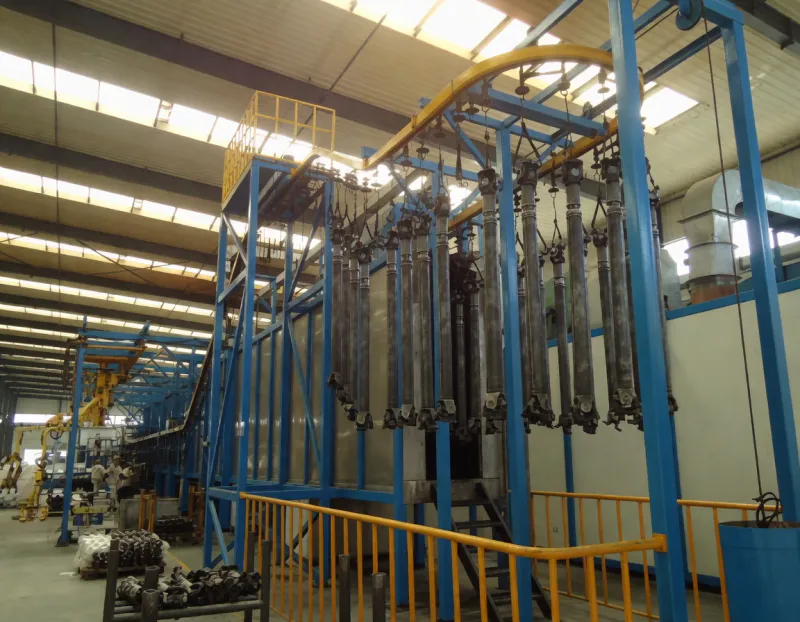
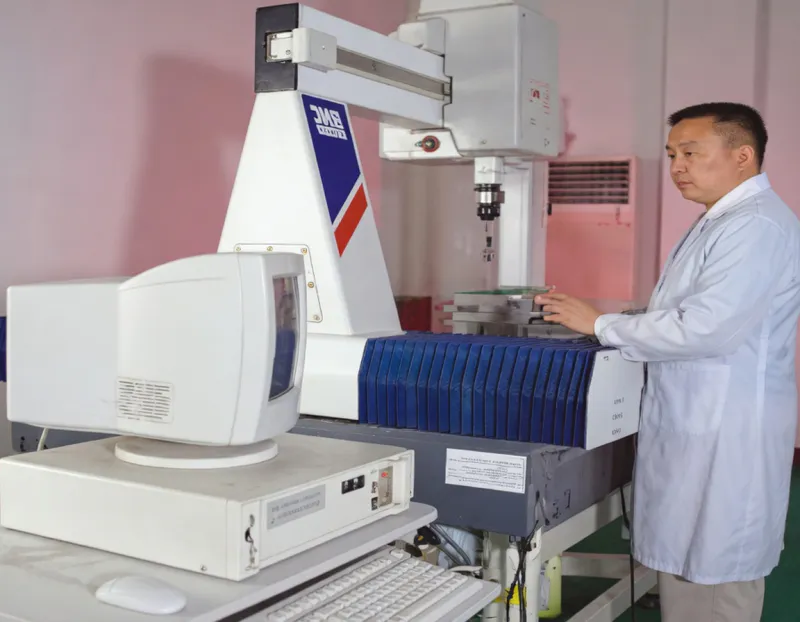
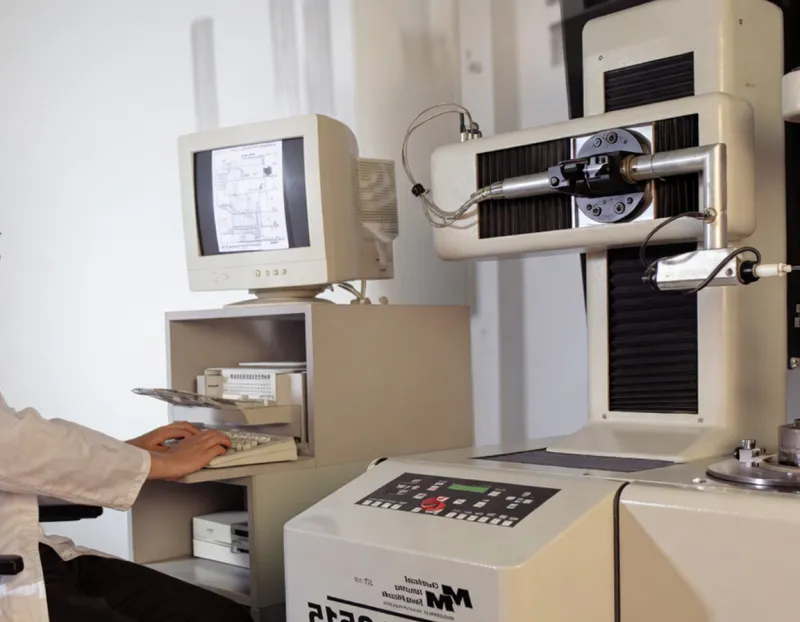
Our manufacturing facility operates CNC turning centers, precision grinding machines, and in-house heat treatment lines for induction hardening and carburizing. Every production batch undergoes dimensional inspection using CMM (Coordinate Measuring Machine) equipment, and bearing cup assemblies are tested for axial play, rotational drag, and seal integrity before packaging. This process gives every unit that leaves our facility a documented quality trail from raw material to finished part.
Bengkel

11. Related Products — Complete Drivetrain Compatibility for Your MAZDA Universal Joint Repair
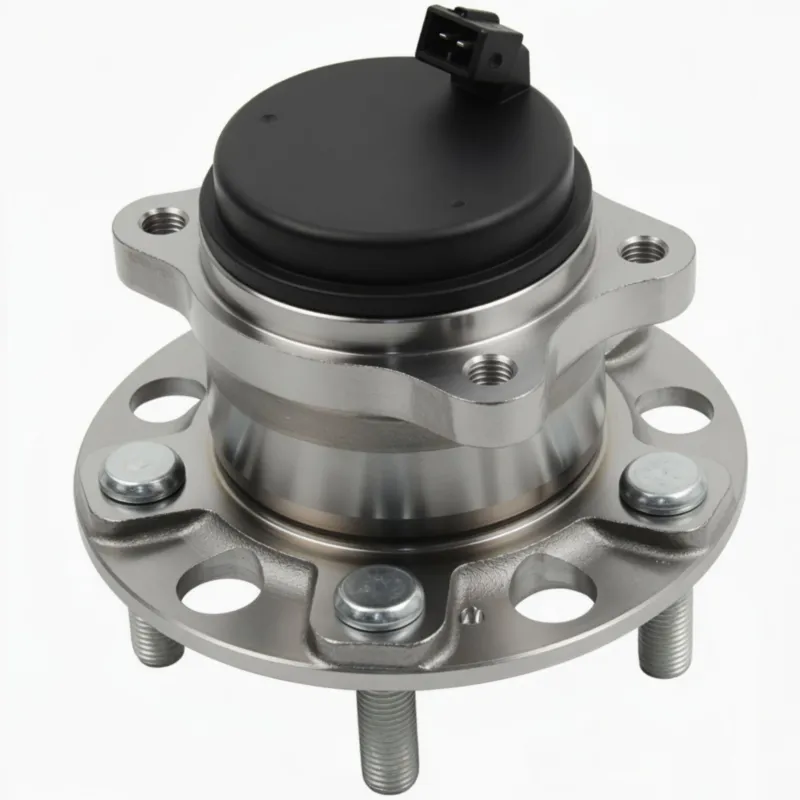
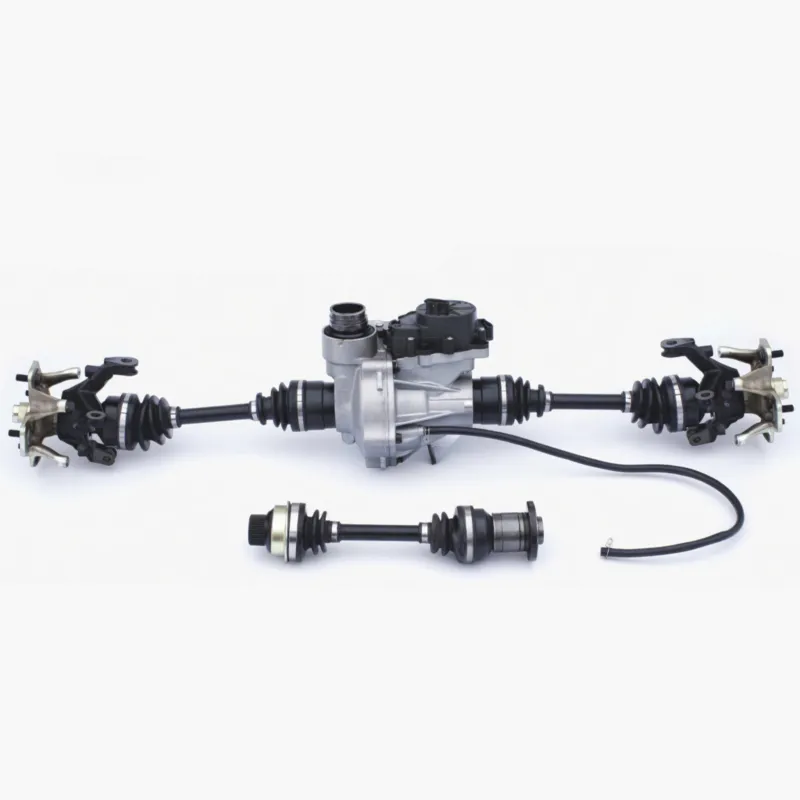
The MAZDA Universal joint forms part of a wider drivetrain assembly. For optimal system performance and simplified procurement, we also manufacture the mating components used alongside the MAZDA Universal joint in Mazda vehicles — including wheel hubs and axle shafts. Combining these components from the same engineering family eliminates dimensional compatibility uncertainties and supports a one-stop sourcing model for your entire steering and driveshaft repair programme, serving workshops and importers throughout Colombia and the Andean automotive market.
Frequently Asked Questions — MAZDA Universal Joint
Editor: PXY