
Description
1. Technical Specifications — Full Truck Wheel Model Range
Swipe horizontally on mobile devices to view all columns of the specification table.
| Size | Bolt Qty. | PCD (mm) | Bolt Dia.(mm) | Center Hole Dia.(mm) | Offset (mm) | Stud Style | Applicable Tyre | Applicable Vehicle |
|---|---|---|---|---|---|---|---|---|
| 5.50F-16 | 5 | 203.2 | 29 | 146 | 124 | SR22 | 7.00-16 7.50-16 |
Jianghuai 6700 Yangzi |
| 5.50F-16 | 5 | 203.5 | 32 | 146 | 124 | / | 7.00-16 7.50-16 |
/ |
| 6.00G-16 | 5 | 203.5 | 29 | 146 | 135 | / | 7.50-16 8.25-16 |
/ |
| 5.50F-16 | 6 | 222.25 | 32 | 163 | 124 | SR22 | 7.00-16 7.50-16 |
Erqi Light Truck 1061 |
| 5.50F-16 | 6 | 205 | 29 | 161 | 124 | SR22 | 7.00-16 7.50-16 |
Jianghuai 6600 |
| 5.50F-16 | 6 | 203.2 | 32 | 140 | 124 | SR22 | 7.00-16 6.50-16 |
Juli Tricycle |
| 5.50F-16 | 6 | 205 | 21 | 161.5 | 124 | rightangle | 7.00-16 7.50-16 |
Nanjing Yuejin 1043 |
| 5.50F-16 | 6 | 180 | 20.5 | 141.5 | 122 | rightangle | 7.00-16 7.50-16 |
Nanjing 136 |
| 5.50F-16 | 6 | 190 | 20.5 | 140 | 120 | SR22 | 7.00-16 6.50-16 |
Beijing 130 Series |
| 5.50F-16 | 6 | 190 | 20.5 | 140 | 127 | SR22 | 7.00-16 6.50-16 |
Small Jiefang CA1046 Series |
| 5.50F-16 | 6 | 184 | 27 | 133 | 117 | SR22 | 7.00-16 6.50-16 |
/ |
| 5.50F-16 | 6 | 208 | 32 | 150 | 125 | / | 7.00-16 6.50-16 |
/ |
| 6.0GS-16 | 6 | 222.25 | 32 | 163 | 135 | SR22 | 7.50-16 8.25-16 |
Jianghuai, Yutong |
| 6.00G-16 | 6 | 190 | 20.5 | 140 | 135 | SR22 | 7.50-16 8.25-16 |
130 Agricultural Vehicle, Dump Truck |
| 6.5-16 | 6 | 222.25 | 32 | 163 | 140 | SR22 | 8.25-16 | Jianghuai, Yutong, Yunkang Agricultural Vehicle |
| 6.5-16 | 6 | 190 | 20.5 | 140 | 140 | SR22 | 8.25-16 | Jianghuai, Yutong |
| 7.00T-16 | 6 | 222.25 | 32 | 163 | 147 | SR22 | 9.00-16 7.50-16 |
Agricultural Vehicle |
| 6.00G-16 | 8 | 212 | 24 | 161 | 135 | Sr22 | 8.25-16 | Dalishen |

2. Five Key Advantages of the EP Light Truck Wheel
1. Broad Dimensional Compatibility
With five rim size designations across a range of bolt quantities (5, 6, or 8), pitch circle diameters spanning 180 mm to 222.25 mm, and center hole diameters from 133 mm to 163 mm, this truck wheel series covers more light vehicle platforms than any single alternative product. A single procurement channel can supply wheel replacements for diverse fleet compositions without sourcing from multiple vendors — simplifying stock management and reducing minimum-order fragmentation across different vehicle models in Colombian regional transport and distribution fleets.
2. Dual Stud Style Support
The availability of both SR22 spherical nut seat and right-angle (rightangle) seat configurations within the same product family means that this wheel series covers both current-generation metric fastener assemblies and older flange-nut platforms. Fleet maintenance managers operating mixed-age vehicle pools — common among Colombian regional carrier and agri-logistics operators — can consolidate their wheel supplier to a single source while still accurately matching the stud seat geometry required for each vehicle’s hub fastener system, eliminating the risk of improper seating that causes fastener loosening in service.
3. Verified Weld Integrity on Every Unit
Tube type wheel performance depends critically on the quality of the disc-to-rim weld — any defect creates an air leakage path that the separate inner tube cannot compensate for. Every EP light truck wheel undergoes 100% air leakage testing on a sealed pressure test rig before being released from the production line, confirming that the multi-point projection weld is free of porosity or incomplete fusion across the entire disc-rim interface. This production-integrated test result — not a sample-based statistical inference — is what backs the quality declaration provided with each shipment batch.
4. Corrosion-Resistant Surface Treatment
Following shot blast cleaning to Sa 2.5 surface preparation standard, each wheel receives a zinc-rich primer coat followed by a polyester topcoat system providing a combined dry film thickness exceeding 80 μm. The complete coating system achieves more than 504 hours salt spray endurance per ASTM B117 testing — a standard directly relevant to light truck wheel service life in Colombia’s coastal and humid tropical operating environments. Silver-gray standard finish is compatible with the wheel cap and hubcap accessories used on most Colombian light commercial vehicle platforms.
5. Dynamic Balance Certification per Unit
Each wheel is dynamically balanced on a high-speed balance machine before dispatch, with the residual imbalance value recorded and included in the batch quality record. For light truck applications — where steering feedback is more sensitive to wheel imbalance than on heavy trucks — this ensures that replacement wheels do not introduce vibration at highway speed that the driver perceives as a handling deficiency in the vehicle. Colombian road conditions, combining high-quality toll motorways with rural secondary surfaces, create a wide speed range over which wheel balance quality is perceptible, making per-unit dynamic balance testing a directly relevant operational benefit rather than a theoretical quality distinction.
3. How the Tube Type Steel Truck Wheel Works
A tube type steel truck wheel performs the same fundamental structural and load-transmitting functions as any road wheel — supporting the vehicle load through the rim bead seat, transmitting braking and driving torques from the axle hub through the disc bolt circle, and maintaining the geometric relationship between the hub and tire contact patch that determines handling response and tire wear pattern. What distinguishes the tube type configuration from a tubeless wheel is the sealing method: rather than relying on a hermetically sealed interface between the tire bead and the rim bead seat to retain inflation air, the tube type wheel contains a separate inner tube that carries the air pressure independently of the tire-rim interface. This means that the bead seat surface finish and the rim well geometry do not need to meet the elevated sealing standards required for tubeless operation — making tube type wheels easier to manufacture at lower cost and more tolerant of minor bead seat surface irregularities that would cause chronic slow air leaks in a tubeless application.
The load path through this light truck wheel follows the same mechanical principles as all roll-formed steel wheels. Vehicle weight acts downward through the axle to the hub, and from the hub through the bolt circle to the wheel disc. The disc transmits this load as bending and membrane stress through the spoke material to the disc-rim weld zone, and then into the rim barrel as a combination of hoop tension (from tire inflation pressure), radial bending (from the vertical road load), and lateral bending (from cornering forces). The 16-inch rim diameter and the relatively short barrel length of the 5.50F to 6.5-inch rim width range used in this series represent a well-established structural geometry for light truck applications where the governing loads are vertical road reaction forces and the moderate lateral forces associated with light commercial vehicle handling. Stud style selection — SR22 spherical seat or right-angle seat — determines how the fastener clamping load is distributed across the disc bolt hole countersink and, therefore, how consistently the wheel remains centered and clamped on the hub under the cyclic load variations produced by driving, braking, and cornering. SR22 spherical seats achieve good load distribution across a range of stud angle tolerances; right-angle seats work correctly with compatible square-shoulder fasteners and are specific to vehicle platforms designed for that configuration.
4. Materials and Manufacturing Process
The EP light truck wheel is manufactured from flat-rolled structural steel grades selected to meet the forming, welding, and fatigue performance requirements of the specific rim and disc profile for each model. Rim barrel stock uses structural steel with minimum yield strength of 340 MPa and minimum tensile strength of 440 MPa — grades that provide the combination of formability required for the roll-forming process and the strength required to resist the hoop stress generated by tire inflation pressure and the bending stress produced by road load cycling across the rim cross-section. Disc material specification includes grades with sufficient draw depth capacity to form the spoke and hub flange geometry without cracking, and adequate through-thickness toughness to withstand the impact loads from road debris and pothole strike events that light commercial vehicles on Colombian secondary roads encounter regularly.
The complete manufacturing sequence begins with material inspection at goods receipt — yield strength and tensile strength verification by coupon testing, and surface quality inspection for scale, pitting, and coating defects that would compromise press forming or weld quality. Rim roll forming produces the barrel profile and bead seat geometry from the strip blank through a sequential multi-roller process. Disc stamping produces the mounting face, bolt hole pattern, center bore, and spoke geometry in a series of press operations. Disc-to-rim assembly positions the formed disc into the rolled rim barrel, and multi-point projection welding joins them along the full disc flange perimeter. Post-weld operations include any required hole drilling or tapping, followed by shot blast cleaning to remove weld spatter and surface oxides, phosphate conversion coating for corrosion protection and paint adhesion, zinc-rich primer application, and polyester topcoat application. Final inspection covers dimensional checking of bolt hole circle, center bore, and face runout on CMM equipment, dynamic balance measurement, and the air leakage test that confirms weld integrity before the completed truck wheel is cleared for dispatch.

5. Application Scenarios Of Truck Wheel
This tube type steel truck wheel series covers the main light commercial and agricultural vehicle categories operating across Colombia and neighboring Latin American markets. Below are the primary application areas where this wheel specification is most frequently specified.
Light Pickup and Utility Trucks
The 5.50F-16 wheel in 6-bolt configurations covers the bolt circle specifications of widely operated light pickup platforms used throughout Colombia for rural goods transport, construction site logistics, and multi-purpose commercial delivery. These vehicles make up a significant proportion of the registered commercial vehicle population in Colombian departamentos outside major urban centers, and the availability of documented-quality truck wheel replacement stock with matching stud seat geometry is a persistent procurement challenge that this series directly addresses for fleet workshops and independent service points.
Urban Distribution and Last-Mile Delivery Vans
Light commercial vans and small cab-chassis trucks used for urban package delivery, food distribution, and retail supply chains in Colombian cities operate on daily multi-drop routes with high mileage intensity relative to their vehicle size. Frequent curb contact, speed bump impacts, and variable road surface quality in secondary urban streets create conditions where rim structural integrity and dimensional accuracy under cyclic loading are more demanding than the vehicle’s size would suggest. The 6-bolt 5.50F-16 and 6.00G-16 variants with larger PCD configurations address the wheel specifications of the van and cab-chassis platforms most commonly used in Colombian urban logistics operations.
Agricultural Transport and Rural Service Vehicles
The 7.00T-16 variant accommodating 9.00-16 tires and the 6.5-16 series with 8.25-16 tire capability serve the agricultural vehicle segment — light trucks, three-wheelers, and small cab-chassis vehicles operating on unpaved farm access tracks and rural roads in Colombian agricultural regions including the Llanos Orientales, the Cauca Valley, and the Altiplano Cundiboyacense. Tube type tire construction remains standard on many agricultural light vehicles where road conditions make tire and tube replacement easier to perform in rural locations than tubeless repair. This wheel series maintains compatibility with the tube-type tire fitments required in these applications.
Minibuses and Light Passenger Transport
Small-capacity passenger vehicles used for rural inter-town route service and urban feeder transit — a category well-established in Colombian secondary cities and inter-municipal transport routes — commonly use 16-inch tube-type wheels that fit within the limited wheel arch clearance typical of vehicle bodies built on light truck chassis. The 6.0GS-16 and 6.00G-16 wheel variants with SR22 stud style and 222.25 mm PCD address the wheel specifications of the major minibus platforms most widely used in this application, where wheel reliability directly affects passenger safety on mountain routes and rural roads with limited roadside service access.
Municipal and Construction Equipment
Light trucks used for municipal refuse collection, road maintenance patrols, and construction site supervision on infrastructure projects throughout Colombia’s road and civil construction sector typically operate over the widest range of road surface conditions encountered by any light vehicle class. The structural robustness of roll-formed steel construction — combined with the tube type compatibility required on many of the heavier light commercial vehicle chassis models used in these applications — makes this wheel series the practical specification choice over cost-comparable alternatives with lower weld inspection standards or thinner disc material specifications.
OEM Supply and Fleet Standardization Programs
Vehicle assembly operations and fleet operators standardizing replacement wheel specifications across multi-model vehicle pools benefit from sourcing this series as a direct fit for multiple platform configurations from a single manufacturing source. OEM-format dimensional drawing documentation, material certification records, and batch-level quality traceability provide the supplier qualification evidence required for formal OEM supplier registration processes. Colombian vehicle importers and assembly operations can request first-article inspection reports and engineering drawing packs to facilitate integration of this truck wheel into their approved parts catalogues and fleet maintenance programs.
6. Standards Compliance and Regulatory Framework of Truck Wheel
Steel wheels for light commercial vehicles are subject to safety, dimensional, and material quality standards that vary by export market and vehicle application. The EP tube type light truck wheel series has been produced under quality management processes aligned with the requirements that apply across its key target markets. ISO 9001:2015 quality management system certification provides the documented process control framework that corporate fleet procurement, OEM supplier qualification, and regulatory compliance auditors most commonly require as a baseline supplier qualification criterion. The national-level wheel testing center operating within the production facility conducts wheel cornering fatigue testing, radial fatigue testing, 13-degree and 90-degree impact tests, weld penetration verification, imbalance inspection, air leakage test, salt spray corrosion testing, dimensional CMM inspection, and runout measurement — collectively the full scope of performance verification required by all major commercial vehicle wheel standards.
In Colombia, commercial vehicle safety regulations administered by the Ministerio de Transporte — including Resolución 4100 de 2004 on maximum vehicle dimensions and axle loads, and the ICONTEC-developed national standards aligned with ISO and SAE frameworks — govern the technical requirements for vehicle wheel specifications used in registered commercial vehicles. Fleet maintenance workshops operating in Colombia should verify that replacement wheels carry the applicable quality documentation for the vehicle’s homologation file: specifically, the ISO 9001 certificate and wheel test report aligned with the equivalent ISO 3894 rim dimension standard and the SAE J267 wheel performance and test procedure standard for light commercial vehicles. For cross-border trade within the Andean Community (CAN) comprising Colombia, Peru, Ecuador, and Bolivia, ICONTEC standards alignment with common ISO references facilitates customs documentation. For exports to Brazil, INMETRO product certification requirements apply; for European OEM supply, ECE Regulation No. 54 and ISO 3894 provide the applicable rim dimension framework. The SR22 stud seat specification used on the majority of models in this series conforms to the SAE J1100 and ISO standards for spherical nut seat geometry most widely adopted in light vehicle manufacturing across Latin American markets.
7. À propos de nous
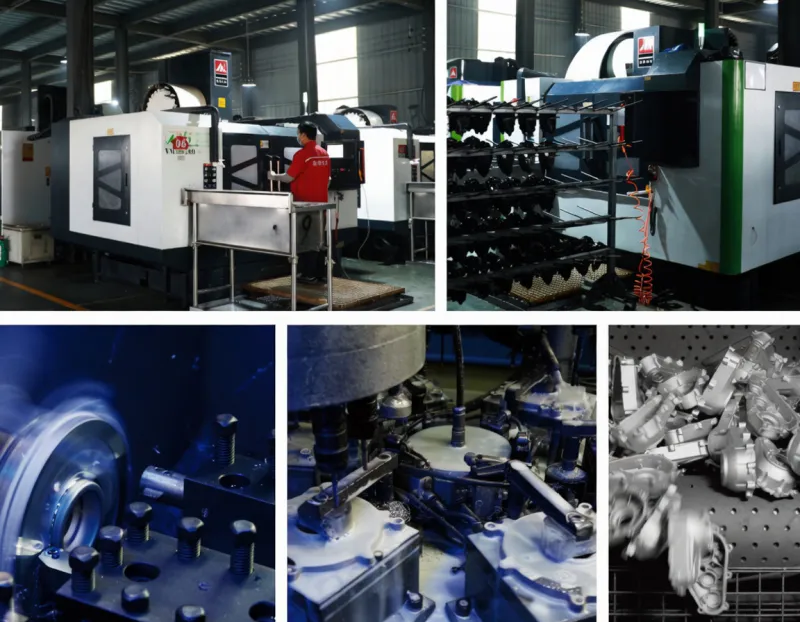
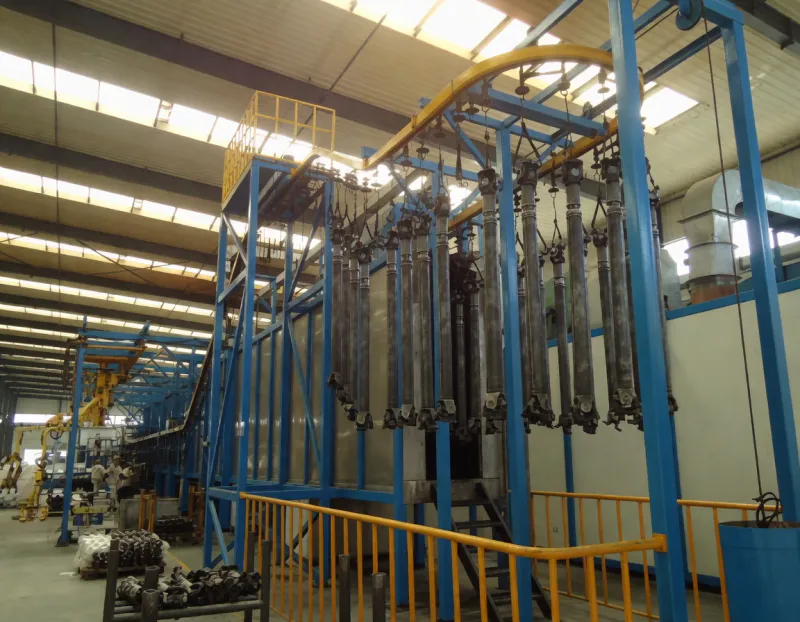
We are a globally recognized manufacturer of roll-formed steel wheels, specializing in the full range of commercial vehicle wheel categories from light truck wheels through passenger car wheels, heavy truck tubeless wheels, trailer wheels, and agricultural vehicle wheels. Our production facilities operate seven wheel manufacturing bases with a combined annual capacity reaching 25 million pieces per year, incorporating automated production lines equipped with world-class stamping, roll-forming, welding, and surface treatment equipment sourced from Germany, Sweden, Japan, Spain, and other precision manufacturing nations. The production lines maintain 100% in-line quality inspection covering dynamic balance, air leakage, dimensional runout, and CMM-based bolt circle and center bore verification — production-integrated testing rather than sample-based statistical quality assurance.
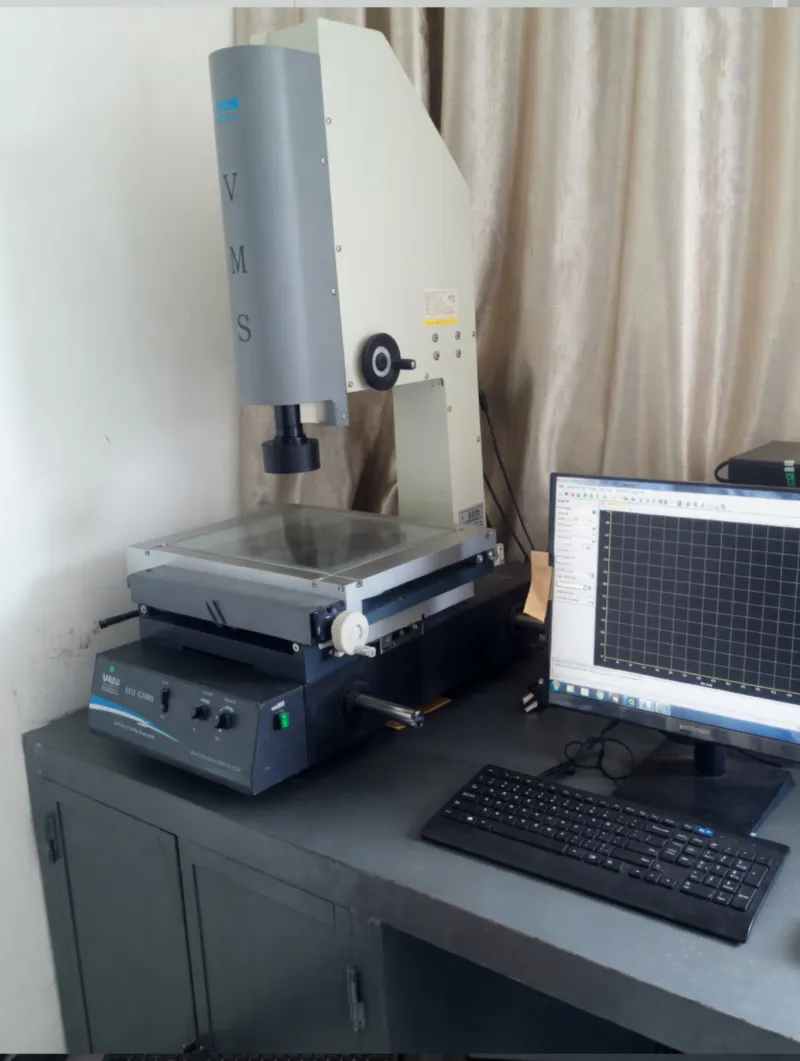
Our national-level testing center is a specialized institution for wheel performance verification, equipped with German RMS cornering fatigue test machines, US ITS radial fatigue test machines, impact test rigs, salt spray chambers, CMM inspection systems, spectral analysis equipment, and the complete instrumentation suite required to execute all standard wheel performance and material test protocols. This facility capability underpins the quality declarations provided with every shipment batch and supports the supplier qualification evidence requirements of OEM customers in Colombia, North America, Europe, and Southeast Asia.
Atelier

8. Related Products — Complete Your Wheel and Axle System
A properly functioning wheel assembly requires compatibility between the wheel, the hub, and the axle bearing. We manufacture and supply the complementary components needed for complete, one-source axle wheel assembly procurement — ensuring dimensional compatibility from hub pilot bore to tire contact patch.
Moyeux de roue
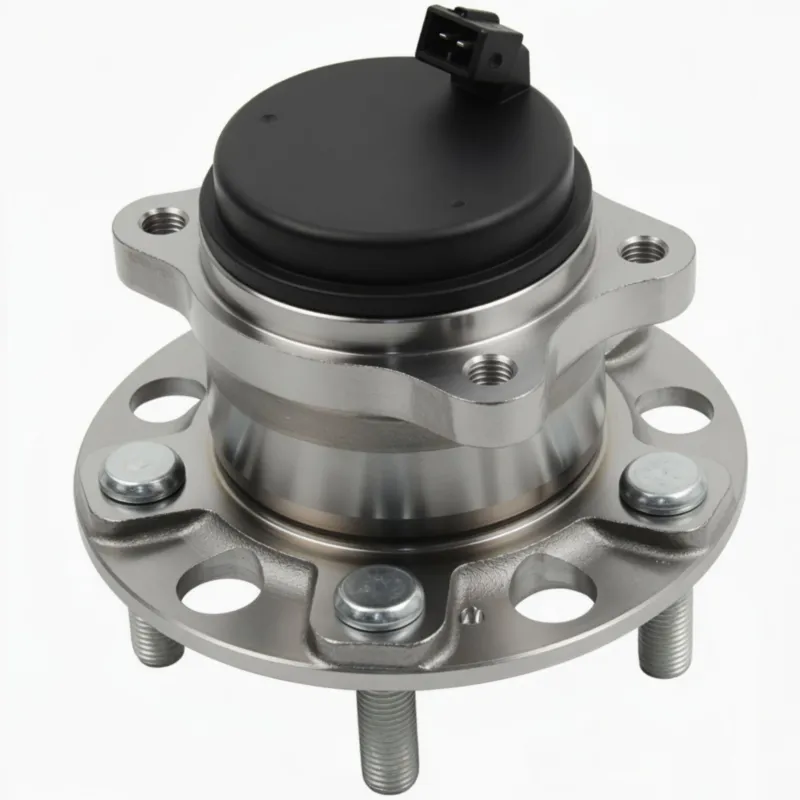
The wheel mounts directly to the wheel hub, making hub pilot bore diameter and bolt circle geometry the primary dimensional interface that must match between wheel and hub for correct centering and fastener load distribution. Our Moyeux de roue for light commercial vehicle applications are machined to center bore and bolt circle tolerances that directly correspond to the EP tube type truck wheel specification — eliminating center bore interference fit issues and bolt misalignment that cause vibration and uneven fastener loading in service. Sourcing the wheel and its mating hub from the same manufacturer also provides a unified dimensional documentation package that simplifies vehicle assembly and fleet maintenance procedures for Colombian light truck workshop operations managing diverse vehicle platforms under a single stock management system.
Essieu de remorque
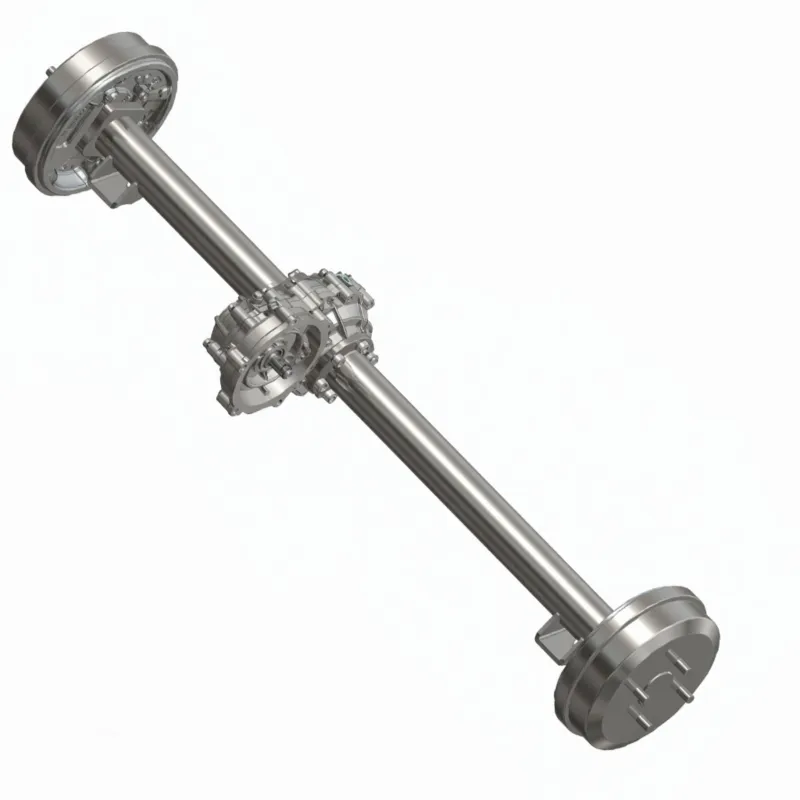
Light commercial trailer axles used on box trailers, flatbed trailers, and agricultural tipping trailers throughout Colombian rural and urban logistics operations must be dimensionally compatible with the wheel specification to ensure correct track width geometry, proper bearing load distribution, and accurate wheel-hub centering. Our Essieu de remorque assemblies are engineered with hub spindle specifications that match the center bore and bolt circle geometry of the EP light truck wheel series — providing complete axle-and-wheel system compatibility for trailer builders, fleet operators, and workshop replacement programs. The advantages of single-source system procurement extend beyond dimensional compatibility to include coordinated lead times, unified documentation for customs and compliance, and a single point of technical contact for application engineering questions across both components.
Foire aux questions
Éditeur : PXY