Deskripsi
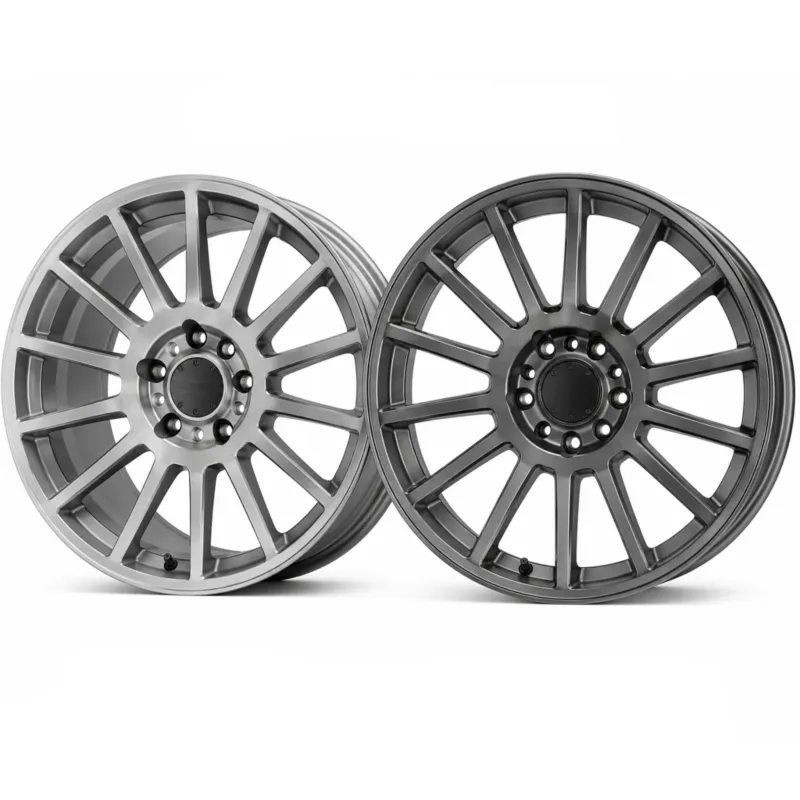
1. Standard Specification — Complete Model Range
Swipe horizontally on mobile to view all specification columns.
|
Nomor Bagian
|
Ukuran (inci)
|
Jumlah Baut
|
PCD (mm)
|
Diameter Lubang Tengah (mm)
|
Offset (mm)
|
Lubang Ventilasi
|
|---|---|---|---|---|---|---|
|
JG05J18
|
13 × 5
|
4
|
100
|
54
|
43
|
8
|
|
JG08J13
|
14 × 5,5
|
4
|
100
|
59.2
|
38
|
12
|
|
JG08J33
|
14 × 5,5
|
4
|
108
|
65
|
23
|
12
|
|
JG08J31
|
14 × 5,5
|
4
|
114.3
|
67
|
45
|
10
|
|
JG08J32
|
14 × 5,5
|
5
|
100
|
57
|
40
|
18
|
|
JG09JJ64
|
15 × 6
|
5
|
100
|
57
|
41
|
20
|
|
JG15JJ29
|
15 × 6
|
4
|
100
|
59
|
38
|
20
|
|
JG15JJ59
|
15 × 6
|
4
|
108
|
66
|
38
|
20
|
|
JG15JJ34
|
15 × 6
|
4
|
114.3
|
67
|
38
|
15
|
|
JG15JJ26
|
15 × 6
|
5
|
110
|
57
|
38
|
10
|
|
JG15JJ27
|
15 × 6
|
5
|
114.3
|
72.5
|
38
|
20
|
|
JG22J06
|
16 × 6.5
|
5
|
100
|
57.1
|
42
|
12
|
|
JG22J02
|
16 × 6.5
|
5
|
114.3
|
71.8
|
39
|
12
|
|
JG50J01
|
17 × 6.5
|
5
|
114.3
|
71.6
|
39
|
18
|
All dimensions in millimeters (mm) unless stated. PCD = Pitch Circle Diameter. Offset measured from wheel mounting face to rim centerline. Overall rim dimensions expressed as diameter × width (inches).
2. Five Key Advantages of the EP Winter Wheel
1. Complete Seasonal Separation Strategy
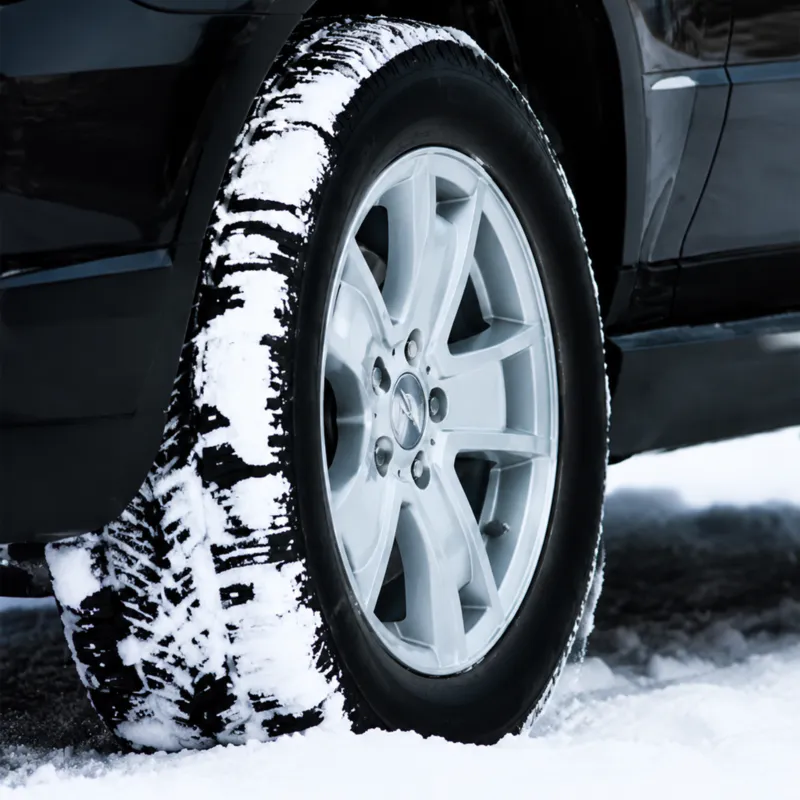
A dedicated steel winter wheel allows vehicle owners to maintain two fully assembled wheel-and-tire sets — one for summer, one for winter — and swap them at home or at any tire shop without specialized equipment. This eliminates annual tire mounting fees, reduces rim bead seat wear caused by repeated tire changes, and ensures the winter tires are always mounted at the correct pressure and properly balanced when the season begins. For Colombian highland vehicle owners who want reliable cold-season traction without ongoing service center dependency, this best winter wheel approach represents the most cost-efficient long-term solution across a vehicle’s service life.
2. Broad Vehicle Platform Coverage
With 14 model configurations spanning five rim diameters and four bolt circle dimensions (PCD 100 / 108 / 110 / 114.3 mm), this winter wheel series covers the fitment requirements of the vast majority of popular passenger cars and compact SUVs sold in Colombian and Latin American markets. A single supplier relationship replaces the fragmented sourcing that purchasing managers otherwise need to manage when equipping diverse fleet or dealership vehicle populations with winter wheel and tire packages. Silver winter wheel and black winter wheel finish options accommodate different vehicle aesthetic preferences at the same structural quality level.
3. Corrosion Resistance for Cold-Season Use
Winter wheel service environments are among the most corrosion-aggressive conditions a steel wheel encounters — road salt in temperate climates and cold wet mountain road moisture in Andean conditions both accelerate oxidation of inadequately protected steel. The EP winter wheel coating system — zinc-rich primer plus polyester topcoat exceeding 504 hours salt spray resistance per ASTM B117 — provides durable protection throughout repeated seasonal deployment cycles. The sealed silver or black topcoat also prevents the cosmetic deterioration that otherwise makes winter-only wheels appear heavily used when swapped back onto vehicles for storage inspection between seasons.
4. Precision Dynamic Balance on Every Unit
Every EP winter wheel is dynamically balanced before dispatch, with residual imbalance recorded per unit. Balanced winter wheels ensure that winter tire and wheel packages — when fitted and driven straight from the installer — do not generate steering vibration that customers might misattribute to winter tire compound stiffness or vehicle handling issues. For tire retailers assembling winter wheels and tires as a packaged product, receiving pre-balanced wheels substantially reduces shop labor time compared to balancing loose wheels individually before mounting. This is particularly relevant for high-volume seasonal changeover service points in Colombian dealerships and tire chains.
5. Cost-Effective Alternative to Alloy Wheels
Alloy wheels are expensive assets that many vehicle owners prefer not to expose to winter road conditions, gravel, and mountain terrain. Using the EP steel winter wheel as the winter-duty set preserves alloy wheels for summer use — extending alloy wheel service life while providing a structurally robust, corrosion-protected winter-season substitute at a fraction of alloy replacement cost. For a Colombian vehicle owner running on expensive alloy wheels, the decision to invest in cheap wheels for winter tires from a quality-certified steel manufacturer is straightforward economics supported by a documented four-bolt or five-bolt fitment match to the vehicle’s hub specification.
3. Design and Working Principle of the Snow/Winter Wheel
A winter wheel functions mechanically identically to any passenger vehicle steel wheel — it carries the vehicle weight through the rim bead seat into the tire, transmits traction and braking forces from the hub bolt circle through the disc to the tire contact patch, and maintains the geometric relationship between the hub and the rolling tire that the vehicle manufacturer has specified for correct suspension and handling response. What makes a wheel specifically suitable for winter tire and snow tire use is a combination of dimensional precision, structural robustness, and surface protection properties rather than any fundamentally different mechanism of operation. The critical dimensions that define compatibility with a specific vehicle hub are the same four values applicable to any wheel specification: rim diameter, rim width, bolt circle PCD, center hole diameter, and offset. In the EP series, center hole diameters range from 54 mm (JG05J18, 13×5) to 72.5 mm (JG15JJ27, 15×6), and offsets range from 23 mm to 45 mm across the fourteen configurations — each value matched to the hub interface geometry of the vehicle platforms the wheel was designed to serve.
The roll-forming production process used for these wheels produces the rim barrel by progressively shaping flat steel strip through a sequence of rollers to the final cross-sectional profile — a method that creates consistent wall thickness, good grain structure alignment in the hoop direction, and accurate bead seat geometry without the porosity or thickness variation that can occur in casting processes. The disc is pressed from a steel blank to form the spoke pattern, bolt holes, center bore, and mounting face, then joined to the rim barrel by circumferential welding. The ventilation holes specified for each winter wheel model (from 8 in the smallest size to 20 in larger configurations) perform the essential function of allowing air circulation past the brake components during driving — a function that remains important in winter driving cycles where sustained braking on alpine descents can generate significant heat even in cold ambient conditions. The combination of these design elements produces a winter wheel that performs reliably across the full service cycle: cold installation on a frost-covered mountain morning, sustained alpine descent braking, motorway cruising, and repeated seasonal storage and remounting over multiple years.
4. Material and Surface Protection
The EP snow/winter wheel is produced from flat-rolled structural steel grades selected to meet the combination of cold formability, weld quality, and fatigue performance that the passenger vehicle wheel application requires. The disc is stamped from carbon steel sheet with minimum yield strength of 280 MPa and tensile strength of 380 MPa — grades that deliver the draw depth needed to form the spoke and hub flange geometry without cracking, and sufficient through-thickness impact resistance to absorb the pothole and kerb impact loads that wheels encounter on secondary roads in Colombian mountain departamentos. The rim barrel is roll-formed from a compatible structural steel strip, and the disc-to-rim weld is produced by circumferential projection welding and verified by 100% air leakage testing before surface treatment begins. This weld integrity test is non-negotiable for tubeless passenger vehicle wheels because any porosity in the weld creates a slow air leakage path that the vehicle owner may not notice until tire pressure has dropped to an unsafe level.
Surface protection begins with shot blast cleaning to Sa 2.5 standard — removing mill scale and surface oxides to create a clean, profiled substrate for coating adhesion. Phosphate conversion coating follows, providing additional corrosion inhibition at the steel surface and acting as a chemical primer layer beneath the coating system. Zinc-rich epoxy primer is applied at 30–40 μm dry film thickness, providing active cathodic protection of the steel if the topcoat is scratched through to bare metal. The polyester topcoat — applied at 60–80 μm — provides UV stability, abrasion resistance, and the clean silver-gray or black aesthetic expected of a winter wheel product across its seasonal storage and service cycle. The combined coating system achieves more than 504 hours salt spray endurance per ASTM B117, a test standard directly relevant to the saline-laden road spray that winter wheels encounter in climates using road deicing agents, and applicable to the cold wet mountain environment experienced on Colombian highland passes during rainy season and cold night conditions at altitude.
5. Skenario Aplikasi
The EP winter wheel series serves a range of passenger vehicle applications where seasonal tire changes, cold-weather traction requirements, or wheel economy strategies drive the specification decision. Below are the primary deployment scenarios.
Colombian Andean Highland Passenger Vehicles
Vehicles operating at altitudes above 2,000 meters in Colombia’s Andean cordillera — serving Bogotá, Manizales, Pasto, Tunja, Popayán, and inter-city mountain pass routes — encounter road surface conditions in the cold rainy season and overnight frost periods that substantially reduce the grip of standard all-season tires. A winter wheel and tire package fitted with certified winter tires provides measurably better wet cold and early frost traction on these routes. The EP series 15-inch and 16-inch configurations cover the rim sizes of the most widely operated compact passenger cars in Colombian highland cities.
Rental Car Fleet Seasonal Changeover Programs
Rental car operators in markets with pronounced cold seasons — including highland Colombian operations and northern hemisphere import markets — maintain separate winter wheel sets per vehicle to enable rapid seasonal changeovers without dedicated tire service appointments. The EP series, available in all major passenger car bolt patterns from 4×100 to 5×114.3, allows rental fleet managers to specify a single winter wheel and tire packages supplier for their mixed-brand vehicle pool and store unmounted sets efficiently during the off-season without needing tire racks or mounted assembly storage infrastructure.
Automotive Dealership Seasonal Package Sales
Automotive dealerships in highland and mountain regions build winter wheel and tires as a value-add package sold alongside new vehicle deliveries — particularly for customers who specify OEM alloy wheels and want to protect that investment from cold-season road conditions. The EP steel winter wheel is offered at a price point that makes the packaged deal attractive without the dealer needing to discount vehicle pricing to cover wheel costs. Winter wheel for sale programs built around this series can be structured by dealers as annual subscription changeovers, generating recurring workshop revenue alongside the wheel and tire product margin.
Tire Retail Aftermarket — Winter Wheel Sale Programs
Independent tire retailers assembling and selling winter wheels and tires as a seasonal product represent a major distribution channel for the EP series. Tire shops in Colombian highland cities that offer complete winter wheel and tire packages as pre-assembled seasonal products generate additional revenue while providing customers with the convenience of a fitted and balanced solution ready for immediate installation. The low cost of steel winter wheels versus alloy alternatives allows retailers to offer discount tire and winter wheel combinations that convert cold-season service appointments into complete wheel set sales with higher per-transaction value.
Commercial Fleet Vehicles in Cold Mountain Service
Light commercial vans and company car fleets operating in Colombian mountain territories — including pharmaceutical distribution vehicles covering highland health posts, utility company field fleets, and government service vehicles operating at altitude — benefit from the EP winter wheel’s steel durability and corrosion resistance for sustained cold-season operation on unpaved mountain access roads. Fleet procurement managers appreciate the standardized documentation package — ISO 9001 certificate, wheel test report, and material certificates — that satisfies internal supplier qualification requirements without the extended sourcing lead time of custom or specialty wheel procurement.
OEM and Tier-1 Supply for Winter-Market Vehicles
Vehicle assembly plants producing models destined for northern hemisphere or southern hemisphere cold-climate markets specify factory-fitted winter wheels as an option on certain trim levels. The EP series supports OEM supply at volume with full first-article inspection documentation, dimensional drawing confirmation, and batch material certificates. Custom center bore machining, non-standard offset configurations, and specific vent hole patterns can be produced to approved engineering drawings for model-specific OEM requirements not covered by the standard specification model range.
6. Standards Compliance and Winter Wheel Regulations
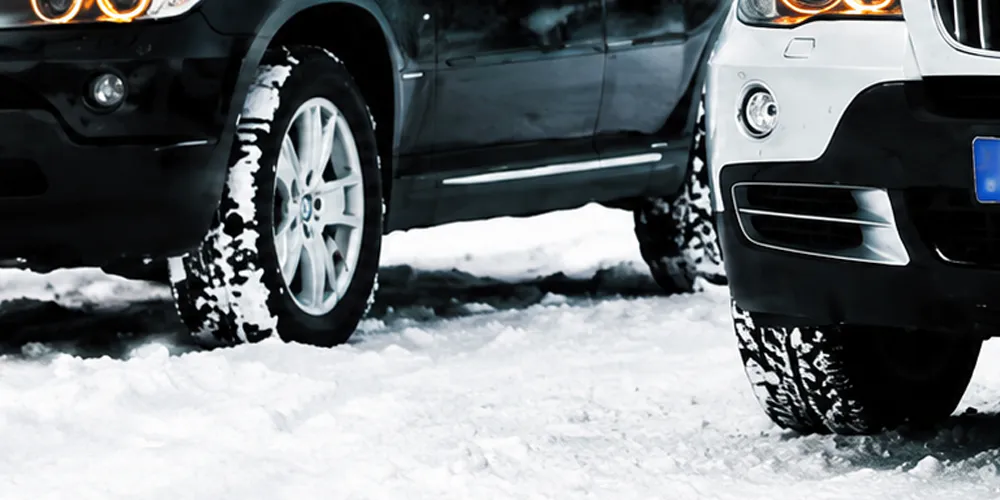
Winter wheel and winter tire regulations vary significantly by country and region, reflecting different climatic conditions, road safety priorities, and vehicle fleet characteristics. Understanding the applicable framework helps procurement teams and fleet managers select the right product and prepare the documentation needed for compliance demonstration in their target market. The EP series is manufactured under ISO 9001:2015 quality management certification and tested at a national-level wheel testing center equipped to execute all major international wheel performance and safety test protocols.
In Colombia, the Ministerio de Transporte administers the vehicle safety framework under which replacement wheel specifications are governed. Colombian Resolución 4100 de 2004 sets technical standards for commercial vehicle dimensions and axle loads, while vehicle homologation documents specify the wheel dimensions — diameter, width, offset, and bolt pattern — approved for each vehicle model. Replacement wheels must match these parameters; any deviation requires documentation showing the replacement is within the vehicle manufacturer’s approved fitment range. ICONTEC (Instituto Colombiano de Normas Técnicas y Certificación) develops technical standards aligned with ISO references for imported automotive components, and the EP winter wheel’s ISO 9001 certification and SAE-aligned wheel test reports satisfy the documentation requirements most commonly encountered in Colombian customs clearance and parts quality audit procedures. For Colombian highland municipalities and departamentos considering mandatory winter tire regulations on high-altitude routes — a policy adopted by several Andean countries to address seasonal road safety — fleet and vehicle operators should verify applicable local resoluciones and departamento-level traffic regulations that may apply on specific mountain road segments.
In Europe, winter wheel use is embedded in the regulatory landscape for vehicles operating in cold-season conditions. EU Regulation 2019/2144 on type approval requirements for vehicles includes provisions covering wheel and rim specifications, and several EU member states have enacted mandatory or situationally required winter tire laws — Germany under §2 StVO requires winter tires in icy, snow-covered, or frost-slippery conditions; Austria mandates winter tires from November 1 to April 15; Sweden and Finland have mandatory winter tire periods. In each of these markets, the winter wheel must conform to the tire-rim dimensional compatibility specifications defined in the applicable national standard or ETRTO (European Tyre and Rim Technical Organisation) dimensional tables. The EP series wheel dimensions conform to ETRTO-compatible rim geometry. In Canada — another key market for winter wheels and tires — provincial regulations in Quebec mandate winter tire fitment from December 1 to March 15, and several other Canadian provinces have analogous requirements or strong recommendations. SAE J1981 provides the relevant North American wheel performance and test methodology reference for passenger vehicle wheels including winter applications.
7. Tentang Kami
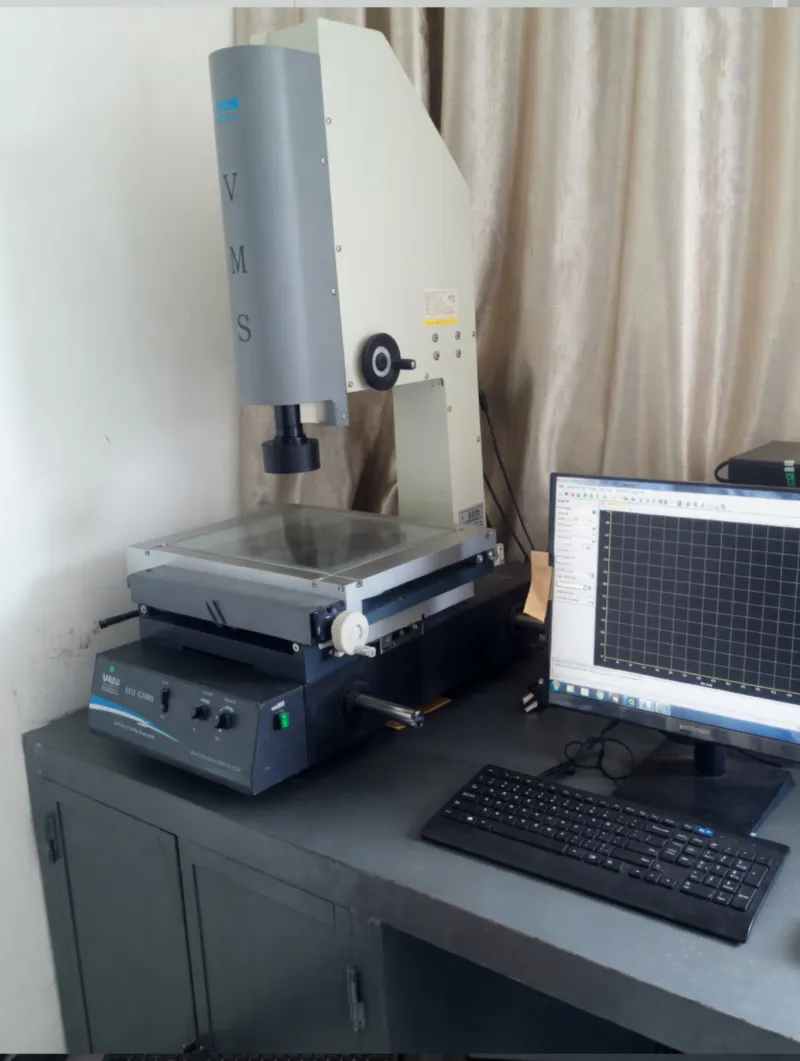
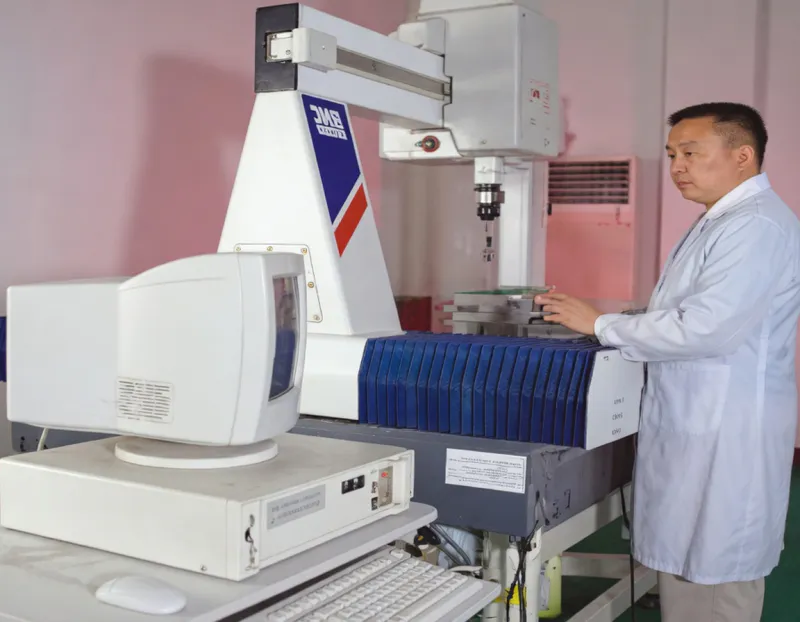
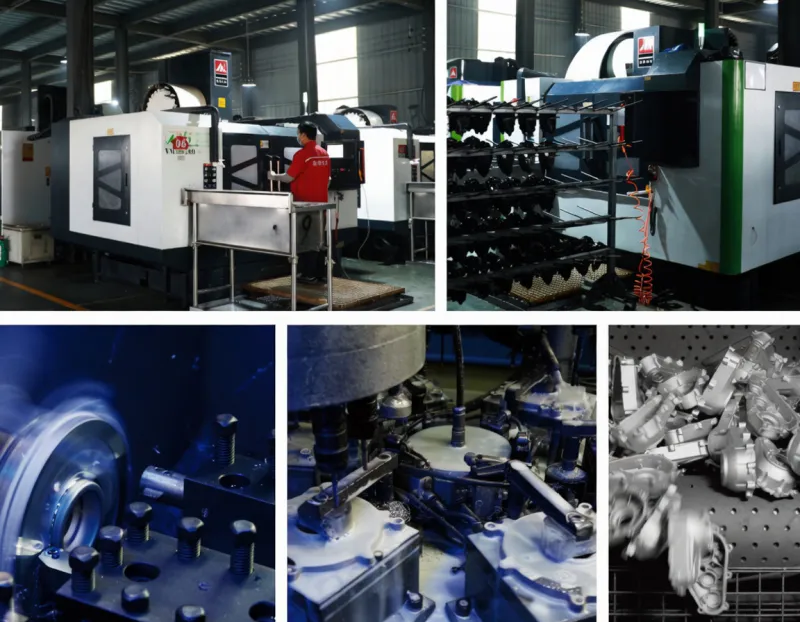
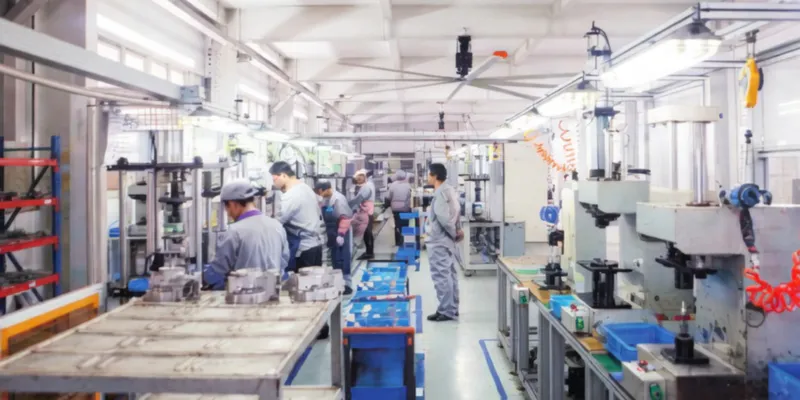
We are a globally recognized manufacturer of roll-formed steel wheels for passenger vehicles, light trucks, commercial vehicles, trailers, and agricultural machinery — operating seven wheel manufacturing bases with combined annual production capacity of 25 million units. Our production facilities are equipped with world-class tooling and equipment from Germany, Sweden, Japan, and Spain, incorporating rim flow forming technology, high-strength steel lightweighting techniques, and automated in-line inspection systems that verify dynamic balance, air leakage, runout, and bolt circle geometry on every completed wheel before dispatch. Our national-level testing center operates as a specialized institution for comprehensive wheel performance verification, executing wheel cornering fatigue, radial fatigue, impact tests, salt spray, CMM dimensional analysis, sparking spectral analysis, and the full range of material and film performance test protocols required by international passenger vehicle wheel standards.
Our passenger car and winter wheel product lines are supplied to major automotive OEM customers as well as to the global aftermarket through importers, distributors, tire retailers, and fleet procurement channels.
Bengkel
8. Related Products — Complete Your Wheel System
A correctly specified winter wheel works as part of a complete hub-and-axle system. We supply the complementary components needed to build fully compatible wheel assemblies from a single manufacturing source — simplifying procurement and eliminating dimensional compatibility risk between wheel and hub interface components.
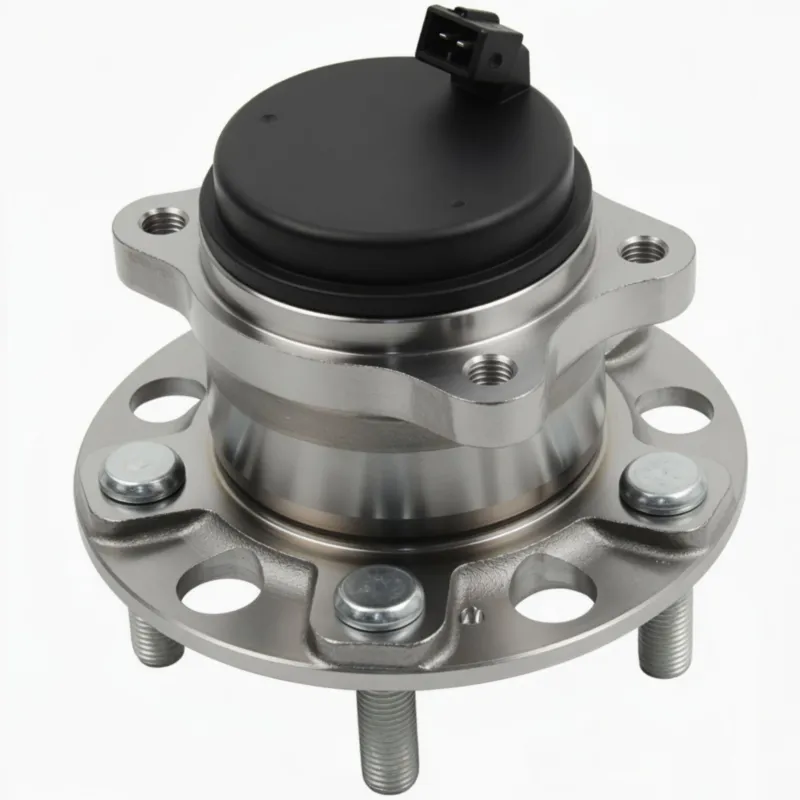
Hub Roda
The winter wheel mounts directly to the wheel hub, making hub pilot bore diameter and bolt circle geometry the primary compatibility interface between the winter wheel and the vehicle’s suspension assembly. A wheel hub with a pilot bore that does not exactly match the center hole diameter of the winter wheel creates centering error — typically perceived as steering vibration at highway speed even when the wheel itself is correctly balanced. Our Hub Roda for passenger car applications are machined to pilot bore and bolt circle specifications that directly correspond to the EP snow/winter wheel standard configurations — covering the 57 mm, 59 mm, 65 mm, 67 mm, and 72.5 mm center hole diameters present across the winter wheel model range. Sourcing both winter wheel and hub from the same manufacturer provides dimensional matching verification without independent measurement and a unified documentation package for supplier compliance records.
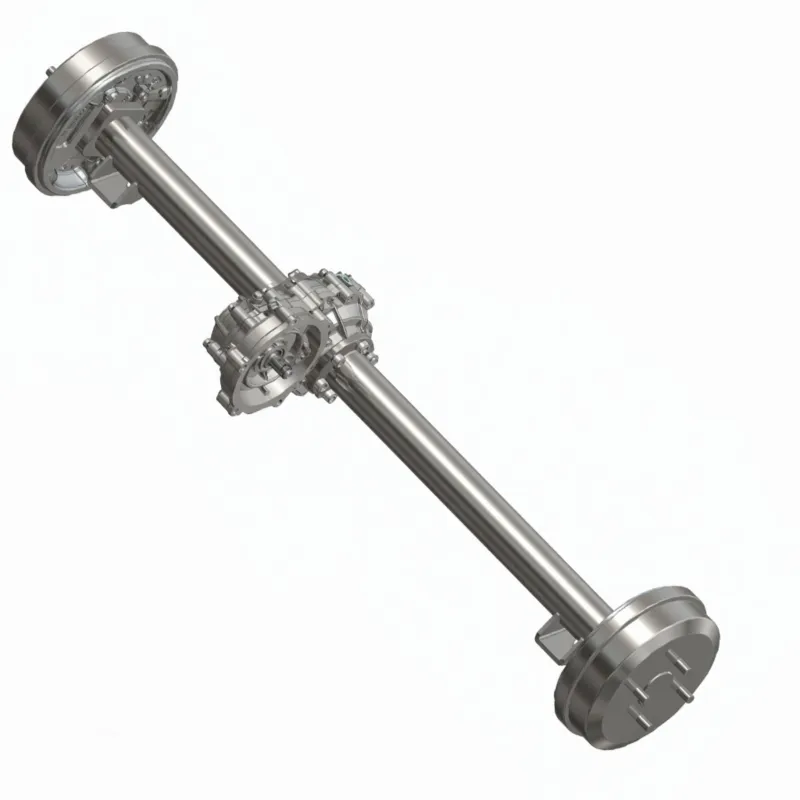
Gandar Trailer
Light utility trailers and camping trailers used by Colombian highland recreational vehicle owners and agricultural transport operators during cold-season mountain use benefit from the same winter-rated wheel specification as the towing vehicle. Our Gandar Trailer assemblies are engineered with hub spindle and bearing specifications compatible with the EP winter wheel’s center bore and bolt circle geometry — enabling trailer builders and fleet operators to specify the same winter wheel across vehicle and trailer in a combined system for matched winter traction performance and simplified spare wheel logistics. A single spare winter wheel carried on the vehicle covers both towing vehicle and trailer fitment when specifications are matched, a practical benefit on remote mountain routes where roadside assistance is not immediately available.
Pertanyaan yang Sering Diajukan
Editor: PXY