설명
1. Technical Specifications — EP Japan-Market Heavy Duty Truck Trailer Wheel
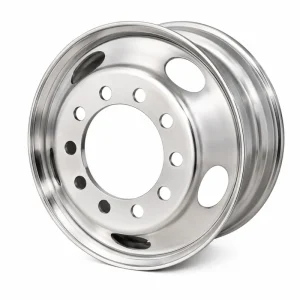
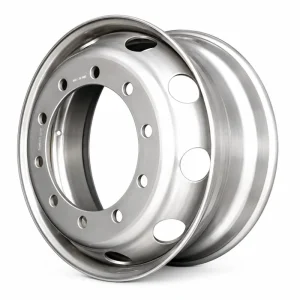
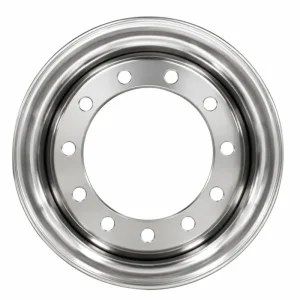
The table below covers the full EP Japan-specification heavy duty truck trailer wheel range, encompassing both 22.5×7.5 and 22.5×8.25 rim sizes across all available bolt circle, positioning, and center hole configurations. All dimensional data is provided in millimeters unless otherwise noted.
| 부품 번호 | 크기 | 볼트 수량 | PCD(mm) | Bolt Dia. (mm) | Center Hole Dia. (mm) | 오프셋(mm) | Vent Hole | Piloted |
|---|---|---|---|---|---|---|---|---|
| JG52SW15 | 22.5×7.5 | 10 | 335 | 26 | 281 | 165 | 10 | HUB |
| JG52SW16 | 22.5×7.5 | 10 | 335 | 32.5 | 281 | 165 | 10 | STUD |
| JG52SW03 | 22.5×7.5 | 10 | 335 | 26 | 281 | 168 | 10 | HUB |
| JG52SW08 | 22.5×7.5 | 10 | 285.75 | 26 | 220 | 168 | 2 | HUB |
| JG52SW06 | 22.5×7.5 | 10 | 285.75 | 32.5 | 221 | 165 | 10 | STUD |
| JG28SW36 | 22.5×8.25 | 10 | 285.75 | 26 | 220 | 166 | 2 | HUB |
| JG28SW53 | 22.5×8.25 | 10 | 285.75 | 26 | 220 | 168 | 10 | HUB |
| JG28SW09 | 22.5×8.25 | 10 | 285.75 | 32.5 | 221 | 168 | 5 | STUD |
| JG28SW10 | 22.5×8.25 | 10 | 285.75 | 32.5 | 221 | 168 | 10 | STUD |
| JG28SW30 | 22.5×8.25 | 10 | 335 | 26 | 281 | 165 | 10 | HUB |
| JG28SW77 | 22.5×8.25 | 8 | 275 | 26 | 221 | 165 | 8 | HUB |
| JG28SW78 | 22.5×8.25 | 8 | 275 | 32.5 | 214 | 165 | 8 | STUD |
Note: All dimensions are in millimeters. HUB = hub-piloted centering; STUD = stud-piloted centering. Confirm part number and piloting system against vehicle workshop manual before ordering to ensure correct fitment on Colombian-registered Japanese commercial vehicles.
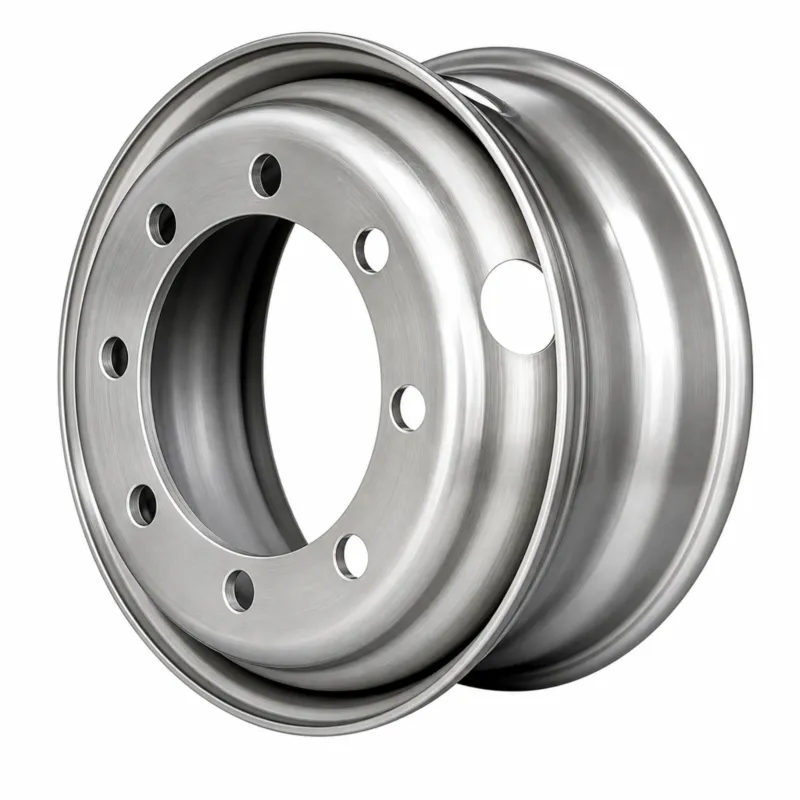
2. Five Key Advantages of EP Japan-Spec Truck Trailer Wheel
JIS-Compliant Dimensional Precision
Every truck trailer wheel in the EP Japan series Truck Trailer Wheel is manufactured to dimensional standards derived from Japanese Industrial Standards (JIS D 4218), including PCD tolerance within ±0.1 mm, center hole diameter accuracy within ±0.05 mm, and runout specifications that ensure smooth, vibration-free rotation from first installation. This dimensional precision eliminates the shimming adjustments and re-torque cycles that result from poorly fitting wheels — issues that become safety concerns on steep Colombian Andean descents where brake temperatures are high and wheel fastener integrity is critical.
Dual Positioning System Availability
The EP range stocks both HUB-piloted and STUD-piloted truck wheel variants within the same size family, allowing fleet managers to maintain a single supplier relationship while accommodating the different hub centering systems used across Japanese truck generations. Hub-piloted designs center the wheel on the precision-machined center hole, while stud-piloted variants rely on the wheel nut taper for centering. Correct positioning system matching is not a detail — it directly affects load sharing across the bolt circle and is a fundamental safety requirement for heavy duty truck trailer wheel installations.
Roll-Formed Rim Construction for Weight Reduction
The EP truck trailer wheel utilizes rim flow forming technology that thins the rim wall sections progressively while preserving full strength at the bead seat — the highest-stress zone of the wheel. This process reduces individual truck wheel weight by up to fifteen percent compared to conventional pressing methods, directly benefiting payload capacity within Colombian gross vehicle weight limits and reducing unsprung mass for improved ride and handling. For operators running truck and trailer wheel combinations over Colombia’s mixed road surfaces, lighter wheels translate to measurably reduced fuel consumption over annual distance targets.
High-Strength Steel for Demanding Load Profiles
The wheel disc and rim components use advanced high-strength steel grades that maintain structural integrity under the sustained cyclic loading of loaded trailer axle service. Material selection targets the balance between yield strength — which governs resistance to permanent deformation under overload — and ductility, which allows the wheel to absorb impact energy from road obstacles without brittle fracture. Heavy duty truck trailer wheels operating on Colombian roads, which can include poorly maintained surfaces and improvised river crossings in mining and agricultural zones, particularly benefit from this material toughness margin.
Comprehensive Corrosion Protection for Tropical Operations
Colombia’s coastal port cities, humid Amazon basin transport routes, and high-rainfall Andean passes present a persistent corrosion challenge for steel truck wheels. The EP-Truck Trailer Wheel series applies a multi-stage surface treatment process — shot blasting for surface preparation, phosphating for adhesion promotion, and epoxy primer topped with polyester topcoat — that passes a minimum five hundred hour neutral salt spray test per ISO 9227. This treatment level substantially extends the cosmetic and structural life of the truck trailer wheel beyond what bare or single-coat products achieve in tropical operating conditions.
3. Working Principle and Structural Engineering
The truck trailer wheel functions as the structural interface between the vehicle’s hub assembly and the pneumatic tire, transmitting all traction, braking, cornering, and vertical load forces between road surface and vehicle chassis. Understanding how this load path operates helps explain why dimensional accuracy in the wheel mounting interface is non-negotiable. In service, the truck wheel hub transfers vertical loads from the axle spindle through the wheel disc into the rim section and ultimately into the tire bead area, where inflation pressure creates the structural column that supports the vehicle’s weight. Any lack of concentricity in the center hole, or unevenness in the bolt hole pattern, creates an uneven load distribution around the bolt circle that manifests as vibration, accelerated stud wear, and eventual fatigue cracking at the disc-to-rim junction.
The manufacturing sequence begins with steel coil blanking into circular discs, followed by progressive die pressing to form the disc with its bolt hole circle, center hole, and ventilation holes. Rim fabrication proceeds from steel strip roll-forming into a cylindrical shape, with the bead seat and flanges formed to precise geometry that determines tire seating position and the offset measurement — the distance from the wheel’s mounting face to the rim’s centerline. Correct offset is critical for truck wheel alignment: too little positive offset moves the tire outward and increases hub bearing stress, while too much offset crowds the tire inward and creates clearance issues with the vehicle’s brake and suspension components. The EP Japan series holds offset values at 165 mm or 168 mm depending on the specific part number, matching original equipment specifications precisely.
Final assembly joins the disc to the rim by projection welding and MIG welding processes, with weld penetration monitored by both visual and ultrasonic inspection methods. Completed heavy duty truck trailer wheels undergo inline dynamic balance inspection to identify any mass distribution imbalance before shipping — an important quality gate because out-of-balance truck wheels cause tire wear, steering wheel vibration, and accelerated driveline component wear that compound into significant operating costs over the wheel’s multi-year service life. Wheels that fail balance specifications are re-processed rather than passed through, reflecting the quality commitment underpinning the EP product line.
4. Materials and Surface Treatment Technology
The structural steel grades used in EP truck wheel production are selected with specific attention to the fatigue performance of pressed and roll-formed components. The disc section uses a high-strength low-alloy steel with yield strength in the range of four hundred to five hundred fifty MPa, providing sufficient rigidity to resist permanent deformation during overload events while retaining enough ductility to avoid brittle fracture behavior during impact loading. This balance is especially important for the heavy duty truck trailer wheel disc, where repeated flexion at the disc-to-rim joint under cornering and road irregularity loads creates cyclic stress that must remain below the material’s endurance limit throughout the design service life of at least five hundred thousand load cycles.
The rim section employs advanced high-strength steel — in some variants utilizing dual-phase or SPFH steel grades — that enables rim flow forming to achieve wall thickness reductions while the bead seat area retains full mechanical properties. The bead seat surface is machined or roll-formed to a precise diameter and finish that ensures airtight tire bead seating without the tube-type inner liner used in older truck wheel designs. Tubeless truck wheel construction, as used throughout the EP Japan series, relies entirely on the precise mechanical interface between bead seat diameter, bead contour, and rim flange geometry to contain inflation pressure — making dimensional accuracy in these areas a direct safety parameter rather than merely a quality metric.
Surface protection begins with mechanical shot blasting that removes mill scale and creates a uniform surface profile optimized for coating adhesion. Chemical phosphating then creates a conversion coating that provides a second adhesion layer and baseline corrosion resistance. The primer coat — typically an epoxy-based formulation — provides the primary corrosion barrier, while the polyester topcoat in standard silver or white finish provides UV resistance and maintains appearance through the wheel’s service life in tropical Colombian operating environments. Total dry film thickness typically reaches eighty to one hundred micrometers, achieving the salt spray resistance needed for coastal port operations in Barranquilla and Buenaventura, as well as humid Amazonian transport routes.
5. Application Scenarios for Colombian Commercial Transport
Long-Haul Freight Transport
Hino and Isuzu semi-trailer tractors pulling refrigerated and dry-freight trailers on Colombia’s primary road network between Bogotá, Medellín, Cali, and coastal ports rely on truck trailer wheel replacement parts that maintain hub compatibility throughout the vehicle’s decade-plus service life. The EP Japan-spec range provides fleet operators with a reliable source for truck trailer wheel replacement parts that match original equipment dimensional specifications — critical for vehicles covering six hundred to nine hundred kilometers per day on routes that include the challenging Bogotá-to-Buenaventura corridor through the Western Andes.
Construction and Mining Logistics
Mining operations in Antioquia’s gold regions and coal transport in Cesar department deploy heavy duty truck trailer wheels under consistently demanding conditions involving payload weights near or at legal limits, unpaved access roads, and dust exposure that challenges both tire and wheel serviceability. The EP truck wheel series serves these applications through its structural strength margin above rated loads and its corrosion protection system suited for high-dust, high-humidity environments. Truck wheel replacement cycling in mining logistics benefits from the dimensional consistency of EP wheels — accurate fitting reduces the installation time that accumulates across large equipment fleets.
Port and Container Logistics
Container yard prime movers and port drayage trucks at Cartagena and Barranquilla operate under near-continuous duty cycles in salt-air environments that present extreme corrosion challenges for steel truck wheels. The EP series’s enhanced surface treatment system provides the corrosion resistance required for port service environments, while the tubeless construction eliminates the tube-type valve maintenance associated with older truck wheel designs. Port operators standardizing on Japanese-brand heavy trucks benefit from the full EP Japan-spec range covering all axle positions within their fleet.
Agricultural Product Transport
Coffee, banana, palm oil, and cut flower transport from Colombia’s agricultural zones to packing stations and export ports involves a mix of paved national road driving and unpaved farm access routes that demand truck wheels with adequate impact toughness for both surface types. Japanese-brand medium and heavy trucks are widely used in Colombian agricultural logistics, and maintaining correct truck trailer wheel specification during replacement is essential for preserving the vehicle’s brake and tire alignment geometry. The EP series provides agricultural fleet managers with a reliable supply of dimensionally accurate replacement truck wheels.
Bus and Passenger Coach Applications
Intercity coach operations using Japanese-brand bus chassis on routes connecting Bogotá with regional cities specify 22.5-inch truck wheels in configurations that fall within the EP Japan series range. Passenger transport operators require wheel products with consistent quality and documentation for compliance with Colombia’s transport authority (MinTransporte) safety requirements. The EP series provides the quality certification documentation and dimensional traceability that supports fleet compliance reporting, alongside the structural performance needed for the high-mileage annual service profiles of Colombian intercity coach operations.
6. Regulatory Framework for Commercial Truck Wheels
콜롬비아: The Ministry of Transport (MinTransporte) regulates commercial vehicle safety through Decreto 1079 de 2015 and related technical resolutions. Resolution 4100 de 2004 establishes maximum vehicle dimensions and weights, and Resolución 3500 de 2005 governs periodic technical inspection (revisión técnico-mecánica) for commercial vehicles, including inspection of wheel conditions. Wheels showing cracks, excessive corrosion, or dimensional deformation fail these inspections. Fleet operators must maintain evidence of wheel specifications compatible with the vehicle’s homologation to pass inspections — making correct-specification truck trailer wheel procurement a compliance requirement, not merely a technical preference.
Japan (JIS Standards): Japanese Industrial Standards JIS D 4218 and JIS D 4230 govern the dimensional and performance requirements for truck wheels in Japan, specifying tolerances for PCD, center hole, runout, and load capacity. The EP Japan-spec series is manufactured to comply with these JIS references, providing Colombian operators of Japanese-brand trucks with wheels manufactured to the same design intent as original equipment parts.
유럽 연합: ECE Regulation No. 124 governs replacement wheels for passenger vehicles, while for commercial vehicles the UN ECE framework addresses wheels through vehicle homologation requirements. Commercial truck wheels sold in EU markets must demonstrate compliance through technical documentation supporting the vehicle type approval, referencing standards including ISO 3006 (truck wheel dimensions) and ISO 4209 (rims for commercial vehicles).
미국: The Federal Motor Vehicle Safety Standards (FMVSS) and the Commercial Vehicle Safety Alliance (CVSA) inspection criteria govern truck wheels in US operations. FMVSS 110 and 120 address tire and rim selection, while CVSA roadside inspection criteria disqualify vehicles with visibly cracked, broken, or improperly mounted wheels. Trucking companies operating US-registered fleets must maintain documentation that wheel part numbers are listed in the Tire and Rim Association (TRA) yearbook as approved for the tire and axle combination being used.
7. About Our Wheel Manufacturing Capability
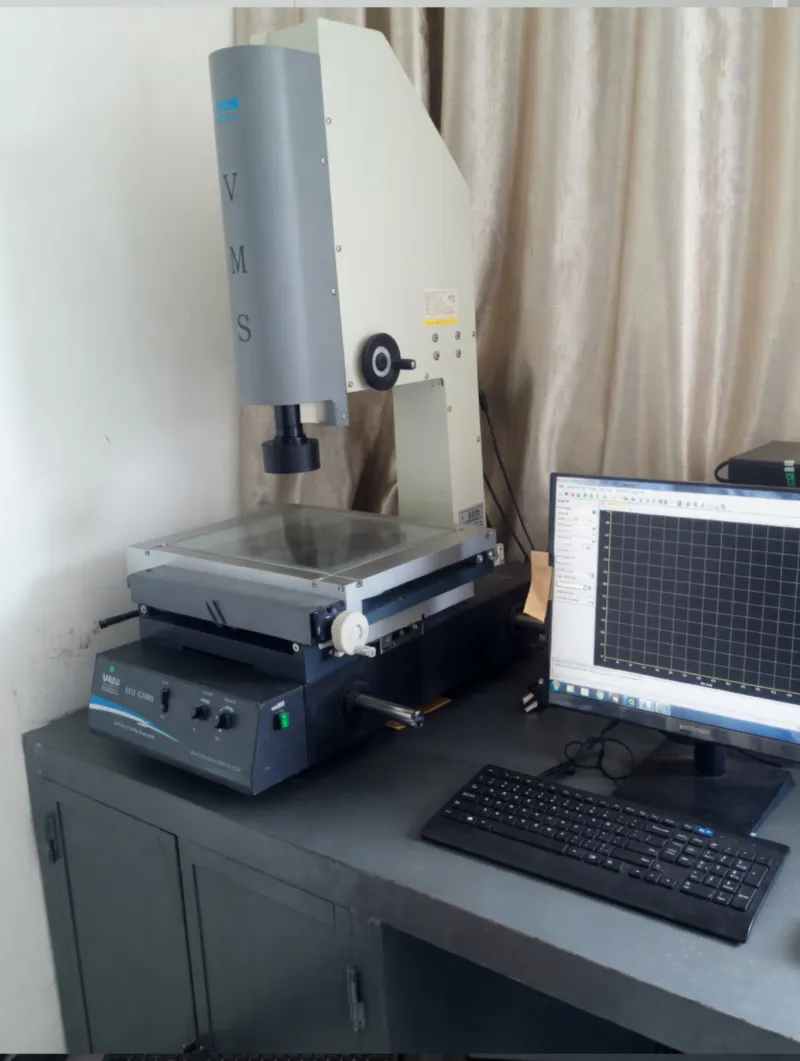
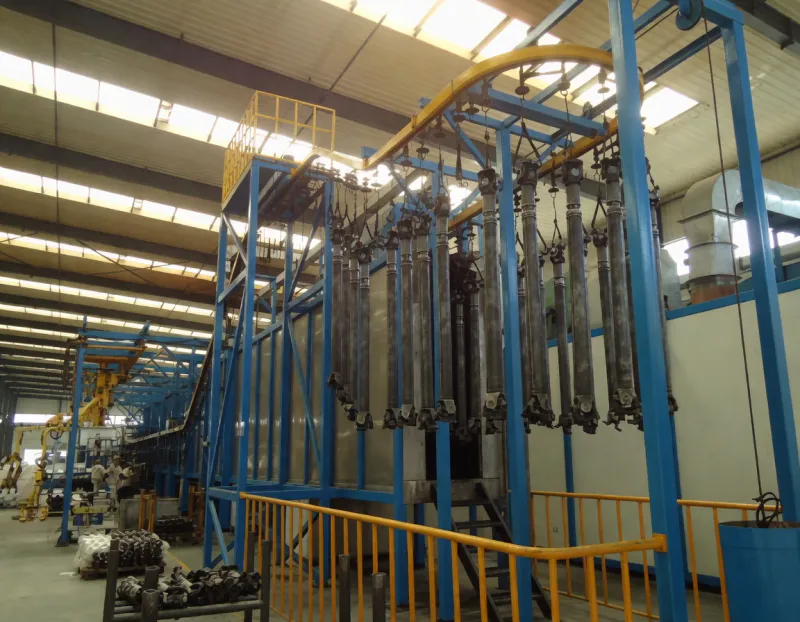
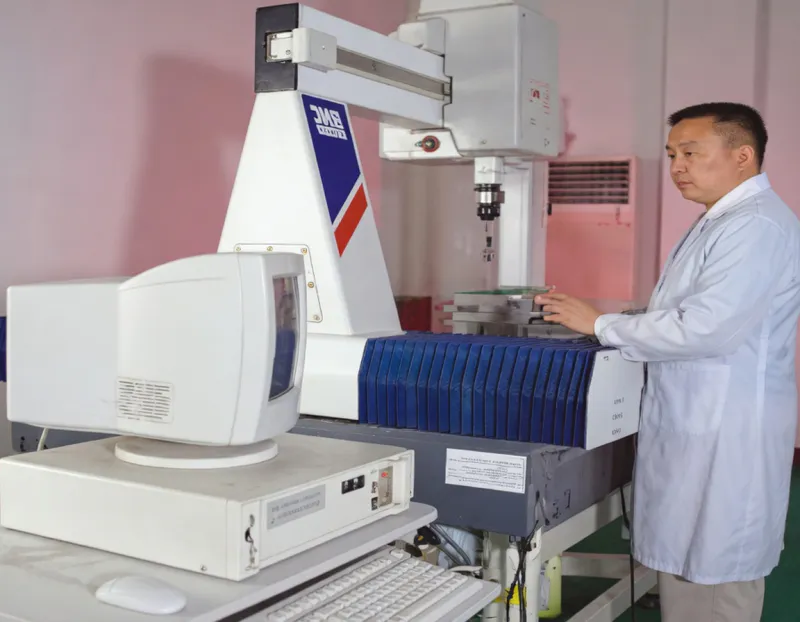
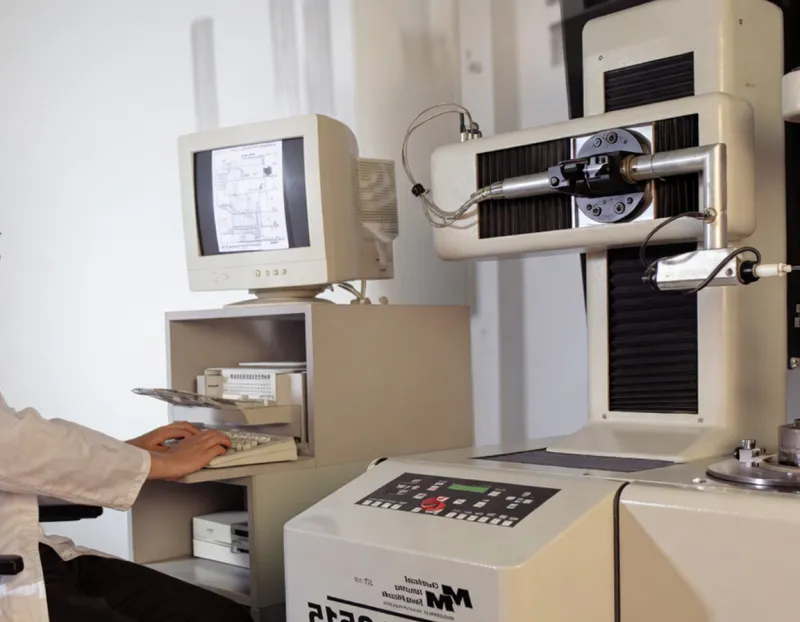
Our wheel production facility operates on a platform that combines roll-forming technology with automated welding, balance inspection, and coating processes, supported by a national-level testing center equipped with cornering fatigue testing machines, radial fatigue testing rigs, dynamic balance inspection equipment, salt spray chambers, and coordinate measuring machines (CMM). The production line has annual capacity reaching millions of wheels across passenger, commercial, agricultural, and industrial categories, with the Japan-spec heavy duty truck trailer wheel series representing a core product range within our commercial vehicle portfolio. Every truck wheel leaving the facility is assigned a production trace record covering material heat number, pressing parameters, weld inspection results, balance measurement, and final coating inspection — providing the documentation chain that fleet operators and regulatory authorities increasingly require.
작업장
8. Related Products: Complete Axle System Compatibility
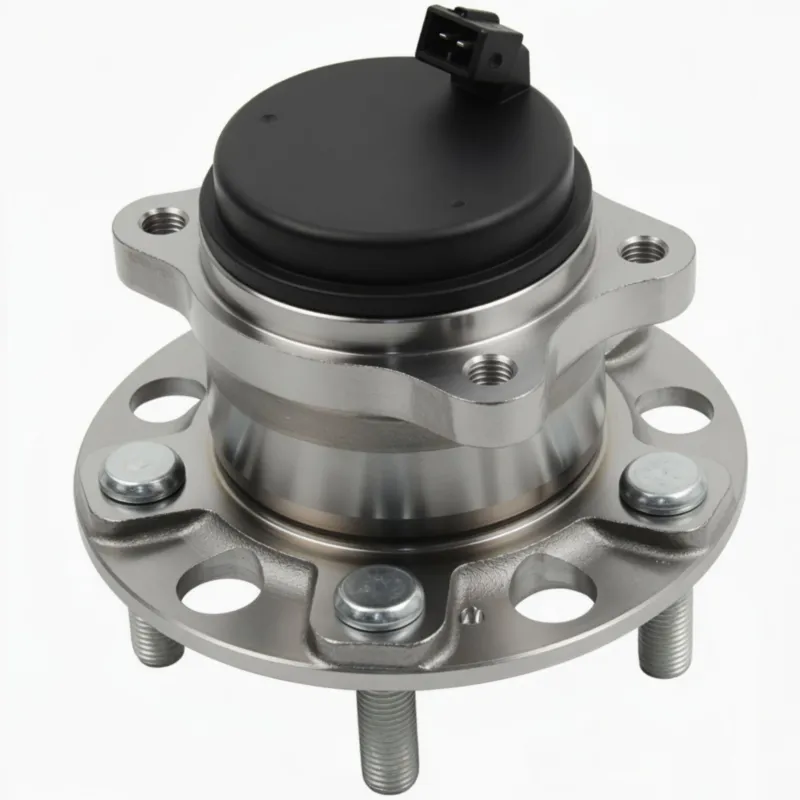
A truck trailer wheel functions as part of a broader axle system — its performance and service life are directly affected by the quality of hub, spindle, bearing, and fastener components surrounding it. Our product range extends to the key components that interact with the wheel at the hub interface, enabling one-source procurement for complete axle system assemblies and simplifying compatibility verification for fleet engineers and workshop managers.
휠 허브
트레일러 액슬 빔 및 트레일러 스핀들
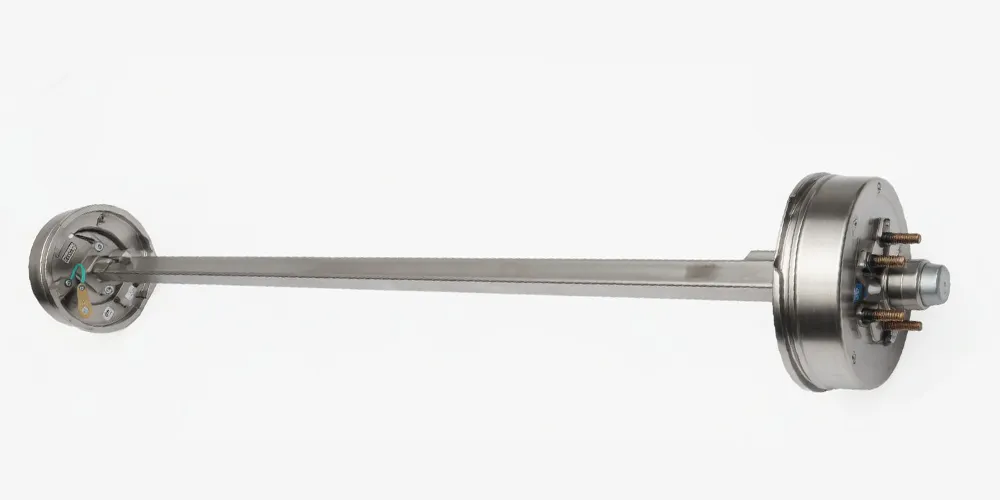
For trailer rebuilds and new trailer fabrication projects in Colombia, the trailer axle beam and trailer spindle assembly defines the hub geometry that the truck trailer wheel must match. Our trailer spindle components are dimensioned to accept the EP Japan-spec wheel center hole diameters and PCD configurations, enabling complete axle system sourcing from a single supplier. This integrated approach ensures dimensional compatibility between all components at the hub interface and supports the one-stop supply model that fleet procurement teams increasingly prefer for commercial vehicle axle system components.
자주 묻는 질문
편집자: PXY