คำอธิบาย
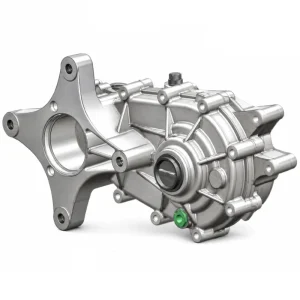
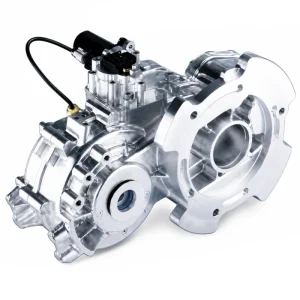
EP-EA02 Electric Vehicle Gearbox: Precision Reduction Technology
Advanced single-speed reduction transmission engineered for electric propulsion systems, delivering optimized torque
multiplication, superior energy transfer efficiency, and compact integration for Colombian electric vehicle market demands
1. Technical specification of electric vehicle gearbox
| Specification Parameter | Technical Value |
|---|---|
| Model Designation | เกียร์รถยนต์ไฟฟ้า EP-EA02 |
| Transmission Type | Single-speed helical gear reduction |
| Available Gear Ratios | 8.2:1 / 10.03:1 / 11.86:1 |
| Continuous Torque Rating | 80 Nm (low ratio) to 105 Nm (high ratio) |
| Maximum Input Rotation Speed | 10000 RPM |
| Gear Center Distance | 161 mm |
| ประสิทธิภาพการส่งผ่าน | ≥ 96% across operating range |
| Environmental Protection Rating | A00 sealed construction |
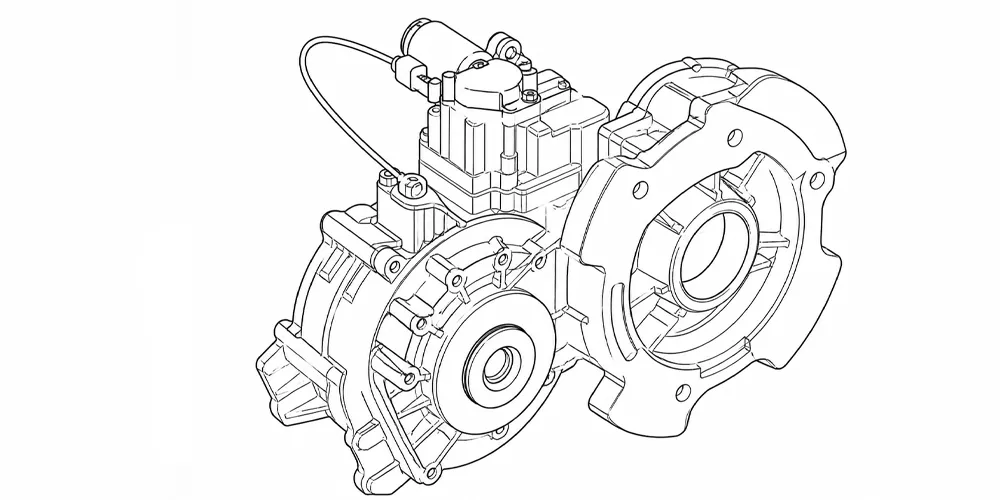
| External Dimensions | 370 × 154 × 234 mm (L × W × H) |
| Gear Material Specification | 20CrMnTi chromium-manganese-titanium alloy steel |
| Gear Heat Treatment Process | Carburizing and quenching |
| Surface Hardness Specification | HRC 58-62 |
| Bearing Configuration | Sealed deep groove ball bearings |
| Bearing Service Life Rating | L10 ≥ 20000 hours |
| Lubrication System Type | Splash lubrication with synthetic gear oil |
| Lubricant Specification | SAE 75W-90 synthetic |
| Lubricant Fill Volume | 0.8 liters |
| ช่วงอุณหภูมิการทำงาน | -20°C to +60°C ambient |
| Housing Construction Material | ADC12 aluminum alloy casting |
| Unit Weight | Approximately 18 kg |
2. Critical Technical Attributes
Configurable Reduction Ratios
Three distinct gear ratio configurations enable precise matching to motor characteristics and vehicle requirements, optimizing acceleration response, top speed capability, and energy consumption patterns for diverse Colombian electric vehicle applications
Exceptional Power Transfer
Maintains transmission efficiency above 96 percent through precision gear manufacturing, optimized tooth geometry, high-quality bearing systems, and synthetic lubricant selection, minimizing energy waste and maximizing vehicle operating range
High-Speed Input Capability
Accommodates motor speeds reaching 10000 revolutions per minute, enabling use of compact high-speed permanent magnet motors that deliver superior power density compared to lower-speed alternatives, reducing overall drivetrain weight and size
Integrated Compact Design
Total envelope measuring 370 by 154 by 234 millimeters with 161-millimeter center distance simplifies installation in confined vehicle chassis spaces, supporting both new electric vehicle development and conventional vehicle conversion projects
Robust Environmental Sealing
A00 protection classification with sealed bearings and gasket interfaces prevents moisture intrusion, dust contamination, and corrosive element exposure during operation in variable Colombian climatic conditions from coastal humidity to highland temperature extremes
3. Understanding Electric Vehicle Gearbox Technology
The fundamental question of whether electric vehicles have a gearbox requires understanding that electric motors possess inherently different torque characteristics compared to internal combustion engines. While conventional vehicles require multi-speed transmissions because combustion engines produce useful torque only within a narrow revolution range, electric motors deliver maximum torque from zero speed and maintain substantial torque output across a wide operational range. This characteristic enables most electric vehicles to operate effectively with single-speed reduction gearboxes rather than complex multi-gear transmissions, simplifying the drivetrain while reducing weight, cost, and mechanical complexity. The EP-EA02 electric vehicle gearbox design exemplifies this single-speed reduction approach, utilizing precision helical gears to reduce high motor speeds to appropriate wheel speeds while multiplying torque to overcome vehicle inertia, rolling resistance, aerodynamic drag, and grade loads encountered during Colombian driving conditions.
Understanding how electric car transmission works reveals that the EP-EA02 electric vehicle gearbox serves as the critical interface between the electric motor’s high-speed low-torque output and the vehicle wheels requiring lower-speed high-torque input. The gearbox receives rotational power from the permanent magnet motor through a splined input shaft connection, transmits this power through precision-cut helical gear pairs that mesh with minimal backlash and controlled contact pressure, and delivers multiplied torque to the output shaft connected to the differential or wheel assembly. The reduction ratio determines the relationship between input and output speeds, with higher ratios providing greater torque multiplication for heavy vehicles or challenging terrain, while lower ratios enable higher top speeds at the expense of acceleration performance. Colombian vehicle operators can select from three ratio options to optimize the electric vehicle gearbox for specific applications, whether prioritizing acceleration for urban delivery service, balancing performance for mixed driving conditions, or maximizing efficiency for highway cruising on intercity routes connecting major Colombian cities.
The EP-EA02 electric vehicle gearbox addresses a common question about electric vehicle gearbox problems by incorporating robust design features that eliminate failure modes observed in inferior transmission systems. Precision manufacturing ensures proper gear alignment preventing premature wear, sealed bearing assemblies exclude contaminants that cause bearing degradation, synthetic lubricants resist thermal breakdown under sustained loads, and the aluminum housing provides effective heat dissipation maintaining optimal operating temperatures. Unlike multi-speed transmissions requiring complex synchronizer mechanisms, clutch packs, and hydraulic control systems prone to failure, the single-speed reduction gearbox contains fewer components with demonstrated reliability across millions of operational hours in industrial applications. This simplicity translates directly to reduced maintenance requirements, extended service intervals, and lower total cost of ownership for Colombian electric vehicle operators compared to conventional transmission technology, while the sealed construction protects internal components from the dust, moisture, and thermal cycling characteristic of Colombian roads and climate conditions.
4. Five Strategic Product Advantages
4.1. Advantage One: Ratio Versatility for Application Optimization
The availability of 8.2, 10.03, and 11.86 reduction ratio configurations provides Colombian vehicle integrators with precise control over final drive characteristics without custom gearbox development. Lower ratio selections suit lightweight passenger vehicles prioritizing top speed capability for highway operation, middle ratios deliver balanced performance for general-purpose urban and suburban driving encompassing Colombian traffic patterns, and higher ratios maximize starting torque for commercial vehicles carrying cargo loads or operating in mountainous regions surrounding Bogota, Medellin, and other highland cities. This ratio flexibility accommodates diverse vehicle weights ranging from 800-kilogram compact cars to 2000-kilogram delivery vans, motor power outputs from 15 to 50 kilowatts, and performance targets spanning economy-focused commuters to performance-oriented conversions, enabling a single gearbox platform to serve multiple market segments.
4.2. Advantage Two: Industry-Leading Transmission Efficiency
The certified efficiency exceeding 96 percent positions the EP-EA02 electric vehicle gearbox among the highest-performing EV reduction gearbox designs available to Colombian vehicle manufacturers. Each percentage point of efficiency improvement directly extends vehicle operating range from a given battery capacity, a critical consideration given the cost of lithium battery packs and Colombian charging infrastructure availability. The efficiency advantage derives from precision gear cutting achieving DIN quality grade 6 tolerances, helical tooth geometry distributing loads across multiple teeth simultaneously, premium rolling element bearings with minimal internal friction, and synthetic gear oils formulated specifically for electric vehicle operating temperatures and speeds. During typical Colombian urban driving cycles involving frequent acceleration and deceleration, the minimal energy loss through the transmission preserves battery charge, reduces thermal management requirements, and enables smaller, lighter, less expensive battery installations while meeting range targets.
4.3. Advantage Three: Simplified Single-Speed Architecture
While some experimental electric vehicle gearbox designs incorporate two-speed or multi-speed configurations to extend the operational envelope, the EP-EA02 single-speed approach eliminates the mechanical complexity, weight penalty, cost premium, and reliability concerns associated with shifting mechanisms. Single-speed operation means no clutch engagement coordination, no synchronizer wear, no shift quality calibration, no hydraulic control valves, and no electronic shift logic programming. Colombian vehicle operators benefit from reduced maintenance requirements with fewer wear components, simplified troubleshooting with fewer potential failure modes, lower acquisition costs without complex control systems, and improved reliability through mechanical simplicity. The broad torque band of permanent magnet motors combined with appropriate reduction ratio selection provides adequate performance across the speed range from standstill acceleration through highway cruising without requiring gear changes.
4.4. Advantage Four: Compact Integration Facilitating Vehicle Design
The 370 by 154 by 234 millimeter package envelope with integrated motor mounting flange creates a complete propulsion module occupying minimal chassis volume. This compact electric vehicle gearbox design enables vehicle designers to allocate more interior space to passenger accommodation or cargo capacity, dedicate additional volume to battery installations extending operating range, and maintain low hood lines improving aerodynamic efficiency. The reduced packaging also supports conversion of existing Colombian vehicle platforms to electric propulsion by fitting within spaces previously occupied by internal combustion engines and conventional transmissions. Weight reduction compared to cast iron gearboxes improves vehicle efficiency, while the low-mounted center of gravity contributes to stable handling characteristics important for Colombian mountain roads with challenging switchback curves and steep gradients.
4.5. Advantage Five: Proven Reliability Through Simplified Design
The mechanical simplicity of single-speed reduction gearbox architecture delivers inherent reliability advantages over complex multi-speed transmissions. With fewer moving parts comes reduced probability of component failure, fewer maintenance interventions, longer service intervals, and lower lifetime operating costs. The sealed housing design with A00 protection classification prevents environmental contamination, synthetic lubricants resist oxidation and thermal degradation extending change intervals, and precision bearings provide documented service life exceeding 20000 hours under rated loads. Colombian fleet operators particularly value reliability given the high utilization rates of commercial vehicles, limited availability of specialized electric vehicle service infrastructure outside major cities, and economic impact of vehicle downtime on delivery schedules and revenue generation.
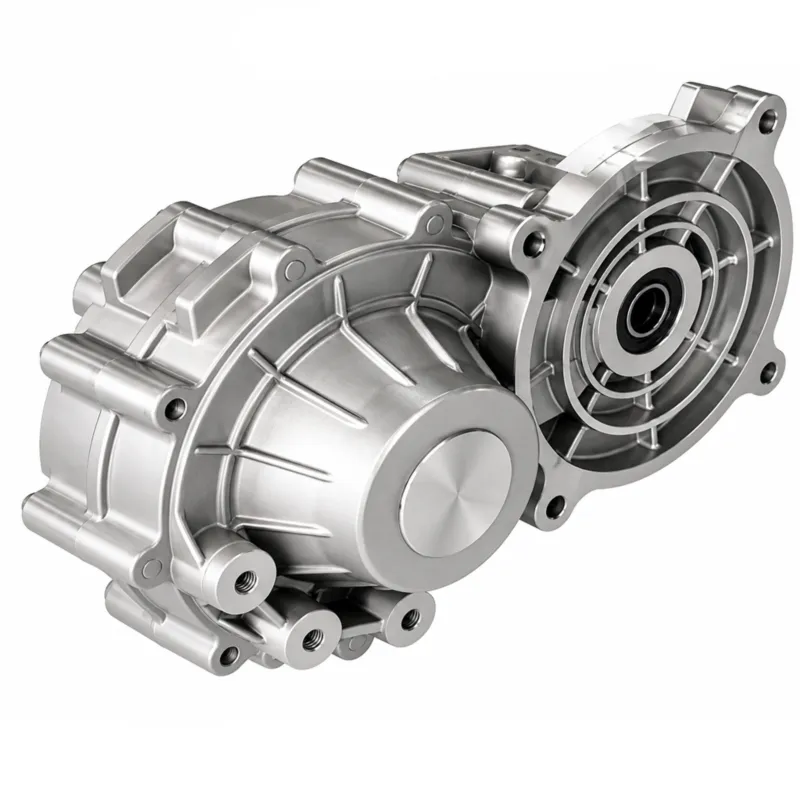
5. Operational Mechanism and Power Flow Architecture
The question of what kind of transmission is in an electric car finds its answer in understanding the EP-EA02 electric vehicle gearbox operational mechanism. Unlike conventional multi-speed transmissions that select different gear pairs to match engine characteristics across varying speeds, this electric vehicle gearbox maintains a fixed reduction ratio optimized for the broad torque curve of permanent magnet synchronous motors. The power transmission sequence begins with the motor controller energizing the stator windings, creating a rotating magnetic field that interacts with permanent magnets embedded in the rotor assembly. This electromagnetic interaction generates continuous rotational torque proportional to the current supplied by the motor controller, which draws electrical energy from the battery pack and modulates power delivery according to accelerator pedal position and vehicle speed sensor inputs.
The motor rotor connects to the gearbox input shaft through a precision splined coupling that transmits torque while accommodating minor misalignment tolerances and thermal expansion effects. Inside the sealed aluminum housing, the input shaft carries the first-stage pinion gear machined with helical teeth that mesh continuously with the mating gear on the intermediate shaft. Helical tooth geometry provides several operational advantages including progressive engagement distributing loads across multiple teeth, reduced noise generation through gradual tooth contact, and inherent thrust forces balanced by the bearing system. For single-stage reduction ratios, power flows directly from input to output shaft, while higher reduction configurations utilize an intermediate shaft supporting additional gear pairs to achieve the desired speed reduction and torque multiplication suitable for heavier Colombian commercial vehicles or challenging terrain applications.
The final reduction stage transmits multiplied torque to the output shaft, which interfaces with the vehicle’s differential mechanism, constant velocity joints, or direct wheel mounting depending on the specific installation architecture. Throughout the power transmission path, synthetic lubricant circulates through splash action generated by rotating gear elements, coating all meshing surfaces with a protective film that prevents metal-to-metal contact, removes frictional heat, and maintains optimal operating temperatures during sustained loads characteristic of Colombian urban traffic or mountain grades. The sealed housing construction incorporates gasket surfaces, shaft lip seals, and breathable pressure equalization ports that accommodate thermal expansion while excluding moisture, dust, and corrosive elements from the Caribbean coast or highland environments. This combination of robust mechanical design, precision manufacturing tolerances, and environmental protection enables the EP-EA02 electric vehicle gearbox to deliver reliable power transmission across diverse Colombian operating conditions.
6. Advanced Material Engineering and Component Metallurgy
The electric vehicle gearbox design incorporates advanced metallurgical engineering to achieve the strength, durability, and environmental resistance required for Colombian transportation applications. Load-carrying gear elements utilize 20CrMnTi alloy steel, a chromium-manganese-titanium composition specifically formulated for case-hardening applications requiring high surface hardness combined with tough, shock-resistant cores. The carburizing heat treatment process diffuses carbon atoms into the gear surface at temperatures approaching 950 degrees Celsius, creating a hardened case depth of approximately one millimeter that resists wear, pitting, and spalling under the cyclic contact stresses generated during power transmission. After carburizing, the gears undergo quenching in controlled cooling media followed by tempering to relieve residual stresses, achieving final surface hardness between HRC 58 and 62 while maintaining core hardness around HRC 30 to provide toughness preventing brittle fracture.
Shaft components employ 42CrMo chromium-molybdenum alloy steel offering exceptional tensile strength, fatigue resistance, and hardenability characteristics. Critical wear surfaces including bearing seats, spline connections, and seal contact areas receive induction hardening treatment that rapidly heats localized zones using electromagnetic induction, followed by immediate quenching to achieve surface hardness of HRC 50 to 55. This selective hardening process maintains softer core material that resists torsional fatigue and shock loads while providing wear resistance where components experience sliding contact or high-pressure interfaces. All machined surfaces receive precision grinding operations achieving surface roughness values below Ra 0.8 micrometers, minimizing friction losses and preventing premature wear initiation points.
The housing structure utilizes ADC12 aluminum die-casting alloy that combines excellent fluidity enabling complex geometries with good mechanical properties and superior corrosion resistance protecting the EV gearbox from Colombian coastal salt exposure and highland moisture conditions. The aluminum construction reduces overall transmission weight by approximately 40 percent compared to equivalent cast iron housings, improving vehicle efficiency and reducing unsprung mass when integrated into suspension systems. The exterior surfaces receive multi-layer powder coating creating a durable, chip-resistant finish that withstands stone impacts and road debris encountered on Colombian highways and rural routes. Bearing assemblies incorporate high-carbon chromium steel races and rolling elements manufactured to AISI 52100 specifications, through-hardened to HRC 60 to 65 for maximum rolling contact fatigue resistance, while seal components utilize nitrile rubber formulated for petroleum resistance, ozone stability, and flexibility across the operational temperature range.
7. Application scenarios of electric vehicle gearbox
Urban Transportation Fleets
Colombian municipal transportation authorities implementing zero-emission bus and taxi programs benefit from the EP-EA02 electric vehicle gearbox in lightweight urban transit applications. The high-efficiency power transmission reduces energy consumption during frequent acceleration cycles characteristic of city route service, while the compact packaging enables integration into existing vehicle platforms. Bogota’s TransMilenio system expansion, Medellin’s Metro feeder routes, and Cali’s integrated public transport network represent significant deployment opportunities for electric vehicles equipped with reliable reduction gearbox technology meeting Colombian operational requirements.
Commercial Delivery Operations
E-commerce logistics providers serving Colombian metropolitan areas utilize the EV car gear system for last-mile delivery vehicles navigating dense urban environments. The torque multiplication capability ensures adequate acceleration from traffic signals and grade-climbing ability on Bogota’s hilly terrain, regenerative braking compatibility recovers energy during deceleration, and the sealed construction withstands daily exposure to variable weather conditions. Companies operating delivery fleets benefit from reduced fuel costs, lower maintenance expenses compared to conventional transmissions, and compliance with emerging urban low-emission zone regulations.
Vehicle Conversion Industry
Colombian automotive workshops specializing in electric vehicle conversions employ the EP-EA02 electric vehicle gearbox to transform conventional internal combustion vehicles into electric propulsion systems. The standardized mounting interface simplifies installation, multiple ratio options accommodate diverse vehicle types from compact cars to light trucks, and the integrated motor mounting eliminates custom adapter fabrication. Conversion specialists serve individual vehicle owners seeking to reduce operating costs, fleet operators transitioning to electric mobility, and organizations meeting corporate sustainability commitments through transportation electrification.
Agricultural and Industrial Vehicles
Colombian agricultural operations in coffee-growing regions, flower cultivation areas, and livestock production zones adopt electric utility vehicles equipped with robust gearbox systems for farm transport, irrigation system maintenance, and crop monitoring activities. The EV reduction gearbox provides adequate torque for towing trailers, navigating unpaved farm roads, and operating in dusty conditions while the sealed construction prevents contamination from agricultural chemicals and organic materials. Industrial facilities utilize similar configurations for warehouse material handling, facility maintenance, and campus transportation requirements.
Tourism and Hospitality Transport
Colombian tourism destinations including Cartagena historic district, Santa Marta coastal areas, and coffee region cultural landscape zones implement electric shuttle vehicles for visitor transport. The quiet operation of electric vehicle gearbox systems preserves the ambiance of heritage sites, zero local emissions protect air quality in confined spaces, and the reliable performance ensures consistent service quality. Hotels, resorts, and tourist attractions benefit from reduced operational noise, elimination of diesel exhaust odors, and alignment with sustainable tourism marketing strategies attracting environmentally conscious international visitors.
Educational and Research Platforms
Colombian universities and technical institutes incorporate the EP-EA02 into electric vehicle development programs, providing engineering students with hands-on experience in modern electric propulsion technology. Research departments investigating Colombian-specific challenges including altitude effects, tropical climate impacts, and infrastructure constraints utilize the standardized gearbox platform for controlled experiments. Institutions develop curriculum around electric vehicle gearbox design principles, maintenance procedures, and integration techniques preparing graduates for Colombia’s expanding electric mobility industry while contributing to national technological capability development.
8. Regulatory Environment and International Standards Compliance
Colombian transportation regulations governing electric vehicle components reflect international standards while addressing specific national priorities including air quality improvement, petroleum import reduction, and climate change mitigation commitments. The Ministry of Environment and Sustainable Development enforces vehicle emission standards that inherently favor electric propulsion systems producing zero tailpipe emissions, while the Ministry of Transport establishes safety requirements for vehicle modifications and conversions incorporating electric drivetrains. Electric vehicle gearbox assemblies must demonstrate mechanical integrity under vibration and shock loading representative of Colombian road conditions, maintain electromagnetic emissions below limits preventing interference with vehicle control systems, and utilize materials compatible with established automotive recycling infrastructure.
Law 1964 of 2019 establishes Colombia’s comprehensive electric mobility policy framework, providing economic incentives including value-added tax exemptions for electric vehicle purchases, reduced customs duties on imported electric vehicle components such as motors and gearboxes, and preferential annual vehicle tax rates encouraging fleet electrification. Municipal governments in Bogota, Medellin, Cali, Barranquilla, and other major cities implement complementary policies including dedicated electric vehicle parking facilities, charging infrastructure deployment programs, and low-emission zones restricting conventional vehicle access. These regulatory developments create favorable market conditions for electric vehicle adoption throughout Colombia, directly benefiting manufacturers and suppliers of critical components including advanced transmission systems.
International technical standards applicable to electric vehicle gearbox design include ISO 6336 for gear capacity calculation, ISO 9001 for quality management systems, and various automotive industry standards addressing vibration resistance, seal integrity, and lubricant specifications. Colombian vehicle registration authorities require that complete converted vehicles meet national safety standards including brake performance, lighting compliance, and structural integrity regardless of propulsion system type. Component manufacturers demonstrate compliance through documentation including material certifications, dimensional inspection reports, and performance test data validated by recognized testing laboratories. The EP-EA02 electric vehicle gearbox manufacturing process incorporates these quality standards ensuring component reliability and facilitating regulatory approval for Colombian vehicle installations.
9. Manufacturing Capability and Quality Assurance
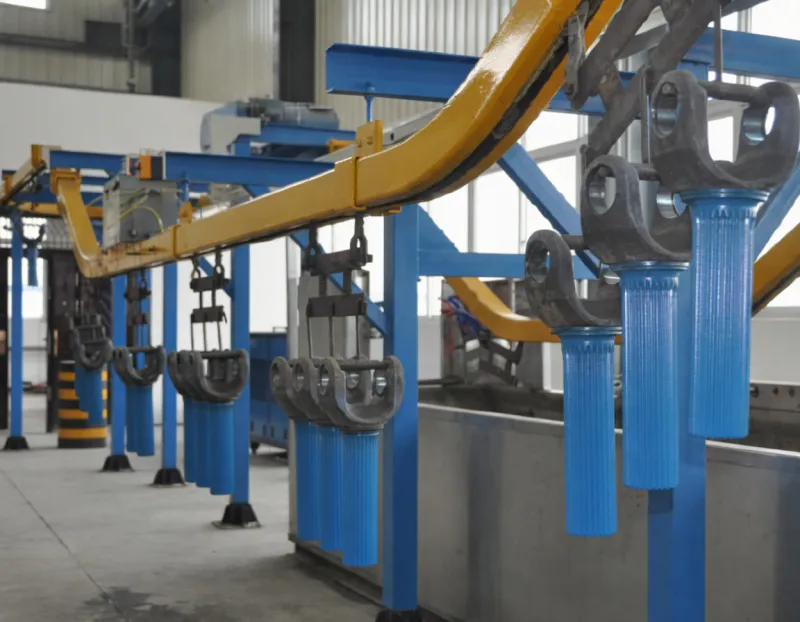
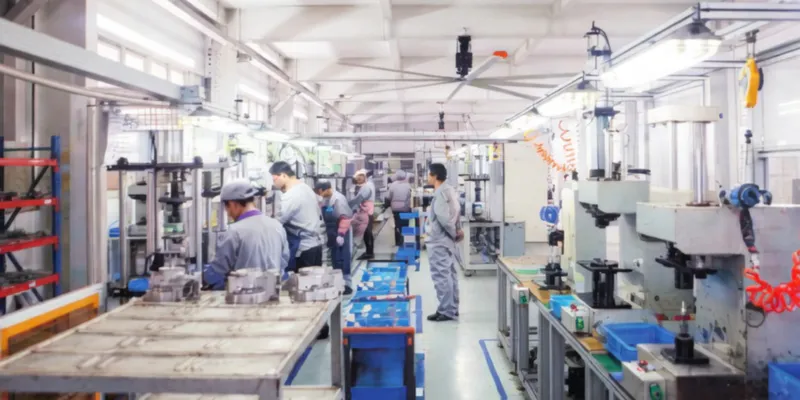
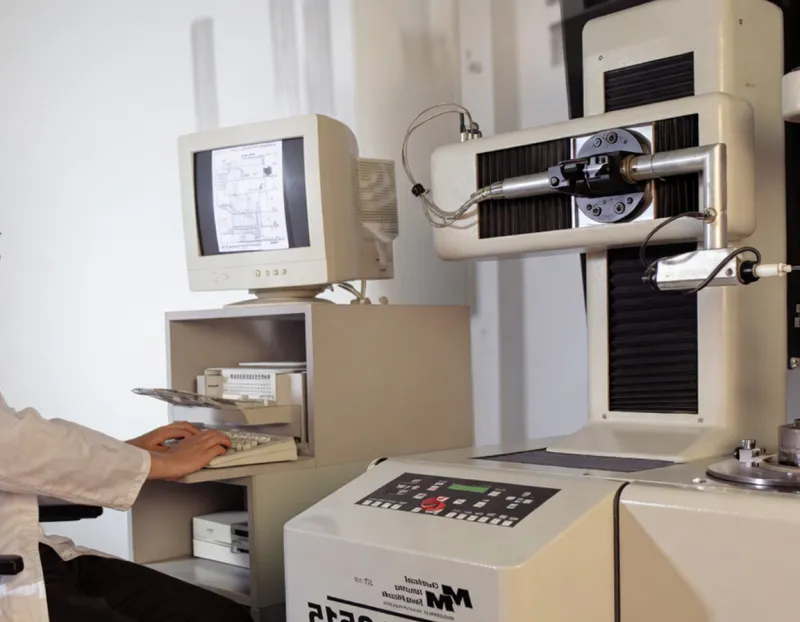
Our production facility specializes in precision mechanical components for electric vehicle applications, maintaining advanced manufacturing equipment including CNC gear hobbing machines, induction hardening systems, coordinate measuring instruments, and automated assembly stations. The quality management framework encompasses incoming material verification, in-process dimensional inspection, heat treatment monitoring, and final product performance testing ensuring every EP-EA02 electric vehicle gearbox meets published specifications. Engineering support services assist Colombian customers with ratio selection guidance, installation technical assistance, and application optimization recommendations based on extensive field experience across diverse vehicle platforms and operating conditions.
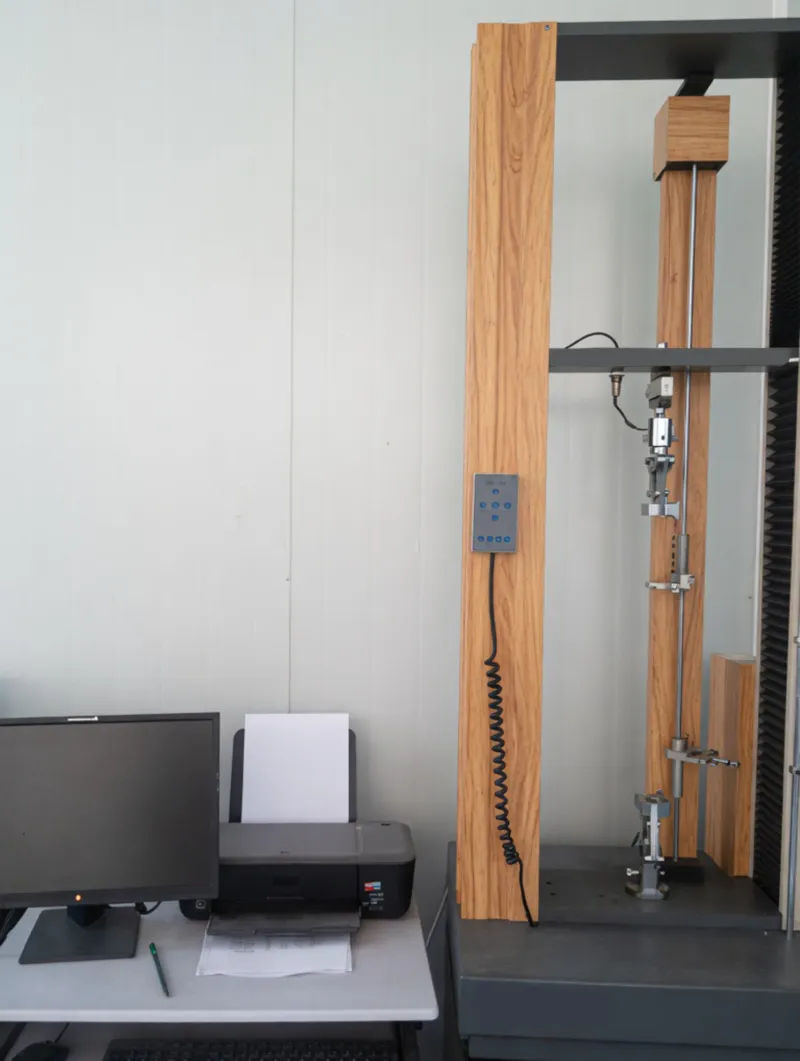
Each production unit undergoes comprehensive validation including dimensional inspection verifying gear tooth geometry and bearing seat tolerances, hardness testing confirming heat treatment effectiveness, noise measurement characterizing operational acoustics, and dynamometer testing measuring transmission efficiency across the speed range. Documentation accompanying each gearbox includes material certifications tracing steel alloy composition, inspection reports recording dimensional measurements, and test data demonstrating performance compliance. This rigorous quality assurance approach ensures Colombian vehicle manufacturers and conversion specialists receive components meeting international standards for reliability, efficiency, and service life.
เวิร์กช็อป
10. Integrated Drivetrain Component Systems
Our comprehensive product portfolio extends beyond electric vehicle gearboxes to encompass complementary drivetrain components ensuring complete system integration, compatibility verification, and unified quality standards for Colombian electric vehicle manufacturers implementing zero-emission transportation solutions.
Precision Wheel Fastening Systems
High-grade wheel bolts manufactured from heat-treated alloy steel provide secure wheel attachment for electric vehicle applications with torque specifications matched to aluminum and steel wheel interfaces. Our fastener range encompasses metric thread patterns including M12 × 1.5 and M14 × 1.5 configurations commonly specified for Colombian passenger vehicles and light commercial platforms. Each wheel bolt receives zinc flake anti-corrosion coating resisting salt exposure in coastal regions and chemical degradation from road treatments, while precise thread rolling ensures consistent clamping forces preventing loosening under vibration and thermal cycling characteristic of Colombian operating environments.
Electric Vehicle Trailer Integration
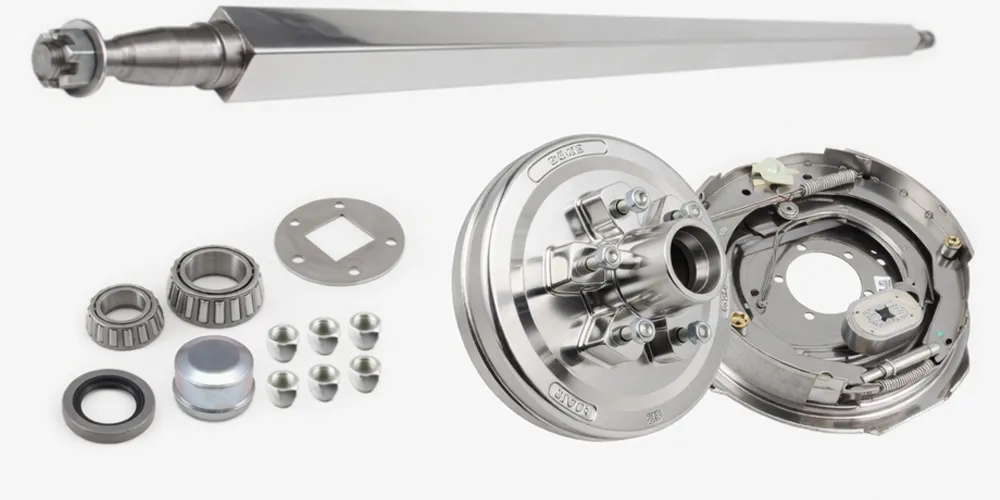
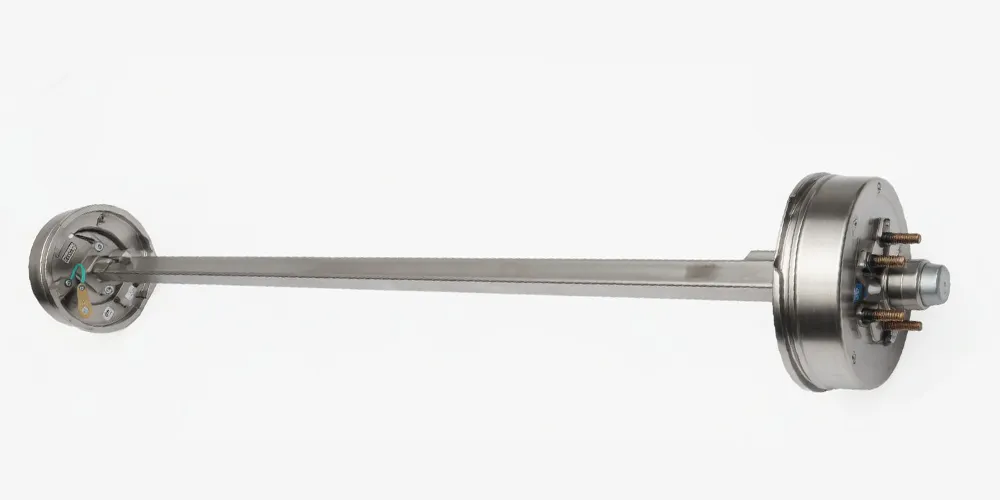
Engineered trailer axle assemblies and precision-machined spindle components support Colombian commercial electric vehicles requiring towing capability for cargo transport, equipment trailers, and specialized applications. Our trailer axle systems incorporate electric brake compatibility enabling integrated braking coordination between towing vehicle and trailer, sealed bearing assemblies preventing maintenance requirements, and hot-dip galvanized corrosion protection ensuring longevity in humid coastal and highland environments. Available capacity ratings from 1000 to 3500 kilograms accommodate diverse Colombian commercial applications while maintaining compatibility with standard hitching systems and electrical connections.
คำถามที่พบบ่อย
Q1. What gear ratio should Colombian fleet operators select when converting delivery vehicles to electric propulsion for urban service?
Ratio selection depends on vehicle gross weight, typical operating speeds, and terrain characteristics. For urban delivery applications in relatively flat cities like Barranquilla or coastal Cartagena with moderate speeds below 60 kilometers per hour, the 11.86 ratio maximizes acceleration response and grade-climbing capability while maintaining adequate top speed. Mixed urban and suburban routes serving Bogota or Medellin with occasional highway segments benefit from the 10.03 middle ratio balancing acceleration with cruising efficiency. The 8.2 lower ratio suits lightweight passenger vehicles prioritizing higher maximum speeds for intercity travel. Consider consulting detailed vehicle specifications including curb weight, payload capacity, and intended duty cycle to optimize ratio selection for specific Colombian operating requirements and motor controller characteristics.
Q2. Where can Colombian automotive workshops obtain technical support for electric vehicle gearbox installation and integration procedures?
Technical documentation accompanying each gearbox includes detailed installation instructions with dimensional drawings, torque specifications, and alignment procedures. Our engineering support team provides remote assistance addressing integration questions, troubleshooting installation challenges, and recommending best practices for motor mounting, driveline alignment, and electrical connections. Colombian workshops can access technical bulletins covering common installation scenarios, dimensional templates for fabricating custom mounting brackets, and application notes addressing specific vehicle platforms popular in the Colombian market. For complex conversions or fleet installations, consider engaging qualified electric vehicle conversion specialists operating in Bogota, Medellin, or Cali who maintain established relationships with component suppliers and possess experience with Colombian regulatory compliance requirements.
Q3. What maintenance schedule should Colombian commercial operators implement for electric vehicle gearboxes in high-utilization taxi or delivery service?
Commercial applications require initial inspection at 5000 kilometers verifying mounting bolt torque, checking external seals for leakage, and monitoring housing temperature during operation. Subsequent inspections occur every 20000 kilometers encompassing visual examination of seal condition, verification of mounting security, and assessment for impact damage or housing cracks. Lubricant replacement typically occurs at 40000 to 60000 kilometers depending on operating severity, with more frequent changes recommended for vehicles experiencing sustained high-load operation, dusty environments, or extreme temperature variations. The sealed bearing design eliminates periodic greasing requirements, while the brushless motor construction requires no carbon brush replacement characteristic of older electric motor technologies. Colombian operators should maintain service records documenting inspection findings and lubricant changes to support warranty claims and resale value.
Q4. Which motor controller specifications must Colombian integrators verify when selecting compatible electric vehicle gearbox systems?
Controller compatibility depends on motor voltage rating matching battery pack nominal voltage, current capacity sufficient for peak power requirements, and communication protocols supporting battery management integration. Colombian vehicle builders typically specify controllers with CAN bus connectivity enabling data exchange with battery management systems, regenerative braking capability recovering kinetic energy during deceleration, and programmable acceleration characteristics optimizing performance for specific applications. Verify that controller maximum speed rating exceeds the gearbox input speed limit of 10000 revolutions per minute, thermal management capacity handles sustained loads characteristic of Colombian traffic conditions, and protection features include over-temperature shutdown, over-current limiting, and under-voltage cutoff preventing battery damage.
Q5. When should Colombian vehicle converters consider upgrading to experimental two-speed gearbox designs versus single-speed systems?
Two-speed electric vehicle gearbox configurations provide theoretical advantages including extended top speed capability and improved efficiency at highway velocities, but introduce mechanical complexity, weight penalties, cost increases, and reliability concerns through additional shifting mechanisms and control systems. Colombian applications benefiting from two-speed designs include high-performance vehicles requiring both strong acceleration and speeds exceeding 140 kilometers per hour, heavy commercial vehicles operating across extreme speed ranges from urban congestion to highway cruising, and specialized applications where the efficiency gain justifies additional complexity. However, most Colombian urban transportation applications including delivery vehicles, taxis, buses, and passenger cars achieve adequate performance with single-speed systems optimized through appropriate ratio selection, making the added complexity of two-speed transmissions unnecessary for typical operating requirements.
บรรณาธิการ: PXY