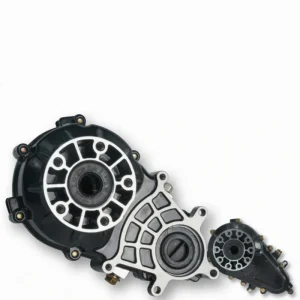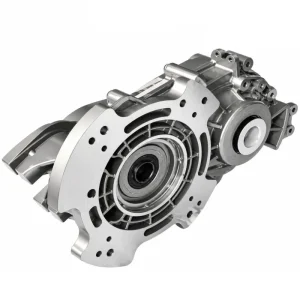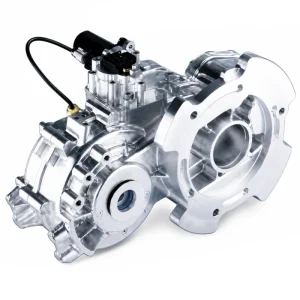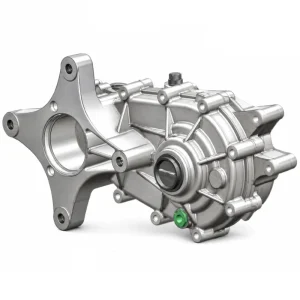
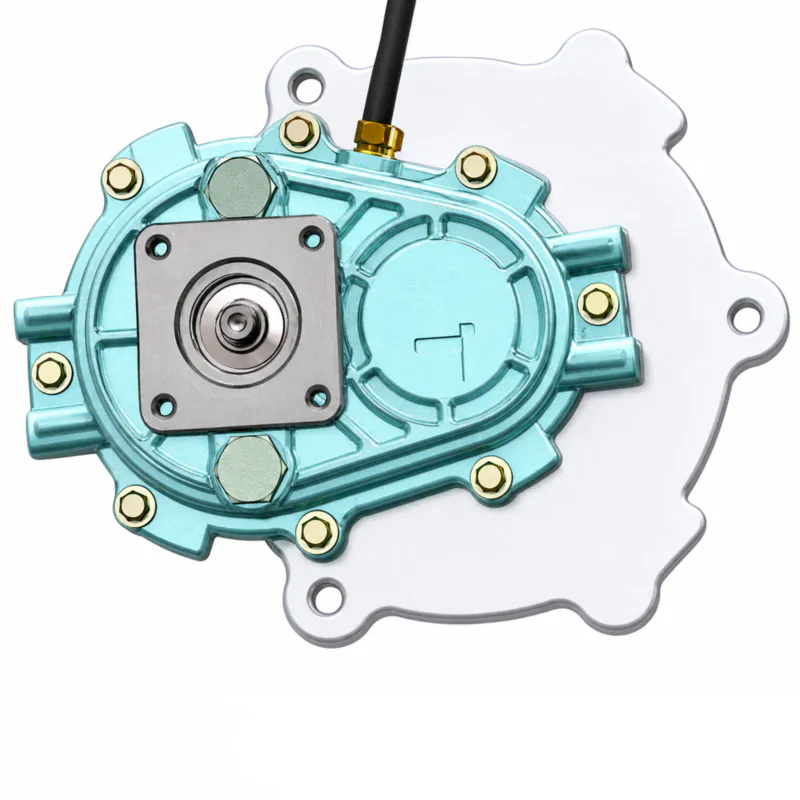
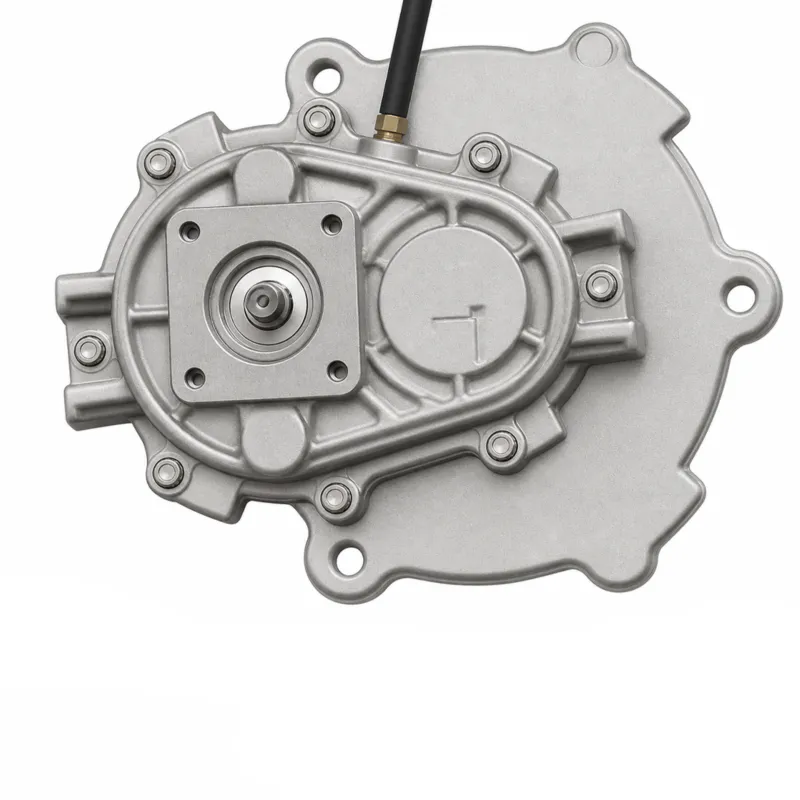
EP-EA04 Single Stage Reducer
The EP-EA04 single stage reducer represents a breakthrough in compact transmission technology, specifically engineered for commercial vehicle applications where space efficiency and reliability are paramount. This automotive single stage reducer delivers consistent power transmission through a precisely manufactured gear train, achieving transmission efficiencies exceeding ninety-six percent while maintaining a compact footprint of just 412mm in length.
EP-EA04 Single Stage Reducer - Precision Engineering for Commercial Applications
Advanced single stage gear reducer designed for demanding commercial vehicle operations, delivering exceptional performance with minimal maintenance requirements
1. Complete Technical Specifications
| Parameter | Specification |
|---|---|
| Gear Ratio | 2:1 |
| Maximum Torque Capacity | 150 N.m |
| Maximum Input Speed | 9000 rpm |
| Center Distance | 71 mm |
| Transmission Efficiency | ≥ 96% |
| Application Type | Commercial Vehicle |
| Overall Dimensions (L×W×H) | 412 × 228 × 179 mm |
| Housing Material | High-Strength Aluminum Alloy |
| Gear Material | 20CrMnTi Carburized Steel |
| Gear Hardness | HRC 58-62 (Surface) |
| Bearing Type | Deep Groove Ball Bearing |
| Lubrication Type | Oil Bath Lubrication |
| Recommended Lubricant | SAE 80W-90 Gear Oil |
| Operating Temperature Range | -25°C to +80°C |
| Noise Level (at rated load) | ≤ 68 dB(A) |
| Protection Rating | IP54 |
| Service Life (L10) | 20,000 hours |
| Weight (Approximate) | 8.5 kg |
| Mounting Configuration | Flange Mount / Foot Mount |
| Shaft Configuration | Solid Shaft with Keyway |
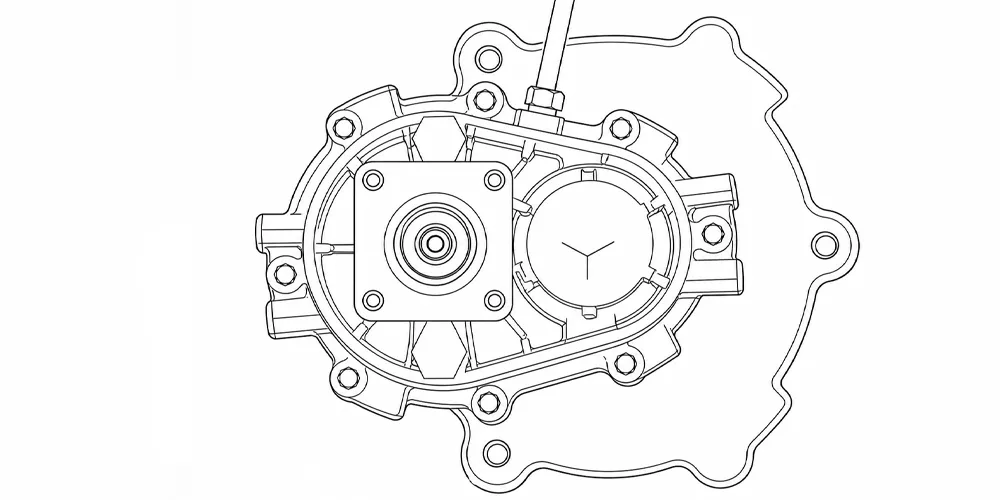
2. Five Key Advantages of EP-EA04 Single Stage Reducer
Ultra-High Efficiency Design
Achieves greater than 96% transmission efficiency through precision-ground gears and optimized gear geometry, reducing energy losses and heat generation during continuous operation across all load conditions
Compact Integration Capability
Space-efficient 412×228×179mm envelope enables installation in confined vehicle chassis locations where traditional multi-stage reducers cannot fit, maximizing design flexibility for vehicle engineers
Exceptional Load Capacity
Handles maximum torque loads up to 150N.m while maintaining structural integrity and gear tooth contact patterns, providing reliable power transmission for heavy-duty commercial vehicle applications
High-Speed Operation Ready
Engineered to operate continuously at input speeds reaching 9000rpm without compromising performance or component longevity, utilizing advanced bearing systems and balanced rotor assemblies
Maintenance-Friendly Architecture
Modular construction facilitates rapid inspection and component replacement procedures, minimizing vehicle downtime and service labor costs while extending overall system service life through proper maintenance protocols
3. How Single Stage Reducer Technology Works
The EP-EA04 single stage reducer operates through a fundamental yet highly refined mechanical principle involving a precisely matched gear pair enclosed within a rigid aluminum alloy housing. Power enters the system through the input shaft, which is directly coupled to a driving pinion gear manufactured from case-hardened 20CrMnTi steel. This pinion engages with a larger driven gear mounted on the output shaft, creating the 2:1 speed reduction ratio while simultaneously amplifying the transmitted torque by a corresponding factor.
The gear tooth geometry incorporates involute profiles machined to tolerances within 0.01mm, ensuring smooth power transmission with minimal vibration and noise generation. As the input shaft rotates at speeds up to 9000rpm, the gear teeth mesh in a continuous rolling action rather than sliding contact, which dramatically reduces friction losses and wear rates. The 71mm center distance between shafts has been optimized through extensive engineering analysis to balance compact packaging requirements with adequate tooth strength for the 150N.m torque capacity specification.
Heat generated during operation is efficiently dissipated through the aluminum housing's external fins and internal oil circulation system. The oil bath lubrication methodology ensures that all gear surfaces remain continuously coated with SAE 80W-90 lubricant, creating a protective hydrodynamic film that separates metal surfaces and extends component service life beyond 20,000 operational hours. Precision-selected deep groove ball bearings support both input and output shafts, maintaining perfect gear alignment under all load conditions while accommodating thermal expansion and minor installation misalignments that inevitably occur in real-world vehicle mounting scenarios.
4. Premium Material Selection and Manufacturing Quality
The gear elements within the EP-EA04 single stage gear reducer are manufactured from 20CrMnTi low-alloy steel, a material specification widely recognized in automotive transmission engineering for its exceptional combination of core toughness and surface hardness characteristics. Following precision machining operations, gear blanks undergo a carburizing heat treatment process where carbon is diffused into the surface layers at temperatures exceeding 900°C. This metallurgical transformation creates a wear-resistant case with surface hardness ranging from HRC 58 to 62, while the gear core maintains a more ductile structure capable of absorbing shock loads without brittle fracture.
The housing assembly utilizes high-strength aluminum alloy castings that provide an optimal strength-to-weight ratio for vehicular applications where every kilogram of component mass affects fuel efficiency and payload capacity. Aluminum's superior thermal conductivity compared to cast iron enables more effective heat dissipation from the gear mesh zone, maintaining lubricant viscosity within optimal ranges during sustained high-load operation. Precision machining of all mounting surfaces and bearing bores ensures proper component alignment and facilitates straightforward installation procedures in vehicle assembly operations.
Shaft materials consist of medium-carbon alloy steels subjected to induction hardening processes at critical wear zones including keyway regions and bearing journals. Seal components utilize fluoroelastomer materials resistant to automotive lubricants and capable of maintaining sealing effectiveness across the full operating temperature range from negative twenty-five degrees Celsius to positive eighty degrees Celsius, ensuring reliable contamination exclusion throughout the reducer's service life in diverse climatic conditions from arctic to tropical operational environments.
5. Diverse Commercial Vehicle Application Scenarios
Delivery Van Auxiliary Systems
Powers refrigeration compressors and hydraulic pump drives in last-mile delivery vehicles, where the compact single stage reducer footprint enables integration into crowded engine compartments without compromising serviceability or maintenance access points
Municipal Service Vehicles
Drives street sweeper brushes and waste compactor mechanisms in sanitation equipment, providing reliable torque multiplication for demanding duty cycles involving frequent starts, stops, and sustained operation under variable load conditions
Construction Equipment Attachments
Integrates into aerial work platform rotation mechanisms and concrete mixer drum drives, where the high efficiency rating minimizes power consumption from auxiliary engine power take-off systems during extended operational periods
Agricultural Transport Vehicles
Powers conveyor systems and material handling equipment on agricultural transport chassis, delivering consistent performance in dusty field conditions while maintaining sealed protection against environmental contamination ingress
Commercial HVAC Systems
Drives blower assemblies in mobile climate control units for passenger transport vehicles, operating continuously at elevated speeds while maintaining low noise characteristics essential for passenger comfort in transit applications
Emergency Vehicle Equipment
Powers auxiliary equipment on ambulance and fire service vehicles including rescue tool hydraulic pumps and emergency lighting generator systems, providing dependable operation during critical response situations requiring immediate system availability
6. About Our Manufacturing Excellence
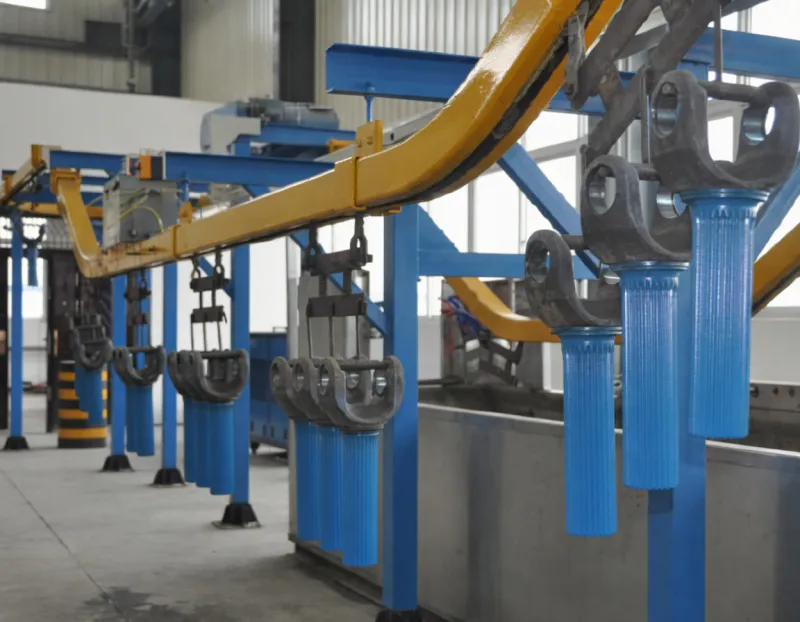
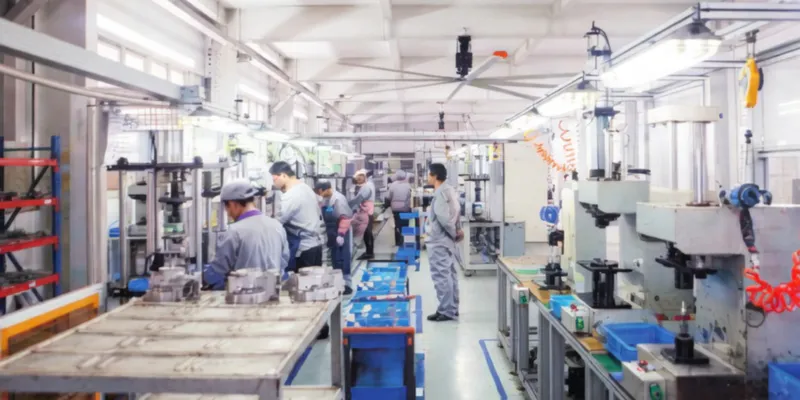
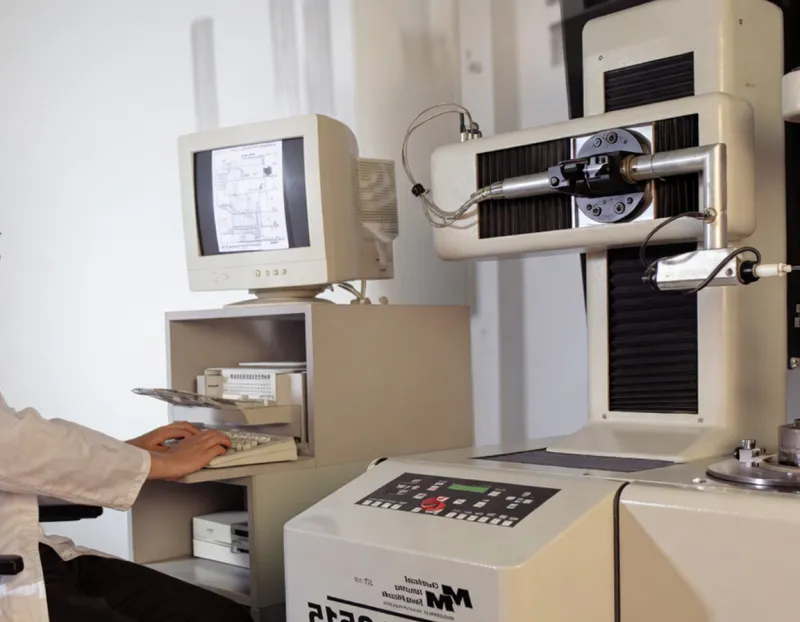
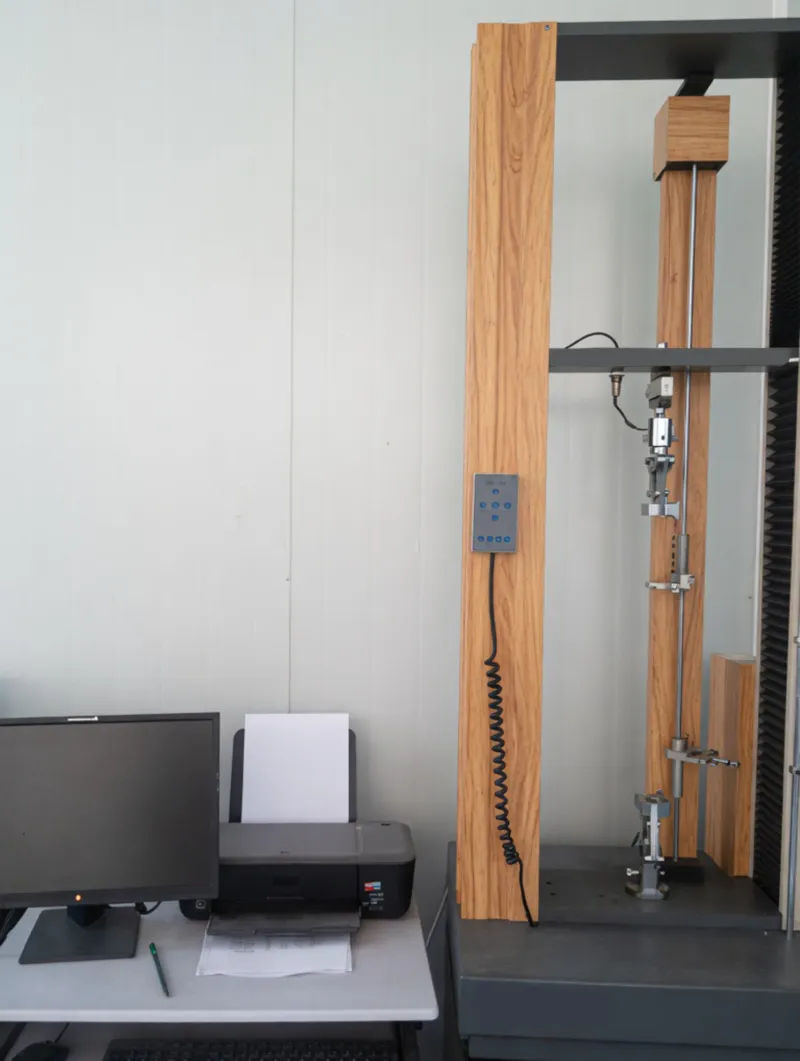
With decades of specialized experience in precision power transmission component manufacturing, our engineering team combines advanced metallurgical knowledge with modern production technologies to deliver single stage reducer solutions that consistently exceed industry performance benchmarks. Our production facility operates under ISO 9001 quality management protocols, ensuring every EP-EA04 unit undergoes comprehensive testing procedures including no-load running tests, torque capacity verification, and efficiency measurement before shipment approval.
WorkShop
7. International Standards Compliance and Colombian Regulations
The EP-EA04 single stage reducer design and manufacturing processes conform to internationally recognized quality and safety standards applicable to automotive power transmission components. ISO 9001 quality management system certification ensures consistent production procedures and comprehensive quality verification protocols. Component materials and heat treatment specifications align with SAE International standards widely adopted throughout the global commercial vehicle industry, facilitating integration into vehicles meeting various regional certification requirements.
For Colombian market applications, the reducer complies with Ministry of Transport technical requirements governing auxiliary equipment installations on commercial vehicles. The IP54 environmental protection rating meets standards for equipment exposed to road conditions including water spray and dust ingress scenarios common in Colombian transportation operations. Noise emission characteristics remain within acceptable limits established for commercial vehicle auxiliary equipment, ensuring compliance with urban operation regulations in major Colombian cities where noise pollution controls apply to commercial fleets.
Environmental considerations include lubricant containment features preventing accidental release during normal operations and servicing procedures, aligning with Colombian environmental protection regulations administered by the Ministry of Environment and Sustainable Development. Recyclability of aluminum housing materials supports end-of-life disposal requirements, while long service life characteristics minimize replacement frequency and associated environmental impacts from manufacturing new components.
8. Complete Your Powertrain System
Precision Wheel Bolts
Our high-strength wheel bolts are manufactured from grade 10.9 alloy steel with precise thread tolerances, ensuring secure wheel mounting and extended service life in demanding commercial applications. Available in various thread specifications and lengths to match your specific vehicle requirements, these fasteners undergo ultrasonic testing to verify internal integrity before shipment.
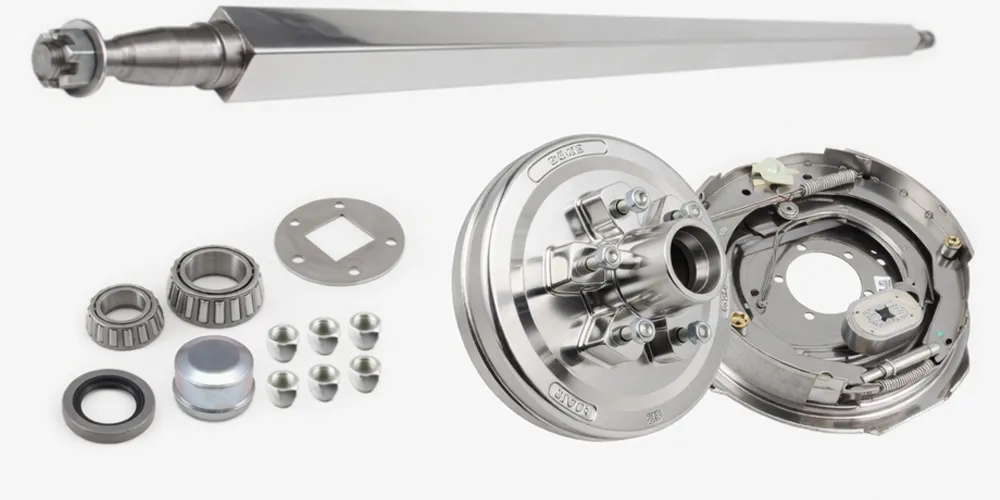
Trailer Axle Components
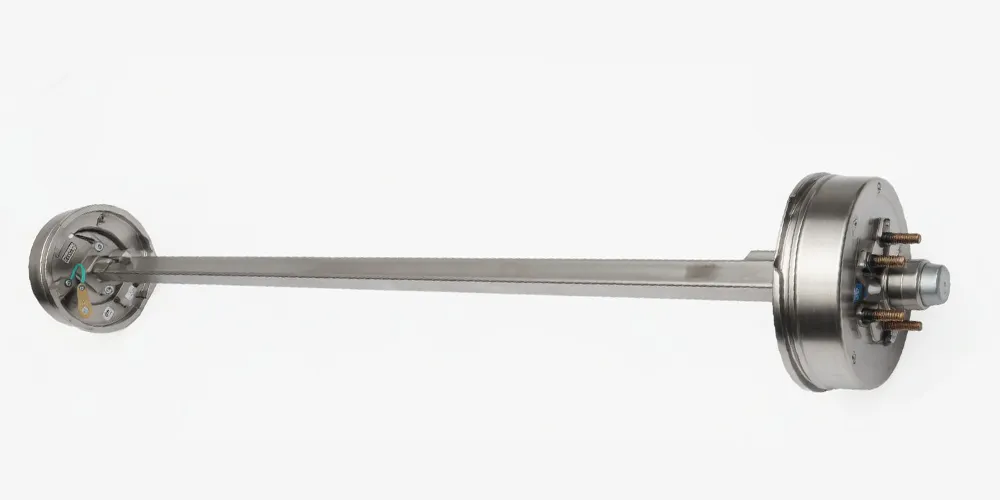
Complete trailer axle beam and spindle assemblies designed to integrate seamlessly with our reducer technology, providing a comprehensive one-stop procurement solution for commercial vehicle builders. Our axle systems feature precision-machined bearing journals and heat-treated mounting surfaces that ensure proper alignment and extended bearing service life under heavy payload conditions.
Frequently Asked Questions About Single Stage Reducers
Q1. How does single stage reducer efficiency compare to multi-stage configurations for commercial transportation equipment?
Single stage gear reducers like the EP-EA04 achieve superior efficiency ratings because power transmission occurs through only one gear mesh rather than multiple sequential reduction stages. Each gear mesh in a multi-stage system introduces additional friction losses, typically reducing overall efficiency by two to three percentage points per stage. The EP-EA04's ninety-six percent efficiency means minimal energy waste, translating to reduced fuel consumption and lower operating temperatures compared to equivalent multi-stage units achieving the same speed reduction ratio.
Q2. How do automotive paint reducer specifications relate to mechanical single stage reducer applications when coordinating complete vehicle refurbishment projects?
While paint reducers and mechanical single stage reducers share terminology, they serve entirely different functions in vehicle operations. Automotive single stage paint reducer products are chemical solvents used in refinishing processes, whereas mechanical single stage reducers like the EP-EA04 are precision gear transmission components. When planning comprehensive vehicle restoration or refurbishment programs involving both cosmetic refinishing and mechanical drivetrain upgrades, procurement teams should maintain separate supplier relationships for paint shop consumables and mechanical powertrain components to avoid specification confusion and ensure appropriate technical expertise for each product category.
Q3. What installation alignment tolerances must vehicle technicians maintain when integrating single stage gear reducer units into commercial truck auxiliary drive systems?
Proper shaft alignment between driving and driven equipment represents a critical installation parameter affecting single stage reducer service life and operational efficiency. Angular misalignment should not exceed 0.5 degrees, while parallel offset misalignment must remain within 0.2 millimeters to prevent premature bearing failure and excessive vibration generation. Precision alignment tools including laser alignment systems or dial indicator fixtures facilitate accurate measurement during installation procedures. Flexible couplings can accommodate minor misalignments inherent in vehicle chassis fabrication tolerances, but should not substitute for proper initial alignment practices.
Q4. When should maintenance personnel schedule oil changes and bearing inspections for single stage reducers operating in Bogotá's high-altitude urban delivery environment?
Urban delivery operations involving frequent start-stop cycles and variable load conditions accelerate lubricant degradation compared to constant-speed highway applications. Initial oil change intervals should occur after five hundred operating hours or three months, whichever arrives first, to remove manufacturing debris and initial wear particles. Subsequent intervals can extend to one thousand hours under normal urban conditions, with more frequent changes recommended for vehicles operating in extremely dusty environments or experiencing unusually high operating temperatures. Bearing condition assessment through vibration analysis or temperature monitoring should occur semi-annually to identify developing problems before catastrophic failure occurs.
Q5. What diagnostic procedures help maintenance technicians identify developing problems in single stage reducer installations before component failure disrupts commercial vehicle operations?
Systematic condition monitoring programs incorporate multiple diagnostic techniques for early problem detection. Vibration analysis using handheld analyzers or permanent monitoring systems identifies bearing wear, gear tooth damage, and misalignment conditions through characteristic frequency patterns. Temperature measurements at housing surface locations detect inadequate lubrication or excessive loading before thermal damage occurs. Acoustic emission sensors recognize abnormal noise signatures indicating gear tooth contact problems or bearing defects. Lubricant analysis through laboratory testing reveals wear particle concentrations, contamination levels, and lubricant degradation, providing advance warning of internal component condition. Regular visual inspections for oil leaks, housing cracks, and mounting fastener security complement instrumented monitoring for comprehensive preventive maintenance effectiveness.
Editor: PXY